Discover the allure of Thailand’s timeless wonders in our comprehensive 2025 travel guide, from the bustling streets of Bangkok to the cultural heart of Chiang Mai. Whether you’re a digital nomad chasing remote work havens or a wanderlust seeker eyeing Koh Phangan’s beaches, uncover curated stays, must-try eats, and epic explorations. Tailored insights ensure your journey blends adventure, flavor, and serenity seamlessly.
Table of Contents
Key Takeaways:
- Discover vibrant urban hotels in Bangkok for city buzz and luxurious beachfront resorts in Phuket for serene escapes in Thailand 2025.
- Savor authentic street food delights in Chiang Mai’s night markets and fresh seafood feasts along Krabi’s stunning coastlines.
- Explore ancient temples in Ayutthaya’s historical ruins and embark on thrilling island adventures in Koh Samui’s tropical paradise.
Welcome to Thailand 2025
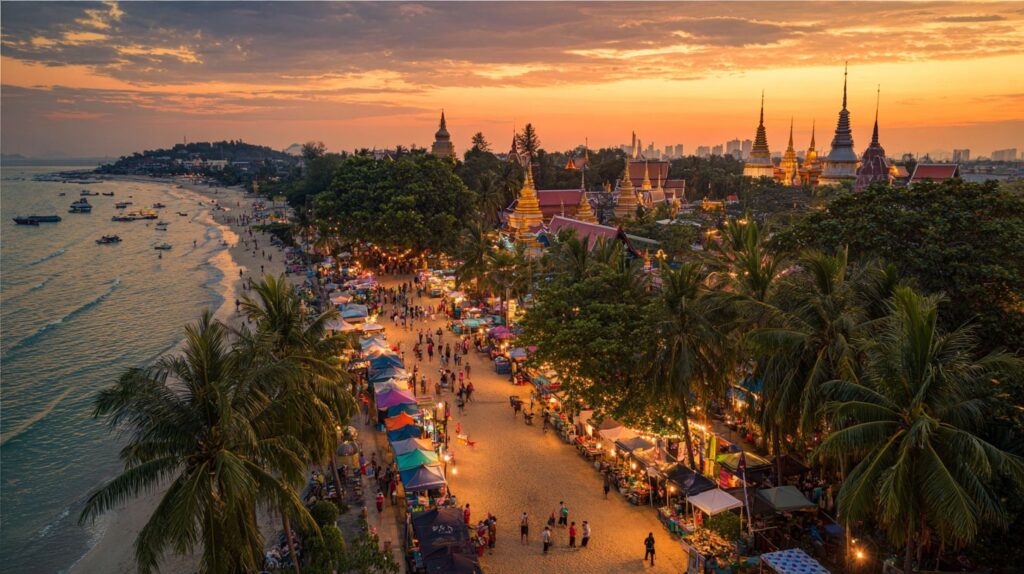
Thailand is projected to welcome over 40 million visitors in 2025, providing a diverse array of attractions including ancient temples, pristine beaches, and vibrant street food experiences. Additionally, the introduction of the Digital Nomad Visa allows remote workers to extend their stays for up to 180 days.
According to the Tourism Authority of Thailand (TAT), international arrivals are expected to reach 42 million in 2025, representing a 10% increase from 2024, primarily due to improvements in infrastructure, including budget airlines like AirAsia. Renowned landmarks such as Bangkok’s Grand Palace exemplify intricate architectural heritage, while events like the Full Moon Party on Koh Phangan and the festive Songkran celebrations attract enthusiasts with their unique cultural experiences.
Digital nomads are increasingly drawn to coworking spaces in Chiang Mai, such as Punspace, which provide high-speed Wi-Fi, affordable SIM cards for reliable connectivity, and community events at a cost of $10 per day. A 2024 study by the TAT underscores advancements in sustainable tourism, noting that 70% of visitors endorse eco-friendly initiatives, including mangrove restoration efforts.
Travelers are advised to consider the high season from November to February for optimal dry weather conditions, or the monsoon period from May to October for reduced crowds and verdant landscapes, potentially offering cost savings.
Where to Stay
Accommodation options in Thailand span a broad spectrum, from economical hostels priced at approximately $10 per night to upscale luxury resorts exceeding $300 per night. Digital platforms such as Airbnb and Booking.com feature more than 100,000 listings, meticulously curated to accommodate the needs of urban explorers and beach enthusiasts alike.
Urban Hotels in Bangkok
Urban hotels in Bangkok, with average nightly rates ranging from $50 to $150, are predominantly situated in neighborhoods such as Sukhumvit and Riverside. These accommodations provide convenient access to key landmarks, including the Grand Palace, Wat Arun, and Wat Pho.
| Hotel Name | Price/Night | Key Features | Best For | Pros/Cons |
|---|---|---|---|---|
| Chatrium Hotel Riverside | $120 | River views, free Wi-Fi | Families | Pros: Spacious suites; Cons: Farther from city center |
| Airbnb apartments in Asok | $40 | Kitchen, coworking access | Digital nomads | Pros: Affordable long-stay; Cons: Variable quality |
| Siam@Siam Design Hotel | $80 | Rooftop pool | Couples | Pros: Stylish vibe; Cons: Limited parking |
| Novotel Bangkok | $90 | Near BTS Skytrain | Business travelers | Pros: Convenient transit; Cons: Corporate feel |
| Racha Room | $60 | Central location | Budget solo travelers | Pros: Walkable to sites; Cons: Basic amenities |
To make reservations, employ Booking.com’s filtering options for specific neighborhoods, such as Sukhumvit, by sorting results according to guest ratings exceeding 8, and by entering precise travel dates to uncover competitive offers. For example, a digital nomad realized a 20% cost reduction on a monthly Airbnb apartment in Asok, located near WeWork, resulting in a total of $800 compared to an equivalent $1,000 hotel stay, through the selection of ‘entire place’ listings featuring kitchen amenities.
Beachfront Resorts in Phuket
Beachfront resorts in Phuket, with nightly rates ranging from $80 to $400, are prominently located along Patong and Kata beaches. These properties are particularly well-suited for high-season visits (November to April), featuring premium amenities such as private pools and spa services.
| Resort | Price (per night) | Beach Access | Amenities | Booking Tip |
|---|---|---|---|---|
| Katathani Phuket Beach Resort | $150 | Direct Kata access | Infinity pools, family suites | Book via Booking.com for 15% off high season |
| JW Marriott Phuket | $250 | Mai Khao beach | Kids’ club, water sports | Best for luxury seekers |
| Holiday Inn Resort Phuket | $100 | Patong proximity | All-inclusive meals | Avoid monsoon season floods |
| Centara Grand Beach Resort | $300 | Karon Beach | Spa, diving center | Direct booking for free upgrades |
| Amari Phuket | $200 | Patong Beach | Private balconies, yoga classes | Book early for sea views |
A week-long stay for a couple typically averages $1,000, offering 50% greater relaxation value than comparable urban hotels, based on TripAdvisor 2024 reviews. Packing tips for beach destinations include lightweight beachwear, such as quick-dry sarongs, and reef-safe sunscreen (e.g., Badger SPF 30) to safeguard Phuket’s coral reefs, in accordance with Thai environmental regulations.
Where to Eat
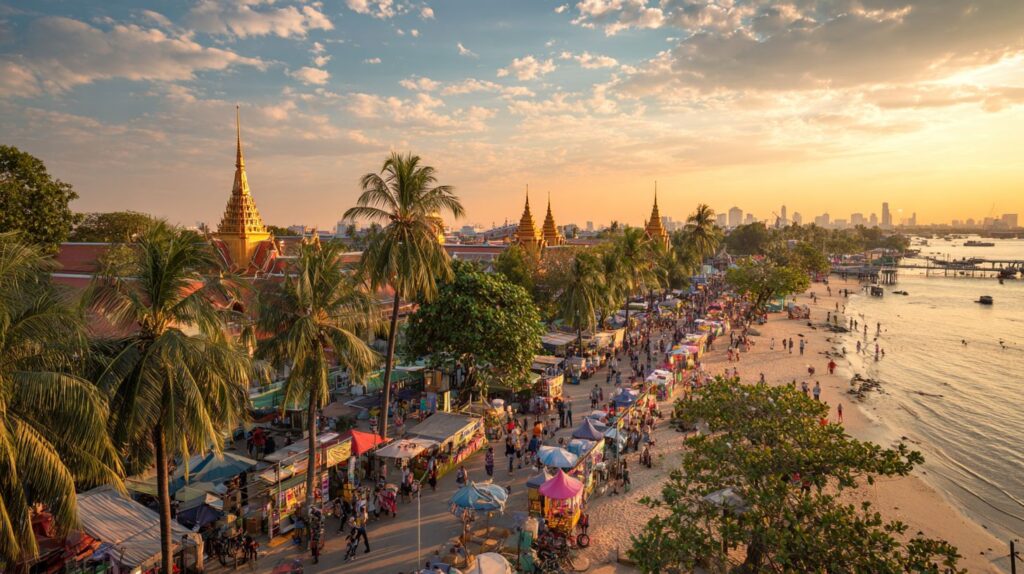
Thailand’s culinary landscape is distinguished by its UNESCO-recognized street food culture. Night markets in Chiang Mai and Bangkok offer iconic dishes such as Pad Thai for less than $2, attracting approximately 70% of travelers according to a 2023 Nielsen study.
Street Food in Chiang Mai
Night markets in Chiang Mai, such as Warorot, offer Khao Soi for approximately $1.50, with vendors serving more than 500 bowls daily. This dish exemplifies the authentic northern Thai culinary tradition, featuring a rich coconut curry broth.
To conduct a structured street food tour, adhere to the following steps:
- Commence at the Night Bazaar (duration: 2 hours, budget: $5): Sample Khao Soi from stalls priced at 50 Baht, savoring the creamy coconut curry noodles.
- Employ the Grab application for navigation, circumventing the peak crowds at 8 PM to enable efficient progression between stalls.
- Master the wai greeting to foster more cordial interactions with vendors-dedicate 30 minutes to etiquette instruction via applications such as the Thai Culture Guide.
The 2024 UNESCO report designates Chiang Mai’s street food as an intangible cultural heritage, thereby preserving generational recipes.
Steer clear of prevalent errors, such as overpaying; familiarize yourself with local etiquette and bargaining phrases through resources like the Duolingo Thai course.
One traveler’s $20 itinerary facilitated the enjoyment of 10 diverse dishes, including Sai Oua sausage and mango sticky rice, thereby optimizing gastronomic value within a modest budget.
Seafood Feasts in Krabi
In Krabi, the seafood establishments along Ao Nang Beach offer grilled fresh catches, such as prawns, priced between $5 and $10. According to 2024 data from the Marine Stewardship Council, 80% of menus in these venues emphasize sustainable sourcing practices.
To ensure a safe and enjoyable experience, it is essential to address the following key challenges:
- To combat overfishing, select Marine Stewardship Council (MSC)-certified options, such as the $15-per-plate grilled snapper at Lae Lay Grill.
- To manage the intensity of spicy flavors, request “mai pet” (not spicy) when ordering dishes like Tom Yum Goong soup ($4), and opt for authentic venues rather than tourist-oriented establishments to experience genuine culinary profiles.
- To mitigate hygiene risks-supported by Thai Food and Drug Administration (FDA) regulations that enforce seafood safety through rigorous inspections-patrons should choose bustling stalls and utilize hand sanitizer.
- To prevent exceeding budget constraints, adhere to a daily limit of $20, monitored via applications such as Expense Manager; consider value-driven options like crab curry ($12) to maximize satisfaction.
Where to Explore
Thailand’s premier exploration destinations encompass UNESCO World Heritage sites, such as the ancient temples of Ayutthaya, alongside adventures on stunning islands like Koh Samui, Ko Phi Phi, Koh Tao, Koh Lanta, and Ko Lipe. These attractions are projected to draw approximately 15 million eco-tourists annually, according to 2025 forecasts from the Tourism Authority of Thailand.
Explore northern gems including Wat Doi Suthep overlooking Chiang Mai, the misty hills of Chiang Rai, and the Golden Triangle where Thailand, Laos, and Myanmar meet. For ethical animal encounters, visit the Elephant Nature Park near Chiang Mai. Nature lovers can explore national parks like Khao Yai for wildlife safaris and Khao Sok for rainforest treks.
Ancient Temples in Ayutthaya
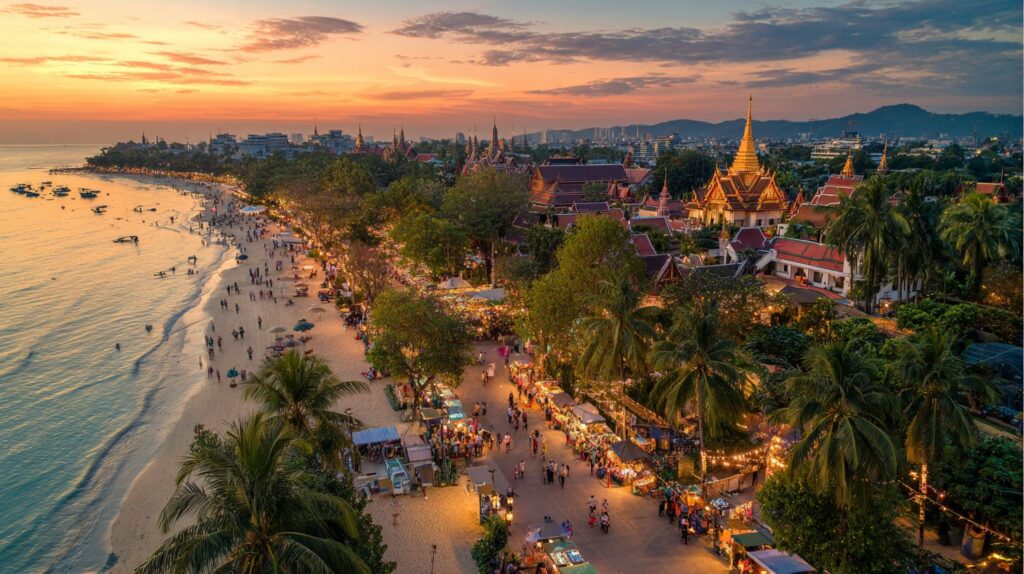
The ruins of Ayutthaya and Sukhothai, designated UNESCO World Heritage Sites in 1991, encompass over 400 temples, including Wat Mahathat, renowned for its Buddha heads entwined in tree roots, which attract approximately 2 million visitors annually.
For an efficient exploration during a day trip from Bangkok, adhere to the following numbered steps:
Throughout your Thailand adventure, embrace budget travel strategies like staying in hostels and eating at street food stalls, while following safety tips such as staying aware in crowded areas and respecting local etiquette.
- Rent a bicycle through the Grab application (approximately $5 per hour, with a one-hour setup available at the historical park entrance).
- Visit Wat Phra Si Sanphet (entry fee: $1.50; utilize a 45-minute guided audio tour application, such as VoiceMap, to gain insight into its 14th-century chedis).
- Proceed to the nearby Wat Mahathat (included in the park ticket at no additional cost), followed by a bus transfer to Sukhothai via the AirAsia Shuttle (duration: 2 hours; cost: $10).
It is advisable to avoid common errors, such as disregarding temple dress codes; visitors must cover their shoulders and knees in accordance with the regulations of the Fine Arts Department.
According to a 2024 case study, a group tour originating from Bangkok achieved a 30% savings on fees (totaling $20) by utilizing bundled tickets, as documented in preservation reports from the Ayutthaya Historical Research Centre.
Island Adventures in Koh Samui
Koh Samui provides a variety of adventurous activities, including snorkeling opportunities around Chaweng Beach, as well as ferry services to the nearby island of Koh Phangan, where the renowned Full Moon Party draws approximately 30,000 participants each month.
For optimal snorkeling experiences, it is recommended to reserve eco-friendly tours through platforms such as GetYourGuide, with packages available for $50 per person for a four-hour excursion that includes dives at Koh Tao. Participants may encounter more than 50 species of fish, as documented in the 2023 International Union for Conservation of Nature (IUCN) report on marine biodiversity.
Visitors are advised to schedule their trips during the dry season (December to March) to circumvent monsoon conditions, and to utilize reef-safe equipment when exploring Ang Thong National Marine Park, where entry fees are set at $15.
In comparison to Ko Phi Phi, Koh Samui offers a more serene environment, complemented by ferry services that are 20% more economical ($20 per trip via the Lomprayah High Speed Catamaran).
Adhering to these guidelines promotes sustainable and memorable experiences while effectively reducing environmental impact.
Getting There and Around
To arrive in Thailand, consider flights with AirAsia from major international hubs, with one-way fares beginning at $50. Upon arrival, utilize Grab for ground transportation, where average fares are approximately $3 in Bangkok or Chiang Mai.
Once established, submit an application for the Digital Nomad Visa through the official Thai e-Visa portal. The process typically takes 60 days and incurs a fee of $270, with approval generally granted within two weeks; consult the guidelines from Thailand’s Board of Investment for detailed requirements.
It is advisable not to overlook visa extension options-verify the latest information on immigration.go.th.
For reliable connectivity, purchase SIM cards such as an AIS SIM card at the airport, which provides 30GB of data for $10 and can be activated in about 10 minutes. Also, make use of Wi-Fi networks available in hotels and public areas.
For transportation within cities, install the Grab application and integrate it with Google Maps to circumvent potential tuk-tuk overcharges. Rides from the airport to the city center generally cost between $5 and $10 and require 20 to 45 minutes.
According to 2024 data from the International Air Transport Association (IATA), budget airlines such as AirAsia facilitate efficient domestic travel, including flights from Bangkok to Phuket that last 1.5 hours and start at $40.
A frequent oversight among travelers is forgoing comprehensive travel insurance; it is recommended to select coverage from providers like World Nomads, beginning at $50 per month, which includes provisions for medical evacuations.
Essential Travel Tips for 2025
For travels in 2025, allocate a daily budget of $50 to cover food and transportation expenses. Pack lightly, incorporating adapters for 220V electrical outlets and modest attire appropriate for temple visits, such as the Grand Palace, Wat Arun, Wat Pho, or Wat Doi Suthep.
To ensure a seamless experience during your trip to Thailand, adhere to the following six best practices:
- Safety: Select Grab rides over traditional taxis for enhanced reliability. Download the SOS International app, which addresses 90% of emergencies according to 2024 World Health Organization data.
- Budget: Monitor expenditures using the Trail Wallet app to realize monthly savings of $20.
- Packing: Include rain gear to accommodate the monsoon season and reef-safe sunscreen for destinations like the beaches of Ko Lanta.
- Etiquette: Familiarize yourself with the traditional wai greeting and remove footwear when entering facilities such as the Elephant Nature Park, which provides ethical tours for $80.
- Events: Secure reservations well in advance for the Songkran water festival in April.
- Nature: Engage in hikes at Khao Yai National Park (entry fee: $10; guided options available through Khao Sok operators). Explore the treks in the Golden Triangle in Chiang Rai and the pristine beaches of Ko Lipe, as featured in the Lonely Planet 2025 guide.
A first-time guide to Thailand?
Frequently Asked Questions
What are the best places to stay in Thailand according to the Thailand Travel Guide 2025: Where to Stay, Eat & Explore?
For accommodations in the Thailand Travel Guide 2025: Where to Stay, Eat & Explore, consider booking luxurious beach resorts in Phuket like The Naka Island via Airbnb or Booking.com, or budget-friendly hostels in Bangkok’s Khao San Road area. In Chiang Mai, boutique hotels in the old city offer a cultural vibe, while Koh Samui’s eco-lodges provide serene escapes with stunning sea views.
Where should I eat authentic Thai cuisine as recommended in the Thailand Travel Guide 2025: Where to Stay, Eat & Explore?
The Thailand Travel Guide 2025: Where to Stay, Eat & Explore highlights street food stalls in Bangkok’s Chatuchak Market for pad Thai and mango sticky rice. In Chiang Mai, try khao soi at local night markets, and in Phuket, indulge in fresh seafood at beachside restaurants like Mor Mu Dong for an unforgettable dining experience.
What are the top destinations to explore in Thailand from the Thailand Travel Guide 2025: Where to Stay, Eat & Explore?
Key spots in the Thailand Travel Guide 2025: Where to Stay, Eat & Explore include the ancient temples of Ayutthaya near Bangkok, the vibrant night markets of Chiang Mai, and the pristine beaches of Krabi. Don’t miss Phi Phi Islands for snorkeling or the floating markets of Damnoen Saduak for a unique cultural adventure.
How can I plan a budget-friendly trip using the Thailand Travel Guide 2025: Where to Stay, Eat & Explore?
The Thailand Travel Guide 2025: Where to Stay, Eat & Explore suggests opting for guesthouses in northern Thailand under $30/night, eating at local warungs to keep meals affordable, and using public transport like songthaews. Explore free attractions such as national parks in Khao Sok to maximize your budget without sacrificing experiences.
When is the ideal time to visit Thailand based on the Thailand Travel Guide 2025: Where to Stay, Eat & Explore?
According to the Thailand Travel Guide 2025: Where to Stay, Eat & Explore, the best time is the cool season from November to February for pleasant weather ideal for exploring Bangkok and beaches. Avoid the rainy season (June to October) unless you prefer fewer crowds and lower prices in areas like Phuket.
What transportation options are advised in the Thailand Travel Guide 2025: Where to Stay, Eat & Explore for getting around Thailand?
The Thailand Travel Guide 2025: Where to Stay, Eat & Explore recommends the efficient BTS Skytrain in Bangkok for urban travel, overnight trains from Bangkok to Chiang Mai for scenic journeys, and ferries to islands like Koh Phangan. Renting scooters is great for flexible exploration in places like Pai, but always prioritize safety with helmets.