Ever wonder how smart glasses and everyday eyewear will blend technology and sustainability by 2026? This look ahead covers innovations like augmented reality lenses and eco-friendly materials that make glasses both functional and planet-friendly. You’ll see practical shifts coming to frames you might wear soon.
Table of Contents
Key Takeaways:
- By 2026, eyewear will feature augmented reality lenses and AI-powered customization, seamlessly blending digital interfaces with daily vision needs for enhanced productivity and personalized experiences.
- Smart health monitoring in glasses will track vitals like eye strain and UV exposure in real-time, revolutionizing preventive healthcare through wearable tech.
- Eco-friendly design s dominate with biodegradable polymers and recycled ocean plastics, coupled with sustainable manufacturing, reducing environmental impact while maintaining stylish fashion aesthetics.
Tech-Integrated Innovations
Tech-integrated eyewear leads 2026 trends, embedding augmented reality, health monitoring, and AI into sleek frames for seamless daily enhancements. Brands like Ray Ban Meta AI Eyeglasses and Google Glass inspire modern smart glasses, blending fashion with function. These designs offer real-time vision augmentation over passive monitoring.
Expect innovation s in AR lenses for interactive overlays, smart health monitoring for eye care, and AI customization for perfect fits. This shift defines eyewear trends, making glasses essential smartwear. Users gain hands-free tools for work and life.
In 2026, technology integration meets style, with frames from leaders like Marcolin. These advancements promise personalized vision solutions. The industry heads toward eco-friendly, tech-driven futures.
Augmented Reality Lenses
Augmented reality lenses overlay digital information onto the real world, turning everyday glasses into interactive displays powered by compact AR technology. Choose AR-compatible frames like Ray Ban Meta AI Eyeglasses for quick setup.
Follow this process: First, pair via app in 2-3 minutes. Second, calibrate lenses in good lighting to avoid blur, a common mistake. Third, activate features like navigation overlays in 1 minute.
Benefits include hands-free directions during commutes, boosting safety and efficiency. Tools like Vuzix suit enterprise use for training overlays. These smart glasses enhance daily tasks with real-time info.
In 2026, AR lenses work together with fashion-forward designs, supporting trends in New York Tech and Paris Silmo. Experts recommend regular calibration for optimal vision augmentation.
Smart Health Monitoring
Smart glasses with health monitoring track eye strain, blue light exposure, and myopia progression through embedded sensors in the frames. Link to apps for daily screen time logs and blue light exposure in 5 minutes.
Setup involves calibration, but avoid skipping it to prevent inaccurate reads. Get alerts for breaks, promoting preventive care like Hoya’s MyoSmart for Myopia control. Pair with iSight Optometry for adjustments.
Unique value lies in proactive vision health, with examples like reminders during long work sessions. This feature turns eyewear into a personal wellness tool. Research suggests consistent use aids eye comfort.
Best practices include daily checks and professional consultations. In 2026 trends, smart health monitoring combines with geometric retro designs for stylish protection. It fits eco-conscious lifestyles seamlessly.
AI-Powered Customization
AI-powered customization uses algorithms to tailor eyewear frames and lenses to individual face shapes, lifestyles, and vision needs. Start by uploading a selfie to platforms like OTP (One True Pair) in 2 minutes.
Next, view 3D frame previews from Marcolin designs. Then, order personalized smart glasses, verifying measurements to avoid mismatches. This ensures a flawless fit.
Emotional benefits include boosted confidence, as AR glasses feel custom-made for fashion settings. Examples feature eco-friendly acetate options in personalized styles. AI enhances both form and function.
In the 2026 eyewear industry, this tech supports sustainable materials like recycled plastic. It aligns with virtual reality trends and personalized innovation. Users enjoy glasses that match their unique profile perfectly.
Eco-Friendly Materials Revolution
The eco-friendly materials revolution in 2026 eyewear prioritizes biodegradable and recycled options, making sustainable glasses a stylish norm. Brands like Eco Eyewear lead with acetate from recycled sources and ocean plastics, blending fashion with environmental care. This shift supports the industry‘s move toward eco-conscious designs in smartwear and AR frames.
Consumers now expect frames that reduce waste without compromising on design or durability. Innovations in sustainable materials allow for geometric and retro trends while integrating tech like health monitoring. These materials align with broader 2026 eyewear trends, from New York Tech to Paris Silmo showcases.
Key benefits include lower environmental impact through responsible sourcing. Biodegradable polymers and recycled plastics offer practical solutions for everyday use in augmented reality glasses. Next, explore specific materials and their unique advantages.
Brands emphasize transparency in production, appealing to eco-conscious buyers. This revolution transforms waste into wearable art, supporting sustainability in the smartwear industry.
Biodegradable Polymers
Biodegradable polymers replace traditional plastics in frames, breaking down naturally while maintaining durability for everyday smart glasses. Select styles from Etnia Barcelona certified as biodegradable by checking labels in stores or online. These materials suit eco-friendly designs in AR and virtual reality eyewear.
One main pro is reduced landfill waste, as polymers decompose over time. Higher costs exist, but longevity offsets this through sturdy construction for daily wear. Experts recommend them for sustainable fashion without sacrificing quality.
- Choose certified labels for verified breakdown properties.
- Pair with personalized vision options for custom fits.
- Integrate with blue light lenses for tech-heavy lifestyles.
Care tips include avoiding extreme heat to preserve integrity. Clean gently with mild soap and store in cool, dry places. This keeps biodegradable frames vibrant in 2026 trends like geometric patterns.
Recycled Ocean Plastics
Recycled ocean plastics transform marine waste into vibrant, sturdy eyewear frames, supporting sustainability without sacrificing fashion appeal. Brands like Warby Parker and Eco Eyewear use verified sources, accessible via QR code scans in-store or online. These frames fit retro and geometric designs in the 2026 market.
Verify sourcing through simple scans for transparency in the supply chain. Benefits shine in stylish examples like angular geometric frames from cleaned plastics. They blend well with health monitoring technology in smart glasses.
Maintenance involves using microfiber cloths for cleaning to retain color vibrancy. Avoid harsh chemicals to protect the recycled material’s finish. This practice extends life for eco-conscious consumers.
- Scan QR codes for origin stories on ocean cleanup efforts.
- Opt for frames with Myopia control features in sustainable builds.
- Combine with 3D printing for personalized, low-waste production.
Sustainable Manufacturing Processes
Sustainable manufacturing like 3D printing minimizes waste in eyewear production. It enables on-demand creation of personalized, low-impact glasses. Brands can craft frames with biodegradable materials that break down naturally.
At events like Silmo Paris, companies showcased 3D-printed eyewear using recycled plastics and acetate. These designs highlight eco-friendly trends for 2026. Experts recommend calibrated printers to avoid scaling errors during assembly.
Follow these numbered steps for 3D-printed frames:
- Design via software, a quick process taking about 10 minutes for custom shapes like geometric or retro styles.
- Print with biodegradable filament, which takes 1-2 hours and uses less material than traditional methods.
- Assemble lenses carefully. A common mistake is imprecise scaling, so always use calibrated printers for accurate fits.
Benefits include reduced shipping emissions from local production. Brands adopting this see less waste and faster customization. Best practices involve sourcing recycled plastic filaments for true sustainability.
Design Aesthetics and User Experience
2026 eyewear design blends geometric and retro aesthetics with smart features, prioritizing comfort and style in AR glasses and fashion frames. Brands like Oakley push sporty smartwear with sharp angles and bold lines for active users. Tom Ford counters with retro vibes in sleek, everyday luxury frames that nod to classic Hollywood glamour.
These design trends integrate seamlessly with technology, such as AR overlays in geometric Oakley models for athletes. Retro Tom Ford pieces pair with health monitoring sensors, offering a timeless look without sacrificing innovation. Experts recommend testing frames in natural light to see how patterns enhance or clash with skin tones.
For optimal user experience, focus on adjustable nose pads in 3D AR glasses for all-day wear. Spend five minutes testing the fit to avoid pressure points during extended use. This simple step ensures comfort while enjoying virtual reality enhancements or blue light protection.
Personalize your style by mix-matching lenses with Gucci or Prada frames. Swap polarized lenses into retro frames for fashion-forward versatility. This approach aligns with the industry’s shift toward Eco Eyewear, customizable eyewear in 2026.
Market Adoption and Challenges
Market adoption of smart glasses accelerates through brands like EssilorLuxottica, though challenges like battery life and cost persist. Consumers seek eyewear that blends technology with daily routines. Integration into fashion and health monitoring drives interest in AR glasses for 2026.
High prices limit access for many buyers. Brands address this by offering entry-level North models with basic features like blue light filtering. These affordable options ease users into smartwear without overwhelming costs.
Privacy concerns arise from always-on augmented reality features. Experts recommend opt-in AR functions that users control manually. This builds trust and encourages wider adoption in the eyewear industry.
Daily routine integration fuels growth, such as hands-free navigation during commutes. Sustainable materials like recycled plastic frames appeal to eco-conscious buyers. Overcoming these hurdles positions smart glasses as essential by 2026.
| Challenge | Solution | Time to Implement |
|---|---|---|
| High price | Launch entry-level models with core features | Immediate |
| Privacy concerns | Opt-in AR features with user controls | Short-term (6-12 months) |
| Battery life | Advanced lightweight batteries and power-saving modes | Medium-term (1-2 years) |
| User comfort | Ergonomic designs with customizable fits | Ongoing |
Leading Brands and Predictions
Leading brands like Marcolin and Meta drive 2026 eyewear predictions, with innovations showcased at events like Silmo Paris. These companies focus on blending technology with sustainable designs. Consumers can expect smarter, eco-friendly options in smart glasses and frames.
Marcolin leads in sustainable frames made from recycled plastic and biodegradable acetate. Their designs emphasize eco-conscious materials while maintaining fashion appeal with geometric and retro styles. This approach sets a standard for the eyewear industry.
Meta pushes AR integration in glasses, combining augmented reality with everyday vision correction. Features include health monitoring for blue light exposure and Myopia control. These innovations make eyewear a key part of smartwear.
Experts from the New York Institute of Technology predict a rise in hybrid AR/VR glasses. Future models will use 3D printing for personalized lenses and frames. Visit iSight Optometry for trials of these upcoming designs.
| Brand | Key Innovation | Standout Feature |
|---|---|---|
| Meta | AR integration | Hybrid AR/VR displays with health monitoring |
| Marcolin | Sustainable frames | Recycled plastic and biodegradable acetate |
| Others | 3D printing | Personalized geometric and retro designs |
Frequently Asked Questions
What is ‘The Future of Eyewear: Tech-Integrated and Eco-Friendly Designs in 2026′?
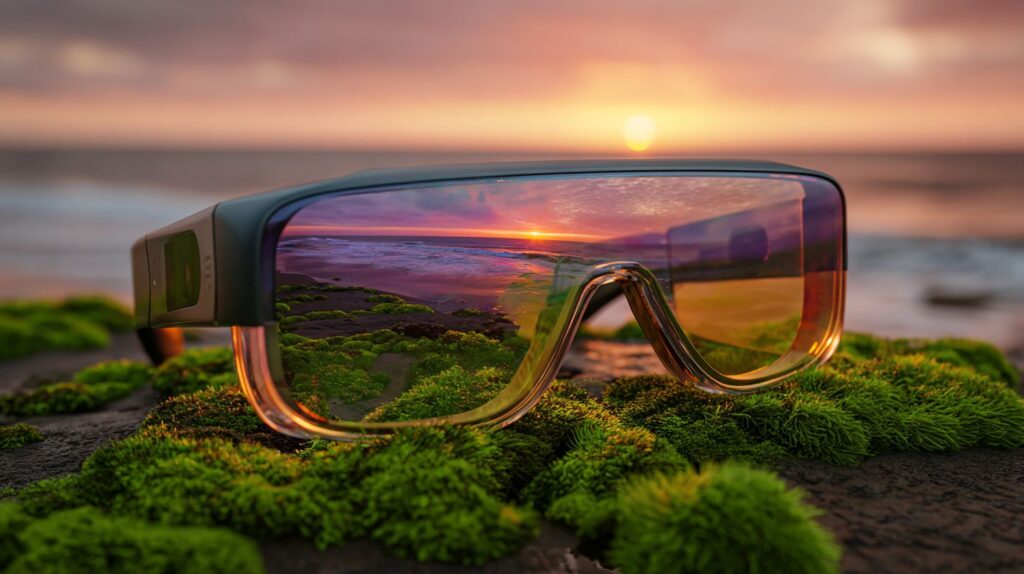
The Future of Eyewear: New Tech-Integrated and Eco-Friendly Designs in 2026 refers to the next generation of glasses and eyewear that blend cutting-edge technology like AR displays and health sensors with sustainable materials, aiming for a smarter, greener optical industry by 2026.
How will New York tech integration shape The Future of Eyewear: Tech-Integrated and Eco-Friendly Designs in 2026?
In The Future of Eyewear: Tech-Integrated and Eco-Friendly Designs in 2026, tech integration will include smart lenses with real-time augmented reality overlays, AI-powered vision correction, and biometric tracking for health monitoring, all powered by lightweight, flexible electronics like Ray Ban Meta AI Eyeglasses.
What eco-friendly materials will define The Future of Eyewear: Tech-Integrated and Eco-Friendly Designs in 2026 from brands like Warby Parker?
The Future of Eyewear: Tech-Integrated and Eco-Friendly Designs in 2026 will feature biodegradable frames from plant-based polymers, recycled ocean plastics like OTP (One True Pair), and zero-waste manufacturing processes to minimize environmental impact while maintaining durability and style.
When can we expect to see products from The Future of Eyewear: Tech-Integrated and Eco-Friendly Designs in 2026 by brands like Etnia Barcelona?
Products embodying The Future of Eyewear: Tech-Integrated and Eco-Friendly Designs in 2026 are projected to hit markets in late 2025 to early 2026, with major brands piloting prototypes at tech expos and rolling out consumer versions shortly after.
What benefits do consumers gain from The Future of Eyewear: Tech-Integrated and Eco-Friendly Designs in 2026, compared to pioneers like Google Glass?
Consumers in The Future of Eyewear: Tech-Integrated and Eco-Friendly Designs in 2026 will enjoy personalized vision enhancement, seamless connectivity with devices, reduced carbon footprints, and stylish options that align with sustainable living without compromising on performance.
How will The Future of Eyewear: Tech-Integrated and Eco-Friendly Designs in 2026 impact the eyewear industry, alongside players like Vuzix and Hoya’s MyoSmart?
The Future of Eyewear: Tech-Integrated and Eco-Friendly Designs in 2026 will revolutionize the industry by shifting from traditional optics to hybrid tech-sustainability models, driving innovation, attracting eco-conscious buyers, and setting new standards for ethical production and functionality.