The Future of the Trucking Industry: Electric Cargo Trucks & Autonomous Trailers in 2026
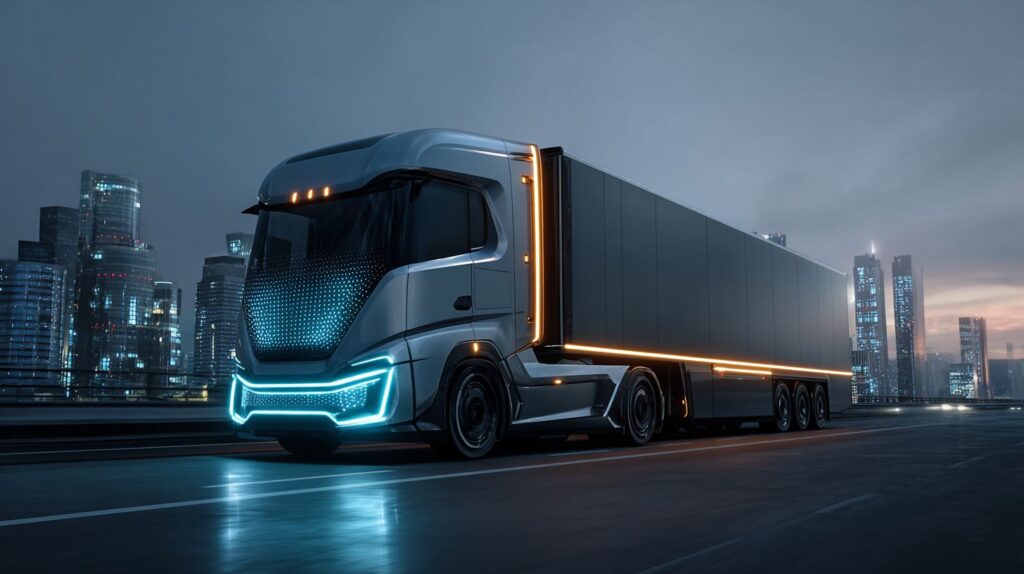
The trucking industry faces a mounting Driver Shortage, threatening supply chain s amid rising demands. Discover how electric cargo trucks and autonomous trailers will revolutionize freight transport by 2026. This article previews cutting-edge technology innovations, cost savings, and sustainability gains-empowering drivers and fleets to thrive in tomorrow’s logistics landscape.
Table of Contents
Key Takeaways:
- By 2026, electric cargo trucks will feature advanced batteries with 500+ mile ranges and rapid charging, supported by nationwide infrastructure expansion, slashing emissions and fuel costs.
- Autonomous trailers will leverage sensor fusion, AI navigation, and platooning for safer, efficient convoy travel, reducing driver fatigue and human error on highways.
- Integrating electric power with Level 4 autonomy promises 30% cost savings, greener operations, and supportive regulations, revolutionizing trucking economics and sustainability by 2026.
Current State of Trucking Challenges
The U.S. Trucking Industry faces a projected 160,000-driver shortage by 2026 according to the American Trucking Associations (ATA), disrupting $800 billion in annual freight movement across North America. The ATA’s 2024 Driver Shortage Report highlights the need for 3.5 million drivers against only 3 million available, with 82% of carriers reporting persistent openings. This gap strains daily operations and pushes companies to explore autonomous trucks and electric alternatives. Federal Motor Carrier Safety Administration (FMCSA) Hours-of-Service rules further limit productivity, capping drivers at 11 hours of driving per day after 14 hours on duty, resulting in 20% lost efficiency for long-haul routes.
Equipment costs have surged 25% since 2022, driven by inflation and demand for advanced technology integration like AI safety systems. Supply chain delays compound this, with lead times for new trucks now 40% longer, often stretching to 12 months for custom orders. Carriers face tough choices between aging fleets prone to high maintenance costs and waiting for deliveries. Environmental regulations, such as California’s 2035 zero-emission mandate, force fleet upgrades to electric cargo trucks, adding pressure amid the unpredictable economy.
Recent Teamsters contract disputes illustrate labor tensions, with strikes at major carriers demanding better wages and conditions, halting thousands of loads. These challenges in driver shortage, rising equipment costs, supply chains, and environmental regulations threaten logistics efficiency. Innovations like Level 4 autonomy at events such as ACT Expo offer hope, but carriers must navigate these hurdles to sustain North America n freight transport through 2026.
Checkout the Top 10 Trucking Industry Challenges in 2026 (and How To …
Electric Cargo Trucks: Technology Overview
Electric cargo trucks represent the trucking industry’s pivot toward zero-emission transport, with California mandating 100% zero-emission drayage trucks by 2035. These vehicles tackle the driver shortage by enabling longer shifts through instant torque and quiet cabins, while meeting strict environmental regulations. Fuel costs drop by 70% compared to diesel, easing pressures on carriers facing supply chain disruptions.
Models like the Volvo Trucks VNR Electric offer a 300-mile range on a single charge, ideal for regional freight routes. Market growth accelerates from 2,000 units in 2023 to a projected 50,000 by 2026, driven by logistics firms adopting electric fleets for efficiency. This shift supports North America’s economy by cutting maintenance costs and improving operations in unpredictable conditions.
Advancements in battery technology and charging networks pave the way for broader adoption. Future sections explore these innovations, addressing challenges like equipment costs and infrastructure gaps without diving into fine details yet. Electric trucks enhance safety and reduce downtime, positioning the industry for sustainable growth amid rising demand for freight transport.
Battery Advancements by 2026
By 2026, solid-state batteries will deliver 600+ mile ranges in Class 8 trucks, reducing charging downtime from 8 hours to 30 minutes per Volvo Trucks‘ roadmap. These batteries promise higher energy density and faster charging, crucial for trucking operations handling long-haul freight. Current lithium-ion packs limit ranges to 300 miles at $250/kWh, but innovations address this gap effectively.
| Battery Type | Range (miles) | Cost ($/kWh) |
|---|---|---|
| Current Li-ion | 300 | $250 |
| 2026 Solid-State | 600 | $100 |
| LFP | 400 | $80 |
The Tesla Semi uses 4680 cells for 1.8-second 0-60mph acceleration, boosting productivity on roads. Proterra’s 800V architecture supports rapid recharges, while DOE’s Battery500 Consortium forecasts 2x energy density gains by 2026. Maintenance costs fall to $0.02/mile from diesel’s $0.15/mile, aiding carriers with driver shortages and regulatory pressures.
Charging Infrastructure Expansion
North America needs 100,000+ charging ports by 2026; current 5,000 ports leave 95% coverage gaps along I-80 freight corridors. Electrify America plans to add 1,500 MW by 2025, while CALSTART builds a 200-station California network. This expansion supports electric cargo trucks in overcoming infrastructure challenges for reliable supply chain logistics.
- Conduct needs assessment using TransPlus TMS at $99/month to analyze fleet routes and power demands.
- Install 350kW MCS connectors costing $50k per site for high-speed charging compatible with Class 8 vehicles.
- Upgrade grids through programs like PG&E’s $2B initiative to handle increased loads without disruptions.
A 20-truck fleet sees $1.2M savings over 5 years via lower energy and maintenance costs, per industry studies. These steps connect with autonomous trailers and AI systems, enhancing safety and efficiency. Fleets adopting depot charging reduce downtime, positioning trucking for Level 4 autonomy amid driver shortage s and new regulations at events like ACT Expo.
Autonomous Trailers: Key Innovation s
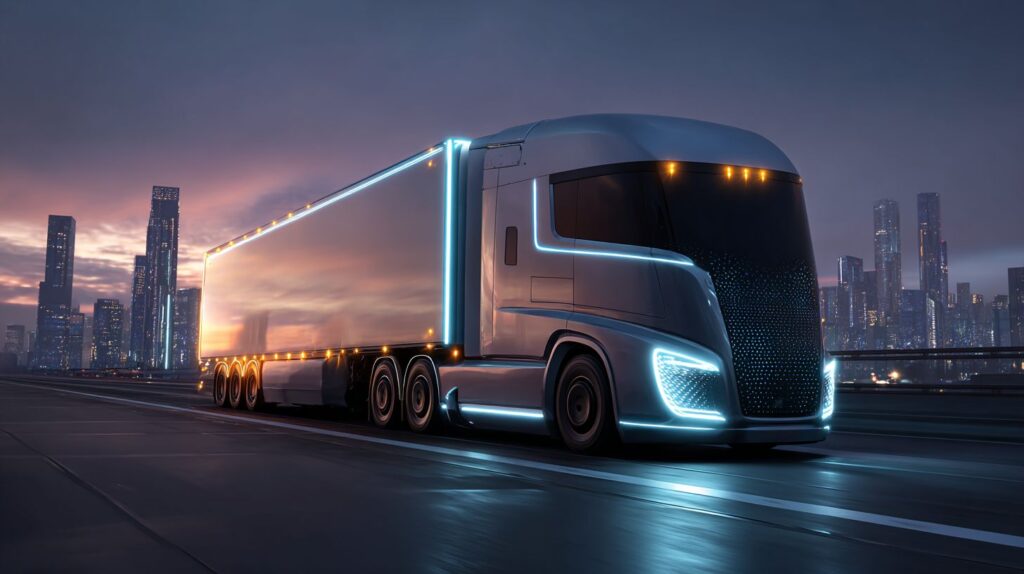
The trucking industry is shifting from Level 2 ADAS to Level 4 autonomy, which cuts labor costs by 60%. This change targets the driver shortage by automating long-haul routes. Key advances include sensor fusion, AI navigation, and trailer platooning systems that boost safety and efficiency without deep details here. Demos at ACT Expo 2024 in Las Vegas Convention Center featured Kodiak and Waabi showing real-world operations. FMCSA pilot approvals now allow over 200 autonomous miles, paving the way for 2026 freight transport.
Level 4 autonomous trailers from PlusAI and Aurora eliminate 80% of driver tasks, targeting hub-to-hub routes across I-5 and I-10 corridors. These systems address supply chain challenges by reducing downtime and maintenance costs. Carriers gain from technology integration that handles unpredictable economy factors and environmental regulations. In North America, this innovation supports the economy by improving logistics operations.
Early adopters report fewer accidents and better fuel use, aligning with new technology trends. FMCSA regulations evolve to support these vehicles on public roads. Equipment costs drop as production scales, making autonomous trucks viable for carriers facing driver shortages. By 2026, expect widespread use in freight transport, transforming daily operations.
Sensor Fusion and AI Navigation
Aurora Driver‘s sensor fusion combines 40 LP lidar sensors, 12 cameras, and 6 radars for 99.999% safety uptime in fog and rain conditions. This setup uses Lidar like Velodyne Alpha Prime with 300m range, Radar such as Continental ARS548 at 250m, and an AI stack trained on 10M highway miles with PyTorch. It powers Level 4 autonomy for trucks on major roads.
Aurora integrates with Volvo VNL for seamless factory installs, while PlusAI offers Peterbilt retrofits for existing fleets. An MIT CSAIL study shows sensor fusion cuts accidents by 87%. This matters for trucking safety amid driver shortages and rising freight volumes. AI navigation handles complex scenarios, reducing human error in supply chains.
Carriers using these systems see lower maintenance costs and better efficiency. By 2026, such technology will dominate hub-to-hub transport, easing logistics challenges.
Trailer Platooning Systems
Kodiak‘s platooning achieves 12% fuel savings by maintaining 6-inch gaps between 53-ft trailers at 65 mph on I-80. This contrasts Peloton Technology, which disengaged in 2023, with Kodiak Hub at $50k per truck. Platooning tackles fuel costs and environmental regulations through close-following tech.
- V2V C-V2X transponders like Qualcomm 9150C enable real-time communication.
- TransPlus TMS integration syncs routes for smooth operations.
- FMCSA exemption process takes 30 days for deployment.
Ryder’s case study with a 10-truck platoon saved $250k per year. NREL study confirms 10% drag reduction, boosting efficiency for Trucking Industry carriers. These systems cut maintenance costs by even wear and support North America freight needs amid economy shifts.
In 2026, platooning will expand on interstates, addressing driver shortages and supply chain demands. Integration with autonomous trucks enhances safety and reduces challenges from new technology.
Integration of Electric and Level Autonomous Tech
Volvo VNL trucks with Aurora Driver and 800V electric powertrains will launch hub-to-hub autonomous electric service in Texas by 2026. This marks a pivotal step in technology integration for the trucking industry, addressing the driver shortage and rising environmental regulations. Carriers can follow a structured 7-step integration process to deploy these systems efficiently, reducing maintenance costs and boosting supply chain reliability. The process starts with a fleet audit using TransPlus TMS at $99/mo, which analyzes current operations and identifies trucks suitable for upgrades. Next comes the Aurora Driver retrofit at $75k/unit, installing Level 4 autonomy hardware on existing vehicles. A 350kW charging matrix follows to support fast charging for electric fleets, ensuring minimal downtime during freight transport. 5G C-V2X enables platooning for safer, more efficient roads, while OTA updates via Airbiquity OTAmatic keep software current. Finally, securing FMCSA Level 4 exemption and ATA safety certification allows full deployment in North America.
Challenges in this technology integration include thermal management for LG Energy batteries paired with NVIDIA Orin processors, which generate significant heat during AI-driven operations. Carriers must invest in advanced cooling systems to prevent overheating in extreme weather, a common issue on long-haul routes in California. The full timeline spans 18 months to deployment, factoring in regulatory approvals and pilot testing at events like ACT Expo. This phased approach minimizes disruptions to logistics and carriers operations, while improving efficiency amid an unpredictable economy and equipment costs.
Expert insights highlight how this integration tackles the Driver Shortage by enabling autonomous trucks for repetitive hub-to-hub runs, freeing human drivers for complex tasks. For instance, platooning via 5G C-V2X can cut fuel use by 10-15%, supporting safety standards and reducing supply chain delays. North America n fleets adopting these steps position themselves for 2026 innovations, enhancing the overall economy through reliable freight movement.
Economic Impacts on Trucking Industry
Autonomous electric trucks will cut operating costs from $2.30/mile to $1.10/mile by 2026, boosting carrier profits 300% per ATRI benchmarks. This macroeconomic shift addresses the ongoing driver shortage through capex efficiency, allowing fleets to scale without relying on human labor. The American Trucking Associations Economics Department projects $110 billion in annual savings potential across North America as autonomous trucks and electric powertrains reshape operations. Carriers face fewer recruitment costs and reduced downtime, turning a key industry challenge into a growth opportunity. For instance, Level 4 autonomy eliminates idle time and optimizes routes via AI systems, directly impacting supply chain efficiency.
Cost projections show carriers reinvesting savings into technology integration, such as TransPlus TMS for real-time freight tracking. This addresses environmental regulations and equipment costs amid an unpredictable economy. Early adopters like Schneider National report pilots yielding substantial returns, with broader adoption expected at events like ACT Expo. The transition mitigates fuel volatility at $4.50/gallon for diesel, positioning trucking for sustained profitability. Supply chains benefit from reliable logistics as autonomous trailers handle long-haul freight with minimal human oversight, enhancing overall economy resilience.
Industry-wide, these changes promise to stabilize operations against labor market fluctuations. Freight carriers in North America stand to gain most, with projections indicating doubled margins by 2026. Safety improvements from AI-driven systems further reduce insurance premiums, compounding economic advantages. As regulations evolve to support Level 4 vehicles on public roads, the trucking sector prepares for a new era of efficiency and innovation.
Cost Savings Projections
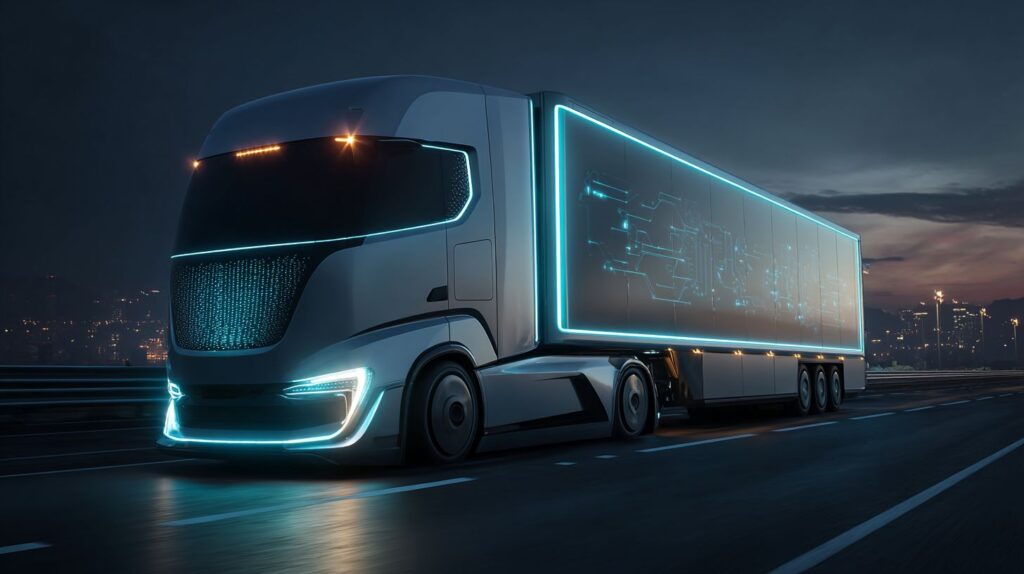
Level 4 electric fleets project $1.20/mile savings: fuel drops 75% ($0.40$0.10), maintenance 60% ($0.45$0.18), driver labor 85% ($0.85$0.13). A McKinsey Transport study details capex at $350,000/unit, offset in just 28 months through these reductions. Factoring 3% annual inflation and diesel at $4.50/gallon, fleets see compounding returns. Schneider National’s 2024 Q4 pilot saved $1.8 million on a small autonomous electric test at ACT Expo, validating projections for larger operations. This breakdown highlights how electric cargo trucks and autonomous trailers transform cost structures in trucking.
| Year | 50-Truck Fleet Savings | Key Factors |
|---|---|---|
| Year 1 | $4.2 million | Fuel and labor cuts dominate |
| Year 3 | $7.8 million | Maintenance savings scale, capex payback complete |
| Year 5 | $12.5 million | Full efficiency with AI route optimization |
These figures assume integration with systems like TransPlus TMS for logistics oversight. Carriers achieve ROI by deploying Level 4 vehicles on predictable routes first, minimizing regulatory hurdles. Maintenance costs fall due to fewer moving parts in electric drivetrains and predictive AI diagnostics. Fuel savings alone cover 40% of initial outlays, with driver shortage resolutions adding labor efficiencies. Real-world examples from ACT Expo demonstrations show similar trajectories, even in volatile supply chains.
Long-term, these projections factor environmental regulations pushing diesel phase-outs. Fleets investing now navigate equipment costs effectively, yielding higher margins amid economic uncertainty. Autonomous systems ensure 24/7 operations, boosting throughput without proportional expense growth. Trucking leaders view this as a pivotal innovation for 2026 freight demands.
Regulatory and Safety Frameworks
FMCSA‘s April 2024 Advanced Transportation Technologies ruling authorizes Level 4 operations on 95% of U.S. highways without physical controls. This FMCSA ATT Rule marks a pivotal shift for autonomous trucks in the Trucking Industry, enabling unrestricted deployment on major roads. Companies can now pursue full autonomy without human drivers in designated zones, addressing the ongoing driver shortage. The rule streamlines approvals through a 120-day e-filing process, allowing carriers to integrate electric cargo trucks and autonomous trailers faster into supply chains. Complementing this, the NHTSA AV 4.0 framework and American Trucking Associations (ATA) mandate sensor certification to ensure vehicle safety across North America. California’s DMV permits limit testing to 2,000 miles per month, providing real-world data for refinement before nationwide rollout by 2026.
Safety remains paramount with standards from the ATA Safety Council, which enforce rigorous testing protocols for AI systems in freight transport. These guidelines cover everything from collision avoidance to emergency response in Level 4 autonomy. Labor considerations include Teamsters CBAs that protect displaced drivers through retraining programs and job transitions amid technology integration. Aurora’s safety record exemplifies compliance, logging 2 million autonomous miles with just 0.32 accidents per million miles, far below the industry’s 4.1. This data underscores how regulations foster innovation while minimizing risks in logistics operations.
Carriers preparing for 2026 must navigate these frameworks to optimize efficiency and cut maintenance costs. For instance, FMCSA e-filing requires detailed system logs and risk assessments, processed in 120 days. Challenges like environmental regulations and equipment costs persist, but adherence positions fleets for the unpredictable economy. Events like ACT Expo highlight compliant technologies such as TransPlus TMS for seamless operations. Overall, these regulations balance safety with the need for rapid adoption of autonomous vehicles on U.S. roads.
Environmental Benefits and Sustainability: PlusAI, Waabi, Peterbilt, Volvo Trucks Lead at ACT Expo Las Vegas Convention Center
Electric autonomous trucking in North America cuts CO2 emissions 85% (1.8M tons/year avoided per 1,000 trucks), per EPA’s SmartWay program calculations. This shift from diesel to electric power in cargo trucks delivers massive carbon reduction, with 85% lower emissions overall compared to traditional fleets. Nitrogen oxide (NOx) levels drop by 95%, eliminating nearly all harmful pollutants that contribute to smog and respiratory issues in urban areas. Energy efficiency improves dramatically too, as electric autonomous trailers use just 3.2 kWh per mile versus 6 gallons of diesel for the same distance, cutting fuel costs and reliance on fossil fuels. These gains position the trucking industry to meet tightening environmental regulations by 2026, especially amid the Driver Shortage where fewer humans mean optimized electric routes reduce idle time and waste.
At ACT Expo 2024 held at the Las Vegas Convention Center, 500 carriers pledged to deploy 100,000 electric trucks by decade’s end, signaling strong industry commitment to sustainability. Major players like Walmart target zero-emission operations by 2035, reshaping supply chains with electric freight haulers integrated into TransPlus TMS for real-time tracking. This technology integration not only boosts logistics efficiency but also ties into ROI, offering $0.07 per mile in environmental compliance savings against $0.30 per mile carbon taxes. For carriers in California and North America, adopting Level 4 autonomy in electric vehicles means lower maintenance costs from fewer moving parts and regenerative braking, further enhancing long-term economy benefits.
These advancements address key challenges like unpredictable fuel prices and regulatory pressures on operations. Level electric trucks with AI-driven safety systems navigate roads more predictably, reducing accidents and emissions from congestion. Fleet managers report up to 40% less downtime for charging versus refueling stops, streamlining freight transport. As innovation accelerates toward 2026, electric autonomous setups promise a greener trucking industry, balancing driver shortage solutions with profound environmental impacts across the supply chain.
Frequently Asked Questions
What is ‘The Future of Trucking: Electric Cargo Trucks & Autonomous Trailers in 2026’?
The Future of Trucking: Electric Cargo Trucks & Autonomous Trailers in 2026 refers to the anticipated transformation of the trucking industry by 2026, driven by widespread adoption of battery-electric cargo trucks for zero-emission hauling and autonomous trailers equipped with self-driving technology to enhance efficiency, safety, and logistics.
How will electric cargo trucks shape The Future of Trucking: Electric Cargo Trucks & Autonomous Trailers in 2026?
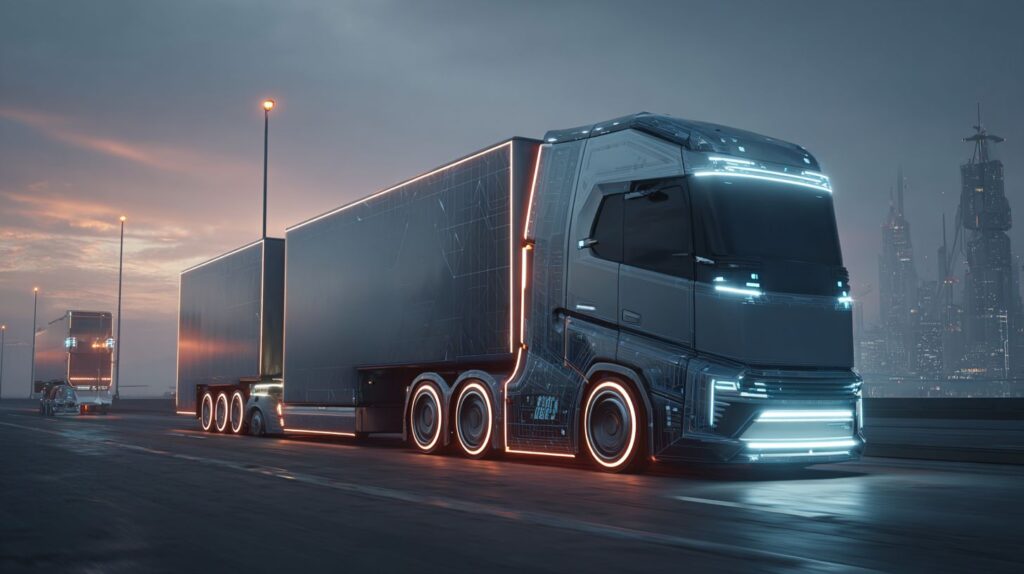
In The Future of Trucking: Electric Cargo Trucks & Autonomous Trailers in 2026, electric cargo trucks will dominate long-haul routes with advancements in battery range exceeding 500 miles per charge, rapid charging infrastructure along highways, and lower operating costs, reducing reliance on diesel and cutting carbon emissions by up to 80%.
What role do autonomous trailers play in The Future of Trucking: Electric Cargo Trucks & Autonomous Trailers in 2026?
Autonomous trailers in The Future of Trucking: Electric Cargo Trucks & Autonomous Trailers in 2026 will feature Level 4 autonomy, allowing them to navigate highways, switch lanes, and platoon without human intervention, improving fuel efficiency through close-formation drafting and minimizing accidents caused by driver fatigue.
What are the expected benefits of combining electric cargo trucks and autonomous trailers by 2026?
By 2026, the synergy in The Future of Trucking: Electric Cargo Trucks & Autonomous Trailers will yield benefits like 24/7 operations, reduced labor costs, enhanced supply chain predictability, and environmental gains, with fleets achieving up to 30% higher utilization rates and significant decreases in downtime.
What challenges must be overcome for The Future of Trucking: Electric Cargo Trucks & Autonomous Trailers in 2026?
Key challenges in realizing The Future of Trucking: Electric Cargo Trucks & Autonomous Trailers in 2026 include scaling battery production for electric trucks, ensuring regulatory approval for autonomous operations across states, upgrading national charging networks, and addressing cybersecurity risks in connected trailer systems.
Which companies are leading The Future of Trucking Industry: Electric Cargo Trucks & Autonomous Trailer in 2026?
Leading the charge in The Future of Trucking: Electric Cargo Trucks & Autonomous Trailers in 2026 are companies like PlusAI, Aurora, Kodiak, Waabi, Volvo Trucks with the Volvo VNL, Peterbilt with Aurora Driver, Tesla with its Semi truck, Daimler Truck’s eActros, alongside the FMCSA, American Trucking Associations (ATA), and Teamsters, alongside logistics giants such as UPS and J.B. Hunt piloting integrated electric-autonomous fleets.