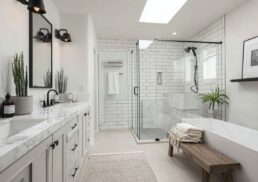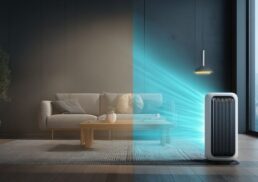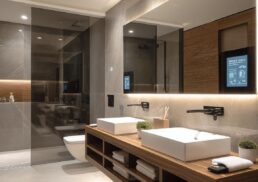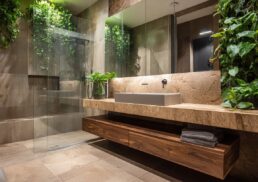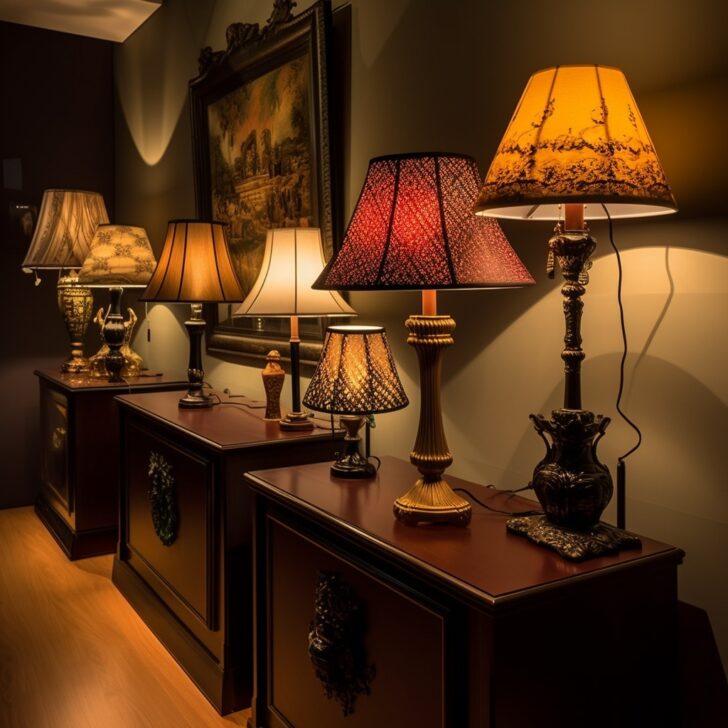
Illuminate your home lighting with our ultimate guide to lamps and lighting, expertly crafted to enhance every corner of your home decor. From the inviting glow of ambient lighting to the focused brilliance of task lighting, we’ll explore how Studio McGee and layered lighting techniques can transform your environment. Discover how to effectively utilize accent lighting and choose the right lamp, such as modern chandeliers or elegant wall sconces, to create a harmonious atmosphere that suits your lifestyle and needs. Let’s brighten your home together!
Table of Contents
Key Takeaways:
- Understanding the three main types of lighting-ambient, task, and accent-allows you to create a well-balanced and functional space tailored to your needs.
- Choosing the right lamp involves considering your space and understanding various lamp types to enhance both aesthetics and utility.
- Incorporating lighting techniques like layering and dimmers can significantly improve the ambiance and versatility of your lighting scheme.
The Importance of Proper Lighting
Lighting plays a critical role not only in visibility but also in shaping the emotional atmosphere of a given space, underscoring the necessity for effective lighting strategies.
Research indicates that warm lighting, typically around 2700K, can facilitate relaxation in living areas, while cooler tones, reaching up to 5000K, can enhance focus in work environments.
For example, a living room illuminated with soft amber lighting fosters comfort and encourages social interaction, making it ideal for gatherings. Conversely, an office utilizing LED lighting that simulates daylight, particularly with smart lighting options, can potentially increase productivity by as much as 20%, as reported by the American Psychological Association.
To optimize lighting conditions, it is advisable to incorporate dimmers or smart bulbs capable of adjusting color temperature in accordance with the time of day.
Types of Lighting
Comprehending the three primary types of lighting-ambient, task, and accent-is crucial for establishing a well-lit and balanced environment.
Ambient Lighting
Ambient lighting serves as the essential foundation for illumination in any room, ensuring that spaces are uniformly lit and conducive to daily activities.
To achieve optimal ambient lighting, it is advisable to incorporate multiple sources of light, including pendant lights and ceiling fixtures. Overhead ceiling fixtures, such as recessed lights or contemporary chandeliers, provide general illumination and can enhance the brightness of a room by as much as 50%.
Leveraging natural light through large windows or skylights further enriches the atmosphere while potentially reducing energy costs.
Additionally, for greater control over lighting conditions, one may consider integrating floor lamps or table lamps equipped with dimming features to enhance versatility.
The combination of these elements results in a well-lit and inviting environment, enhanced by layered lighting techniques, that can be adapted to accommodate a variety of activities and moods.
Task Lighting
Task lighting is designed to focus illumination on specific areas, such as under-cabinet lights in the kitchen, thereby enhancing functionality for activities such as reading or cooking.
To maximize the effectiveness of task lighting, it is advisable to utilize a combination of light sources.
- Under-cabinet lights, for instance, provide excellent illumination for kitchen countertops when positioned adequately to minimize shadows during cooking.
- In reading nooks, floor lamps with adjustable height can be beneficial; it is recommended to position them 15 to 20 inches above the seating surface to create a comfortable glow.
Additionally, employing adjustable desk lamps in home offices allows for precise control over light direction, which can significantly enhance productivity.
Collectively, these lighting options contribute to a well-lit and functional environment tailored to specific activities.
Accent Lighting
Accent lighting is designed to emphasize architectural features or decorative elements, thereby adding depth and visual interest to a room’s overall design.
To utilize accent lighting effectively, it is advisable to position wall-mounted fixtures in proximity to artwork or architectural details. For instance, adjustable LED spotlights can be employed to direct illumination onto a sculpture, thereby drawing attention and establishing a compelling focal point.
Alternatively, recessed lighting positioned above a textured wall can enhance its features and textures, thereby improving the overall aesthetic appeal.
Incorporating dimmer switches facilitates the adjustment of light intensity to create varying moods, thereby enhancing the versatility of the space.
Such strategic placement of accent lighting has the potential to increase the perceived value and ambiance of a room by as much as 30%.
Choosing the Right Lamp
Selecting the ideal lamp requires careful consideration of both functional and aesthetic elements to achieve a cohesive appearance within the designated space.
Consider Your Space
When selecting lamps, it is essential to consider the size, layout, and function of the space in order to achieve optimal illumination.
Commence by measuring the dimensions of the room to ascertain the appropriate lamp height and size. For example, in a cozy reading nook, one might choose a floor lamp that is approximately 60 to 65 inches tall, such as the Brightech Litespan.
In larger living areas, a statement chandelier, like the West Elm Globe, can serve as an eye-catching focal point. It is also important to evaluate the existing decor; stylish pendant lights, such as the Klara, are well-suited for modern kitchens, while vintage sconces complement more traditional spaces.
Achieving a balance between size, function, and aesthetic will ensure cohesive lighting throughout the home.
Understanding Lamp Types
Familiarizing oneself with various types of lighting, ranging from contemporary chandeliers to energy-efficient LED lamps and rattan lighting, can significantly enhance the ambiance of a home.
For instance, if the goal is to achieve a cozy, natural atmosphere, one might consider rattan lighting fixtures, which typically range in price from $50 to $200. These fixtures not only provide warm, diffused illumination but also introduce texture to the overall decor.
Conversely, LED lamps serve as an excellent choice for those prioritizing energy efficiency and longevity, with costs ranging from $10 to $60. Modern chandeliers offer a touch of elegance, often priced between $100 and $1,000, making them well-suited for dining areas or entryways.
Ultimately, striking a balance between style and functionality is essential when selecting the appropriate lighting for any space.
Learn more, How to choose the right lamp: a comprehensive guide for …
Lighting Techniques
The implementation of effective lighting techniques significantly enhances both the functionality and aesthetic appeal of any room, facilitating the creation of dynamic environments through strategic illumination.
Layering Light
Layering light involves the strategic combination of ambient, task, and accent lighting to establish a cohesive visual rhythm throughout a space, ensuring that each layer of lighting blends seamlessly. To effectively implement layered lighting, it is advisable to begin by installing soft LED ceiling lights to provide ambient illumination.
Subsequently, consider the addition of adjustable desk lamps to serve as task lighting in workspaces; models such as the BenQ e-Reading Lamp are exemplary options.
Furthermore, incorporating accent lighting, such as LED strip lights along shelves or behind a television, can enhance visual interest within the environment.
Utilizing dimmer switches on ambient lighting allows for brightness adjustment, while ensuring that task lighting is directed appropriately to prevent glare. This thoughtful combination not only enhances functionality but also elevates the overall aesthetic appeal of the space.
Using Dimmers and Smart Lighting
Incorporating dimmers provides enhanced control over light intensity, allowing for the customization of ambiance in accordance with various activities and moods.
Utilizing smart dimmers, such as those available in the Piper’s Picks Lighting Collection, not only increases the versatility of a room but also contributes to energy savings. For instance, intelligent dimmers have the potential to reduce energy consumption by up to 20% in comparison to traditional lighting solutions.
To install a smart dimmer, it is advisable to begin by turning off the power supply and removing the existing switch, allowing for greater control over your lighting systems. Following the manufacturer’s instructions, which typically involve connecting color-coded wires, the smart dimmer can be integrated. Subsequently, it can be synced with a smartphone application for convenient control.
Overall, this installation process usually takes about one hour and can significantly enhance the lighting experience.
Energy Efficiency
Energy efficiency has become a critical factor in lighting selections, significantly affecting both environmental impact and long-term cost savings.
LED vs. Incandescent
A comparison of LED and incandescent bulbs highlights significant distinctions in energy consumption, longevity, and light quality, which are critical factors for homeowners in making informed decisions about energy-efficient fixtures.
LED bulbs have an impressive lifespan of up to 25,000 hours, rendering them suitable for long-term use, whereas incandescent bulbs generally last only about 1,000 hours.
Furthermore, LED bulbs consume approximately 75% less energy, resulting in reduced electricity costs. For example, replacing a 60-watt incandescent bulb with a 10-watt LED can lead to savings of approximately $200 in energy expenses over the bulb’s lifespan.
In terms of light quality, LED bulbs provide superior brightness and enhanced color rendering, especially when combined with warm white bulbs or soft white bulbs., making them ideal for task lighting in kitchens as well as ambient lighting in living areas.
Frequently Asked Questions
What is ‘The Ultimate Guide to Lamps & Lighting: From Ambient to Task Illumination’ also highlights current lighting trends that include the use of Klara pendant fixtures and studio designs by Studio McGee.?
‘The Ultimate Guide to Lamps & Lighting: From Ambient to Task Illumination’ is a comprehensive resource designed to help individuals understand the various types of lighting, their purposes, and how to effectively use lamps to enhance different spaces in their homes or offices. This guide covers everything from basic lighting concepts to specific recommendations for ambient, task, and accent lighting, including stylish options like the lighting placement of kitchen island light fixtures.
Why is ambient lighting important according to ‘The Ultimate Guide to Lamps & Lighting: From Ambient to Task Illumination’?
According to ‘The Ultimate Guide to Lamps & Lighting: From Ambient to Task Illumination’, ambient lighting serves as the foundation of a room’s illumination. It provides a general light level that allows for visibility and comfort in a space. This guide emphasizes the necessity of ambient lighting in creating a warm and inviting atmosphere that sets the tone for the entire room, utilizing natural materials and organic shapes.
How can I choose the right task lighting as per ‘The Ultimate Guide to Lamps & Lighting: From Ambient to Task Illumination’?
‘The Ultimate Guide to Lamps & Lighting: From Ambient to Task Illumination’ suggests considering the specific activities you will perform in a space when selecting task lighting. It recommends focusing on brightness, color temperature, such as 2700K or 3000K, and the design of the lamp, which could include sculptural forms. to ensure that it meets your functional needs while also complementing your decor.
What are the key differences between ambient and task lighting in ‘The Ultimate Guide to Lamps & Lighting: From Ambient to Task Illumination’?
The key differences highlighted in ‘The Ultimate Guide to Lamps & Lighting: From Ambient to Task Illumination’ between ambient and task lighting are their purposes and effects, emphasizing design principles and the importance of lighting layers. Ambient lighting is intended to provide overall illumination, while task lighting is focused and concentrated, providing light for specific activities such as reading, cooking, or working.
How can accent lighting enhance a room according to ‘The Ultimate Guide to Lamps & Lighting: From Ambient to Task Illumination’?
‘The Ultimate Guide to Lamps & Lighting: From Ambient to Task Illumination’ explains that accent lighting is used to highlight specific features or areas within a room, such as artwork highlighted by accent lighting from brands like Abigail Ahern or Oak & Olive., such as artwork, architectural elements, or plants. By using accent lighting strategically, you can enhance the visual interest of a space and create a layered lighting effect that adds depth and drama.
What tips does ‘The Ultimate Guide to Lamps & Lighting: From Ambient to Task Illumination’ provide for layering different types of lighting?
This guide advises that layering different types of lighting-ambient, task, and accent-is crucial for achieving a well-balanced and functional lighting scheme, particularly with versatile lighting solutions like Linkind Smart Neon Rope Light. ‘The Ultimate Guide to Lamps & Lighting: From Ambient to Task Illumination’ recommends starting with ambient lighting, adding task lighting where needed for activities, and then incorporating accent lighting to highlight key elements, ensuring a cohesive and versatile lighting arrangement, ensuring a cohesive look with lighting aesthetics that resonate with luxury interiors.