Dreaming of Endless Vacations? Timeshares vs. Vacation Homes Deciding between timeshare ownership and a full vacation home can feel overwhelming, especially with ongoing maintenance fees and varying flexibility. Financial experts like Dave Ramsey warn against timeshare pitfalls, while Motley Fool contributor Maurie Backman highlights vacation home advantages. This guide compares benefits, costs, and lifestyle fits-including vacation club models-to help you select the ideal ownership option for lasting value.
Table of Contents
Key Takeaways:
- Timeshares offer shared access to resorts via fixed weeks or points, providing affordability and maintenance-free vacations, but they limit flexibility and can involve ongoing fees.
- Vacation homes provide full or fractional ownership for personal use, offering customization and potential appreciation, though they demand higher upfront costs and upkeep responsibilities.
- Choose timeshares for frequent, low-commitment getaways; opt for vacation homes if you seek control, equity building, and long-term family traditions.
What is a Timeshare?
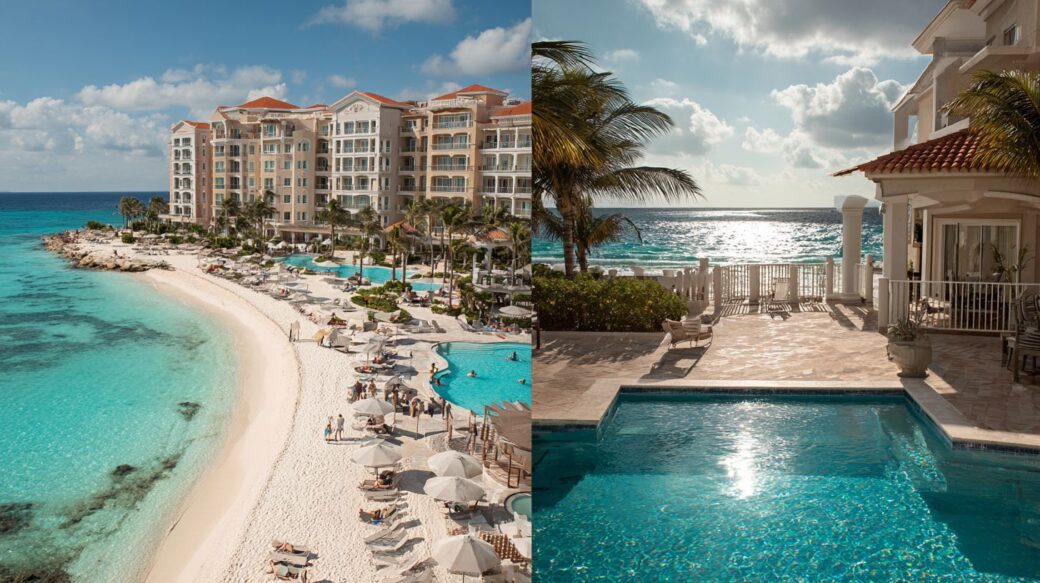
A timeshare constitutes shared ownership in a resort property, whereby purchasers acquire usage rights to utilize the property during specified periods through a deeded contract or right-to-use agreement. Members of the Marriott Vacation Club benefit from access to over 5,000 resorts across the global portfolio, a privilege established since the inception of the timeshare model in 1969.
Key Types: Fixed Weeks vs. Points Systems
Fixed-week timeshares require owners to commit to the same week each year at a designated home resort, such as the Disney Vacation Club’s seven-night accommodations in Orlando. In contrast, points-based systems, which account for 70% of new contracts according to ARDA’s 2021 and 2022 data, provide greater flexibility across more than 4,000 resorts, including floating-week options.
The choice between these options hinges on individual travel goals and preferences. Fixed-week arrangements offer predictability, ideal for establishing family traditions-for instance, reserving week 25 at the Hilton Hawaiian Village in Hawaii for approximately $20,000, with no blackout dates but limited scheduling flexibility.
Points-based programs, priced between $15,000 and $30,000, enable floating-week or biennial timeshare usage through systems like the Marriott Vacation Club, which can be redeemed for destinations such as Bali; however, blackout periods apply during peak seasons. ARDA reports an annual exchange rate of 15% for points.
| Feature | Fixed-Week | Points-Based |
|---|---|---|
| Purchase Price | Approximately $20,000 | $15,000-$30,000 |
| Scheduling | Same week annually; no blackouts | Flexible; subject to peak-season blackouts |
| Best For | Annual traditions | Diverse destinations |
| Pros | Guaranteed access | Exchange flexibility |
| Cons | Limited options | Challenges in resale |
Practical recommendation: Consider utilizing RCI or Interval International exchanges to evaluate options prior to signing a contractual agreement.
Benefits of Timeshares
Timeshares provide 20-30% savings on vacation costs through preferential discounted rates, as noted by Maurie Backman of The Motley Fool. Owners benefit from priority access to luxury resorts across more than 100 countries through extensive global portfolios, enhancing travel experiences.
According to the American Resort Development Association’s (ARDA) 2024 report, the average timeshare owner realizes annual savings of $2,500 on accommodations. For instance, a family utilizing their Holiday Inn Club Vacations membership for multigenerational journeys throughout Europe can access premium amenities such as spas and children’s clubs without incurring additional hotel surcharges.
In terms of return on investment (ROI), an initial outlay of $15,000 may generate up to $50,000 in value over a decade, facilitated by membership points in point-based usage systems and tax benefits including federally recognized tax deductions for interest on second homes, in accordance with IRS Form 1040 guidelines and IRS taxes provisions.
In contrast to outright ownership of full vacation properties, timeshares afford greater flexibility through exchange programs and hassle-free maintenance of amenities. This model eliminates obligations such as property taxes and ongoing upkeep while guaranteeing priority reservations during peak seasons.
Drawbacks of Timeshares
Timeshare ownership frequently entails escalating maintenance fees and initiation fees, averaging $1,200 annually according to ARDA’s 2022 data, further compounded by a resale market in which properties typically sell for 50-70% below their original purchase price, as cautioned by financial advisor Dave Ramsey.
Common pitfalls associated with timeshares include:
- Annual dues that rise 4-6% above the rate of inflation; this can be addressed by negotiating fixed caps within contracts, as recommended in Industry Dive reports.
- Blackout dates that restrict access during peak travel periods, such as the unavailability of summer reservations at Club Wyndham; greater flexibility can be achieved by participating in exchange programs offered through Interval International.
- High-pressure sales tactics that lead to buyer regret, with Federal Trade Commission (FTC) data indicating an 85% remorse rate among purchasers; buyers should leverage the 5-day rescission period to withdraw from agreements.
- Substantial capital loss upon resale; this risk can be mitigated by renting points through RCI, enabling cost recovery without the necessity of selling at a discount, as outlined in Industry Dive analyses.
Learn more, Understanding Timeshares: Ownership, Models, and Benefits.
What is a Vacation Home?
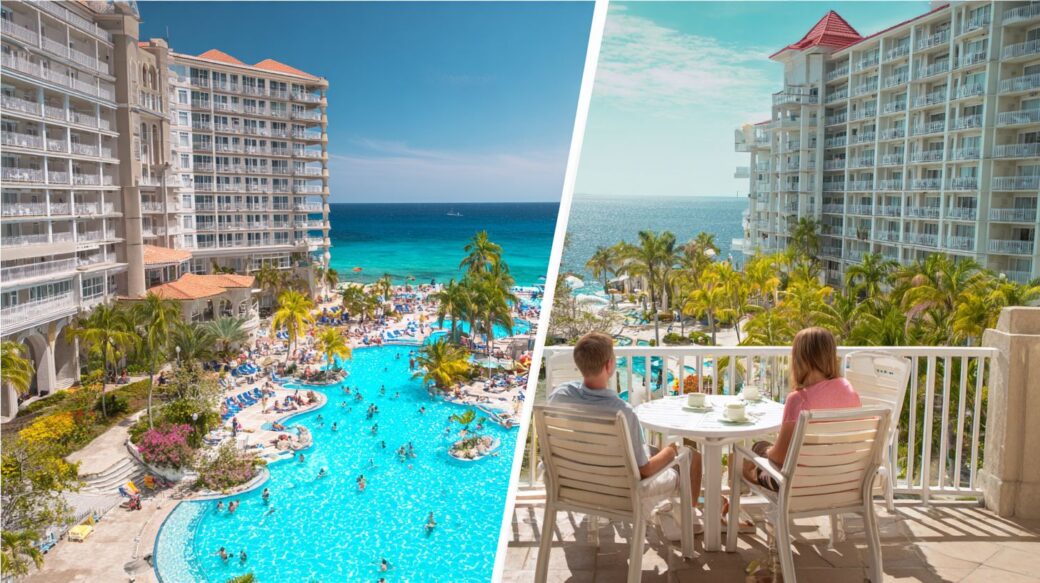
Owning a vacation home involves direct ownership of a secondary property in the real estate market, such as a luxury condominium in California under California DRE oversight. Owners bear full responsibility for all associated aspects, including property taxes that average $3,000 annually, as well as potential property appreciation rates of 5-7% per year, according to Zillow data.
Full Ownership vs. Fractional Shares
Full ownership provides complete control over a vacation property, requiring a purchase price exceeding $500,000 and a debt-to-income (DTI) ratio of no more than 43%, in accordance with Old National Lender guidelines. In contrast, fractional ownership enables cost-sharing, with investments typically ranging from $50,000 to $150,000 for luxury homes, which afford usage rights equivalent to one-eighth to one-quarter of the property.
To determine the most appropriate option, it is recommended to evaluate the key aspects outlined in the following comparison:
| Aspect | Full Ownership | Fractional Ownership |
| Upfront Cost | $500,000+ (e.g., a beachfront condominium in Hawaii, based on Zillow 2024 data) | $50,000-$150,000 (e.g., a one-eighth share in a luxury home in Aspen through Inspirato) |
| Annual Fees | Full property taxes, approximately 1.1% of the property value, plus maintenance costs of about $10,000 per year | Shared homeowners association fees of approximately $2,000 per year, plus usage-related fees |
| Usage | Unlimited access to your vacation spot | 4-12 weeks per year |
| Pros/Cons | Advantages: Potential for 8% annual appreciation (National Association of Realtors, 2024); complete control. Disadvantages: Elevated DTI requirement (43%); sole responsibility for upkeep. | Advantages: Lower barrier to entry for investors (DTI of 36% acceptable). Disadvantages: Shared decision-making governance; potential scheduling conflicts. |
Full ownership is particularly suitable for high-net-worth individuals and families seeking maximum flexibility, whereas fractional ownership aligns well with the needs of busy professionals desiring reduced financial commitment. It is advisable to consult with lenders, such as Old National, for tailored DTI calculations and financing guidance.
Benefits of Vacation Homes
Vacation homes typically generate an average annual rental income of $25,000 through vacation rental platforms such as Airbnb, Vrbo, Booking.com, or managed by Vacasa, according to 2024 data from AirDNA. This revenue provides extra income to offset property taxes and homeowners insurance while benefiting from an annual appreciation rate of 6%.
Owners can realize a return on investment (ROI) of 5-10% via rentals, which covers approximately 70% of holding costs, including mortgages and maintenance.
For example, a homeowner in California could list a $300,000 property on Vrbo during off-peak seasons, renting it for 20 weeks at $200 per night to produce $28,000 in gross revenue. After deducting 15% platform fees, the net income would amount to approximately $23,800, supporting long-term financial commitment.
This strategy provides opportunities for customization, such as incorporating personal elements like beach gear into listings, and facilitates the creation of family legacies. In contrast, timeshare arrangements often impose limitations on control while offering only discounted usage.
Under IRS Section 1031, owners may execute tax-deferred exchanges, thereby preserving capital gains for property upgrades in accordance with IRS guidelines.
Drawbacks of Vacation Homes
Purchasing a vacation home requires a substantial financial commitment and investment, including recurring expenses such as homeowners association (HOA) fees, which average $4,000 annually, and property taxes that can elevate total costs to more than $15,000 for a $500,000 property.
These obligations often exceed acceptable debt-to-income (DTI) ratios, surpassing the 36% threshold.
Plus financial considerations, vacation homes present distinct operational challenges relative to timeshares.
According to data from the American Resort Development Association (ARDA), timeshare owners experience 80% fewer maintenance issues.
The primary challenges associated with vacation home ownership include:
- Elevated maintenance requirements, such as a $10,000 roof replacement; these can be addressed through professional property management services like Vacasa, which charges 20% of rental income to ensure comprehensive upkeep.
- Periods of vacancy that diminish profitability, with average occupancy rates at 40%; implementing dynamic pricing tools on platforms like Booking.com can help achieve a target occupancy of 60%.
- Exposure to market volatility, as demonstrated by a 10% decline in property values in 2022 (per the National Association of Realtors report); risk mitigation strategies include obtaining insurance riders from providers such as State Farm to cover depreciation.
- Liquidity constraints, where property sales typically require six months or longer; professional staging can accelerate resale by up to 30%, according to Redfin analyses.
In contrast, timeshares eliminate these concerns by providing fixed usage weeks without the accompanying responsibilities of full ownership.
Financial Comparison: Costs and Value
According to the American Resort Development Association (ARDA) 2022 data, timeshares typically require an upfront investment of $22,900, along with annual fees averaging $1,100. In contrast, vacation homes involve a purchase price of approximately $450,000 and yearly maintenance costs of $12,000; however, they provide a 4% annual appreciation that can offset IRS taxes on rental income.
To determine the optimal choice between timeshares and vacation homes, it is advisable to assess long-term value through key financial metrics.
Timeshares frequently resell at a 50% loss, as indicated by analyses from The Motley Fool, Dave Ramsey, and Maurie Backman, though owners may achieve break-even in approximately seven years with consistent and frequent usage.
Vacation homes can generate an 8% return on investment through rental income, based on Zillow data, although the associated high debt-to-income (DTI) ratio-potentially up to 40%-may adversely affect loan eligibility.
| Attribute | Timeshare | Vacation Home | | Upfront Cost | $23,000 | $450,000 | | Ongoing Costs | $1,100 dues + fees | $12,000 (taxes, HOA fees, insurance) | | Resale Potential| 50% loss | 5% appreciation gain | | DTI Impact | Low | High at 40% | | ROI/Break-even | 7 years via usage | 8% from rentals |
To inform your decision, calculate projected usage patterns: if you anticipate vacationing for two or more weeks per year, timeshares offer significant upfront cost savings; for investment purposes, vacation homes facilitate equity accumulation, notwithstanding the tax implications.
Lifestyle Fit: Flexibility and Usage
Timeshares are particularly suitable for individuals with structured travel objectives, providing fixed-week access to a designated home resort, such as Holiday Inn Club or Marriott Vacation Club, to uphold family vacation traditions. In contrast, vacation homes offer unparalleled flexibility for spontaneous luxury accommodations across a variety of vacation destinations through options like Inspirato.
To determine which option best aligns with your lifestyle, follow these numbered steps:
- Assess your usage patterns: If you travel only two weeks per year, consider points-based timeshares to avoid blackout dates-allocate 30 minutes to auditing past trips using a simple spreadsheet.
- Align with your travel goals: Opt for fixed-week timeshares for predictable family escapes to Hawaii, or select a vacation home as a secondary property to enable global exploration, such as ownership in Tuscany for wine tours or in Bali for exotic getaways.
- Evaluate flexibility needs: Prefer floating-week timeshares over full ownership; mitigate overcommitment by initially testing options through short-term rentals.
Best practices entail conducting annual reviews of your arrangement, such as biennial timeshares for families with low usage, tailored to specific priorities like adventure or relaxation.
Choosing the Right Option for You
When selecting between timeshares and vacation homes, begin by evaluating your anticipated usage rights over a 10-year period. According to Industry Dive’s 2024 analysis, 60% of owners express regret over investments that do not align with their needs, a trend persisting since the timeshare industry’s inception in 1969.
To make an informed decision, adhere to the following structured steps:
- Evaluate your budget and debt-to-income (DTI) ratio, maintaining it below 36% for home purchases; utilize Old National Lender’s online calculator (approximately 1 hour). It is critical not to overlook resale values, as the American Resort Development Association (ARDA) indicates that timeshares depreciate 40% more rapidly than comparable properties.
- Conduct a trial through short-term rentals on platforms such as Airbnb or Vrbo, such as a one-month stay in the desired location. Omitting this step contributes to a 20% rate of abandonment, according to Travel Weekly.
- Examine contracts meticulously, with particular emphasis on usage rights within vacation clubs and compliance with regulations from entities like the California DRE (recommend allocating 2 hours for review with legal counsel).
- Forecast return on investment (ROI): Timeshares are suitable for those with limited additional income, whereas vacation homes provide potential appreciation (for instance, 5-7% annually, based on Zillow data).
Case study: A family transitioned from a Disney Vacation Club timeshare to a fractional ownership in a vacation home, such as one affiliated with Club Wyndham, resulting in enhanced flexibility and a 15% increase in satisfaction (Hospitality Net, 2023).
Learn more, Vacation Club vs. Timeshare vs. Second Home.
Frequently Asked Questions
What are the key differences between timeshares and vacation homes in the context of ‘Timeshares vs. Vacation Homes: Which Option Is Right for You?’

Timeshares involve shared ownership of a property where you purchase the right to use it for a specific period each year, often in weeks, while vacation homes mean full ownership of a property you can use anytime. The choice depends on your travel frequency and desire for flexibility.
How do the upfront costs compare in ‘Timeshares vs. Vacation Homes: Which Option Is Right for You?’
Timeshares typically have lower upfront costs since you’re buying a fraction of usage rights, often ranging from $10,000 to $30,000, whereas vacation homes require a full purchase price that can exceed $200,000, plus ongoing maintenance.
What are the ongoing expenses for timeshares versus vacation homes as discussed in ‘Timeshares vs. Vacation Homes: Which Option Is Right for You?’
Timeshares come with annual maintenance fees averaging $1,000, regardless of usage, while vacation homes involve property taxes, insurance, and repairs that you fully bear, potentially costing several thousand dollars yearly based on location and size.
Which option offers more flexibility according to ‘Timeshares vs. Vacation Homes: Which Option Is Right for You?’
Vacation homes provide complete flexibility as the owner, allowing spontaneous visits and rental income potential, whereas timeshares lock you into fixed weeks or points systems, limiting spontaneity but offering access to multiple resorts.
Are timeshares or vacation homes better for frequent travelers in ‘Timeshares vs. Vacation Homes: Which Option Is Right for You?’
For frequent travelers seeking variety, timeshares are ideal with exchange programs across global locations; vacation homes suit those who prefer returning to the same spot repeatedly for a personalized experience without sharing.
How can you decide if ‘Timeshares vs. Vacation Homes: Which Option Is Right for You?’ based on lifestyle?
Evaluate your budget, travel patterns, and maintenance tolerance: choose timeshares for cost-effective, hassle-free vacations if you travel predictably, or vacation homes for equity building and full control if you value ownership and long-term investment.