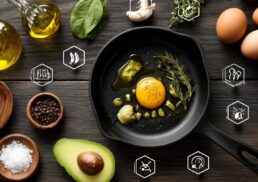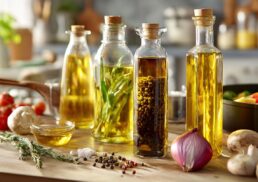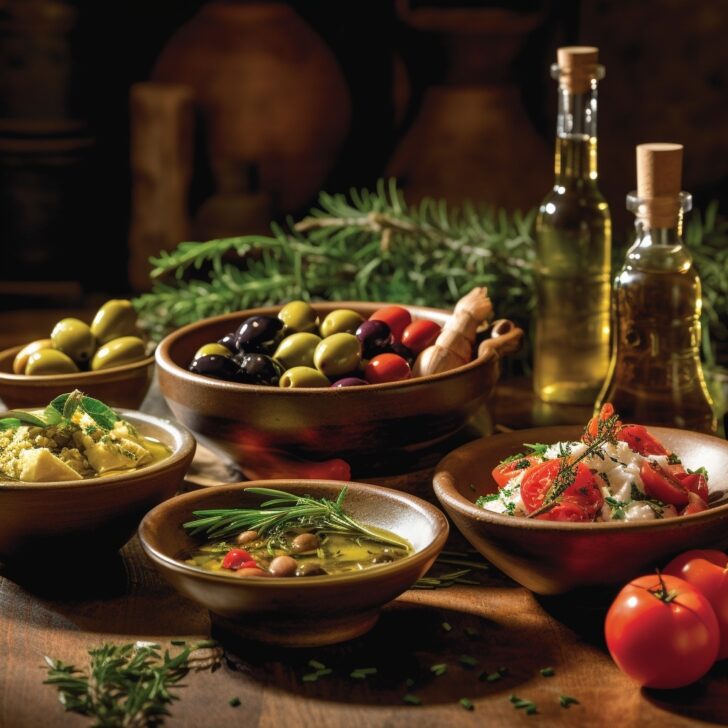
Mediterranean food is renowned for its vibrant flavors and health benefits, making it a cornerstone of the Mediterranean Diet and a key component of a Mediterranean lifestyle. In this article, we’ll explore ten must-try Mediterranean recipes that not only tantalize your taste buds but also promote a healthy Mediterranean Diet and lifestyle. From savory hummus to indulgent baklava, these delicious recipes celebrate the rich culinary heritage of the region while offering nutritious options that everyone can enjoy. Get ready to embark on a delicious journey through Mediterranean cuisine!
Table of Contents
Key Takeaways:
- Mediterranean cuisine is renowned for its diverse flavors, showcasing ingredients like olive oil, fresh vegetables, and herbs, which contribute to its healthy profile.
- Must-try dishes include Hummus, Paella, and Moussaka, each offering unique regional tastes and preparation methods that reflect their cultural origins.
- Classic desserts like Baklava highlight the region’s sweet offerings, with rich ingredients like nuts and honey, making them irresistible to any food lover and complementing Mediterranean meals.
1. Hummus
Hummus is a fundamental component of Mediterranean diets, primarily composed of blended chickpeas, olive oil, garlic, and lemon juice.
This nutritious dip is rich in protein and healthy fats, making it a beneficial addition to a well-balanced Mediterranean diet.
Origins and Ingredients
Originating from the Levant region, traditional hummus is crafted from a selection of simple yet flavorful ingredients: chickpeas, tahini, garlic, olive oil, and lemon juice.
Chickpeas, a key ingredient in many Mediterranean recipes, serve as a creamy base and are an excellent source of protein and fiber, both of which are essential for promoting satiety and supporting digestive health.
Tahini, derived from ground sesame seeds, imparts a nutty flavor and healthy fats, thereby enhancing the dish’s texture and nutritional profile. Garlic adds a robust aroma and may also provide immune-boosting benefits.
Fresh lemon juice introduces brightness to the dish, effectively balancing the richness with its acidity.
Furthermore, high-quality olive oil not only elevates the flavor but is also abundant in antioxidants. Collectively, these ingredients create a harmonious blend that is both delectable and nourishing.
Variations of Hummus
Hummus can be appreciated in numerous variations, with popular alternatives such as roasted red pepper hummus and beet hummus, each providing distinct flavors and health benefits.
To prepare roasted red pepper hummus, one should blend one can of drained chickpeas with two roasted red peppers, tahini, lemon juice, garlic, and a splash of high-quality olive oil until achieving a smooth consistency. This variety imparts a sweet and smoky flavor to the traditional dip.
Conversely, beet hummus combines cooked beets with chickpeas, tahini, and a hint of cumin to create a vibrant and earthy taste. To achieve this colorful variation, one can substitute half of the chickpeas with an equal amount of cooked, peeled beets, thereby enhancing both the visual appeal and nutritional content.
Both variations can be garnished with olive oil and fresh herbs to enhance their flavor profile.
2. Paella
Paella, a beloved Mediterranean rice dish that originated in Valencia, Spain, is renowned for its diverse regional variations and its vibrant saffron-infused flavors.
Regional Variations
The allure of paella is evident in its regional variations, notably the traditional Valencian paella, which features rabbit and snails, as well as the seafood paella, which is abundant with shrimp and mussels, making it a staple in Mediterranean cuisine.
Plus these classic versions, one can explore other delightful adaptations such as mixed paella, which combines both meat and seafood, and vegetable paella, which serves as an excellent lighter option.
To prepare an authentic Valencian paella, it is essential to use a wide, shallow pan and select high-quality ingredients such as Bomba rice, saffron for both color and flavor, and a sofrito base consisting of garlic and tomato.
Timing is of utmost importance; it is advisable to allow each layer of flavor to develop fully before introducing the rice. For optimal results, maintaining a consistent heat level is crucial, and it is recommended to refrain from stirring once the rice has been added. This technique encourages the formation of socarrat, the prized crispy bottom layer.
Cooking Techniques
Key cooking techniques for paella involve the careful layering of ingredients and the achievement of socarrat, which is the desired crispy bottom layer of rice.
To attain optimal texture and flavor in paella, it is advisable to begin by toasting the rice in olive oil for a few minutes. Next, layer the ingredients, starting with a base of sofrito, consisting of sauted onions, garlic, and tomatoes, followed by vegetables and proteins such as chicken or seafood.
Subsequently, pour in the broth, ensuring that the rice is evenly submerged. It is essential to maintain a steady simmer for approximately 18 to 20 minutes, refraining from stirring once the liquid has been added. To create the socarrat, increase the heat for a few minutes. Finally, allow the dish to rest, covered, for about 5 minutes before serving.
3. Falafel
Falafel, which are deep-fried balls composed of ground chickpeas and various spices and herbs, is a highly regarded street food throughout the Mediterranean region, esteemed for its flavorful and nutritious characteristics.
Preparation Methods
Preparation methods for falafel typically involve soaking chickpeas overnight, blending them with various herbs and spices, and subsequently frying or baking them to achieve a crispy exterior.
To prepare traditional falafel, one should begin by soaking one cup of dried chickpeas in water for a duration of 8 to 12 hours. After draining the soaked chickpeas, blend them with a small onion, a handful of parsley, garlic, cumin, salt, and pepper until the mixture reaches a coarse consistency while still holding together.
For frying, heat oil to 350 degreesF (175 degreesC) and fry portions of the mixture, approximately the size of golf balls, for about 4 to 5 minutes until they are golden brown.
For a healthier alternative, preheat the oven to 375 degreesF (190 degreesC) and bake the formed patties for 20 minutes, turning them halfway through. This method produces a deliciously crispy texture while using less oil.
4. Moussaka
Moussaka is a classic Mediterranean dish characterized by its distinct layers of eggplant, minced meat, and bchamel sauce.
This dish provides a comforting and substantial meal option.
Layering Techniques
Mastering the layering technique is crucial for achieving a successful moussaka, as each layer significantly contributes to the dish’s overall flavor and texture.
Begin by pre-cooking the eggplant to eliminate excess moisture. Slice the eggplant into 1/2-inch rounds, lightly salt them, and allow them to sit for 30 minutes before rinsing and grilling to attain a tender texture.
Next, prepare the meat sauce by sauting onions and garlic in olive oil, followed by the addition of ground beef or lamb, cooking until the meat is browned. Incorporate chopped tomatoes, tomato paste, and seasonings such as cinnamon and oregano to enhance the flavor profile, allowing the mixture to simmer for approximately 30 minutes.
Finally, spread a creamy bchamel sauce, made from butter, flour, milk, and egg yolk, over the top layer before baking. This step ensures a rich and cohesive flavor throughout the dish.
5. Ratatouille
Ratatouille is a classic Provenal vegetable dish that highlights the diverse selection of seasonal vegetables typical of Mediterranean cuisine and embodies the plant-based aspect of the Mediterranean Diet.
Seasonal Vegetable Use
Ratatouille achieves its optimal flavor and nutritional value when prepared with seasonal vegetables such as zucchini, bell peppers, and eggplant. To create a vibrant ratatouille, it is advisable to adapt the ingredients based on local harvests.
For instance, if zucchini is out of season, summer squash can serve as an appropriate substitute. In lieu of bell peppers, one may consider using roasted tomatoes or cherry tomatoes to impart a sweeter taste. Should eggplant be unavailable, mushrooms can be utilized as a replacement, contributing an earthy flavor profile.
Cooking these vegetables in olive oil, along with seasoning them with salt and herbs such as thyme and basil, and allowing them to simmer until tender, creates a delightful and fresh dish that can be enjoyed throughout the year while also supporting local farmers.
6. Tzatziki
Tzatziki is a refreshing yogurt-based dip that is composed of cucumber, garlic, and herbs, offering a cooling contrast to spicy Mediterranean dishes and is perfect for serving with grilled meats and fresh salads.
To prepare tzatziki, begin by grating one cucumber and draining any excess moisture. Combine this with 2 cups of Greek yogurt, 2 minced garlic cloves, one tablespoon of olive oil, and a handful of freshly chopped dill or mint. Season the mixture with salt and pepper to taste.
Tzatziki pairs exceptionally well with grilled meats such as souvlaki or gyros, and it also complements fresh pita bread. Additionally, it can serve as a crisp dressing for salads.
For optimal flavor, it is advisable to keep tzatziki refrigerated.
7. Spanakopita
Spanakopita is a traditional Greek pastry characterized by its delicious filling of spinach, feta cheese, and herbs, all enveloped in flaky phyllo dough, which contributes to its popularity as an easy appetizer in Mediterranean cuisine.
To prepare spanakopita, begin by preheating the oven to 375 degreesF (190 degreesC). In a skillet, saut one finely chopped onion in olive oil until it becomes translucent. Subsequently, incorporate 10 ounces of fresh spinach into the skillet, cooking until wilted, and allow the mixture to cool.
In a separate bowl, combine 8 ounces of crumbled feta cheese, one beaten egg, and a handful of chopped dill or parsley to enhance the flavor profile.
Next, layer 6 to 8 sheets of phyllo dough, ensuring to brush each sheet with melted butter. Once the layers are prepared, place the filling onto the dough, fold it over, and proceed to bake for 30 to 35 minutes or until the pastry achieves a golden brown color. This delightful dish is best enjoyed warm.
8. Dolmas
Dolmas, also known as stuffed grape leaves, represent a traditional Mediterranean dish characterized by a filling that typically includes rice, herbs, and occasionally meat, reflecting the Mediterranean lifestyle’s emphasis on fresh ingredients.
To prepare dolmas, one should begin with a filling composed of rice, pine nuts, and fresh herbs such as dill and parsley.
For a wholesome vegetarian option, combine:
- 1 cup of rice
- cup of pine nuts
- 2 tablespoons of olive oil
- A selection of herbs
Then carefully wrap the mixture in blanched grape leaves.
For those who prefer a protein-rich meat variant, incorporating pound of ground lamb or beef into the filling is recommended. The filled rolls should be steamed for approximately 45 minutes and served alongside yogurt sauce to create a delightful contrast of flavors.
9. Shakshuka
Shakshuka is a tasty savory dish characterized by poached eggs nestled in a robust spicy tomato sauce, and it is commonly enjoyed as a substantial breakfast or brunch option in Mediterranean food regions.
- To prepare shakshuka, begin by sauting onions and garlic in olive oil until they are tender.
- Next, incorporate bell peppers and continue to cook for several additional minutes before adding cumin, paprika, and cayenne pepper to introduce a level of heat.
- Subsequently, pour in crushed tomatoes and allow the mixture to simmer for approximately 10 minutes.
- Create small wells in the sauce and gently crack the eggs into these wells.
- Cover the pan and cook until the eggs are poached to the desired doneness.
For variations, one might consider incorporating spinach or feta cheese, or experimenting with spices such as harissa to enhance the dish’s flavor profile, making it an even more delightful example of Mediterranean cuisine. Serve shakshuka with crusty bread to absorb the exquisite sauce.
10. Baklava
Baklava is a decadent dessert characterized by layers of phyllo pastry, filled with a mixture of nuts and sweetened with honey.
This exquisite dish exemplifies the indulgent aspects of Mediterranean cuisine and is a perfect representation of Mediterranean Diet recipes.
Serving Suggestions
Baklava is traditionally served with a light dusting of powdered sugar, accompanied by a side of Negroni or aromatic Turkish tea, which enhances its rich flavors.
To further elevate the baklava experience, one might consider pairing it with a scoop of velvety vanilla ice cream or a slice of tangy citrus sorbet, providing a refreshing contrast. A glass of aromatic Turkish tea, sweetened to individual taste, complements the sweetness of the baklava and adds a sense of warmth.
Alternatively, serving it alongside a robust espresso can effectively cut through the richness and enhance the dessert’s nutty flavors.
For a more festive presentation, baklava can be accompanied by desserts infused with rose or orange blossom, creating a delightful layered tasting experience.
Learn more, 21 Authentic Mediterranean Food Recipes.
Frequently Asked Questions
What are the Top 10 Mediterranean Dishes Everyone Should Try?
The Top 10 Mediterranean Dishes Everyone Should Try include classics like hummus, falafel, moussaka, paella, Greek salad, ratatouille, tzatziki, baba ganoush, spanakopita, shawarma, and seafood risotto. These dishes represent the rich culinary diversity of the Mediterranean region and showcase the benefits of following a Mediterranean Diet.
Why should I explore the Top 10 Mediterranean Dishes Everyone Should Try?
Exploring the Top 10 Mediterranean Dishes Everyone Should Try allows you to experience a variety of flavors, ingredients, and cooking techniques. These dishes are often healthy, featuring fresh vegetables, lean proteins, legumes, and heart-healthy fats, making them both delicious and nutritious.
Are the Top 10 Mediterranean Dishes Everyone Should Try vegetarian-friendly?
Many of the Top 10 Mediterranean Dishes Everyone Should Try are vegetarian or can be easily adapted. Dishes like hummus, falafel, Greek salad, and ratatouille are naturally plant-based, while others can be modified to suit vegetarian diets.
What ingredients are commonly used in the Top 10 Mediterranean Dishes Everyone Should Try?
The Top 10 Mediterranean Dishes Everyone Should Try often feature ingredients like olive oil, garlic, tomatoes, fresh herbs (such as basil and parsley), chickpeas, eggplant, and various spices. These ingredients contribute to the vibrant flavors characteristic of Mediterranean cuisine.
Where can I find the Top 10 Mediterranean Dishes Everyone Should Try?
You can find the Top 10 Mediterranean Dishes Everyone Should Try at Mediterranean restaurants, local food festivals, or international markets that highlight Mediterranean food. Many of these dishes are also easy to prepare at home with the right recipes and ingredients.
Can I make the Top 10 Mediterranean Dishes Everyone Should Try at home?
Absolutely! Making the Top 10 Mediterranean Dishes Everyone Should Try at home is both fun and rewarding, especially with easy meals that highlight the Mediterranean Diet. Many recipes are easily accessible online, and you’ll find that the ingredients are often simple and wholesome, perfect for cooking enthusiasts of all skill levels.