Discover why Kosovo tops travel lists in 2026, blending rich history, stunning natural beauty, and vibrant culture. From Pristina‘s bustling historic core and Newborn Monument to Prizren‘s Prizren Fortress vistas and Rugova Canyon‘s thrilling hikes, this top 10 guide uncovers must-do experiences. Unlock insider tips for an unforgettable journey through Kosovo’s timeless allure.
Table of Contents
Key Takeaways:
- Explore Pristina’s historic core and Newborn Monument for urban revival vibes, blending modern Kosovo energy with rich history.
- Hike Rugova Canyon and ski Brezovica Mountains to immerse in stunning nature reserves and thrilling adventure trails.
- Visit Prizren Fortress, Visoki Deani Monastery, and savor rakija tastings to dive deep into medieval tales and local culture.
1. Explore Pristina’s Historic Core
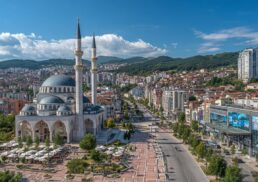
Pristina’s historic core blends Kosovo War symbolism with modernist architecture, where the Newborn Monument marks independence rebirth amid 300,000 residents’ daily life. As Kosovo’s vibrant capital, Pristina pulses with energy from bustling cafes to grand public spaces. This area captures the nation’s resilient spirit, drawing visitors to its mix of raw history and forward-looking designs. Walk these streets to feel the heartbeat of Albanians and diverse communities rebuilding after the Kosovo War. The core serves as a gateway to understanding Kosovo’s path from Ottoman rule to modern statehood, surrounded by lively markets and green parks.
Start your exploration early to avoid crowds and catch the city awakening with fresh food stalls offering byrek pastries. The compact layout makes it ideal for pedestrians, connecting key sites like the National Library and government buildings. Local hospitality shines through as residents share stories of the 1999 Kosovo War era. Safety remains high for tourists, with well-lit paths and police presence. This district embodies Pristina’s role as a hidden gem in the Balkans, blending history with everyday culture.
For a deeper dive, join guided tours that highlight lesser-known plaques commemorating independence. Photographers love the contrasts of concrete brutalism against colorful street art. Extend your visit to nearby old town vibes in adjacent neighborhoods of the bazaar, sampling rakia with locals. Pristina’s core sets the stage for iconic sites like monuments and libraries, offering an authentic taste of Kosovo’s urban revival without needing a car.
Newborn Monument and Urban Revival
The 6.6m Newborn Monument, unveiled in 2008, symbolizes Kosovo’s 2008 independence with annual repainting by artists like David Lynch collaborator Dren Maloku. This yellow sculpture baby draws over 500,000 visitors yearly as per 2023 stats, standing as a beacon of hope post-Kosovo War. Positioned in a lively square, it anchors Pristina’s urban revival, surrounded by cafes where locals debate politics amid the Balkans spirit. Capture the best shots at golden hour from Mother Teresa Boulevard, when light bathes the figure in warm tones against the city skyline.
From the monument, follow a 15-minute walking route north to the National Library of Kosovo, a beacon of history, a Saarinen-inspired marvel with 99 domes resembling intertwined fingers or traditional hats. Designed by Croatian architect Andrija Mutnjakovi, its 1980s brutalist style honors Balkan folklore while housing rare manuscripts on Ottoman and Serbian Orthodox history. Download the Kosovo Heritage AR app to overlay UNESCO heritage images on the structure, revealing construction secrets like its earthquake-resistant base. This path passes street vendors selling qofte meatballs, enhancing the sensory experience.
The library’s helipad roof offers panoramic views on select days, tying into Pristina’s modernist ethos. These sites showcase Kosovo’s blend of natural beauty in urban form and cultural depth. Pair your visit with a stop at nearby ethnographic museums for artifacts from the bazaar era. This route provides actionable insights for travelers seeking authentic encounters amid Pristina’s growth as a safe, welcoming hub in the Balkans.
2. Visit Prizren Fortress
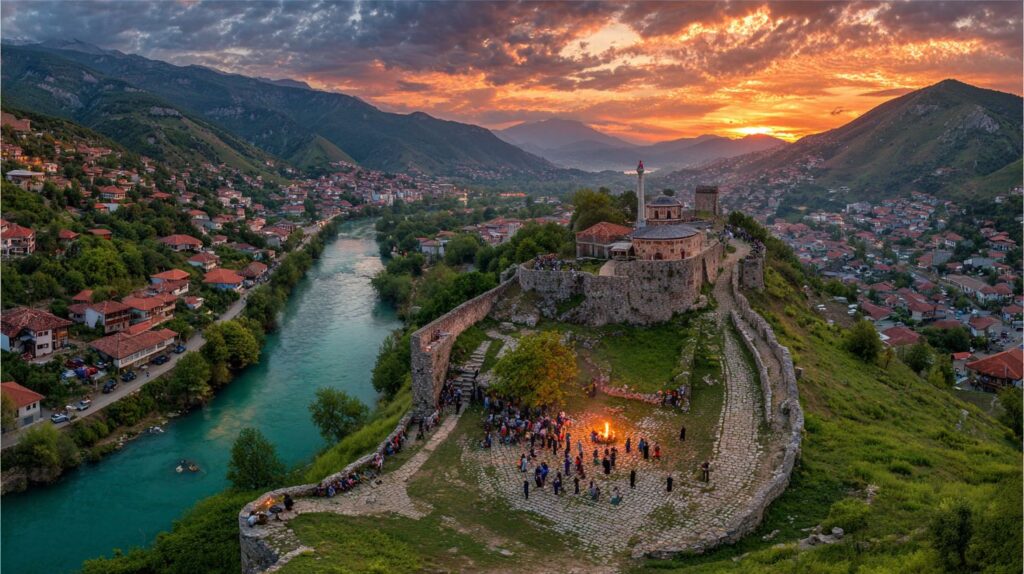
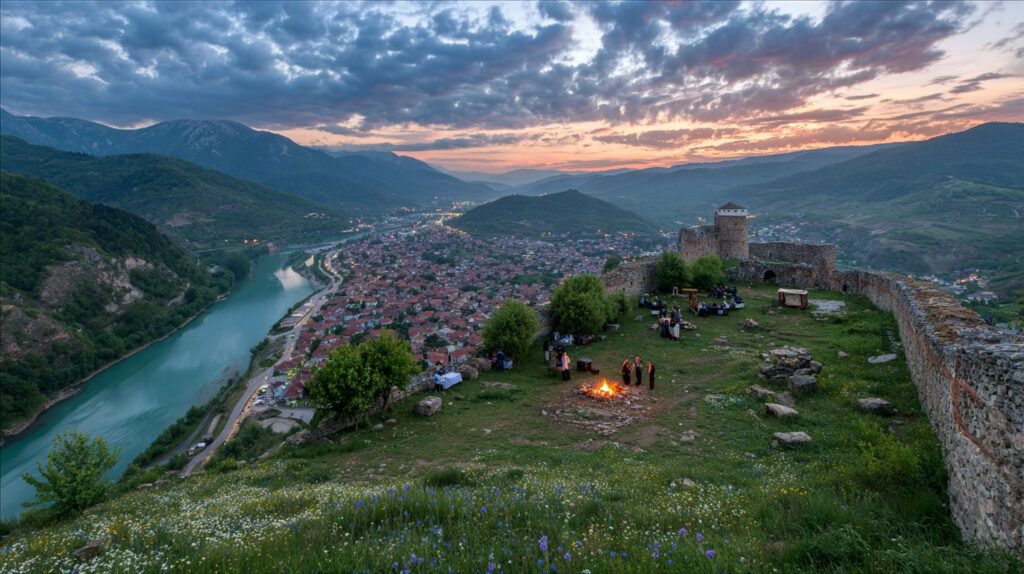
Perched 400m above Prizren, this 4th-century Illyrian Prizren Fortress offers unmatched Balkans vistas across old town and Sinan Pasha Mosque. Originally built by Illyrian tribes for defense, it evolved through Byzantine reinforcements in the 6th century, then Serbian expansions in the 14th century under Stefan Duan. Ottoman forces captured it in 1455, adding thick walls and towers that still stand. Its strategic location overlooks the confluence of rivers, guarding vital trade routes in Kosovo. Today, visitors explore courtyards with ancient cisterns and enjoy sweeping views of the UNESCO heritage old town. The fortress symbolizes layers of Kosovo history, from pagan rituals to Christian monasteries nearby like Visoki Deani. Local guides share stories of resilience during the Kosovo War. Plan a visit in 2026 for restored paths and cultural events during Prizren’s summer festivals.
This hidden gem in Prizren draws hikers and history buffs seeking authentic Balkan experiences. Pair your trip with a walk through the bustling bazaar, tasting Ottoman-influenced food like flija pancakes. The site’s safety is excellent, with family-friendly access and nearby hospitality in guesthouses. For deeper insights, join tours covering Serbian Orthodox influences and Albanian traditions. Sunset here captures the beauty of Shar Mountains in the distance.
Panoramic Views and Medieval Tales
Climb 15-minute trail to fortress ramparts where Skanderbeg defeated Ottomans in 1443, capturing 30,000 troops per Ottoman chronicles. These walls witnessed epic clashes, offering panoramic views of Prizren‘s red-roofed old town and distant Rugova Canyon. Use the AR reconstruction app to visualize medieval life, overlaying ghostly images of Serbian banners and Ottoman cannons on your phone screen. The timeline traces origins to Illyrian settlers in 350 BC, fortified by Serbs in the 14th century, then conquered by Ottomans in 1455. Capture perfect sunset shots at coordinates 42.2047 degreesN, 20.7392 degreesE, when golden light bathes Sinan Pasha Mosque.
Access the Prizren Fortress via these routes:
- Stone path from Shadervan Square, 2km with 45min moderate hike through olive groves and past authentic Albanian homes.
- Road access for mobility needs, take a taxi for about EUR5 from old town center, arriving at the upper parking lot.
Expert tip: Visit early morning for quiet meditation amid history, or evening for live folk music events. Nearby, explore Graanica Monastery or Patriarchate of Pe for more Serbian Orthodox culture. This spot blends natural beauty with tales of Kosovo’s resilient spirit.
3. Discover Germia Park in Pristina
Pristina’s 600-hectare Germia Park features 20km hiking trails, Olympic pool, and thermal springs used since Roman Dardania era. This green oasis on the city’s edge offers a perfect escape for nature lovers visiting Kosovo. Families and hikers alike enjoy its mix of history and outdoor activities in this natural beauty. The park’s springs drew ancient Romans for their healing properties, and today they feed modern pools and spas. Surrounded by Pristina‘s urban buzz, Germia provides fresh air and scenic views of the Sharr Mountains and distant Prokletije on clear days. Plan a full day here to combine relaxation with exploration, especially if staying in the capital.
Explore four distinct trails tailored to different fitness levels, each showcasing the park’s natural beauty. The Family Loop covers 3km on easy paths with minimal elevation, ideal for kids and picnics near playgrounds. The Waterfall Trail spans 7km at moderate difficulty, leading to cascading falls amid lush forests. Serious hikers tackle the Summit Challenge, a 12km route with 500m elevation gain to panoramic viewpoints. A shorter Thermal Springs Path loops 4km gently, passing Roman-era ruins and bubbling waters. Biodiversity thrives here with over 350 plant species, rare orchids, and wildlife like brown bears in remote areas of the Accursed Mountains, plus deer and birds. Wear sturdy shoes and bring water for safety on longer paths.
Germia hosts vibrant seasonal events that highlight local culture. Mark your calendar for the jazz festival in June, drawing Balkan musicians to open-air stages. Summer brings folk dance performances, while autumn features harvest markets with Kosovo honey and cheeses. Winter offers cross-country skiing on snow-dusted trails. These gatherings showcase Albanian hospitality and authentic traditions amid the park’s serenity. Combine a visit with nearby sites like the Newborn Monument for a full Pristina day. Trails stay open year-round, but spring wildflowers make it magical. This hidden gem proves Kosovo’s natural side shines even in the capital.
4. Hike Rugova Canyon
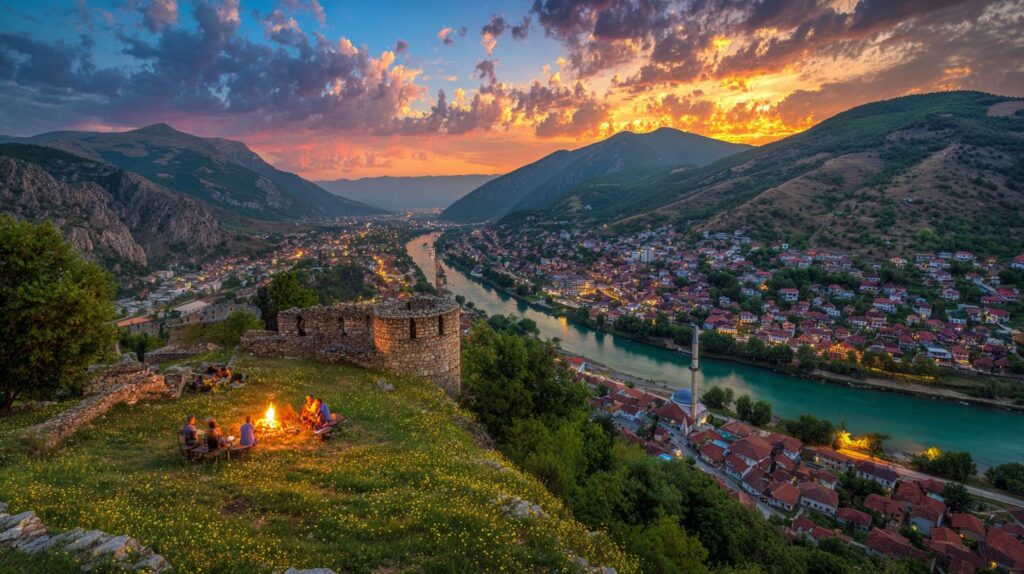
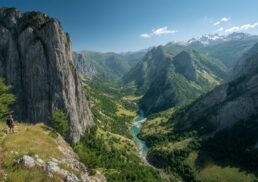
Rugova Canyon’s 25km limestone gorge plunges 1,000m deep, rivaling Europe’s grandest canyons with 42 glacial lakes. Nestled in Rugova National Park, this area holds a UNESCO tentative listing for its stunning natural beauty and biodiversity. The surrounding Rugova Valley features 14th-century Kulla Towers, ancient stone structures built by Albanian clans for defense during Ottoman times. These towers dot the landscape, offering glimpses into Kosovo‘s rugged history. Trails range from easy walks along the canyon floor to challenging ascents into the Prokletije Mountains. Visitors often spot golden eagles soaring above the White Drin River. Peja, the nearby town, serves as a base with authentic Albanian hospitality and local food like flija. Safety remains high, making it ideal for families or solo hikers exploring this hidden gem in the Balkans.
Integrate a visit to Rugova Canyon with trips to Prizren or Pristina for a mix of nature and culture. Hike in spring for blooming wildflowers or autumn for fewer crowds. Pack water and snacks, as facilities are sparse. The canyon’s caves and waterfalls add thrill, while Serbian Orthodox sites like Visoki Decani monastery nearby blend history with adventure. Rugova showcases Kosovo‘s unspoiled mountains and warm community spirit.
Guided tours via TourRadar ensure expert navigation through this dynamic terrain. Expect variable weather, so layers are essential. This destination captures the essence of national parks in Kosovo, from Gjeravica peak to Sharr Mountains vistas. Plan your hike to include cultural stops in Gjakova‘s old town bazar for Ottoman-era charm.
Adventure Trails and Nature Reserves
Trek the 4-hour Rugova Canyon Trail passing 7 waterfalls and Velika Reka Cave system spanning 10km underground. Rugova National Park offers diverse guided hikes booked via TourRadar, perfect for all levels amid Prokletije Mountains‘ peaks. Trails wind through nature reserves teeming with endemic flora and fauna, including rare orchids and chamois. Permits cost EUR3/day, available at park entrances near Peja. Eagle spotting peaks from April to June, when nesting pairs return to cliff faces.
Essential gear includes sturdy hiking boots, trekking poles, rain jacket, sunscreen, and a daypack with 2L water. Difficulty ratings range from 1-5, with level 1 suiting beginners. Here are top options:
- Canyon Base: 6km, EUR25, 3hr, rating 2.
- Te Peak: 15km, EUR60, 8hr, 2,400m elevation, rating 4.
- Small Rugova Lakes: 22km, EUR90, rating 5.
These paths reveal hidden caves and glacial lakes, connecting to broader Kosovo attractions like Decani or Mitrovica.
Combine hikes with cultural immersion, such as Patriarchate of Pe or Sinan Pasha Mosque visits. Local guides share stories of the Kosovo War era and Albanian traditions. Stay hydrated near White Drin sources, and respect trail etiquette for sustainable tourism in this UNESCO tentative site. Rugova’s trails deliver authentic adventure in Kosovo‘s mountainous heart.
5. Tour Visoki Deani Monastery
UNESCO-listed Visoki Deani (UNESCO 2004) preserves 14th-century frescoes rivaling Giotto, protected by 500+ KFOR troops. Nestled in the Rugova Valley near Peja, this Serbian Orthodox site stands as a pinnacle of medieval art and history in Kosovo. Built between 1327 and 1350 by King Stefan Deanski, the monastery showcases intricate stone carvings and vibrant paintings depicting biblical scenes. Visitors from Pristina or Prizren often combine this trip with hikes in Rugova Canyon, blending spiritual reflection with natural beauty. The site’s isolation enhances its serene atmosphere, making it a hidden gem for those seeking authentic Balkan culture.
Guided tours offer deep insights into the monastery’s legacy. The monastic tour lasts 45 minutes with a EUR10 donation and runs Friday to Sunday, led by resident monks who explain fresco techniques and restoration efforts. For a personalized experience, book the Private VIP tour at EUR75 for 2 hours, focusing on art history with exclusive access to upper levels. Strict visiting rules apply: wear modest dress covering shoulders and knees, remove hats, and take no photos inside to respect the sacred space. Silence is encouraged during services, fostering a profound sense of peace amid the Kosovo War scars nearby.
Restoration by the Byzantine Institute of America has spanned over 20 years, saving frescoes from earthquake damage and conflict. The tomb of Saint Stephen adds spiritual significance, drawing pilgrims who believe in its healing powers. Safety is paramount, with KFOR presence ensuring visits remain secure for tourists exploring this UNESCO heritage site. Plan your trip via local tours from Decani village, pairing it with White Drin river walks or Graanica Monastery for a full day of Serbian Orthodox wonders in Kosovo’s diverse landscape.
6. Experience Peja’s Local Markets
Peja’s Haxhi Baba Bazaar buzzes with 100+ stalls selling ajvar (10EUR/kg), mountain honey (5EUR/jar), and handwoven kilims. This vibrant market in Peja offers visitors a taste of authentic Kosovo culture amid the scent of fresh spices and grilled meats. Local vendors from the Rugova region bring produce straight from mountain farms, including seasonal fruits like wild raspberries and homemade yogurt. Shoppers can find Ottoman-style textiles and wooden carvings that reflect the area’s rich history. The bazaar serves as a social hub where Albanians and others gather to share stories from the Kosovo War era. Safety remains high, with friendly hospitality ensuring a welcoming atmosphere for all. Food hygiene standards are generally good, rated around 4/5 by local health checks, though visitors should opt for busy stalls with fresh turnover.
Comparing Peja’s markets reveals unique specialties across the region. The table below highlights key options for planning your visit to this hidden gem in the Balkans.
| Bazaar | Specialty | Price Range | Best Day | Peak Hours |
|---|---|---|---|---|
| Haxhi Baba | Ajvar, honey | 5-15EUR | Saturday | 9am-2pm |
| Rugova Market | Byrek, cheese | 3-8EUR | Friday | 8am-1pm |
| Gjakova Bazaar | Kilims, spices | 10-30EUR | Sunday | 10am-3pm |
Bargaining is key in these bazaars; start offers at 50% lower than the asking price, then settle around 20-30% off through polite negotiation. For example, a 20EUR kilim might close at 14EUR. Hygiene tips include choosing vendors with running water and avoiding unrefrigerated dairy on hot days. A must-try is local byrek, made with layers of phyllo dough, fresh spinach, and sirene cheese. To recreate at home: Brush 10 phyllo sheets with oil, layer half with spinach and crumbled sirene, top with remaining sheets, bake at 180 degreesC for 30 minutes, and slice into squares. This dish captures Peja’s food culture perfectly.
7. Wander Ferizaj’s Ottoman Heritage
Ferizaj preserves Kosovo‘s purest Ottoman core with 17th-century Imperial Mosque and 200-year-old Caravanserai. This town stands as a hidden gem in the Balkans, offering visitors an authentic glimpse into the region’s layered history. The Imperial Mosque, built during the Ottoman era, features intricate stone carvings and a serene courtyard that reflects the architectural prowess of that time. Nearby, the Caravanserai served as a vital rest stop for traders along ancient routes, its weathered walls whispering tales of commerce and culture. Ferizaj’s preservation efforts highlight its role in Kosovo‘s history, blending Albanian traditions with Ottoman influences. Safety here remains high, making it ideal for families or solo travelers exploring the old town.
A self-guided walking tour covers 2.5km in about 90 minutes, perfect for immersing in local culture. Start at the Ferizaj Clock Tower from 1895, a landmark that chimes the hours with mechanical precision. Continue to Hadji Zeka Bazaar, where vendors sell handmade crafts and fresh produce amid bustling stalls reminiscent of Ottoman markets. End at the Stone Bridge from the Osman era, an engineering marvel spanning a gentle stream. Along the way, pass the Sinan Pasha Mosque area for added Ottoman beauty. This route weaves through narrow streets lined with traditional stone houses, offering photo opportunities and chances to chat with hospitable locals.
Self-Guided Walking Tour Details
Follow this ordered path for the best experience in Ferizaj’s heritage sites. The tour suits all fitness levels, with flat terrain and clear signage in Albanian and English. Wear comfortable shoes for cobblestone paths, and visit in the morning to avoid midday heat. Combine it with a stop at a nearby cafe for Kosovo coffee and baklava, enhancing the cultural immersion.
- Ferizaj Clock Tower (1895): Admire its four faces and climb for panoramic views.
- Hadji Zeka Bazaar: Browse spices, textiles, and jewelry in this vibrant bazaar.
- Stone Bridge (Osman era): Cross this arched structure and reflect on its centuries-old role in trade.
Hammam Booking and Flija Cooking Demo at Gadime Cave
Enhance your visit with a relaxing session at the historic hammam, available for EUR8 per person during mixed hours from 10am-12pm and 4pm-6pm daily. Book on-site or through local tourism offices, towels provided. Experience the steamy rituals that date back to Ottoman times, promoting wellness amid Ferizaj’s natural surroundings in Kosovo.
For food lovers, join the Ferizaj flija cooking demo held Wednesdays and Saturdays at 11am in the bazaar hall. Learn to layer thin crepes over an open fire, a staple of Albanian hospitality. Demos last 45 minutes, include tasting, and cost a small fee. Pair it with stories from chefs about Kosovo war-era traditions, connecting food to history.
8. Ski or Hike in Brezovica Mountains
Sharr Mountains’ Brezovica Ski Resort offers 420m vertical drop, 14km pistes, and Europe’s southernmost glacier skiing. This hidden gem in the Sharr Mountains draws adventurers year-round with its stunning natural beauty and diverse activities. In winter, from December to March, expect reliable snow cover with an average 80cm base, making it ideal for skiers and snowboarders. A daily lift pass costs EUR25, and equipment rentals like skis, boots, and poles run about EUR20-30 per day at the resort base. Summer transforms the area into a hiker’s paradise from June to September, featuring challenging via ferrata routes priced at EUR40 per person, complete with guided safety briefings.
The resort caters to all levels, from beginners on gentle slopes to experts tackling black runs amid Accursed Mountains and Prokletije Mountains views. Families appreciate the ski school programs, while nature lovers explore surrounding trails in Kosovo’s national parks. For accommodations, Popovica Hut at 2,000m elevation provides cozy stays for EUR20/night, offering basic bunks, meals, and panoramic vistas. Trail maps are available at the resort center, highlighting routes to Gjeravica peak, Kosovo’s highest at 2,656m. Safety is prioritized with marked paths and rescue services, ensuring a secure visit even for solo travelers exploring this authentic Balkan spot.
Combine your trip with nearby attractions like Rugova Canyon or Prizren for a full immersion in Kosovo’s history and culture. Winter visitors enjoy post-ski relaxation with local Albanian hospitality at mountain taverns serving hearty food like flija and rakia. Summer hikers can cool off at White Drin waterfalls after ascents. Whether skiing pristine pistes or hiking rugged terrains, Brezovica showcases the Sharr Mountains’ raw beauty and makes for an unforgettable addition to any 2026 itinerary in the Balkans.
9. Savor Rakija Tastings and Traditional Cuisine
Kosovo’s 45% rakija drinkers favor Trotari plum (52% ABV, EUR8/700ml) paired with tav kosi lamb casserole. This potent fruit brandy defines Kosovo hospitality, often shared during family gatherings in places like Prizren old town or Rugova Canyon. Visitors to this Balkan hidden gem discover authentic flavors rooted in Ottoman and Albanian traditions. Rakija tastings offer a cultural immersion, complementing hikes in Sharr Mountains or visits to Visoki Deani Monastery. Local laws require participants to be 21+, ensuring safe enjoyment amid the natural beauty of national parks.
Follow this tasting itinerary for an unforgettable experience. Start at Prizren Qehaja Winery, sampling 5 rakija varieties for EUR15, including pear, quince, and mulberry options distilled from regional fruits. Continue to Rugova Valley Agrotourism for an organic byrek masterclass at EUR20, learning to layer flaky pastry with cheese and greens. These spots near Peja and Gjakova highlight Kosovo’s food culture, blending Serbian Orthodox influences with vibrant bazaars. Pair tastings with tours of Sinan Pasha Mosque or Patriarchate of Pe for a full day of history and cuisine.
Explore must-try dishes with nutrition breakdowns to balance indulgence. Safety remains high, allowing focus on flavors from Pristina markets to Mitrovica eateries. This culinary journey reveals Kosovo’s post-war resilience through hearty meals and warm Albanian welcomes.
Must-Try Dishes with Nutrition Breakdown
- Tav kosi: Lamb casserole with yogurt and rice. 650 calories per serving, 35g protein, rich in B vitamins from slow-cooked meat.
- Byrek: Flaky pastry filled with spinach or meat. 400 calories per piece, 15g protein, provides iron from organic greens in Rugova.
- Flija: Layered crepe pancake with butter. 500 calories per portion, 20g carbs per layer, a gluten-rich staple from mountain villages.
- Sujukluk: Spiced sausage grilled over fire. 450 calories, 25g protein, high in healthy fats from Prokletije livestock.
- Bakllava: Nutty pastry soaked in syrup. 350 calories per slice, 10g sugar, offers antioxidants from walnuts in Prizren bazaars.
Rakija and Food Pairing Chart
| Rakija Variety | ABV | Ideal Pairing | Flavor Notes |
|---|---|---|---|
| Trotari Plum | 52% | Tav kosi | Sweet plum cuts lamb richness |
| Pear | 45% | Byrek | Fruity lift for cheese pastry |
| Quince | 48% | Flija | Tartness balances buttery layers |
| Mulberry | 50% | Sujukluk | Berry depth enhances spices |
| Grape | 47% | Bakllava | Vinous notes match nuts and syrup |
These pairings elevate tastings at Qehaja Winery or Rugova farms, tying into Kosovo’s UNESCO heritage sites like Graanica Monastery. Indulge responsibly under 21+ alcohol laws, perhaps after exploring White Drin River waterfalls or Gjeravica peaks in Accursed Mountains.
Frequently Asked Questions
Explore iconic sites like the Imperial Mosque and National Library of Kosovo in Pristina, or venture to Mitrovica for its unique cultural blend.
What are the top 10 things to do in Kosovo in 2026 focusing on history, nature, and local culture?
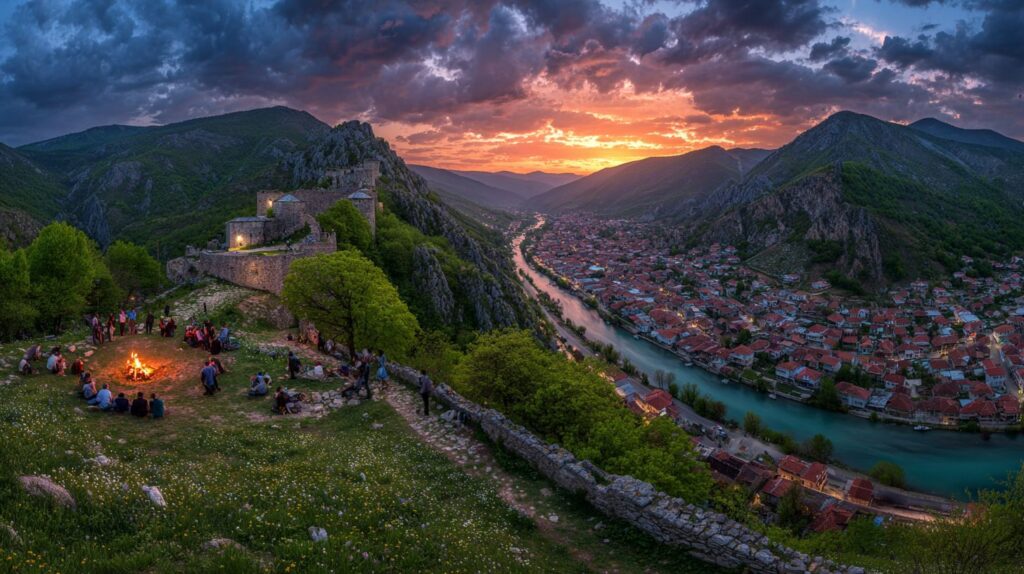
The Top 10 Things to Do in Kosovo in 2026: History, Nature & Local Culture include exploring ancient monasteries like Visoki Deani Monastery, hiking in the rugged Sharr Mountains, wandering the Ottoman-era streets of Prizren, tasting rakia in local vineyards, visiting the Newborn Monument in Pristina, discovering Rugova Canyon‘s natural wonders, experiencing traditional folk dances in Gjakova, touring Graanica Monastery, boating on Lake Badovac, and immersing in Kosovo’s vibrant bazaars for crafts and cuisine.
Why should I visit Kosovo in 2026 for its history as part of the Top 10 Things to Do in Kosovo in 2026: History, Nature & Local Culture?
Kosovo’s rich history shines in 2026 with UNESCO sites like the Patriarchate of Pe and Graanica Monastery, offering Byzantine frescoes and medieval architecture. The Top 10 Things to Do in Kosovo in 2026: History, Nature & Local Culture highlight these as must-sees, alongside Prizren Fortress, providing insights into Ottoman, Serbian, and Albanian influences in a peaceful, post-recovery setting.
What nature attractions are featured in the Top 10 Things to Do in Kosovo in 2026: History, Nature & Local Culture?
Nature lovers will love the Top 10 Things to Do in Kosovo in 2026: History, Nature & Local Culture, featuring Rugova Canyon for hiking and rafting, the Sharr Mountains for skiing or trekking in 2026’s enhanced trails, Bjeshkt e Nemuna National Park’s biodiversity, and serene spots like Lake Gazivoda, perfect for eco-adventures amid Kosovo’s pristine landscapes.
How can I experience local culture through the Top 10 Things to Do in Kosovo in 2026: History, Nature & Local Culture?
Dive into local culture via the Top 10 Things to Do in Kosovo in 2026: History, Nature & Local Culture by joining festivals in Pristina, savoring byrek and qofte at traditional mehanas, shopping for filigree silver in Prizren‘s Old Bazaar, attending storytelling sessions in rural villages near Gadime Cave, and participating in 2026 cultural events celebrating Kosovo’s multicultural heritage.
Is Kosovo safe and accessible for the Top 10 Things to Do in Kosovo in 2026: History, Nature & Local Culture?
Yes, by 2026, Kosovo is increasingly safe with improved infrastructure for the Top 10 Things to Do in Kosovo in 2026: History, Nature & Local Culture. New roads, EU-funded trails, and English signage make sites like Peja‘s Patriarchate Pe and Sharr Mountains National Park easily reachable, with welcoming locals enhancing your history, nature, and culture experiences.
What are the best times to enjoy the Top 10 Things to Do in Kosovo in 2026: History, Nature & Local Culture?
Spring (April-June) and autumn (September-October) are ideal for the Top 10 Things to Do in Kosovo in 2026: History, Nature & Local Culture, offering mild weather for hiking nature spots like Rugova Canyon, comfortable historical site tours, and peak local culture festivals. Summer suits lakeside activities, while winter brings snow sports in the mountains.