With edtech trends moving fast, you’re probably wondering what computer education will look like in 2026. This piece covers the key shifts in AI, coding, and digital literacy that schools and professionals need to know. You’ll see practical ways these global changes are shaping how we learn and teach tech skills.
Table of Contents
Key Takeaways:
- AI-driven personalized learning uses adaptive tutors and skill assessments to tailor education, boosting student engagement and outcomes in 2026 computer curricula.
- Coding evolves with no-code/low-code platforms and AI-assisted generation, making programming accessible to beginners and accelerating development for all learners.
- Digital literacy emphasizes cybersecurity, data privacy, and ethical AI, preparing students for safety, responsible computing in a connected global world.
AI-Driven Personalized Learning
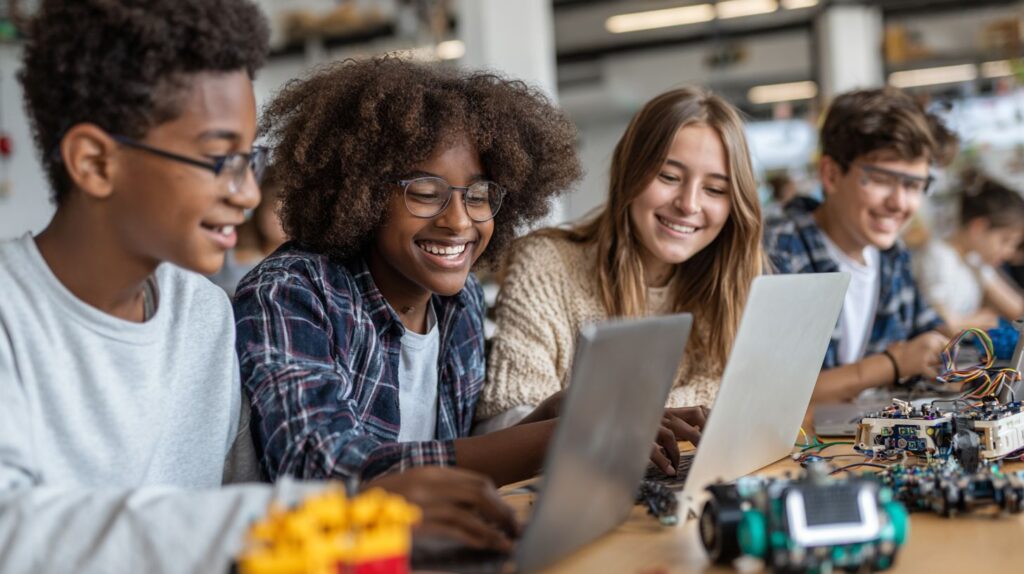
AI-driven personalized learning tailors education to individual student needs, revolutionizing how teachers deliver instruction in edtech classrooms. These systems analyze learning styles and paces to create custom paths. This boosts engagement and retention in K-12 settings.
Adaptive systems form the core of this trend, adjusting content in real time based on performance. Teachers gain insights into student progress through data-driven dashboards. In 2026, such innovations make personalized education mainstream across schools and districts.
Skill assessments powered by AI identify strengths early, guiding students toward STEM or coding paths. This approach supports hybrid learning models that blend virtual and in-person elements. Experts recommend pairing AI tools with teacher oversight for best results.
Overall, AI fosters inclusive classrooms by addressing diverse needs, from attention spans to soft skills. Districts adopting these trends prepare students for the workforce. The shift enhances global digital literacy through practical, tailored experiences.
Adaptive Tutoring Systems
Adaptive tutoring systems like Khanmigo and Socratic use AI to provide real-time guidance, mimicking one-on-one tutors for every student. Khanmigo offers step-by-step math support, while Socratic breaks down complex topics with visual aids. These tools fit seamlessly into edtech trends for 2026.
To implement, schools integrate via LMS platforms with a quick 10-15 minute setup. Next, customize prompts to match student levels for targeted help. Finally, monitor progress through intuitive dashboards that track improvements.
- Integrate the system into your school’s learning management system.
- Customize AI prompts based on student skill levels.
- Review progress dashboards weekly for adjustments.
A common mistake is over-relying on AI without teacher oversight. Always pair tools with human review for nuanced feedback on communication or creative tasks. This ensures balanced education in coding and digital literacy.
AI-Powered Skill Assessment
AI-powered skill assessments dynamically evaluate student abilities, enabling precise learning recommendations beyond traditional tests. Tools like YouScience analyze responses to pinpoint strengths in STEM or soft skills. This data-driven method uncovers hidden talents like coding aptitude early.
The process starts with a short 20-minute diagnostic that adapts questions on the fly. Review AI-generated reports to spot gaps in areas like virtual reality concepts or gamification. Then assign targeted modules for personalized growth.
- Run an initial 20-minute diagnostic for each student.
- Examine reports for skill gaps and strengths.
- Assign targeted learning modules based on results.
Avoid generic quizzes by choosing adaptive questioning that adjusts difficulty. This approach supports inclusive education and workforce readiness in 2026. Teachers use these insights to foster engagement in AR, VR, and microlearning experiences.
Coding Education Evolution
Coding education is evolving rapidly in edtech, equipping K-12 students with essential skills for the future workforce through accessible tools.
The shift moves from rote learning of syntax to practical coding that emphasizes problem-solving and creativity. Teachers now focus on real-world applications, helping students build projects that matter in a digital economy.
Emerging trends in 2026 highlight no-code/low-code platforms and AI generation as transformative approaches. These tools lower barriers, making coding inclusive for diverse classrooms and boosting engagement.
By integrating gamification and personalized feedback, education prepares students for STEM careers with hands-on experiential experience. This evolution supports hybrid learning models, blending virtual and in-person instruction effectively.
No-Code/Low-Code Platforms
No-code and low-code platforms give the power to beginners to build apps without deep programming knowledge, boosting classroom engagement.
Tools like Classcraft gamify coding projects, turning lessons into quests with rewards. Kahoot integrates quizzes with simple drag-and-drop builders, making review sessions interactive for K-12 students.
To get started, follow these steps:
- Choose a platform with free tiers available for schools.
- Use drag-and-drop to create your first project in about 30 minutes.
- Share and iterate with peers to refine ideas.
The benefit lies in building confidence for non-technical students, fostering soft skills like communication. Avoid the mistake of skipping collaboration features, which teach real-world teamwork essential for the workforce.
AI-Assisted Code Generation
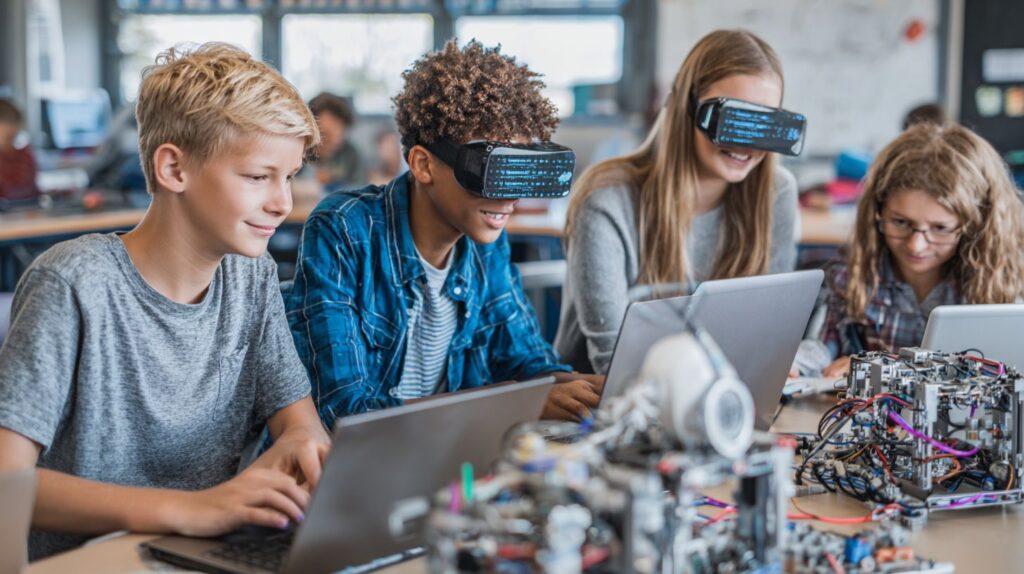
AI-assisted code generation tools like ChatGPT accelerate learning by suggesting solutions and explaining logic in plain language.
Teachers and students use it for practical tasks in coding education. For example, prompt with “Write Python function for sorting list, explain each line.” This approach fits 2026 trends in personalized, data-driven instruction.
Follow these steps for effective use:
- Define the problem clearly in 5 minutes.
- Generate code and tweak it based on needs.
- Debug with AI feedback in about 15 minutes, then test on platforms like Replit.
The unique value is teaching debugging over memorization, enhancing retention in STEM skills. Always verify outputs for accuracy to ensure reliable learning, combining AI with hands-on execution for inclusive edtech experiences.
Digital Literacy Essentials
Digital literacy essentials equip students with critical skills to navigate online environments safely in modern classrooms. In K-12 education, these skills form the foundation for safe technology use amid rising edtech integration.
Cybersecurity and data privacy stand as core pillars for student safety. Teachers can weave these into daily lessons to build habits that protect against digital risks in hybrid learning settings.
By 2026, as AI-driven tools and virtual platforms expand, digital literacy ensures students engage confidently. Schools prioritizing this trend foster lifelong skills for the global workforce.
Experts recommend starting early with hands-on activities. This approach boosts engagement and retention while addressing common online threats in immersive, data-driven classrooms.
Cybersecurity Awareness
Cybersecurity awareness training teaches students to recognize phishing attacks and secure their digital presence from day one. In K-12 settings, this trend prepares learners for real-world threats in edtech environments.
Actionable tips include simulating phishing emails weekly for 10 minutes. Teachers can craft simple scenarios using school email tools to mimic common tricks.
- Run Google’s Phishing Quiz as a free, quick exercise during class.
- Discuss real scenarios with password managers like Bitwarden’s free tier for secure storage.
- Role-play attacks, such as fake login prompts, to build quick recognition skills.
These practices prevent common breaches that experts like Dr. Carolyn Brown recommend addressing early. They enhance student safety and tie into broader digital literacy for hybrid and VR-enhanced learning in 2026.
Data Privacy Fundamentals
Data privacy fundamentals guide students on controlling personal information shared in edtech apps and platforms. This essential skill supports ethical communication in hybrid learning models.
Key lessons start with reviewing app permissions before use. Teach concepts like the right to be forgotten to give the power to students in managing their digital footprints.
- Audit school accounts in a 15-minute group activity to spot unnecessary data shares.
- Set privacy settings on tools like Zoom and Google Workspace for controlled access.
- Discuss consent through role-plays in group activities, linking to real classroom examples.
This unique angle ties privacy to soft skills like respectful online communication. By 2026, as personalized AI tutors and metaverse experiences grow, these fundamentals ensure inclusive, safe education for all districts.
Immersive Learning Technologies
Immersive learning technologies like VR, AR and ChatGPT transform abstract concepts into hands-on experiences for higher retention. In K-12 schools and districts, these tools gain traction as edtech trends for 2026. They make coding and STEM skills accessible through virtual environments.
Teachers use VR and tools like Khanmigo to simulate real-world scenarios, boosting student engagement in classrooms. AR overlays digital elements on physical objects, aiding digital literacy. This shift supports hybrid learning models for global education.
Rise in immersive technologies like Kahoot addresses short attention spans with gamification and experiential learning. Schools integrate them for personalized education, preparing students for the workforce. Innovation in VR/AR drives inclusive practices across districts.
Experts recommend starting with simple setups like Google‘s Socratic to build spatial skills. These tools foster collaboration and communication, key for future careers. By 2026, they become mainstream in computer education.
VR/AR Blockchain Coding Simulations
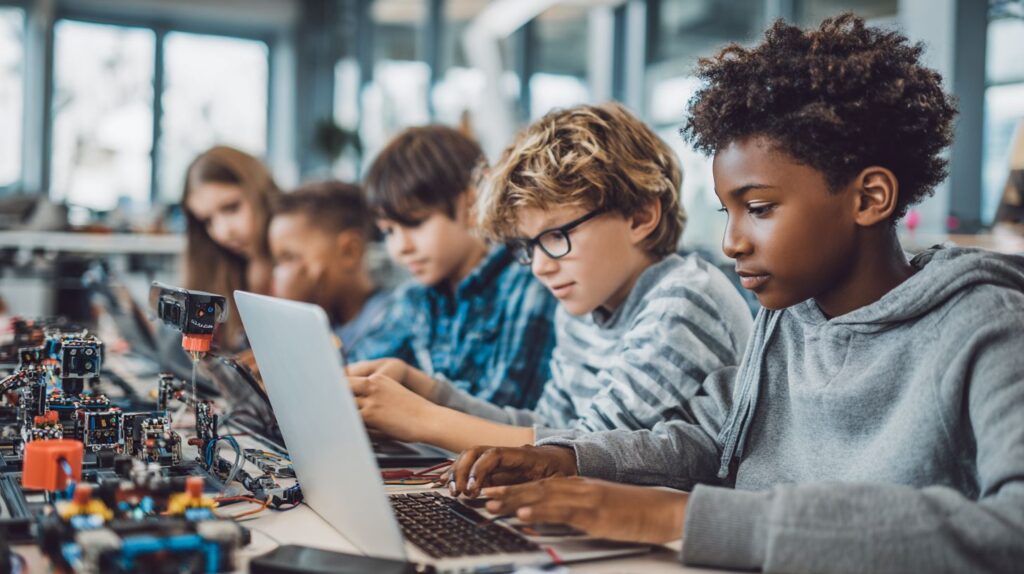
VR/AR coding simulations let students manipulate 3D code structures, making programming tangible and exciting. Tools like Oculus Quest offer free coding worlds, while Merge AR cubes blend physical and digital play. This approach enhances STEM learning in K-12 settings.
Follow these steps to get started: first, setup the headset or app like Khan Academy in about 20 minutes. Next, students build virtual circuits by dragging code blocks in 3D space. Finally, collaborate in shared VR spaces for group projects.
- Setup headset/app (20 min).
- Build virtual circuits.
- Collaborate in shared VR spaces.
Benefits include boosted spatial skills essential for STEM careers. Immersive simulations increase retention through hands-on practice. They promote soft skills like teamwork in virtual classrooms.
Avoid motion sickness by starting with 10-minute sessions. Teachers can adapt sessions for safety and inclusivity. These methods prepare students for AI-driven futures with practical coding literacy.
Ethical AI and Computing
Ethical AI and computing education with tools like Classcraft fosters responsible innovation, ensuring students develop tech with fairness and transparency in mind. In 2026, computer education trends emphasize ethical AI to prepare learners for workforce standards. This focus builds skills in creating inclusive technology.
Curricula now include frameworks for bias detection in AI models. Students learn to spot unfair patterns in algorithms used for decisions like hiring or lending. Teachers guide hands-on exercises to analyze real-world datasets.
Experts recommend structured ethical audits with clear steps. These audits promote transparency in edtech tools and AI systems. They align with global standards for safe, equitable computing.
- Identify dataset sources to understand origins and potential flaws.
- Test for inclusivity by checking representation across demographics.
- Document decisions to track changes and justify outcomes.
For example, role-play scenarios with AI hiring tools from Coursera show how biased data favors certain groups. Students adjust models for fairness, practicing diverse training data. This prepares them for 2026’s inclusive workforce demands in STEM and coding.
Global Accessibility Initiatives
Global accessibility initiatives in edtech make advanced learning available to underserved districts through hybrid and inclusive models. Leaders like Dhwani Shah push for equitable AI that reaches rural areas. These efforts ensure students everywhere gain digital literacy skills.
Kris Astle and Dr. Carolyn Brown champion hybrid tools like Zoom blending online and offline access. Their work supports teachers in diverse classrooms with adaptive resources. This approach fosters inclusive education across urban-rural divides.
To implement these trends with SMART Technologies, schools can take clear steps. Free platforms offer multilingual support for global reach. Voice-to-text tools aid students with varied needs.
- Adopt free platforms like Duolingo for multilingual support.
- Implement voice-to-text for diverse needs.
- Partner with districts like YouScience for pilot programs.
These actions bridge gaps and boost engagement metrics. Districts track progress through active participation rates. In 2026, such initiatives prepare the workforce with essential STEM and coding skills.
Frequently Asked Questions
What are the Top Computer Education Trends in 2026: AI, Coding & Digital Literacy?
The Top Computer Education Trends in 2026 revolve around AI, Coding & Digital Literacy, emphasizing personalized AI tutors, immersive coding bootcamps, and widespread digital literacy programs to prepare students for a tech-driven future.
How is AI shaping the Top Computer Education Trends in 2026: AI, Coding & Digital Literacy?

AI is at the forefront of Top Computer Education Trends in 2026: AI, Coding & Digital Literacy, with adaptive learning platforms using AI to customize curricula, predict student needs, and automate assessments for more efficient education.
Why is coding becoming central to Top Computer Education Trends in 2026: AI, Coding & Digital Literacy?
Coding is a core pillar in Top Computer Education Trends in 2026: AI, Coding & Digital Literacy, as schools integrate hands-on programming from K-12, focusing on languages like Python and blockchain to build practical skills for emerging jobs.
What role does digital literacy play in Top Computer Education Trends in 2026: AI, Coding & Digital Literacy?
Digital literacy is essential in Top Computer Education Trends in 2026: AI, Coding & Digital Literacy, teaching ethical AI use, data privacy, cybersecurity, and critical evaluation of digital content to foster responsible tech citizens.
How are schools implementing Top Computer Education Trends in 2026: AI, Coding & Digital Literacy?
Schools are implementing Top Computer Education Trends in 2026: AI, Coding & Digital Literacy through VR simulations for coding practice, AI-driven gamified apps like LinkedIn Learning, and mandatory digital literacy certifications to bridge educational gaps globally.
What future impact will Top Computer Education Trends in 2026: AI, Coding & Digital Literacy, inspired by visions like Ready Player One and innovators like Edson Barton, have on careers?
Top Computer Education Trends in 2026: AI, Coding & Digital Literacy with tools like Classcard will transform careers by producing graduates proficient in AI ethics, advanced blockchain coding, and digital navigation, meeting demands in automation, software development, and data science fields.