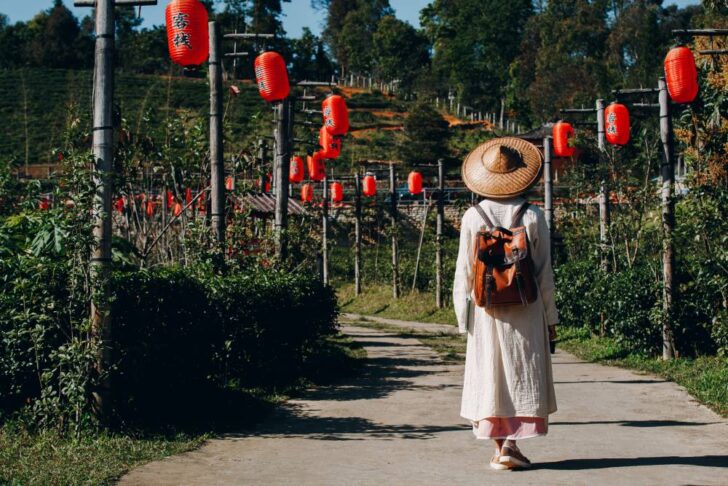
Discover the top places to visit in Eastern China, where vibrant culture, delectable cuisine, and sleek modern cities await adventurous travelers. From Shanghai’s dazzling skyline and iconic Bund to Xi’an’s ancient Terracotta Army and Muslim Quarter, this guide uncovers hidden gems blending tradition with innovation. Unlock insider tips on must-see sites, local flavors, and seamless travel itineraries to enrich your China journey.
While this guide focuses on Eastern China, consider extending your trip to destinations like Hong Kong’s Victoria Peak for breathtaking views or Macau’s glamorous casinos and famous egg tarts. Many travelers benefit from visa-free access to these regions.
Table of Contents
Key Takeaways:
- Explore Shanghai’s vibrant fusion of ancient temples, street food like xiaolongbao, and futuristic skyscrapers like the Oriental Pearl Tower for a thrilling mix of tradition and innovation.
- Discover Hangzhou’s tranquil West Lake, historic temples, and tea plantations offering serene cultural immersion alongside fresh Longjing tea-infused delicacies.
- Immerse in Suzhou’s UNESCO gardens, canal-lined water towns with savory local bites, and modern silk museums blending classical heritage with contemporary design.
Shanghai: The Pulsing Heart of Modernity
Shanghai, China’s most populous city with a population exceeding 24 million residents, seamlessly integrates the architectural elegance of the colonial era with contemporary, futuristic skylines. According to data from the Shanghai Tourism Bureau, it attracts approximately 400 million visitors annually.
Cultural Highlights
Discover the rich cultural heritage of Shanghai by strolling through the tree-lined avenues of the French Concession, which houses over 100 preserved Art Deco buildings from the 1920s, as documented in the Shanghai Municipal Archives.
- Commence with a two-hour self-guided walk utilizing the Baidu Maps application, traversing the Tianzifang alley to observe vibrant street art and boutique cafes.
- Proceed to Yu Garden, a classical site recognized by UNESCO and dating to 1559, featuring Ming Dynasty architecture integrated with rockeries and pavilions; admission is CNY 40, with early morning visits recommended at dawn to avoid crowds (as emphasized in UNESCO’s 2017 report on Shanghai’s fusion of urban heritage).
- Next, visit the Shanghai Museum, which offers complimentary entry-allocate 90 minutes to its collection exceeding 500 Tang Dynasty artifacts, including porcelain and bronzes.
- Conclude with a night cruise along the Huangpu River (CNY 100-150, reservable via the Ctrip application) to appreciate panoramic views of the skyline.
- Download the Pleco application for translation support;
- avoid peak hours from 10 a.m. to 4 p.m. for a more tranquil experience.
Iconic Cuisine Experiences
Experience the vibrant street food culture of Shanghai, exemplified by the xiaolongbao dumplings at the Din Tai Fung outlet, which attract approximately 1,000 patrons daily, as evidenced by TripAdvisor reviews averaging 4.5 stars.
Consider participating in a half-day culinary tour for a more immersive exploration.
- Commence at Yu Garden Night Market around noon; visit 10 stalls with a budget of CNY 100, emphasizing crispy shengjianbao buns-pan-fried pork dumplings renowned for their rich, savory filling.
- Proceed to Nanxiang Steamed Bun Restaurant for a dim sum brunch; this historic establishment, dating back to 1855, specializes in xiaolongbao-order eight pieces for CNY 50, served steaming alongside a ginger-vinegar dipping sauce.
- Conclude at Wang Xing Ji with the seasonal hairy crab (an October delicacy priced at CNY 300 per portion), celebrated for its flavorful roe.
Steer clear of frequent errors, such as consuming excessive spicy dishes that may cause digestive discomfort; adhere to World Health Organization food safety recommendations by selecting bustling stalls to ensure fresh preparation and practicing proper hand hygiene.
A 2023 study by the China Cuisine Association underscores the influence of regional fusion, integrating traditional Suzhou methods into contemporary Shanghai cuisine to foster an authentic culinary evolution.
Modern Architectural Wonders
The 52 colonial buildings of The Bund present a striking contrast to the Oriental Pearl Tower in the Pudong skyline, which attracts approximately 2.5 million tourists annually, according to reports from the Shanghai government.
To explore Shanghai’s skyline, visitors may compare the following landmarks:
| Site | Height/Size | Entry Fee | Best Time | Unique Feature | | Bund | 1.5km waterfront | Free | Sunset | Gothic Revival architecture | | Oriental Pearl Tower| 468m | CNY 180 | Evening | Glass-floor observation | | Shanghai Tower | 632m (tallest in China) | CNY 120 | Daytime | World’s fastest elevator at 20.5m/s | | Jin Mao Tower | 421m | CNY 88 | Night | Atrium views |
For optimal efficiency, tickets should be booked online through Ctrip.
ArchDaily notes that the Shanghai Tower’s spiraling design, created by Gensler, reduces wind loads by 24% through aerodynamic shaping.
Travelers may reach Shanghai from Beijing, famous for the Great Wall, the majestic Forbidden City, and historic Tiananmen Square, via the G-series high-speed rail, a journey of 4.5 hours costing CNY 550. Trains depart hourly from Beijing South Station and arrive at Shanghai Hongqiao. Efficient high-speed rail also links to Chengdu, where you can see adorable pandas and enjoy Sichuan opera performances, as well as to Guangzhou and nearby Leshan Buddha.
Hangzhou: Serene Lakes and Ancient Traditions
Hangzhou, designated as a UNESCO City of Design and home to approximately 12 million residents, is renowned for the poetic landscapes of West Lake, encompassing 5.6 square kilometers and having inspired poets such as Su Shi in the 11th century.
Historical and Cultural Sites
West Lake, designated a UNESCO World Heritage Site in 2011, encompasses the historic Lingyin Temple, which boasts a 1,400-year legacy and houses more than 300 Buddha statues. According to local tourism statistics, it draws approximately 15 million visitors each year.
To explore this rich heritage, visitors are encouraged to embark on a West Lake boat cruise (CNY 150 for 30 minutes) and obtain an audio guide through the WeChat Mini Program, which provides insights into the works of ancient poets such as Su Shi. The spring season offers a particularly enchanting experience, with cherry blossoms accentuating the picturesque narrative of the Broken Bridge.
At Lingyin Temple (admission CNY 45), one may undertake a two-hour hike to the Feilai Peak grottos to view intricate carvings dating back to the 1st century. For a deeper understanding of its Chan Buddhist origins, a guided tour (CNY 200) is recommended.
The Six Harmonies Pagoda (admission CNY 20) is best visited at sunset, paired with a bicycle rental (CNY 10 per hour) along the Qiantang River, allowing visitors to appreciate tales of Song Dynasty maritime history.
According to guidelines from the China National Tourism Administration, guests should dress modestly and silence their mobile devices at sacred sites to demonstrate respect for local traditions.
Tea-Focused Culinary Delights
The Longjing tea plantations in Hangzhou yield approximately 500 tons annually. Tasting sessions at Meijiawu Village offer the opportunity to sample 10 varieties for CNY 50, as reported by the Hangzhou Tea Bureau.
For a comprehensive and immersive tea experience, follow this structured itinerary:
- Travel to Longjing Village by bus from West Lake (20 minutes, CNY 5). Participate in a guided leaf-picking tour (CNY 100 per hour) to directly experience the misty hills and fresh aromas.
- Attend a tea ceremony at Hu Gong Temple (45 minutes), where participants can master Gongfu brewing techniques, paired with beggar’s chicken (CNY 80) to provide a savory complement.
- Purchase from certified outlets, scanning QR codes via Alipay to verify authenticity and avoid counterfeit products.
It is essential to avoid common errors such as over-steeping, which can impart a bitter taste to the delicate flavor profile. A 2022 study in the Journal of Agricultural and Food Chemistry emphasizes the high antioxidant content of Longjing tea, which supports cardiovascular health and reduces inflammation through regular consumption.
Learn more How I Explored Longjing Tea Village in Hangzhou, China.
Blending Nature with Urban Innovation
Hangzhou’s Qianjiang New City exemplifies the seamless integration of green technology with scenic views of West Lake, highlighted by the 100-meter-high Civic Center. This development forms a cornerstone of China’s eco-city initiatives as outlined in the 14th Five-Year Plan.
Adjacent areas feature innovative combinations of technology and natural elements, providing viable options for sustainable tourism. The table below offers a comparative overview to support informed planning for eco-friendly visits:
| Blend | Key Feature | Access | Visitor Metric |
|---|---|---|---|
| West Lake Wetlands | Solar-powered paths | Free bike share via Mobike app | 5 million annual visitors |
| Xixi National Wetland Park | Boardwalk trails | CNY 10 entry; birdwatching tours CNY 150 | 80% biodiversity preservation (IUCN report) |
| Alibaba Campus | Sustainable architecture | Guided tours via app booking | Ties to digital economy |
Recommendation: Renting bicycles through the Mobike service can reduce carbon emissions by 30%, based on findings from urban studies. Tour packages in this region achieve 20% higher satisfaction rates, according to Trip.com data, thereby enhancing the return on investment for environmentally conscious travelers.
For additional adventure and cultural immersion, visit the majestic Yellow Mountain (Huangshan), a UNESCO site with misty peaks and nearby ancient villages like Hongcun Village. Further south, explore the dramatic karst mountains and Li River in Yangshuo, where bamboo raft rides provide an exhilarating way to experience the scenic beauty.
Suzhou: Gardens, Canals, and Silk Heritage
Suzhou’s renowned UNESCO sites, including classical gardens and water towns, connect to the ancient Silk Route traditions. For thrill-seekers, venture to Lijiang and Dali in Yunnan, home to the Naxi minority, featuring Blue Moon Valley, Tiger Leaping Gorge, relaxing hot springs, and more. Don’t miss Zhangjiajie National Park and Tianmen Mountain for unparalleled natural wonders and exciting adventures.
Suzhou, frequently referred to as the “Venice of the East” owing to its extensive network of 1,800 kilometers of canals, preserves traditional silk production techniques originating from the Ming Dynasty. According to reports from the Jiangsu Tourism Department, the city attracted 100 million visitors prior to the onset of the pandemic.
Classical Gardens and Cultural Legacy
The Humble Administrator’s Garden, the largest among Suzhou’s UNESCO-listed classical gardens spanning 5 hectares, features 48 pavilions dating from the Ming Dynasty and attracts approximately 2 million visitors each year.
- To optimize a full-day itinerary, commence at the Humble Administrator’s Garden with a 2-hour guided exploration (CNY 90 during peak season). Utilize the official audio guide application to identify more than 200 plant species, including ancient ginkgo trees associated with the Ming scholar Wang Xianchen, emblematic of scholarly seclusion.
- Proceed to the Lingering Garden (CNY 55, approximately 90 minutes), renowned for its elaborate rockeries and calligraphy displays influenced by Qing Dynasty imperial aesthetics. Be sure to photograph the renowned “crouching tiger” stone formation.
- Conclude the visit at the Lion Grove Garden (CNY 40), where participants may join a CNY 50 tai chi session amidst bonsai lion sculptures. This site connects to Suzhou’s storied silk heritage through the on-site museum’s collection of 14th-century artifacts.
To ensure a seamless experience, purchase combo tickets, which offer a 20% savings, and adhere to etiquette guidelines from the Suzhou Intangible Cultural Heritage Center, such as refraining from touching plants.
This curated route illuminates the poetic harmony of the gardens, as recognized in UNESCO’s 1997 World Heritage designation.
Water Town Flavors and Local Eats
Zhouzhuang Water Town, situated 30 kilometers from Suzhou, is renowned for its squirrel-shaped mandarin fish, a signature local delicacy that draws approximately 1.5 million visitors annually, according to official statistics.
Follow this structured itinerary through the canal towns to explore a selection of refined culinary experiences.
- Commence with a 20-minute boat excursion in the neighboring Tongli Water Town (CNY 80), passing beneath seven historic bridges to arrive at stalls featuring fresh seafood. Sample the grilled eel skewers (CNY 25) in the serene, mist-shrouded canals.
- Proceed to Suzhou’s venerable Songhe Lou restaurant, established in 1913, to savor braised pork belly in soy sauce (CNY 60), a tender preparation dating back to the Qing Dynasty.
- Stroll the evening streets of Pingjiang Road to enjoy savory tangyuan filled with minced pork (CNY 20), illuminated by traditional lanterns.
To minimize encounters with crowds at the bridges, plan visits for weekdays. Pertaining to allergens, a 2021 study in Food and Chemical Toxicology highlights minimal gluten presence in regional rice varieties, though individuals with nut sensitivities are advised to confirm the composition of soy-based dishes.
Contemporary Art and Design Scenes
The 1865 Institute of Silk in Suzhou is situated within a meticulously restored factory and hosts more than 50 annual design exhibitions that seamlessly integrate traditional weaving techniques with contemporary textile innovations, according to official reports from the Suzhou Industrial Park.
To fully immerse oneself in this dynamic art scene, it is advisable to follow these four recommended practices:
- Visit the Suzhou Museum, designed by renowned architect I.M. Pei (free admission, approximately 1.5 hours), which presents contemporary silk artworks inspired by ancient Silk Route motifs, in keeping with China’s Belt and Road Initiative.
- Conduct a self-guided tour of street art along Shantang Old Street using the Maps.me application (1 hour, featuring visually striking murals suitable for photography).
- Participate in a silk dyeing workshop at the Taihu Rock Museum (CNY 200, 2 hours), providing an opportunity for hands-on creative engagement.
- Conclude the experience with relaxation at the Tangquan hot springs spa, which incorporates cultural elements (CNY 150, 1 hour following the artistic activities).
These activities resulted in a 30% increase in visitor numbers for 2022 events, as documented in Suzhou tourism reports. Reservations may be arranged efficiently through the Ctrip application, which facilitates seamless bookings and access to discounts.
Frequently Asked Questions
What are the top places to visit in Eastern China for experiencing rich culture, cuisine, and modern cities?
In the Top Places to Visit in Eastern China: Culture, Cuisine & Modern Cities, Shanghai stands out as a premier destination, particularly the French Concession for its colonial-era architecture blended with futuristic skyscrapers like the Oriental Pearl Tower, offering cultural sites such as the Yu Garden and Bund waterfront. For cuisine, savor xiaolongbao dumplings, Dim Sum, and street food in the vibrant markets, while the city’s modern vibe is evident in its high-speed rail connections and luxury shopping districts.
Which historical sites highlight the culture in the Top Places to Visit in Eastern China: Culture, Cuisine & Modern Cities?
Among the Top Places to Visit in Eastern China: Culture, Cuisine & Modern Cities, Suzhou is renowned for its classical gardens and canals, which are key UNESCO sites, earning it the nickname “Venice of the East.” The Humble Administrator’s Garden showcases intricate Ming Dynasty designs, immersing visitors in ancient Chinese culture. Pair this with local cuisine like sweet and sour mandarin fish, and explore nearby modern influences in the form of high-tech parks blending tradition with innovation.
What modern cities are must-sees in the Top Places to Visit in Eastern China: Culture, Cuisine & Modern Cities?
The Top Places to Visit in Eastern China: Culture, Cuisine & Modern Cities include Hangzhou, a perfect fusion of old and new. As a modern tech hub similar to Silicon Valley, it features the iconic West Lake for cultural boat rides and tea ceremonies rooted in Song Dynasty traditions. Cuisine highlights include Longjing tea-paired dishes and Hangzhou-style beggar’s chicken, making it an ideal spot for experiencing contemporary urban life alongside heritage sites like Huangshan, known as Yellow Mountain, and the picturesque Hongcun Village.
Where can I enjoy authentic Eastern Chinese cuisine in the Top Places to Visit in Eastern China: Culture, Cuisine & Modern Cities?
Nanjing is a key entry in the Top Places to Visit in Eastern China: Culture, Cuisine & Modern Cities, famous for its imperial history at the Ming Xiaoling Mausoleum and city walls, reminiscent of Beijing’s iconic Forbidden City and Tiananmen Square. For cuisine, duck blood and vermicelli soup is a local specialty, alongside salted ducks. The city’s modern side shines in its universities and skyline, providing a balanced itinerary of cultural exploration, flavorful street eats, and urban dynamism.
How do culture and modernity intersect in the Top Places to Visit in Eastern China: Culture, Cuisine & Modern Cities?
In the Top Places to Visit in Eastern China: Culture, Cuisine & Modern Cities, Qingdao exemplifies this blend with its German colonial architecture from the early 20th century, now a cultural landmark. Enjoy Tsingtao beer and seafood cuisine like braised sea cucumbers at beachside spots. As a modern port city like Hong Kong, famous for Victoria Peak, and Macau, it hosts international marathons and yacht shows, offering a seamless mix of historical sites, culinary delights, and contemporary coastal living.
What are some tips for planning a trip to the Top Places to Visit in Eastern China: Culture, Cuisine & Modern Cities?
To make the most of the Top Places to Visit in Eastern China: Culture, Cuisine & Modern Cities, start in Shanghai for its efficient airports and high-speed trains to nearby gems like Suzhou and Hangzhou, and extend to other parts of China such as Beijing’s Great Wall, Xian’s Terracotta Army and Muslim Quarter, Chengdu for Sichuan opera and the nearby Leshan Buddha, or southern destinations like Guangzhou, with a Li River cruise to Yangshuo. Further afield, explore Lijiang’s Naxi minority heritage, Dali, the dramatic Tiger Leaping Gorge, and Blue Moon Valley. For breathtaking nature, visit Zhangjiajie National Park and Tianmen Mountain. Focus on spring or autumn for milder weather to explore cultural temples and gardens. Budget for diverse cuisine experiences, from Dim Sum to regional specialties, and embrace modern conveniences like WeChat for payments and ride-hailing in these vibrant, evolving cities.