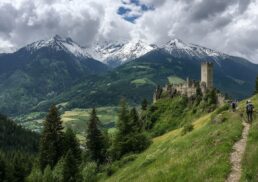
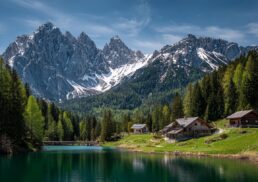
Why Tyrol Is the Perfect Destination for Skiing and Scenic Escapes Nestled in the majestic Italian Alps, Tyrol captivates adventure seekers with its world-class skiing and breathtaking mountain scenery. From the dramatic peaks of the Dolomites in South Tyrol to expansive hiking trails that wind through alpine meadows, this region blends adrenaline and serenity. Explore how reliable snow, diverse terrains, and year-round escapes make Tyrol an unbeatable choice for thrill and tranquility.
Table of Contents
Key Takeaways:
- Tyrol offers world-class skiing at renowned resorts like Kitzbhel and Ischgl, with reliable snow conditions and modern lifts ensuring thrilling descents for all skill levels.
- Diverse terrain caters to beginners with family-friendly slopes and experts via advanced runs and off-piste adventures, making it ideal for every skier.
- Beyond winter, Tyrol’s breathtaking alpine panoramas, crystal lakes, and year-round cultural experiences provide perfect scenic escapes in a sustainable setting.
World-Class Skiing Opportunities

The skiing facilities in Tyrol stand comparable to the world’s premier destinations. Renowned resorts such as Kitzbhel, near Innsbruck’s famous Golden Roof, host the prestigious Hahnenkamm World Cup race, which attracts approximately 250,000 spectators annually.
Likewise, Ischgl offers 239 kilometers of pistes in the expansive Silvretta Arena.
Famous Resorts like Kitzbhel and Ischgl
Kitzbhel, situated in the Austrian Tyrol, features 233 kilometers of groomed ski runs and a vertical drop of 870 meters. In contrast, Ischgl is distinguished by its renowned celebrity aprs-ski offerings, including events such as the Top of the Mountain Concert, which has been headlined by prominent artists like Elton John.
| Resort Name | Location | Piste Length (km) | Vertical Drop (m) | Annual Snowfall (cm) | Best For | Pros/Cons |
|---|---|---|---|---|---|---|
| Kitzbhel | Austria | 233 | 870 | 800 | Experts | Pros: World-class races; Cons: Crowded weekends |
| Ischgl | Austria | 239 | 1,250 | 600 | Party-goers | Pros: Music events; Cons: Higher prices EUR65/day pass |
| Slden | Austria | 144 | 1,450 | 700 | Glacier skiing | Pros: Year-round; Cons: Exposed to wind |
| Cortina d’Ampezzo | South Tyrol/Dolomites | 120 | 1,224 | 500 | Families | Pros: Olympic history; Cons: Variable snow |
For intermediate skiers, Kitzbhel provides a wider variety of blue and red runs, enhanced by its Hahnenkamm configuration, and offers seamless integration with multi-resort passes such as the KitzSki Card, which costs approximately EUR60 per day.
Ischgl delivers engaging intermediate terrain within its lively aprs-ski environment, albeit at a premium price of EUR65 per day, and it is not included in the Epic Pass program.
Lift tickets for both resorts generally range from EUR50 to EUR70; based on data from the Austrian Ski Federation, Kitzbhel is preferable for those desiring less crowded slopes.
Reliable Snow Conditions and Modern Lifts
Tyrol’s high-altitude glaciers, such as those in the tztal Alps that reach elevations of 3,000 meters, guarantee more than 150 ski days annually, supported by average snow depths of 200 to 300 centimeters and augmented by over 500 snow cannons that cover 70 percent of the slopes.
According to the ZAMG’s 2022-2023 report, Sulden in Stelvio National Park recorded a snow base of 120 centimeters in December, demonstrating the reliability of early-season conditions. The primary benefits include:
- Glacier reliability: The Senales Glacier operates from June through October, and it hosts the Glacier Wine Rally, featuring more than 20 wineries for tastings following skiing activities.
- Advanced lift technology: Doppelmayr gondolas transport over 40 persons per minute, thereby reducing wait times by 50 percent compared to legacy systems.
- Snowmaking efficiency: Each cannon consumes 1,000 liters per minute, ensuring consistent coverage amid fluctuating weather patterns.
Families realize a substantial return on investment by saving approximately EUR200 per trip through the efficiency of modern lifts, in contrast to those at less advanced resorts. To optimize enjoyment, it is recommended to eschew challenges such as low-altitude skiing during thaw periods.
Diverse Terrain for Every Skier
Tyrol boasts over 4,000 kilometers of diverse skiing terrain, spanning from the gentle meadows surrounding Schlern to the challenging steep black runs near Tre Cime di Lavaredo. According to data from regional ski schools, this varied landscape accommodates 40 percent of beginners, 50 percent of intermediates, and 10 percent of experts.
Beginner Slopes and Family-Friendly Areas

Family-friendly destinations, such as Merano’s 40 kilometers of beginner-level blue and green slopes near Lago di Carezza, provide magic carpet lifts for children under 5 years old. According to the Sdtirol Tourist Board, 90% of these slopes are rated as suitable for beginners.
To effectively plan your family ski trip, adhere to the following steps:
- Select locations such as Brixen, which offers 3 kilometers of nursery slopes and a EUR30 half-day pass. Allocate approximately 2 hours for setup, including equipment rentals from the Sportler shop.
- Reserve lessons: Choose 4-hour family sessions priced at EUR100 through ESF instructors, and schedule them outside peak holiday periods to benefit from smaller group sizes.
- Emphasize safety measures, including helmet cameras such as GoPro models and avalanche monitoring applications provided by the Italian Civil Protection.
A typical full day of skiing commences at 8:00 AM and concludes at 4:00 PM.
A frequent oversight involves neglecting sun protection at elevations of 2,000 meters-ensure you pack high-SPF sunscreen.
In one documented case, a family of four realized savings of EUR500 by utilizing Alto Adige’s family cards in lieu of individual tickets, as reported by Sdtirol tourism data.
Advanced Runs and Off-Piste Adventures
The north face of King Ortler, featuring a 62-degree incline in the tztal Alps, offers exceptional challenges for expert freeriders, with over 100 km of off-piste routes available. Guided tours depart from Val Senales, starting at EUR150 per day and including avalanche gear.
To approach these advanced descents safely, adhere to the following best practices:
- Equipment preparation: Install ATK bindings for freeride tours and test them at the 3,200m base in Schnalstal, which requires approximately one hour, to confirm reliability on steep terrain.
- Guided tours: Select UIAGM-certified groups from the Bella Vista Mountain Refuge at EUR200 for a half-day tour; according to 2023 SLF avalanche studies, this approach reduces solo risk by 20%-descents should never be attempted alone.
- Conditions assessment: Monitor weather and snow conditions using the Snow-Forecast app; undertake training for 10-14 days per season to develop necessary endurance.
Challenges such as fatigue during 2,000m vertical descents may arise-utilize altitude training applications to support adaptation. The professional achievement of Paul Hanny, who completed a 12 km descent on Ortler in 45 minutes, underscores the value of measured expertise.
Breathtaking Scenic Beauty
Since 2009, the Dolomites have held UNESCO World Heritage status, emphasizing its striking jagged peaks, including the Tre Cime di Lavaredo, which ascends to an elevation of 2,999 meters. This prestigious designation draws approximately 2 million hikers annually, who are enticed by panoramic views comparable in grandeur to those of the Canadian Rockies.
Alpine Panoramas and Crystal Lakes
The summit of Schlern, reaching 2,563 meters, provides panoramic 360-degree views of the pink-hued cliffs of Rosengarten at dawn, while the emerald waters of Lago di Carezza reflect the Latemar group and can be accessed via a 30-minute loop trail from Bolzano, where you can visit the museum housing tzi the Iceman and stay at the elegant Parkhotel Laurin; the area also connects to literary heritage linked to Franz Kafka.
Discover additional highlights of the Dolomites through the following recommended visits:
- **Tre Cime Viewpoint**: Undertake a 2-hour hike from Rifugio Auronzo (EUR10 parking fee); arrive at sunrise to observe the golden light illuminating the jagged peaks.
- **Sassolungo Panorama**: Ascend via the cable car from Passo Sella (EUR20 round-trip); allocate 1 hour for photographic stops overlooking the glacier valleys.
- **Schlern Plateau**: Rent an e-bike for EUR25 per day in Seis; commence early to avoid midday crowds and experience the serene wildflower meadows.
- **Lago di Carezza**: Arrange a picnic near the ruins of Brunnenburg Castle and explore nearby Castles like Tyrol Castle; monitor water levels using the APPM app to optimize reflections-employ ND filters for long-exposure photography of the lake.
An Instagram influencer garnered 50,000 views through drone footage of Rosengarten’s cliffs, illustrating that aerial perspectives substantially increase engagement.
Year-Round Escapes Beyond Winter

During the summer months, Tyrol emerges as an idyllic destination for hikers and gourmets, featuring an extensive network of 20,000 kilometers of trails, including the renowned Waalwegs irrigation paths and the wine road near Merano. These paths are accessible from May to October and draw approximately 1.5 million visitors annually, according to the South Tyrol Mobility Report 2023. Indulge in South Tyrolean wine, such as Gewrztraminer from Cantina Tramin or Weingut Don, and savor local dishes like Speck, Apple strudel, Tiroler Grstl, Kaiserschmarrn, and Nudeln at a traditional Sudtiroler Gasthaus, paired with a Hugo Spritz.
To facilitate well-rounded year-round exploration, adhere to the following structured approach: Stay at luxurious accommodations like the Rosa Alpina Hotel, where you can dine at the Michelin-starred restaurant St Hubertus, drawing inspiration from world-renowned chefs like Massimo Bottura. Participate in events such as the Almabtrieb festival and unwind at cozy Rifugios after hiking.
- **Summer Hiking Expeditions**: Reserve accommodations at mountain rifugios, such as Tierser Alpl, which offer lodging for approximately EUR50 per night. These facilities support treks lasting 4 to 6 hours. To mitigate the peak heat in July, commence hikes early in the day and utilize navigation applications like Komoot for optimal planning.
- **Autumn Wine Tours**: Participate in the South Tyrol Wine Road itinerary, encompassing 10 key stops. This experience includes tastings of Gewrztraminer wines for EUR15 at establishments like Cantina Tramin, ideally spread across a 3-day schedule.
- **Spring Cycling Adventures**: In regions such as tztal, procure e-mountain bike rentals at EUR40 per day. To address the common oversight of elevation challenges, employ route-planning tools like the Strava application for precise navigation.
Beyond the peak season, off-season travel in the Italian Alps yields notable advantages, including savings of up to 25% on accommodations (for instance, EUR100 per night compared to EUR200 during winter peaks). Furthermore, a 2022 study conducted in Trentino indicates that wellness retreats in these periods can enhance productivity by 40%.
Cultural and Culinary Highlights
The cuisine of Tyrol, in the Italian Alps, exemplifies a sophisticated fusion of Austrian and Italian culinary traditions, as demonstrated by the three-Michelin-starred restaurant St. Hubertus at the Rosa Alpina Hotel in San Cassiano and cultural treasures like tzi the Iceman in Bolzano, alongside historic Castles. There, Chef Norbert Niederkofler presents dishes infused with foraged Speck, serving approximately 5,000 guests annually.
| Category | Highlight | Location | Price | Unique Feature |
|---|---|---|---|---|
| Traditional | Tiroler Grstl | Innsbruck Gasthaus | EUR20 | Potato-meat hash with beer |
| Traditional | Kaiserschmarrn and Nudeln | Sudtiroler Gasthaus | EUR12 | Fluffy shredded pancakes and handmade noodles |
| Fine Dining | St. Hubertus | Dolomites | EUR250 tasting menu | Zero-waste ethos |
| Desserts | Apple strudel | Brixen cafes | EUR5 | Paired with Hugo Spritz |
| Festivals | Almabtrieb cattle drives | Val Senales | Free entry | October timing |
A 2023 survey conducted by South Tyrol’s tourism board, with input from experts like Paul Hanny, indicated an 80% satisfaction rate among visitors to Cantina Tramin’s Gewrztraminer pairing event, a premier showcase of South Tyrolean wine, where participants enjoyed samplings of local cheeses and charcuterie. Given the high demand, reservations via OpenTable are advised at least two months in advance to secure availability.
Accessibility and Sustainable Practices
Tyrol’s efficient rail network, which includes the forthcoming Brenner Base Tunnel-set to connect Innsbruck and Bolzano in just 30 minutes by 2032-accommodates approximately 10 million passengers annually. Complementing this infrastructure are sustainable initiatives, such as the zero-waste Rifugios in Val Senales (Schnalstal) and the Stelvio National Park around King Ortler, including the Bella Vista Mountain Refuge near the Senales Glacier and Sulden, site of the Glacier Wine Rally, which have achieved a 20% reduction in carbon emissions.
Traveling in this region presents several key challenges that require careful consideration.
- Accessibility in the remote Dolomites: Travelers are advised to utilize FlixBus services, available for EUR15 per ride, in alignment with European Union green travel regulations, thereby avoiding the need for personal vehicle use.
- Overcrowding: To mitigate this issue, secure reservations at establishments like Parkhotel Laurin in Bolzano well in advance through platforms such as Booking.com, with rates starting at EUR150 per night.
- Environmental impact: Visitors should adhere to Leave No Trace principles along the Waalwege trails and patronize farm-to-table dining options, such as Weingut Don, which draws inspiration from acclaimed chef Massimo Bottura. According to Trentino-Alto Adige’s 2023 sustainability report, 30% of energy used in ski lifts is derived from renewable sources.
- Cultural sensitivity: It is imperative to respect the bilingual nature of Alto Adige, much as during the historical visits of Franz Kafka to Merano and while exploring Castles like Tyrol Castle and Brunnenburg Castle.
Obtaining the Sdtirol Guest Card provides complimentary public transportation, potentially saving up to EUR100 per week on vehicle rentals, thereby enhancing return on investment while promoting sustainable practices.
Learn more, 10 good reasons for skiing in South Tyrol.
Frequently Asked Questions
Why is Tyrol considered the perfect destination for skiing and scenic escapes?

Tyrol, nestled in the Austrian Alps and the Italian Alps, earns its reputation as the perfect destination for skiing and scenic escapes due to its world-class ski resorts like Ischgl and Slden, offering over 1,000 kilometers of pistes, combined with breathtaking landscapes of snow-capped peaks and crystal-clear lakes like Lago di Carezza that provide unforgettable views year-round.
What are the top skiing spots in Tyrol that make it the perfect destination for skiing and scenic escapes?
Tyrol stands out as the perfect destination for skiing and scenic escapes with premier spots like the SkiWelt Wilder Kaiser-Brixental, Europe’s largest interconnected ski area, and the Pitztal Glacier, where you can ski on eternal snow while surrounded by panoramic alpine vistas that enhance every descent.
How does Tyrol’s scenery contribute to it being the perfect destination for skiing and scenic escapes?
The dramatic Tyrolean landscapes, including the jagged peaks of the tztal Alps such as Tre Cime di Lavaredo, Sassolungo, Schlern, and Rosengarten, and serene valleys dotted with traditional chalets, solidify Tyrol as the perfect destination for skiing and scenic escapes, allowing visitors to alternate between adrenaline-pumping runs and peaceful hikes through UNESCO World Heritage natural parks.
Is Tyrol suitable for beginners, making it the perfect destination for skiing and scenic escapes?
Absolutely, Tyrol is the perfect destination for skiing and scenic escapes for beginners, featuring gentle slopes in areas like Mayrhofen with dedicated ski schools, snow-making technology for consistent conditions, and off-slope scenic gondola rides that offer gentle introductions to the region’s stunning mountain beauty.
What aprs-ski activities highlight why Tyrol is the perfect destination for skiing and scenic escapes?
Tyrol’s vibrant aprs-ski scene, from cozy mountain huts serving local schnapps to wellness spas in Kitzbhel, underscores why it is the perfect destination for skiing and scenic escapes, blending thrilling daytime adventures on the slopes with evening relaxation amid picturesque village settings and cultural events.
Why choose Tyrol over other Alpine regions as the perfect destination for skiing and scenic escapes?
Tyrol surpasses other Alpine areas as the perfect destination for skiing and scenic escapes through its efficient public transport linking resorts, sustainable tourism practices preserving its pristine environment, and a rich mix of modern lifts alongside historic sites like Innsbruck’s Golden Roof, ensuring a seamless blend of sport and scenery.