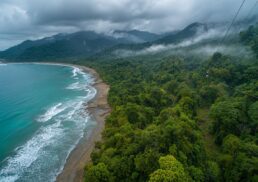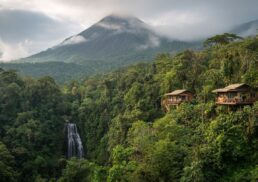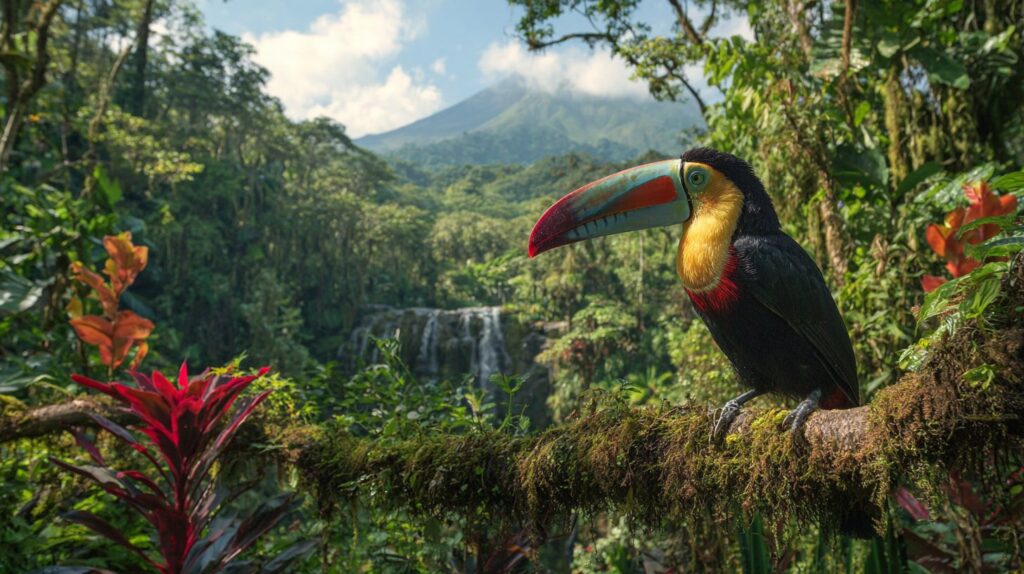
Looking for a spot where sustainable travel actually means something real? Costa Rica keeps drawing people back with its eco-friendly vibe and untouched natural wonders. You’ll see why it’s still topping lists in 2026, from thriving rainforests to community-led spots that feel genuinely good to visit.
Table of Contents
Key Takeaways:
- Costa Rica‘s unmatched biodiversity, with record-breaking species counts, solidifies its status as a global hotspot for ecotourism seeking diverse wildlife encounters.
- Expansive national parks and certified sustainable lodges ensure protected areas to pristine nature without compromising environmental integrity.
- Leading in renewable energy and climate resilience, Costa Rica offers accessible adventure activities like canopy tours, blending thrill with eco-responsibility in 2026.
Biodiversity Hotspot Status
Costa Rica’s diverse ecosystems from rainforests to cloud forests position it as a premier biodiversity hotspot, teeming with unique flora and fauna.
Visitors explore Corcovado National Park in the Osa Peninsula for sightings of tapirs and scarlet macaws amid towering trees. These protected areas support ecotourism by offering trails led by local guides who share insights on conservation. The result draws eco-travelers seeking genuine connections with nature in 2026.
In Tortuguero National Park along the Limn coast, travelers witness turtle nesting during the green season. Canoe trips through canals reveal howler monkeys and basilisk lizards in their habitats. This variety encourages sustainable travel practices like slow travel to minimize visitor pressure.
From Arenal Volcano‘s slopes to Drake Bay‘s shores, Costa Rica’s biodiversity fosters regenerative luxury experiences. Local communities benefit through sodas serving gallo pinto and casado. Embracing pura vida enhances authentic wildlife encounters for mindful visitors.
Record-Breaking Species Counts
Travelers flock to Osa Peninsula and other areas to witness Costa Rica‘s extraordinary concentration of species in compact regions.
Iconic sightings include scarlet macaws soaring over Corcovado and elusive jaguars in dense rainforests. Ethical observation starts with hiring local guides who know animal patterns and respect distances. During slow travel itineraries, opt for early morning hikes to spot quetzals without disturbance.
In Tortuguero, focus on turtle nesting at night with permitted tours that protect afro-Caribbean nesting sites. Use binoculars from boardwalks in national parks to view sloths and poison dart frogs. Pair visits with Puerto Viejo stays for cultural immersion alongside wildlife.
Experts recommend eco-friendly transport like electric vehicle s to lower your carbon footprint. Time trips for green season when fewer crowds allow closer, quieter encounters. This approach supports conservation while embodying sustainable development in Costa Rica‘s protected areas.
Protected Natural Areas
Costa Rica safeguards its natural treasures through an extensive network of protected areas, ensuring long-term conservation amid rising visitor numbers. This system plays a key role in sustainable development by balancing ecotourism with biodiversity protection. It supports local communities through controlled access and revenue sharing.
National parks and reserves cover diverse ecosystems, from rainforest s to cloud forest s. Visitors contribute to conservation via entry fees that fund reforestation and wildlife monitoring. This approach keeps Costa Rica ahead of destinations like Bhutan or New Zealand in managing visitor pressure.
Engaging local guides enhances the experience while promoting low-impact practices. Travelers learn about pura vida principles and regenerative efforts. The network sets the stage for park expansions that prioritize eco-friendly access without straining resources.
Planning visits during the green season reduces crowds and supports slow travel. This fosters a carbon negative footprint, aligning with global standards seen in places like Slovenia or Iceland.
National Parks Expansion by 2026
By 2026, expansions in parks like Arenal Volcano, Tortuguero, and Corcovado will enhance access to pristine habitats while prioritizing conservation. New trails open remote sections of rainforest and cloud forest, designed for low-impact entry. These additions respond to demand for sustainable travel without compromising ecosystems.
To plan a visit, first check official park websites for permit processes, which often require advance booking through local operators. Book during shoulder months like May or November to avoid crowds and embrace green season rains that refresh the landscape. Pair with electric vehicle rentals to minimize your carbon footprint.
- Secure permits online or via local guides in areas like Limn for Tortuguero access.
- Choose eco-lodges near Drake Bay for Osa Peninsula hikes in Corcovado.
- Time arrivals for turtle nesting in Tortuguero, guided by experts on Afro-Caribbean traditions.
- Opt for slow travel by bus or EV from Puerto Viejo, savoring gallo pinto at roadside sodas.
These expansions emphasize regenerative luxury, with zones for permaculture demos and community sodas serving casado. Follow tico time by starting early, respecting trails to protect biodiversity hotspots.
Sustainable Tourism Infrastructure
Costa Rica’s tourism infrastructure integrates eco-friendly practices, from certified lodges to community-led initiatives, supporting local economies. The country has seen steady growth in green accommodations that prioritize regenerative luxury over traditional resorts. These properties blend comfort with conservation in unique ways.
Many lodges feature waste reduction systems tailored to the region’s rainforest and cloud forest environments, such as on-site composting and zero-plastic policies. In areas like Puerto Viejo in Limn, visitors find solar-powered cabins that minimize carbon footprint s. This setup encourages slow travel during the green season.
Community involvement shines through partnerships with local guides who share knowledge of biodiversity in national parks like Corcovado and Tortuguero. Electric vehicle charging stations support EV exploration, reducing reliance on fossil fuels. Travelers experience pura vida while contributing to sustainable development.
Compared to destinations like Bhutan or New Zealand facing visitor pressure, Costa Rica balances ecotourism with protected areas. Options in Osa Peninsula and Drake Bay highlight reforestation efforts alongside permaculture gardens. This infrastructure ensures carbon negative stays remain viable in 2026, even with ETIAS requirements.
Certification Programs for Lodges
Programs like the Green Circle Experience certify lodges that exceed standard sustainability benchmarks, offering travelers vetted regenerative luxury options. These certifications verify commitment to conservation and local communities. Look for the official seal when planning trips to Arenal Volcano or Tortuguero.
To verify certifications, follow these steps:
- Check the lodge’s official status on Green Circle directories.
- Review on-site features like solar power and permaculture gardens.
- Contact local guides for firsthand confirmation of practices.
Certified lodges often compare favorably with solar arrays powering entire properties, unlike basic eco-labels. Permaculture gardens in places like Drake Bay provide fresh produce, cutting transport emissions. This supports turtle nesting sites near Osa.
Book via official directories to ensure authenticity amid rising demand in 2026. Properties embrace afro-caribbean influences in Puerto Viejo, serving gallo pinto and casado at sodas on tico time. Experts recommend these for true ecotourism, easing pressure on areas like Corcovado compared to Iceland’s Skogafoss or Slovenia’s Soca River.
Renewable Energy Leadership
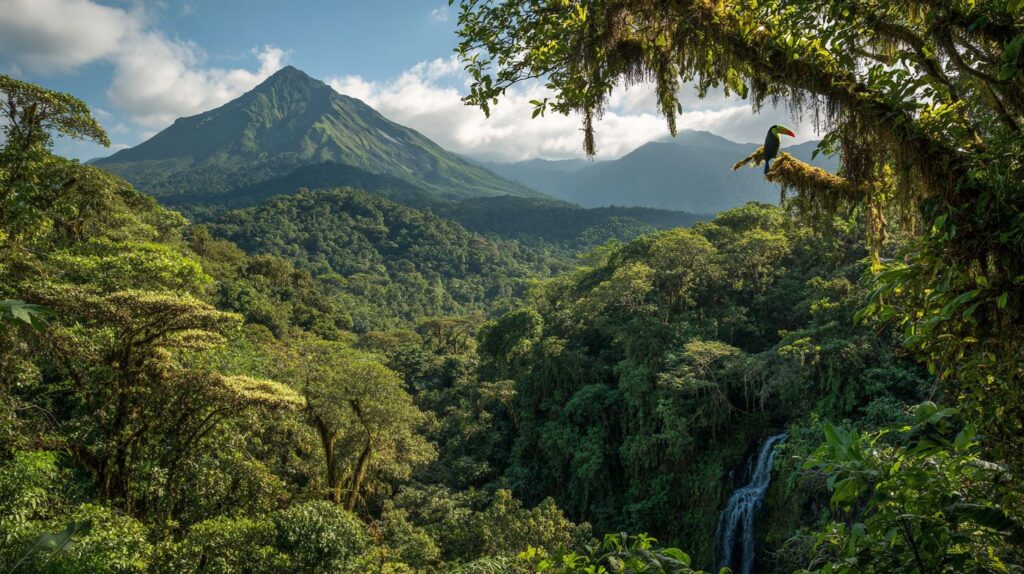
Costa Rica powers its eco-appeal with world-leading renewable energy, including hydropower and expanding electric vehicle infrastructure.
This commitment supports sustainable travel by reducing the carbon footprint for visitors exploring national parks. Travelers enjoy EV charging stations at spots like Arenal Volcano and Corcovado, making eco-friendly road trips practical.
Tech giants like Intel Corporation and CINDE drive green initiatives, drawing clean energy projects to the country. These efforts align with Costa Rica’s carbon negative goals, setting it apart from destinations like Bhutan or New Zealand.
For rentals, opt for electric vehicles from local agencies in San Jos or Limn. Pair them with slow travel routes through Tortuguero and Osa Peninsula to embrace pura vida while minimizing impact.
EV Charging in National Parks
National parks now feature EV charging, easing worries for eco-conscious drivers in 2026. Stations at Drake Bay and Puerto Viejo let you recharge amid rainforest hikes and turtle nesting views.
Experts recommend planning routes with apps that map these spots, especially during green season, using local guides. This setup supports biodiversity protection in protected areas like Tortuguero.
Rent EVs early for regenerative luxury stays near cloud forests in Costa Rica. Local guides can suggest optimal charging times to avoid tico time delays.
Tech-Driven Green Initiatives
Intel Corporation invests in renewable projects, boosting Costa Rica’s appeal for sustainable development. CINDE promotes tech firms that prioritize low-emission operations in areas like Limn.
These partnerships fund reforestation and permaculture in Osa and Drake Bay. Visitors benefit from cleaner air during ecotourism adventures.
Combine visits to tech hubs with park explorations for a full Green Circle Experience. This model inspires places like Bhutan, Slovenia and Iceland facing visitor pressure.
Rental Tips for Eco-Travelers
Choose EV rentals from reputable outfits offering carbon footprint tracking. Book hybrids or full electrics suited for gravel roads to Osa and Corcovado or Arenal Volcano.
- Verify station access near sodas serving gallo pinto and casado.
- Reserve in advance for green season travel to Puerto Viejo.
- Pair with local communities for guided, low-impact tours.
- Carry colones for off-grid spots without ETIAS hassles.
These tips ensure your trip supports conservation while enjoying Costa Rica’s eco-friendly edge.
Climate Resilience Initiatives
Robust initiatives in reforestation and permaculture help Costa Rica build climate resilience, inviting visitors during the green season for lush, low-season experiences. These efforts protect rainforest and cloud forest areas like Corcovado and Tortuguero. Travelers enjoy fewer crowds and vibrant biodiversity.
Plan carbon-negative trips by offsetting through local projects in Limn or Osa. Support reforestation by planting trees with community groups near Drake Bay. This approach reduces your carbon footprint while aiding conservation.
The green season brings advantages like lower costs and turtle nesting views in Puerto Viejo. Rain enhances the eco-friendly landscape, perfect for slow travel. Pair visits with national parks for immersive ecotourism.
- Offset flights via local guides funding permaculture farms.
- Choose electric vehicle rentals for park exploration.
- Stay in regenerative luxury lodges practicing zero-waste.
Actionable Advice for Carbon-Negative Trips
Make your trip carbon-negative by selecting offsets tied to Costa Rica’s sustainable development. Partner with projects restoring protected areas around Arenal Volcano. This supports local communities and mirrors efforts in places like Bhutan or New Zealand.
Opt for slow travel routes from Puerto Viejo to Osa, minimizing flights. Use EV shuttles or bicycles in national parks. Eat at sodas serving gallo pinto or casado to embrace pura vida.
Book with local guides who track visitor pressure in spots like Drake Bay. Verify offsets cover more emissions than you produce. This keeps travel sustainable amid global shifts like ETIAS in 2026.
Green Season Packing Lists and Advantages
Pack light for the green season to ease eco-travel: quick-dry clothes, waterproof boots, and insect repellent. Include a reusable water bottle and solar charger. These choices suit rainy days in afro-caribbean areas like Manzanillo and Limn.
- Layered rain jacket for cloud forest hikes.
- Binoculars for biodiversity spotting in Tortuguero.
- Compact dry bag for beach trips to Puerto Viejo.
Advantages include lush scenery and tico time relaxation without peak crowds. Witness turtle nesting or waterfalls rivaling Iceland’s Skogafoss. Lower rates allow deeper ecotourism in the green circle.
Adventure Eco-Activities

Thrilling yet low-impact adventures allow eco-travelers to connect deeply with Costa Rica’s wild side without harming fragile ecosystems. From zip-lining through rainforest canopies to night hikes in national parks, these activities emphasize sustainable travel. Options span cloud forests near Arenal Volcano and coastal trails in Corcovado.
In Tortuguero and Osa Peninsula, visitors paddle kayaks amid biodiversity hotspots during the green season. Local guides ensure every outing supports conservation and local communities. Electric vehicle shuttles to trailheads keep the carbon footprint low.
Safety protocols include mandatory helmets and harness checks for canopy tours. Operators follow regenerative luxury standards, replanting trees after trails. Slow travel pacing lets you savor pura vida without visitor pressure seen in places like Bhutan or Iceland.
Common choices like wildlife safaris in Drake Bay blend adventure with ecotourism. Book ahead for 2026 to align with ETIAS requirements. These experiences promote carbon negative goals through permaculture partnerships.
Canopy Tours and Wildlife Safaris
Guided canopy tours and wildlife safaris, led by local guides, offer safe glimpses into rainforest canopies and turtle nesting sites. In Puerto Viejo de Limn, zip lines weave through afro-caribbean forests. Tours last about 3 hours, blending thrills with education on reforestation.
To book ethical operators, follow these steps:
- Research certified guides via national parks associations focused on sustainable development, akin to those protecting Taktsang Monastery in Bhutan.
- Verify eco-friendly credentials like green circle certifications and support for local communities.
- Contact operators directly, asking about conservation fees included in prices paid in colones.
- Confirm group sizes stay small to minimize impact on protected areas.
Avoid pitfalls like ignoring weight limits on zip lines, which protect both riders and trees. Overlooking tico time delays can rush experiences, missing golden hours for spotting sloths. Opt for sodas post-tour for gallo pinto or casado to fuel up sustainably.
In Corcovado National Park, safaris reveal howler monkeys at dawn. Guides share insights on turtle nesting in Tortuguero, urging visitors to tread lightly. These outings outshine visitor pressure in New Zealand or Slovenia by prioritizing biodiversity over crowds.
Cultural and Community Immersion
Immerse in tico time and Afro-Caribbean culture in Limn, Puerto Viejo, and Manzanillo through homestays, sodas serving gallo pinto and casado. These spots let you slow down to the relaxed pace of pura vida, where meals become shared stories with locals. Sensory experiences like the scent of fresh coconut rice draw you into daily life.
Stay in family-run homestays to connect deeply with local communities. Wake to the sound of waves and roosters, share breakfasts of rice and beans, and learn about sustainable fishing practices firsthand. This approach supports ecotourism while building genuine bonds.
Join cooking classes to master dishes like patacones or rondn stew. Feel the rhythm of chopping plantains and stirring stews over open fires, guided by elders who share recipes passed down generations. These hands-on sessions foster respect and cultural appreciation.
- Learn basic Spanish phrases like “buenos das” or “pura vida” to greet hosts warmly.
- Participate in community clean-ups along beaches to aid conservation.
- Shop at local markets for fresh produce, using colones to boost the economy.
- Respect tico time by arriving flexibly and embracing unhurried conversations.
Accessibility and Connectivity in 2026
Improved connectivity in 2026, including ETIAS compliance and digital payments in colones, eases access while managing visitor pressure. Travelers from Europe and beyond benefit from streamlined entry processes. This setup supports sustainable travel by encouraging responsible inflows to protected areas.
Direct flights to San Jos and Limn expand options for eco-tourists heading to national parks like Corcovado and Tortuguero. Local airports in Osa and Drake Bay improve access to remote rainforests. These links pair with electric vehicle rentals to cut carbon footprints on arrival.
Digital tools enhance navigation for slow travel during the green season. Apps for booking sodas and finding local guides promote stays in Puerto Viejo’s afro-Caribbean communities. Payments via mobile wallets in colones reduce reliance on foreign cards, boosting local economies.
- Check ETIAS requirements early through official portals for visa-free entry to hotspots like Ostional.
- Download apps like those for gallo pinto at sodas or trail maps in Arenal Volcano.
- Compare cash colones with cards, favoring eco-friendly options to support regenerative luxury.
- Plan for tico time with buffer days for pura vida rhythms.
Step-by-Step 2026 Travel Prep
Begin with visa checks for ETIAS if required, ensuring smooth entry to Costa Rica‘s biodiversity hotspots. Gather health updates and travel insurance covering cloud forests and turtle nesting sites. This prep aligns with ecotourism principles from the start.
Download essential apps for sodas serving casado and gallo pinto, plus maps for Osa Peninsula trails. Include offline translators for chats with local communities. These tools foster authentic connections beyond tourist zones.
Pack light for EV rentals and public buses, minimizing your carbon footprint. Research green season perks like fewer crowds in Tortuguero. Experts recommend confirming bookings with conservation-focused operators.
Comparing Payment Options like colones vs Cards
| Option | Pros | Cons | Best For |
|---|---|---|---|
| Cash Colones | Supports local sodas; no fees | Exchange rates vary | Rural areas like Drake Bay and Osa |
| Cards/Digital Wallets | Convenient; track spending | Merchant fees possible | Urban spots in Limn |
| Mobile Apps | Instant; eco-friendly receipts | Spotty signal in rainforests | Puerto Viejo and Manzanillo stays |
Choose colones cash for sodas and markets to aid sustainable development, promoted by CINDE. Digital options suit regenerative luxury lodges near Arenal Volcano. Balance methods to ease visitor pressure on local economies.
Sustainable Development Impacts
Enhanced connectivity funds reforestation and permaculture projects in protected areas. Revenue from eco-travelers bolsters conservation in Corcovado and cloud forests. This approach mirrors efforts in Bhutan‘s Taktsang Monastery, New Zealand, Slovenia‘s Soca River, and Iceland‘s Skogafoss.
Local guides gain from digital payments, channeling funds to community initiatives. Reduced plastic use via apps cuts waste in Tortuguero rainforest zones. Visitor caps in high-biodiversity spots like Tortuguero and Ostional maintain balance.
Opt for carbon-negative operators to offset flights, embracing pura vida ethos. Support slow travel to lessen impacts on Osa Peninsula. These steps ensure Costa Rica’s edge over peers in green credentials.
Frequently Asked Questions

Why Costa Rica Remains the Ultimate Eco-Travel Destination in 2026?
In 2026, Costa Rica solidifies its status as the ultimate eco-travel destination through its pioneering commitment to sustainability, boasting over 25% of its land protected as national parks and reserves. With biodiversity hotspots like rainforests, volcanoes, and beaches, it offers unparalleled eco-adventures while maintaining carbon-neutral goals and innovative green tourism practices.
What makes Costa Rica stand out as the ultimate eco-travel destination in 2026?
Costa Rica remains the ultimate eco-travel destination in 2026 due to its world-leading conservation efforts, including reforestation projects and wildlife corridors that protect species like sloths, toucans, and sea turtles. Travelers enjoy immersive experiences such as zip-lining through cloud forests, sustainable lodges powered by renewable energy, and partnerships with pioneers like Intel Corporation.
How does biodiversity contribute to why Costa Rica remains the ultimate eco-travel destination in 2026?
The country’s extraordinary biodiversity, hosting 5% of the world’s species despite its small size, is a key reason why Costa Rica remains the ultimate eco-travel destination in 2026. Eco-tourists can explore 12 distinct life zones, from Monteverde’s cloud forests to Corcovado‘s untouched jungles, all supported by community-led eco-initiatives.
Why is sustainability a factor in why Costa Rica remains the ultimate eco-travel destination in 2026?
Sustainability drives why Costa Rica remains the ultimate eco-travel destination in 2026, with 99% renewable energy usage and the Certification for Sustainable Tourism (CST) program ensuring eco-friendly operations. Visitors support local economies through zero-waste resorts and regenerative tourism that preserves ecosystems for future generations.
What eco-adventures highlight why Costa Rica remains the ultimate eco-travel destination in 2026?
Thrilling yet responsible eco-adventures like guided night hikes in Tortuguero, surfing in eco-reserves, and yoga retreats amid volcanoes exemplify why Costa Rica remains the ultimate eco-travel destination in 2026. These activities emphasize low-impact exploration and direct contributions to habitat protection.
How accessible is Costa Rica as the ultimate eco-travel destination in 2026?
Costa Rica remains the ultimate eco-travel destination in 2026 with excellent accessibility via direct international flights to San Jos and Liberia, plus an extensive network of eco-lodges and shuttles. Its “Pura Vida” culture welcomes all travelers with inclusive, nature-focused itineraries tailored for families, solo adventurers, and luxury seekers alike.