Ever wondered Why Fencing Is Gaining Popularity as a Competitive and Fitness Sport in 2026? It’s popping up everywhere from local clubs to Olympic highlights, blending swordplay strategy with real sweat equity. Stick around to see how it’s drawing in newcomers with its mix of agility, smarts, and community vibe.
Table of Contents
Key Takeaways:
- Fencing surges in popularity due to full-body cardio, strength training, and mental focus benefits, offering a dynamic fitness alternative in 2026.
- Olympic triumphs, streaming platforms, and celebrity endorsements boost media exposure, drawing new fans to competitive fencing.
- Improved accessibility with affordable gear, diverse clubs, and esports integration makes fencing inclusive for all skill levels.
Historical Context of Fencing
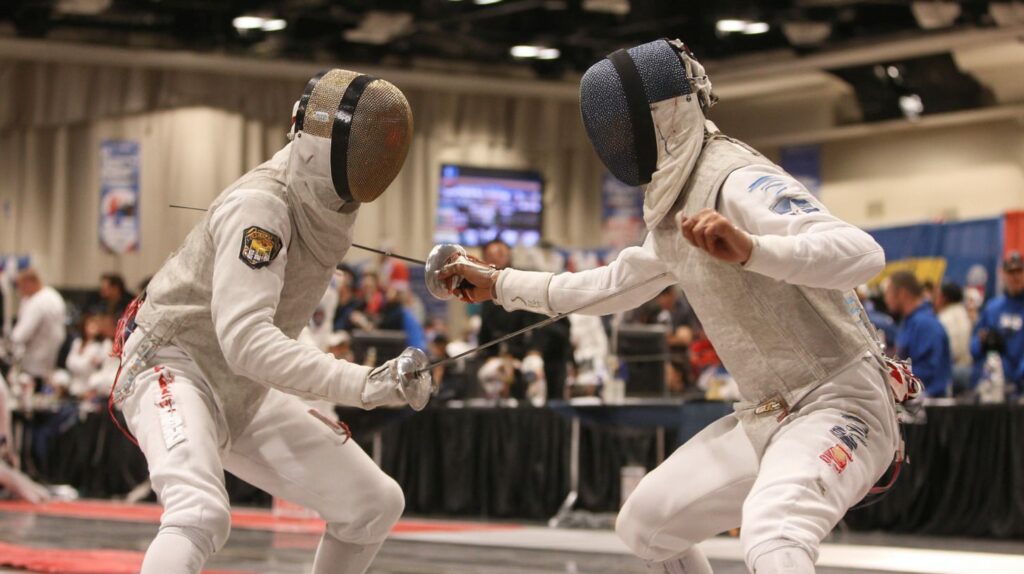
Fencing’s roots trace back centuries, transforming from a deadly art of dueling into a dynamic Olympic sport that captivates modern audiences. Originating in medieval Europe as a skill for noble warriors, it emphasized precision and strategy in combat. Over time, this practice shifted toward formalized training.
By the Renaissance, fencing schools emerged across France and Italy, teaching refined techniques with rapiers. Masters like those from the French school codified movements that survive today. This foundation laid the groundwork for fencing’s growth as a competitive pursuit.
In the modern era, fencing gained traction through international federations and Olympic inclusion. Its blend of agility, tactics, and athleticism now draws fitness enthusiasts. Understanding this history highlights why fencing is gaining popularity as a competitive and fitness sport in 2026.
Today, the sport appeals to diverse ages, offering mental sharpness alongside physical conditioning. From dueling grounds to global arenas, its evolution underscores enduring appeal. This path sets the stage for examining key changes in detail.
Evolution from Dueling to Sport
Once a practical skill for settling disputes with swords among nobility, fencing evolved into a structured sport by the late 19th century. French masters in the 1880s established core rules, standardizing bouts for fairness. This shift prioritized skill over lethal outcomes.
Fencing debuted in the 1896 Olympics, marking its entry as an international competition. Early events used foil, the first regulated weapon focusing on thrusts to the torso. Over decades, epee and sabre joined, each with unique rules: epee allows hits anywhere, while sabre permits cuts to the upper body.
Safety advanced with protective gear like masks and jackets, reducing injury risks. Electric scoring in the mid-20th century revolutionized matches by detecting touches precisely via wires and lights. These innovations made fencing accessible to amateurs and professionals alike.
To connect with this legacy, visit fencing museums or attend historical reenactments. Try handling replica weapons to feel the sport’s roots. Such experiences reveal why fencing thrives as a fitness and competitive sport in 2026, blending history with high-energy workouts.
Health and Fitness Benefits
Fencing delivers comprehensive physical and mental workouts, making it an appealing choice for those seeking a challenging fitness sport. It blends high-intensity cardio with strength training and sharpens cognitive skills in a way few activities match. This unique mix explains why fencing is gaining popularity as a competitive and fitness sport in 2026.
Participants experience explosive movements that elevate heart rates while building muscle endurance. The sport demands quick reflexes paired with strategic planning, offering a full-body reset. Beginners often notice improved stamina after just a few sessions.
Fencing stands out by engaging both sides of the brain and body simultaneously. It provides an experiential edge over repetitive gym routines. This holistic approach draws in fitness enthusiasts looking for variety and depth.
As people prioritize dynamic workouts, fencing’s rise reflects its ability to deliver results without monotony. The blend of physical exertion and mental challenge keeps practitioners hooked long-term.
Full-Body Cardio and Strength
Every fencing bout engages multiple muscle groups through explosive lunges, precise footwork, and rapid arm extensions. These actions build cardiovascular endurance during high-intensity points that last around three minutes. Leg power grows from lunges spanning two to three meters, mimicking powerful strides.
Core stability improves as fencers maintain balance during advances and retreats. Arm and shoulder muscles strengthen from repeated weapon thrusts and parries. This full-body demand creates efficient calorie burn and muscle tone.
Try this sample 30-minute workout routine to feel the benefits at home or in a club:
- Warm-up (5 minutes): Light jogging, arm circles, and dynamic stretches for legs.
- Drills (20 minutes): Practice lunges (10 per leg), footwork patterns (forward-back 5 times), and shadow fencing with a stick.
- Cool-down (5 minutes): Slow walks, deep breathing, and static stretches for quads and hamstrings.
A common mistake is neglecting flexibility training, which can lead to strains. Incorporate yoga poses post-session to enhance recovery and prevent injury. This keeps your fencing practice sustainable.
Mental Agility and Focus
Beyond physical demands, fencing sharpens reaction times and strategic thinking under pressure. Split-second decisions turn each bout into chess at speed, training the brain to process patterns instantly. Hand-eye coordination refines through precise blade control and target hits.
The intense focus acts like mindfulness, reducing stress by clearing mental clutter. Busy professionals find it offers a powerful reset from daily demands. Regular practice builds resilience against distractions.
Boost your edge with this pre-bout visualization technique in five steps:
- Breathe deeply to center yourself.
- Recall common attack patterns from past bouts.
- Anticipate your opponent’s next move.
- Commit to your parry or riposte.
- Execute with full confidence.
Experts recommend this routine to enhance performance. Fencing’s mental gains contribute to its growing appeal in 2026, attracting those who want fitness with brain benefits. It fosters calm clarity that carries into everyday life.
Increased Media Exposure
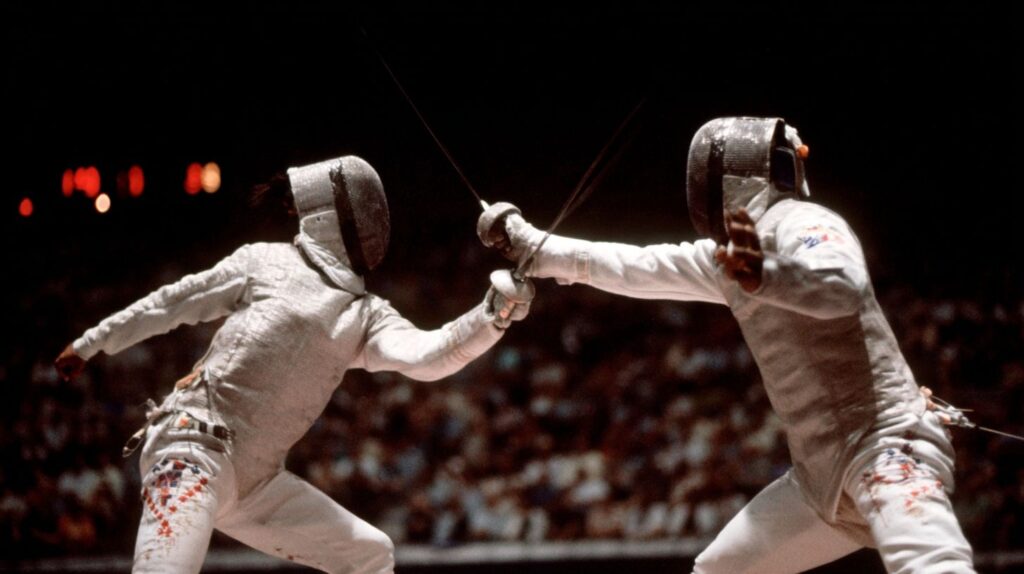
Growing visibility through global events and digital platforms has introduced fencing to wider audiences in recent years. Once a niche sport, fencing now shifts to mainstream appeal thanks to TV broadcasts and streaming services. This change plays a key role in its 2026 popularity surge as a competitive and fitness sport.
Broadcasters highlight fencing’s fast-paced action and strategic depth. Viewers discover its blend of athleticism and intellect. Platforms make matches accessible anytime, drawing in fitness enthusiasts curious about its workout benefits.
The move from obscure competitions to prime-time slots mirrors trends in other dynamic sports. Fans engage more through social media clips and live chats. This exposure fuels interest in local clubs and training programs worldwide.
As fencing gains traction, expect even more coverage in 2026 events. New fans often start with highlights, then explore full bouts. This pathway explains why fencing thrives as both a competitive outlet and fitness pursuit.
Olympic Success and Streaming
Olympic fencing delivers thrilling, high-stakes drama that streaming services now amplify to millions. Dramatic comebacks in recent Tokyo and Paris cycles showcase sword clashes and split-second decisions. These moments hook viewers on fencing’s intensity.
Platforms like Peacock and NBC offer live coverage of Olympic bouts, complete with expert commentary. YouTube channels provide free highlights and breakdowns for quick watches. Fitness fans appreciate how these streams reveal fencing’s cardio and agility demands.
To grasp its appeal, watch specific 2024 bouts like pe finals with their tense tiebreakers or sabre team relays full of speed. Compare this to rising sports like breaking, which also ride media momentum from Olympics. Both gain from viral clips and broad access.
- Start with Peacock’s Olympic fencing playlist for full matches.
- Check YouTube for slow-motion breakdowns of key touches.
- Follow official channels for behind-the-scenes training insights.
Streaming turns casual viewers into dedicated fans, boosting fencing’s rise in 2026. Experts recommend these watches to understand its competitive edge and fitness value.
Accessibility Improvements
Lower barriers to entry, from gear to local clubs, make fencing more approachable than ever. Cost reductions in equipment prices and the spread of clubs across cities fuel this growth. In 2026, these changes help fencing gain popularity as a competitive and fitness sport.
Beginners find starter kits and trial sessions easy on the wallet. Clubs now dot suburbs and urban areas, cutting travel time. This setup draws in fitness enthusiasts seeking a fresh challenge.
Practical entry points include online gear shops and club locators. Many programs start with group classes for quick skill building. These improvements lower the hurdle for newcomers in 2026.
Experts recommend starting slow to build confidence. Local events often showcase fencing’s fun side. Such accessibility drives Why Fencing Is Gaining Popularity as a Competitive and Fitness Sport in 2026.
Affordable Gear and Clubs
Starter fencing kits now cost under $200, with many clubs offering trial classes for $20-30. This pricing opens doors for beginners eyeing fencing’s competitive edge. Quality gear from trusted brands ensures safety and performance.
Basic items like foils, masks, and jackets fit most budgets. Clubs provide rentals at first sessions, easing the initial spend. Proper fit prevents overuse injuries from the start.
| Item | Price Range | Example Brands |
|---|---|---|
| Foil | $50-150 | Blue Gauntlet, Leon Paul |
| Mask | $50-150 | Blue Gauntlet, Leon Paul |
| Jacket | $50-150 | Blue Gauntlet, Leon Paul |
| Glove | $20-60 | Leon Paul, PBT |
| Plastron | $30-80 | Blue Gauntlet |
Use the USA Fencing club locator to find spots nearby. Spend 10 minutes researching basics online. Book an intro class next, often just one hour long.
Follow these steps to join a beginner program: first, buy essentials with proper sizing. Second, attend the trial to test footwork and thrusts. Third, commit to weekly practices for steady progress.
Focus on gear fitting from day one. Ill-fitting masks or jackets lead to discomfort during lunges. Clubs guide newcomers, making 2026 a prime year to start.
Inclusivity and Diversity Growth
Fencing embraces athletes of all ages, genders, and backgrounds, fostering a welcoming community that broadens its appeal. This inclusivity draws in new participants, fueling why fencing is gaining popularity as a competitive and fitness sport in 2026. Diverse groups find a sport that values skill over physical size.
Programs for women and juniors have expanded, with dedicated training sessions building confidence and technique. Adaptive fencing introduces wheelchair categories, allowing athletes with disabilities to compete at high levels. These efforts create pathways for underrepresented fencers to thrive.
Relatable examples include fencers like a young girl from a rural area who won her first regional tournament, or a veteran adapting to wheelchair bouts and inspiring her club. Such stories highlight how supportive environments boost emotional well-being and retention. Participants report feeling give the power toed in these spaces.
- Offer family classes to engage parents and kids together, easing entry for beginners.
- Invest in adaptive equipment like adjustable wheel guards and low-profile strips for accessibility.
- Train coaches in inclusive coaching to welcome diverse skill levels and backgrounds.
Clubs adopting these steps build loyalty and attract newcomers. The emotional benefits of belonging drive sustained interest, positioning fencing for growth in 2026.
Competitive Scene Expansion
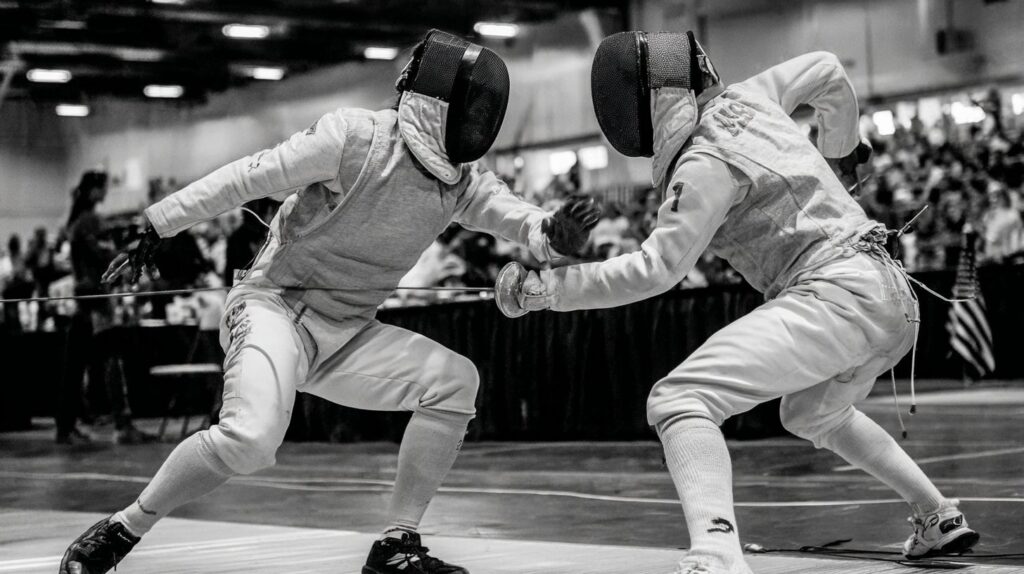
A booming tournament circuit, blending traditional and innovative formats, fuels competitive excitement. Local club matches now feed into regional qualifiers, building pathways to national championships. This structure draws in athletes of all levels, making fencing more accessible.
International events like World Cups and Olympic qualifiers see growing participation. New integrations, such as hybrid events combining in-person and virtual bouts, expand reach. These changes position fencing as a key growth sport in 2026.
Clubs host weekly open tournaments with beginner divisions, while pro circuits offer prize pools and live streams. Grassroots programs partner with schools, boosting youth involvement. This expansion from local to global stages drives the sport’s popularity as both competitive and fitness pursuit.
Event organizers add fun elements like themed costumes in casual leagues. Such innovations keep participants engaged. The rising scene sets the stage for esports integration, further accelerating fencing’s rise.
Rise of Esports Integration
Virtual fencing platforms merge physical skill with gaming, attracting younger competitors. Tools like Virtual Fencing League software pair with VR headsets for realistic training. Athletes practice footwork and timing from home.
Benefits include global tournaments without travel costs or logistics. Replay features allow detailed skill analysis, helping fencers spot weaknesses in parries or lunges. This tech appeals to tech-savvy generations, boosting fencing’s fitness and competitive appeal in 2026.
To try it, follow these steps:
- Download an app like Fencing Vision.
- Calibrate your sensor, which takes about 5 minutes.
- Join an online bout, lasting around 15 minutes.
A common pitfall is ignoring physical practice. Virtual sessions build strategy, but real-world drills maintain blade control and stamina. Balance both for best results in why fencing is gaining popularity.
Celebrity and Influencer Endorsements
High-profile figures sharing their fencing journeys on social media spark widespread interest. Actors with fencing backgrounds, like those from classic films, post about their training routines. This draws fans to see fencing as both a competitive sport and fitness activity.
Influencers amplify the buzz by uploading viral bout clips on TikTok and Instagram Reels. Quick videos of precise lunges and parries rack up millions of views. These clips highlight fencing’s blend of strategy and athleticism, fueling its rise in 2026.
To join the trend, follow #FencingLife creators who share beginner drills. Try simple exercises like footwork patterns or basic thrusts at home. This hands-on approach connects you to the sport’s growing fitness and competitive appeal.
Such endorsements make fencing accessible and exciting. Watching pros execute flawless ripostes inspires newcomers. As 2026 approaches, this social media momentum positions fencing for a popularity surge.
Frequently Asked Questions
Why Fencing Is Gaining Popularity as a Competitive and Fitness Sport in 2026?
Fencing is surging in popularity in 2026 due to its unique blend of high-intensity cardio, strategic mental challenges, and Olympic-level competitive excitement, attracting athletes and fitness enthusiasts seeking a full-body workout that’s both thrilling and accessible.
What makes fencing a great fitness sport in 2026?
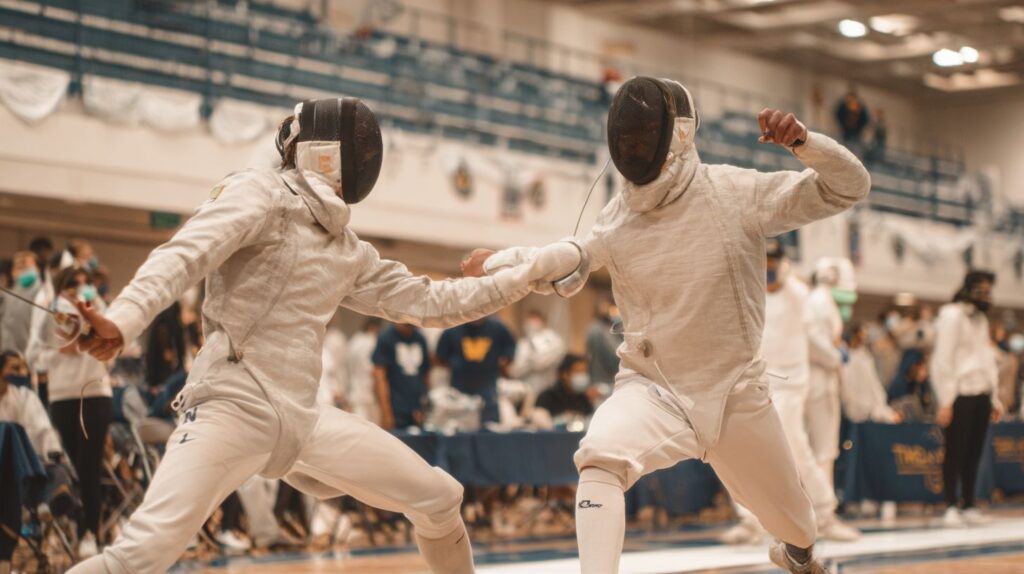
In 2026, fencing’s appeal as a fitness sport stems from its explosive movements that build agility, endurance, and core strength, offering a low-impact alternative to running or weights while burning up to 600 calories per hour, making Why Fencing Is Gaining Popularity as a Competitive and Fitness Sport in 2026 even more evident.
How is fencing growing as a competitive sport in 2026?
Fencing’s competitive scene in 2026 is booming with increased global tournaments, esports integrations, and youth programs, drawing in diverse competitors and viewers, which perfectly illustrates Why Fencing Is Gaining Popularity as a Competitive and Fitness Sport in 2026.
Why are more people joining fencing clubs in 2026?
More individuals are flocking to fencing clubs in 2026 because of its social community vibe, affordable entry-level gear, and proven mental health benefits like improved focus and stress relief, fueling Why Fencing Is Gaining Popularity as a Competitive and Fitness Sport in 2026.
What role does technology play in fencing’s popularity in 2026?
Advanced tech like video analysis tools, wireless scoring systems, and VR training simulations in 2026 are making fencing more engaging and precise, significantly contributing to Why Fencing Is Gaining Popularity as a Competitive and Fitness Sport in 2026.
Is fencing suitable for all ages in 2026’s fitness trend?
Yes, fencing in 2026 accommodates beginners to pros across all ages with adaptive programs, promoting lifelong fitness and competition, a key reason Why Fencing Is Gaining Popularity as a Competitive and Fitness Sport in 2026.