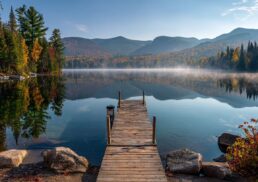
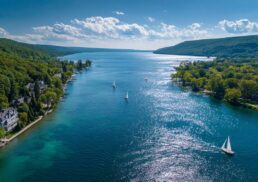
While Vienna, Salzburg, Innsbruck, and Graz draw crowds to Austria’s urban allure, Lower Austria remains an undiscovered treasure for culture and nature enthusiasts. Nestled between the Vienna Woods and the rugged Waldviertel region, it blends serene landscapes with historic gems. Discover why this overlooked province offers authentic escapes, from alpine trails to medieval abbeys, making it the ultimate off-the-beaten-path destination for a road trip.
Table of Contents
Key Takeaways:
- Discover Lower Austria’s breathtaking natural landscapes, from the majestic Danube River valleys to lush alpine foothills, offering serene escapes for nature enthusiasts seeking untouched beauty.
- Explore the region’s rich cultural heritage, featuring historic castles, ancient abbeys, and charming traditional villages that showcase centuries of Austrian artistry and architecture.
- Experience vibrant arts festivals and diverse outdoor adventures like hiking and cycling trails, making Lower Austria an undiscovered paradise blending culture and wilderness.
Stunning Natural Landscapes
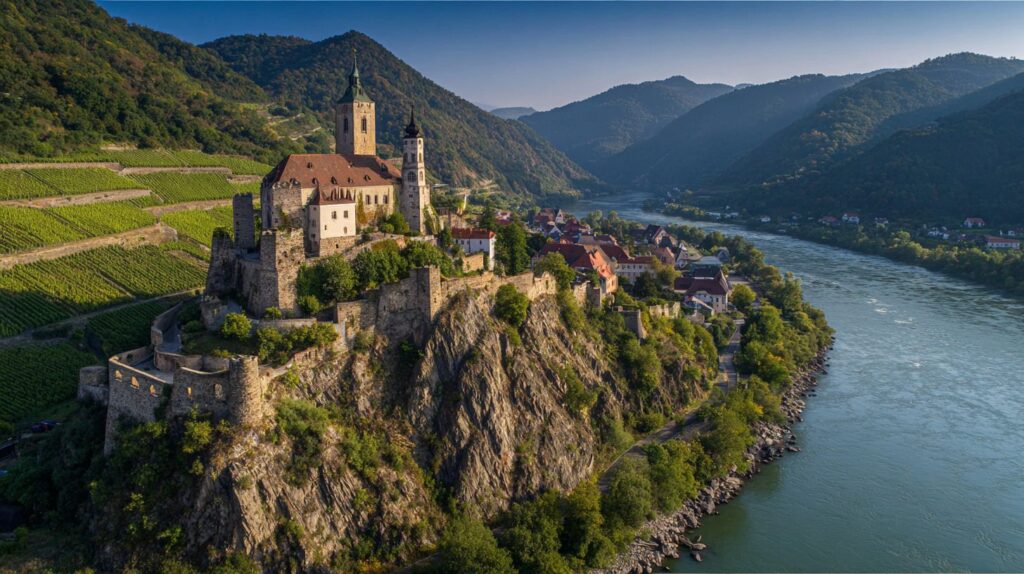
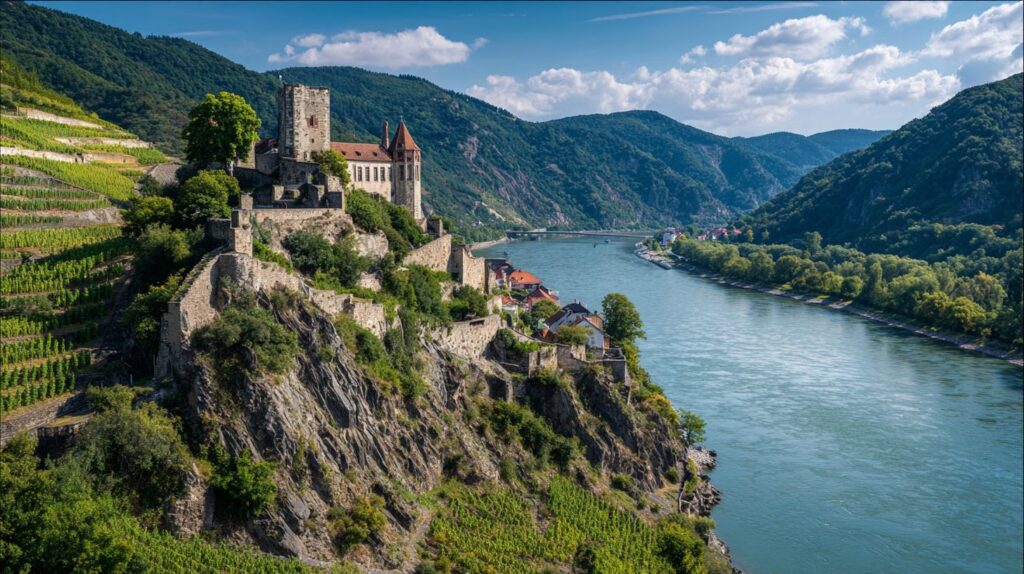
The natural landscapes of Lower Austria present striking contrasts, exemplified by the sinuous Danube River, which winds through the terraced vineyards of the Wachau Valley, and the dense forests that envelop the Alpine foothills surrounding Schneeberg.
The Danube River and Valleys
The Danube River, one of Europe’s major rivers, profoundly influences the landscape of Lower Austria’s Wachau Valley and nearby areas like Donauinsel-a 36-kilometer UNESCO World Heritage site renowned for its terraced vineyards, which yield approximately 2.5 million liters of Grner Veltliner wine each year.
Visitors are encouraged to delve into the region’s cultural heritage, beginning in Krems an der Donau, where guided wine tastings at Weingut Tegernseerhof feature selections of crisp Riesling and other varieties priced at EUR15 per flight.
A 30-minute hike leads to the ruins of Drnstein Castle, offering panoramic vistas of the Danube and evoking the historical imprisonment of Richard the Lionheart.
Amidst the apricot orchards, one may enjoy traditional Marillenkndel dumplings at Hotel Richard Lwenherz for EUR8 per serving.
A 2021 UNESCO report underscores ongoing preservation initiatives to counter climate-related challenges, thereby maintaining the area’s biodiversity.
For an enriching perspective, consider a EUR25 one-hour boat cruise departing from Melk Abbey.
Recommended itinerary:
- On Day 1, embark on a 20-kilometer cycling excursion along the Danube Cycle Path from Krems to Drnstein, with opportunities to pause at select vineyards;
- On Day 2, explore Melk Abbey and the surrounding orchards via e-bike rental, available for EUR20 per day.
Alpine Foothills and Forests
The Alpine foothills of Lower Austria, which attain an elevation of 2,076 meters at Schneeberg, seamlessly transition into the expansive Vienna Woods (Wienerwald), a UNESCO Biosphere Reserve encompassing 1,050 square kilometers and characterized by raised bogs and tranquil ponds.
Schneeberg can be accessed via the Hochschneeberg cable car, which provides a round-trip fare of EUR20 and reaches 1,800 meters in approximately 10 minutes. This facility serves as an excellent starting point for day hikes on well-marked trails, such as the 5-kilometer loop to the Drrenwandalm hut.
The Vienna Woods offer 400 kilometers of trails for exploration, including the 7-kilometer Sparbach bog trail, where red deer sightings are probable in 30% of the forested sections, according to a 2020 WWF report.
For excursions through bog terrain, it is advisable to equip oneself with Ortovox waterproof boots to traverse peat paths with safety and efficacy.
Following a hike, visitors may relax at the renowned thermal spas like the Rmertherme in Baden bei Wien, with entry priced at EUR18 for a 2-hour thermal bath experience.
To minimize encounters with crowds, weekdays are recommended, as a 2022 tourism study reports a 40% increase in visitation during weekends.
Biodiversity and Protected Areas
Lower Austria is renowned for its exceptional biodiversity, encompassing over 3,000 plant species within its protected areas. This rich ecological heritage is actively supported by conservation initiatives, such as those led by ARCHE NOAH, which safeguards 2,200 varieties of heirloom seeds in response to mounting climate threats.
National Parks and Reserves
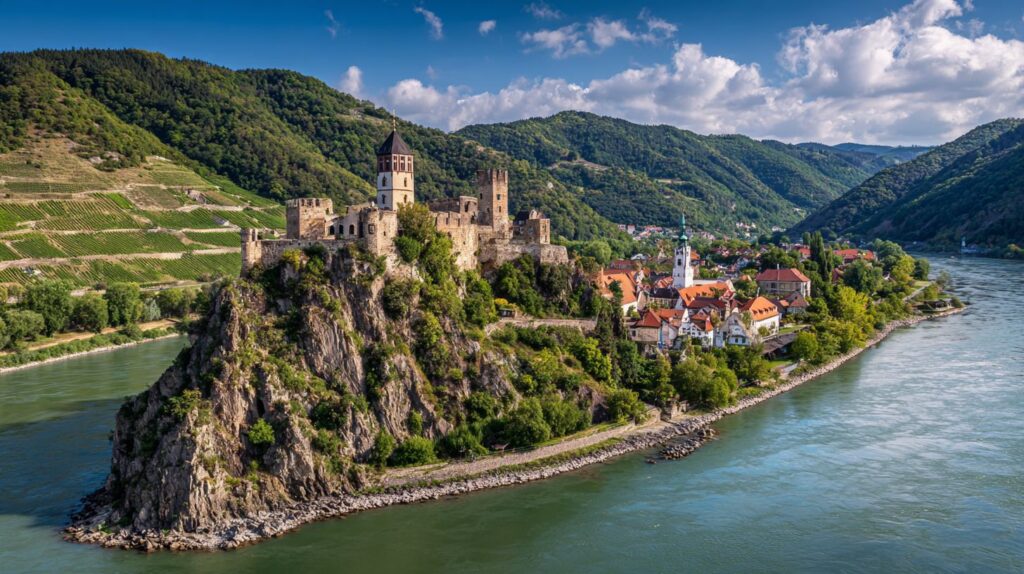
Thayatal National Park, established in 1978 and spanning 2,600 hectares, holds the distinction of being Austria’s oldest national park. It serves to protect the canyons of the Thayatal Valley and a diverse array of 1,200 plant species, including rare orchids that are actively monitored by the organization ARCHE NOAH.
Visitors have the opportunity to explore this biodiversity hotspot through carefully designed hikes and guided tours. Among the principal activities is a moderate two-hour trail beginning in the Thayatal Valley and ascending to the Hennerausblick viewpoint, which involves a 300-meter elevation gain and offers breathtaking vistas of the canyon landscape.
At the Hardegg Castle overlook, visitors enjoy complimentary access to observe the distinctive Wobbly Stones geological formations. Within the Waldviertel reserves, guided tours of the bogs are available for EUR12, providing in-depth insights into raised bog ecosystems that support approximately 50 species of birds.
According to the 2022 IUCN Red List, the park plays a vital role in conserving endangered flora, such as the lady’s slipper orchid.
For navigation, the Komoot application is recommended for mapping trails. The optimal time for a visit is May, when biodiversity reaches its peak; visitors should adhere to park regulations by avoiding the area during summer floods.
Rich Cultural Heritage
The cultural heritage of Lower Austria encompasses a millennium of history and includes more than 4,000 historical monuments such as historic palaces, medieval castles, and abbeys. Notable among these is the Baroque Melk Abbey, a UNESCO World Heritage site that attracts approximately 500,000 visitors annually.
Historic Castles and Abbeys
Established in 1089 on a cliff overlooking the Danube River, Melk Abbey stands as a prime example of Baroque architecture, featuring a 200-meter-long marble hall and a library that contains 80,000 volumes.
Visitors may explore the abbey through guided tours, priced at EUR14.50 and lasting 45 minutes, which emphasize the frescoed church and lavish staterooms. As an integral component of the Wachau Cultural Landscape, designated by UNESCO in 2000, the site honors the region’s medieval monasteries and terraced vineyards for their exemplary cultural integration.
In the vicinity, one can hike to the ruins of Drnstein Castle, a free endeavor requiring a 20-minute ascent, where Richard the Lionheart was held captive in 1192. For further immersion in medieval history, Hardegg Castle offers entry for EUR10, allowing exploration of its 12th-century fortifications.
Audio guides for the abbey can be reserved via the official application. To enhance the experience, consider combining this with a EUR50 Wachau wine tour, as recommended based on 2023 TripAdvisor reviews.
Traditional Villages and Architecture
Charming villages such as Krems an der Donau maintain exemplary half-timbered architecture dating from the 16th century, seamlessly integrating Gothic and Renaissance elements across more than 1,200 preserved structures.
To fully appreciate this heritage, visitors may commence with a complimentary 15-minute walk from the center of Krems to the Steiner Tor gate, a prominent medieval landmark that affords expansive panoramic vistas.
For an experience reminiscent of Hallstatt’s allure in Lower Austria, one should explore the frescoed churches of Weienkirchen, which feature vivid 14th-century artwork set against a backdrop of vine-clad hills.
As noted in the 2022 ICOMOS report on architectural conservation, these locations serve as models of sustainable heritage management in the face of expanding tourism.
For practical exploration, e-bikes may be rented for EUR15 per day, facilitating efficient travel between villages such as Drnstein and covering distances of up to 20 kilometers with ease.
In the evenings, guests are invited to partake in traditional Heuriger wine taverns, where unlimited tastings of local Grner Veltliner are available for EUR20, complemented by Tafelspitz boiled beef, Wiener Schnitzel, pasta dishes, strudels, pastries, and Potato Noodles (EUR22) in inviting inns to provide an authentic culinary encounter.
Vibrant Arts, Festivals, and Cultural Events
Lower Austria hosts more than 500 cultural events annually, ranging from the apricot festivals in the Wachau region, which celebrate a harvest of 100 tons of Marille apricots, to the poppy seed fairs in the Waldviertel that honor the Gray Poppy.
Key highlights include:
- The Wachau Apricot Festival in Krems (July; EUR10 entry fee; sample Marillenkndel for EUR5)
- The Vienna Woods Music Festival (August; complimentary outdoor concerts)
- Thayatal Valley Arts Week (June; workshops for EUR15)
- The Waldviertel Poppy Seed Fair (September; tastings of poppy seeds, Gray Poppy specialties like Waldviertler Mohnnudeln and Brettljausen for EUR8)
These events can be complemented by local culinary offerings, such as grilled porcini mushrooms served with salsa verde (EUR12).
According to data from the Austrian Cultural Ministry for 2023, attendance at these events has increased by 20% following the pandemic.
Tickets may be purchased through the Eventim app for convenient access. Visitors are encouraged to align their trips with the Heuriger season in September, during which over 100 taverns open on weekends to offer wine tastings and regional cuisine.
Outdoor Adventures for Nature Lovers
Explore Lower Austria through exciting activities like hiking, cycling, horse riding, and golfing amidst its stunning forests, raised bogs, rivers, and ponds.
Lower Austria provides a compelling blend of exhilarating adventures and serene escapes across its extensive network of 10,000 kilometers of marked trails. This includes the renowned 350-kilometer Danube Cycle Path along the Danube River, which meanders alongside Donauinsel, Vienna’s premier urban recreational haven.
Hiking Trails and Cycling Routes
The Danube Cycle Path is a predominantly flat 400-kilometer route traversing Lower Austria, attracting approximately 200,000 cyclists annually. Bicycle rentals are available in Krems at a rate of EUR12 per day.
To undertake this renowned segment of the EuroVelo 6 route, it is advisable to structure the journey into stages, typically spanning 5 to 7 days.
- Commence in Vienna and cycle 80 kilometers to Tulln on Day 1, passing through the picturesque vineyards of the Wachau Valley, visiting iconic sites like Melk Abbey and Drnstein Castle. Employ the complimentary Danube Cycle Path application for GPS navigation and to identify suitable stops at heurigers (traditional wine taverns) serving renowned wines such as Grner Veltliner and Riesling.
- On Day 2, proceed 60 kilometers to Krems an der Donau, with the option to rent e-bikes to accommodate the modest 100-meter elevation gain.
It is recommended to pack Ortlieb waterproof panniers for equipment, in accordance with the findings of the 2021 EuroVelo study, which underscores the route’s appeal for family-oriented tours.
Reservations for ferries should be made in advance to facilitate river crossings; it is prudent to avoid peak periods in July to minimize encounters with large crowds.
The average total cost per person is EUR300, encompassing campsite accommodations.
Why Lower Austria Remains a Hidden Gem
In contrast to the bustling destinations of Salzburg and Innsbruck, Lower Austria attracts only 10% of Austria’s 30 million annual tourists, providing visitors with genuine cultural experiences-such as the traditional Waldviertel poppy seed dumplings made with Gray Poppy (Waldviertler Mohnnudeln, priced at EUR10 per serving), Potato Noodles, Wiener Schnitzel, Tafelspitz, and seasonal Marillenkndel featuring the famous Marille-amid pristine and undisturbed landscapes.
This relative seclusion results in a 40% lower crowd density compared to Hallstatt, as reported in 2023 TripAdvisor data, which correlates with 20% higher satisfaction ratings from travelers.
For practical itinerary development, consider a seven-day road trip budgeted at EUR800-significantly less than the EUR1,200 required for a comparable journey in Tyrol. This itinerary may incorporate excursions to Graz for authentic Brettljausen cheese platters accompanied by Grilled Porcini and Salsa Verde, and invigorating hikes along the Danube Valley or the Thayatal Valley.
A practical illustration involves a family of four who realized savings of EUR300 by selecting the thermal spas in Baden bei Wien over more expensive alternatives in other regions.
Enthusiasts of specialized pursuits will find value in the region’s more than 50 golf courses, where the Austrian Golf Association has documented a 15% underutilization rate. This enables golfers to secure tee times at approximately half the standard fee.
Learn more, Discover Lower Austria: A Journey Through Culture & Nature.
Frequently Asked Questions
What makes Lower Austria a hidden gem for culture and nature lovers?
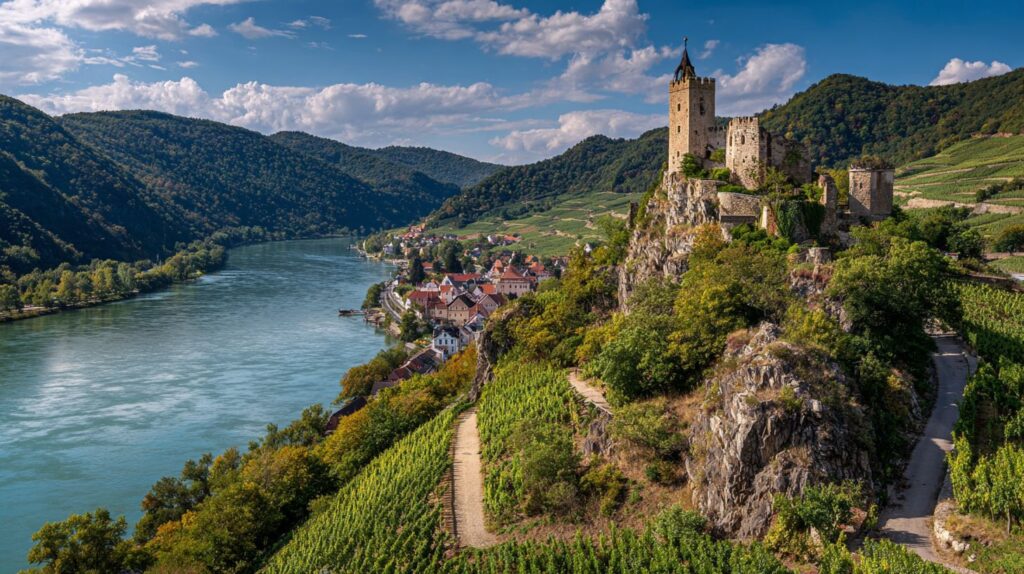
Lower Austria stands out as a hidden gem for culture and nature lovers due to its blend of historic sites like medieval castles and vibrant wine regions alongside stunning landscapes such as the Danube Valley and Wachau UNESCO World Heritage site, the Vienna Woods, and Schneeberg, offering an uncrowded escape from more touristy areas.
Why should culture enthusiasts visit Lower Austria?
For culture lovers, Lower Austria is a hidden gem because it boasts rich heritage including the imperial city of Vienna’s outskirts, ancient abbeys, and traditional festivals, all woven into a tapestry that highlights why Lower Austria is a hidden gem for culture and nature lovers.
What natural wonders define Lower Austria as a destination?
Lower Austria’s natural beauty, from the rolling vineyards of the Weinviertel to the forested trails of the Vienna Woods (Wienerwald), underscores why Lower Austria is a hidden gem for culture and nature lovers, providing serene hikes, river cruises on the Danube River, visits to ARCHE NOAH for biodiversity conservation, and hotspots away from mass tourism.
How does Lower Austria combine culture and nature seamlessly?
Why Lower Austria is a hidden gem for culture and nature lovers lies in its integrated experiences, like exploring baroque gardens at Schloss Hof followed by a bike ride through blooming meadows, creating a harmonious journey through history and the great outdoors.
Are there hidden cultural spots in Lower Austria worth discovering?
Yes, places like Hardegg Castle, the underground lakes of the Seegrotte or the art nouveau architecture in Baden bei Wien reveal why Lower Austria is a hidden gem for culture and nature lovers, offering intimate encounters with local traditions and artistic legacies.
What activities appeal to nature lovers in Lower Austria?
Nature enthusiasts will find birdwatching in the Lainzer Tiergarten, kayaking on the Danube River, hiking to the Wobbly Stones and Hennerausblick in the Thayatal Valley, and stargazing in remote alpine areas near Schneeberg, all contributing to why Lower Austria is a hidden gem for culture and nature lovers with its diverse outdoor adventures.