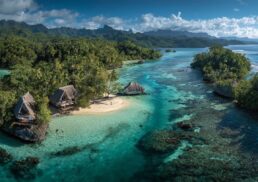
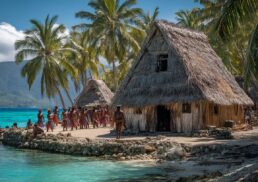
Ever feel like the usual travel spots are getting too crowded? Why Melanesia is the next big adventure travel destination in 2026 makes perfect sense when you think about its wild reefs, volcanoes, and untouched islands. You’ll see why it’s calling adventurers ready for something real.
Table of Contents
Key Takeaways:
- Discover Melanesia’s untouched natural wonders-Why Melanesia Is the Next Big Adventure Travel Destination in 2026-from pristine coral reefs teeming with marine life to dramatic volcanic landscapes and remote islands, offering unparalleled biodiversity.
- Embark on epic adventures like world-class diving, hiking active volcanoes, jungle treks, and kayaking through stunning archipelagos for thrill-seekers.
- Experience rich cultural immersion with authentic tribal encounters and traditional festivals, while 2026 brings improved access, low crowds, and sustainable eco-lodges.
Untouched Natural Wonders
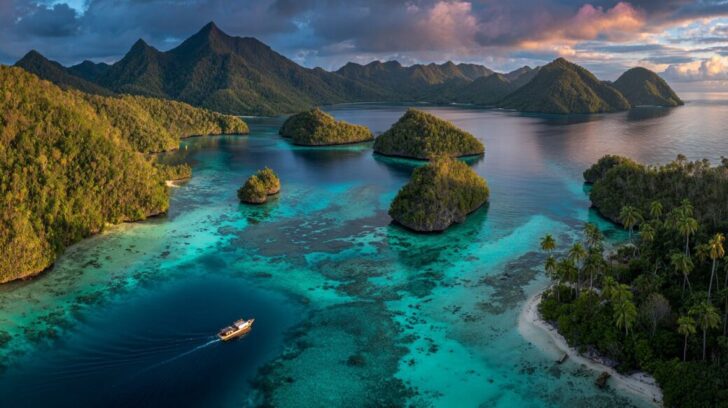
Melanesia’s natural beauty remains largely unexplored, offering adventurers unparalleled access to thriving ecosystems that feel worlds away from mainstream tourism. These pristine environments draw travelers seeking raw, unspoiled landscapes in 2026. Why Melanesia Is the Next Big Adventure Travel Destination in 2026 starts with its isolation from crowded routes.
From vibrant underwater realms to active volcanic terrains, the region preserves ecosystems intact. Visitors find crystal-clear waters and dense rainforests teeming with life. This untouched allure promises intimate encounters with nature’s finest displays.
Travelers can expect minimal human impact, with remote islands shielding biodiversity from overuse. Experts recommend timing visits to avoid peak wet seasons for optimal viewing. These wonders set Melanesia apart as a fresh frontier for adventure seekers.
Guided explorations ensure respect for fragile habitats, enhancing safety and appreciation. The blend of marine and terrestrial spectacles creates endless discovery. Plan ahead to witness Melanesia’s enduring natural splendor firsthand.
Pristine Coral Reefs and Marine Biodiversity
Dive into Melanesia’s coral reefs, home to some of the Pacific’s most vibrant marine life, including colorful fish schools and rare manta rays gliding through crystal waters. The Coral Triangle in the Solomon Islands stands out for its rich diversity. Healthy reef systems support species like turtles and sharks in harmonious balance.
Snorkelers spot schools of parrotfish nibbling algae and reef sharks patrolling edges. These ecosystems thrive due to limited tourism pressure. Why Melanesia Is the Next Big Adventure Travel Destination in 2026 lies in such accessible yet pristine marine havens.
For ethical viewing, choose guided boat tours that maintain distance from reefs. Operators often use buoyancy control briefings to minimize disturbance. Support local initiatives by selecting tours with no-touch policies.
Best times align with calm seas for clear visibility. Pack reef-safe sunscreen to protect these delicate environments. Such practices allow adventurers to enjoy Melanesia’s underwater bounty responsibly.
Volcanic Landscapes and Remote Islands
Explore jagged volcanic peaks and secluded atolls in Vanuatu and Papua New Guinea, where lava flows meet lush rainforests in dramatic, ever-changing formations. Mount Yasur on Tanna Island captivates with its glowing crater. Ash plains stretch out, creating otherworldly vistas unique to the region.
Witness eruptions sending sparks into the night sky from safe viewpoints. These active geological sites offer thrilling proximity to earth’s raw power. Why Melanesia Is the Next Big Adventure Travel Destination in 2026 includes these dynamic landscapes untouched by mass visitors.
Always opt for guided access to navigate hazards like unstable ground and toxic fumes. Local guides provide helmets and timing advice for peak activity. This ensures safety while maximizing the experience.
Combine hikes with island explorations for fuller immersion. Stay alert to weather shifts that influence volcanic behavior. Melanesia’s remote islands deliver unforgettable encounters with nature’s fiery side.
Epic Adventure Activities
From underwater explorations to rugged treks, Melanesia delivers adrenaline-pumping activities tailored for thrill-seekers eyeing 2026 itineraries. This region stands out for its high-octane pursuits that blend raw nature with cultural immersion. Plan ahead by securing permits and local guides to access these unique experiences safely.
Why Melanesia Is the Next Big Adventure Travel Destination in 2026 becomes clear through its diverse options. Divers can explore wrecks and reefs, hikers tackle volcanoes, and kayakers navigate remote waters. Focus on seasonal timing and fitness prep for the best outings.
Operators in Papua New Guinea, Fiji, and the Solomons offer tailored packages. Start with basic training if needed, and always check weather forecasts. These activities promise unforgettable thrills amid untouched landscapes.
Combine pursuits for multi-day adventures, like diving followed by a jungle hike. Local knowledge ensures smooth execution. Gear up properly to make the most of Melanesia’s wild side.
World-Class Diving and Snorkeling
Plunge into sites like the SS Yongala wreck off Papua New Guinea or Rabaul’s WWII relics, where visibility exceeds 30 meters and currents thrill experienced divers. These spots draw adventurers for their rich marine life and historical depth. Melanesia shines as a top pick for 2026 dives.
Plan your trip with these steps. First, get your PADI Advanced Open Water certification for safer deep dives. Next, book with operators like Mike Ball Dive Expeditions at around $500 per day for expert-led trips.
Time visits for the dry season from May to November, when seas stay calm. Essential gear includes a buoyancy control device, regulator, wetsuit, fins, mask, and dive computer. Rent from operators if traveling light.
- Check tide charts daily to avoid strong currents.
- Never skip a buddy system, even with guides.
- Practice equalizing techniques to handle depth changes.
- Watch for common pitfalls like ignoring nitrogen limits on multi-dive days.
Hiking Active Volcanoes and Jungle Treks
Tackle the 1-hour ascent to Mount Yasur’s rim for nightly lava shows, or venture on multi-day jungle trails through Papua New Guinea’s Kokoda Track. These hikes offer raw volcanic power and dense rainforest challenges. They highlight why Melanesia tops adventure lists for 2026.
Outline your itinerary carefully. The classic 3-day Kokoda trek requires moderate fitness for steep climbs and river crossings. Book guides from local operators at about $100 per day for navigation and safety.
Warn against solo hikes due to tricky terrain and navigation issues. Carry a first-aid kit, insect repellent, sturdy boots, and plenty of water. Train with hill walks beforehand to build endurance.
- Start early to beat midday heat on volcano ascents.
- Follow marked trails to avoid getting lost in jungles.
- Respect local customs by joining group tours when possible.
- Monitor weather for sudden rain that slicks paths.
Kayaking Through Archipelagos
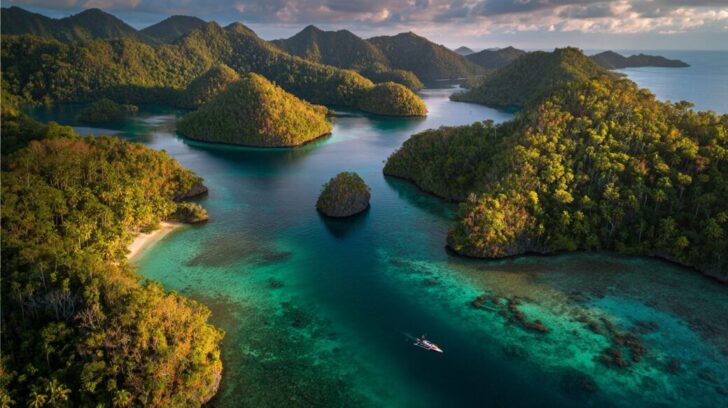
Paddle between Fiji’s Yasawa Islands or Solomon’s Marovo Lagoon, navigating turquoise lagoons dotted with limestone karsts and hidden coves. This activity suits paddlers seeking serene yet adventurous waters. It cements Melanesia’s status for 2026 adventure travel.
Follow this step-by-step approach. Rent sea kayaks from eco-outfitters like Rosie’s Piv Piv at around $50 per day for stable, ocean-ready models. Plan 4-7 day routes with pre-scouted campsites along the way.
Pack dry bags for gear, plus a repair kit, paddle float, and signaling whistle. Always check weather reports and use a buddy system for open-water safety. Spot marine life from your kayak as a bonus.
- Launch during calm mornings to ease into paddling.
- Anchor securely at campsites away from tides.
- Carry enough food and water for self-supported trips.
- Avoid night paddling due to navigation hazards.
Rich Cultural Immersion
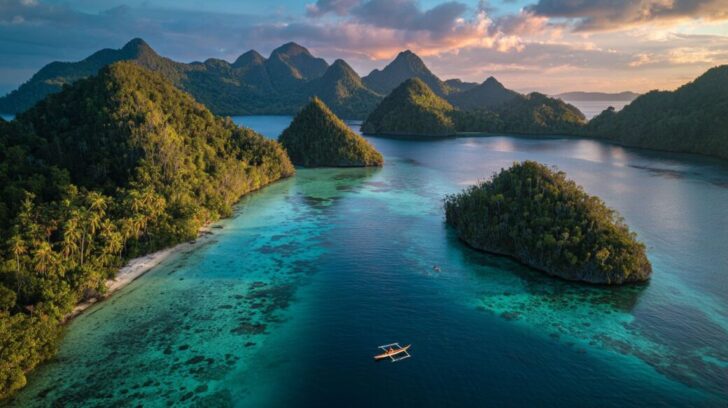
Connect deeply with Melanesia’s indigenous communities, from Papua New Guinea’s Highlands tribes to Vanuatu’s land divers, for transformative encounters. In 2026, this region stands out for travelers seeking meaning beyond scenery. Authentic interactions with locals offer profound insights into ancient traditions.
Why Melanesia Is the Next Big Adventure Travel Destination in 2026 lies in its unfiltered cultural depth. Visitors join daily life, share meals, and learn customs firsthand. These experiences create lasting bonds unlike tourist hotspots elsewhere.
Ethical engagement ensures communities benefit directly. Choose operators focused on sustainability. Prepare for humility and respect to make your trip truly rewarding.
From village homestays to ceremonial observances, rich cultural immersion defines Melanesian adventures. Plan ahead to align with key events for the fullest experience.
Authentic Tribal Encounters
Visit Huli Wigmen in Papua New Guinea’s Southern Highlands, sharing sing-sings and learning bilum weaving in village homestays. These encounters provide genuine glimpses into daily life. Homestays let you sleep in traditional huts and eat local foods.
Recommend ethical tours through operators like Trans Niugini, around $300 per night including meals. They prioritize community-led visits. This setup supports locals while avoiding exploitation.
Always seek consent for photos and offer reciprocity, such as bringing trade goods like cloth or tools. Respect privacy by not entering sacred areas uninvited. These steps build trust and enrich your journey.
- Participate in weaving sessions with women elders.
- Join men in preparing for sing-sings with body paint.
- Exchange stories around evening fires.
- Learn about kinship systems through guided talks.
Steer clear of staged experiences promoted online. Why Melanesia Is the Next Big Adventure Travel Destination in 2026 lies in true authenticity from patient, respectful immersion in tribal encounters.
Traditional Festivals and Ceremonies
Time your trip for Vanuatu’s Land Diving on Pentecost Island or Solomon Islands’ Tuna Harvest Festival, witnessing rites passed down generations. These events showcase rituals central to community identity. Land Diving, from April to June in 2026, draws from ancient coming-of-age traditions.
Book through community cooperatives for authentic access. They manage visitor numbers to preserve the events’ integrity. Early reservations ensure spots during peak times.
Maintain respectful observation distances and participate only when invited. Dress modestly and follow local guides’ instructions. Gifts like kava or beads show appreciation without intrusion.
- Land Diving on Pentecost: Watch divers leap from 100-foot towers.
- Tuna Harvest in Solomon Islands: Observe fishing rites and feasts.
- Papua New Guinea Goroka Show in September: Experience highland dances.
- Yawata Yam Festival in Tanna: Join sand drawing ceremonies.
These festivals highlight why Melanesia captivates adventure seekers in 2026. They offer windows into living heritage, far from commercialized spectacles.
Emerging Infrastructure Boom
Strategic investments are transforming access, with new flights and lodges making Melanesia’s remoteness more reachable for 2026 adventurers.
Governments and private operators focus on eco-friendly upgrades to ports and airstrips. These changes open up islands once limited to seasoned explorers. Travelers now find reliable paths to remote atolls and highlands.
Road networks expand in Papua New Guinea and the Solomons, linking villages to key hubs. Upgraded docks support faster ferry services between Vanuatu and Fiji. This boom supports Why Melanesia Is the Next Big Adventure Travel Destination in 2026.
Experts recommend planning around seasonal works to avoid delays. Local partnerships ensure developments respect cultural sites. The result draws more visitors without overwhelming fragile ecosystems.
New Eco-Lodges and Sustainable Resorts
Stay at dive-focused resorts like Papuan Highlands or Vanuatu’s Ratua Private Island, blending luxury with zero-waste practices.
These properties use solar power and rainwater systems to minimize impact. Guests enjoy private villas amid coral reefs or rainforests. Booking direct often waives extra sustainability fees while supporting local staff.
| Resort | Location | Price/Night | Features |
|---|---|---|---|
| Ratua Private Island | Vanuatu | $400+ | Solar-powered villas, organic farm-to-table dining, reef-safe diving |
| Papuan Highlands | Papua New Guinea | $350+ | Treehouse stays, birdwatching trails, community-led tours |
| Hideaway Resort | Solomon Islands | $300+ | Overwater bungalows, zero-plastic policy, cultural workshops |
Choose based on activities like snorkeling or hiking. Direct bookings help fund conservation efforts. This setup makes Melanesia ideal for conscious travelers in 2026.
Improved Air and Sea Access
Direct flights from Australia to Port Vila (Air Vanuatu) and expanded ferries like Solomon Airlines’ inter-island routes cut travel times significantly.
From Brisbane to PNG takes about 2.5 hours round-trip for around $400. Schedules run daily from major hubs, with tips like booking six months ahead for peak seats. Small-plane charters reach remote spots at roughly $150 per hour.
- Brisbane to Port Moresby: Frequent daily flights via Qantas or Air Niugini.
- Sydney to Honiara: Weekly direct with Solomon Airlines.
- Inter-island ferries: Daily from Port Vila to Tanna, book via local agents.
Pack light for small planes to island airstrips. Ferries offer scenic views but check weather apps for delays. These routes make Why Melanesia Is the Next Big Adventure Travel Destination in 2026 a reality for more explorers.
Why 2026 Is the Perfect Time
As global travel rebounds, 2026 positions Melanesia at the sweet spot of accessibility and exclusivity for discerning explorers. Infrastructure upgrades in Papua New Guinea and Vanuatu make remote islands reachable without the chaos of mass tourism. This timing lets adventurers enjoy pristine coral reefs and volcanic hikes in near solitude.
Government programs roll out new eco-trails and certified guides by next year. Flexible booking policies emerge as airlines add routes from Australia and Asia. Why Melanesia Is the Next Big Adventure Travel Destination in 2026 becomes clear with these strategic developments.
Travelers benefit from lower costs on early bookings and personalized itineraries. Shoulder seasons offer even fewer visitors amid improving weather. Position yourself now for an unmatched adventure travel experience.
Experts recommend planning ahead to secure spots with operators focused on sustainability. This window combines ease of access with authentic encounters before crowds arrive.
Post-Pandemic Recovery and Low Crowds
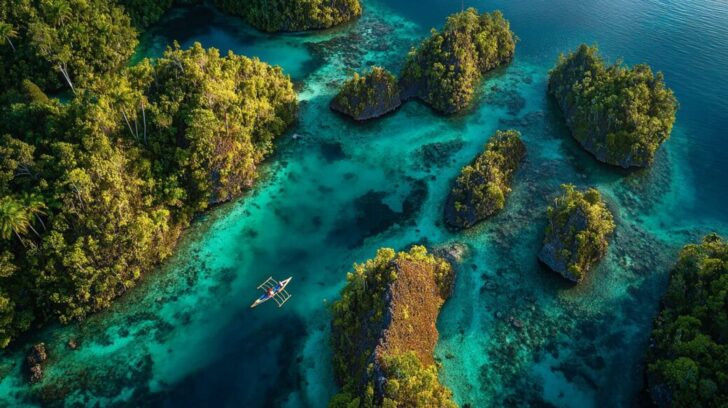
With tourism still ramping up, expect empty trails and personal interactions, unlike overcrowded spots elsewhere. Melanesia’s recovery means smaller groups on dives and treks. Compare this to pre-2020 Galapagos, where boats packed popular sites.
Operators now offer flexible bookings, allowing changes for weather or personal schedules. This setup ensures intimate experiences, like guiding your own kayak through fjords in New Ireland. Solitude enhances wildlife sightings, from birds-of-paradise to dolphins.
Opt for shoulder-season travel from March to May or September to November for optimal peace. These periods bring mild rains and fewer visitors, perfect for hiking Mount Hagen or snorkeling Espiritu Santo. Pack light layers for variable conditions.
- Book with small-group specialists for personalized pacing.
- Choose homestays over resorts to connect with locals.
- Monitor weather apps for dry spells in your target islands.
Government Tourism Initiatives
Papua New Guinea’s 2026 Vision and Vanuatu’s sustainable blueprint fund trails, training, and marketing to welcome responsible visitors. These plans build eco-friendly lodges and certify guides in conservation. Travelers support growth by picking verified partners.
PNG’s eco-certification program ensures operators follow waste reduction and community benefits. Seek tours with these badges for authentic dives at Kimbe Bay or cultural stays in the Trobriand Islands. This choice aids long-term preservation.
Visa-on-arrival eases entry for most nationalities, often free or low-cost for short stays. Pair this with government-backed apps for trail maps and safety tips. Examples include Vanuatu’s digital booking portals for remote atolls.
- Verify operator certifications on official tourism sites.
- Choose itineraries funding local schools or reef projects.
- Carry reusable gear to align with sustainability goals.
Sustainable and Responsible Travel
Prioritizing the planet and people ensures Melanesia’s wonders endure, with community projects leading the way. Ethical practices matter for 2026 travelers who want their adventures to benefit local ecosystems and residents. This approach keeps the region’s pristine beaches and reefs intact for future visits.
Choose operators that support conservation initiatives in places like Fiji and Papua New Guinea. These efforts focus on protecting biodiversity while boosting community economies. Travelers play a key role by selecting trips that fund habitat restoration and cultural preservation.
Responsible travel means minimizing your footprint through simple habits, such as using reef-safe sunscreen. Experts recommend packing out all waste and respecting wildlife viewing distances. Such actions help position Melanesia as the next big adventure travel destination in 2026 without compromising its natural appeal.
Engage with local guides who share knowledge of sustainable fishing and forest management. These interactions build mutual respect and provide authentic experiences. By traveling this way, you contribute to long-term environmental health across the islands.
Community-Led Conservation Projects
Join reef restoration with Dive Wakatobi or turtle monitoring in the Solomons, contributing directly to local efforts. These projects give the power to residents to protect their natural heritage while offering hands-on involvement for visitors. Participation strengthens community ties and marine health.
Volunteer for 3-7 days as a low-cost add-on, often around $200, to assist in planting coral fragments or tracking endangered species. Programs in Vanuatu focus on mangrove restoration to combat erosion. This direct help amplifies conservation impact during your Melanesia adventure.
- Follow Leave No Trace principles by packing out trash and avoiding single-use plastics on remote hikes.
- Choose tour operators that donate to initiatives like Fiji’s coral nurseries, ensuring funds reach frontline workers.
- Support homestays run by indigenous groups, channeling spending into village-led wildlife patrols.
These steps make your trip part of the solution, preserving Melanesia’s biodiversity. Local leaders guide these projects, blending adventure with purpose. In 2026, such involvement cements the region’s status as a top ethical destination.
Practical Travel Tips
Navigate Melanesia confidently with these targeted tips for a seamless 2026 adventure. Focus on major entry points like Port Vila in Vanuatu or Honiara in the Solomon Islands, both with direct flights from Australia and Fiji. Prepare by checking visa requirements online and booking ferries early for island hops.
Register with your embassy before departure and secure travel insurance covering medical evacuations. Pack light for multi-island trips and download offline maps. These steps ensure smooth logistics amid Melanesia’s remote allure.
Why Melanesia Is the Next Big Adventure Travel Destination in 2026 starts with smart planning. Budget for cash-only spots and carry USD for exchanges. Experts recommend arriving during dry season from May to October for safer travel.
Best Islands to Visit First
Start with accessible gems: Efate (Vanuatu) for volcanoes and beaches, then Guadalcanal (Solomons) for history and dives. These spots offer direct flights and easy links, ideal for first-timers eyeing Melanesia’s wild beauty in 2026.
Ranked by accessibility: 1) Efate with international arrivals; 2) Espiritu Santo via short flight; 3) Guadalcanal for WWII sites; 4) Tanna in Vanuatu by ferry; 5) Malekula for tribal culture.
For a 7-10 day itinerary, fly into Efate, hike Yasur Volcano, then ferry to Tanna for ash plains. Next, plane to Espiritu Santo for blue holes and wreck dives, linking to Guadalcanal by flight for Tulagi dive sites and jungle treks. End with beach relaxation before departing.
This flow maximizes adventure while minimizing transit hassles. Local guides enhance safety on remote trails. Melanesia’s island chain rewards patient planners with unmatched experiences.
Packing Essentials and Safety
Pack reef-safe sunscreen, quick-dry clothes, and a comprehensive med kit for tropical conditions and remote access. Prioritize long sleeves and pants to fend off bugs in humid forests. Lightweight rain gear proves vital during sudden downpours.
Health prep includes malaria prophylaxis, so consult your doctor weeks ahead. Carry prescriptions, water purification tablets, and a first-aid kit with antihistamines for stings. Travel insurance with evacuation coverage is non-negotiable for off-grid spots.
- Register with your embassy for alerts.
- Secure dive certifications if planning reefs.
- Avoid isolated hikes alone; hire locals.
- Pack sturdy water shoes for slippery rocks.
Common mistakes like skimping on rain gear lead to misery. Stick to these tips for safe exploration of why Melanesia Is the Next Big Adventure Travel Destination in 2026. Stay vigilant with currents and wildlife for worry-free thrills.
Frequently Asked Questions
What makes Melanesia the next big adventure travel destination in 2026?
Melanesia, encompassing countries like Papua New Guinea, Fiji, Solomon Islands, and Vanuatu, is poised to explode as the ultimate adventure travel hotspot in 2026 due to its untouched wilderness, diverse ecosystems, and authentic cultural experiences that remain largely undiscovered by mass tourism.
Why is 2026 the perfect year to visit Melanesia for adventure travel?
2026 marks a pivotal year for Melanesia as the next big adventure travel destination with improved infrastructure, new eco-lodges, and sustainable tourism initiatives launching across the region, coinciding with global post-pandemic cravings for raw, off-grid adventures while destinations like Iceland and Patagonia become overcrowded.
What adventure activities can I expect in Melanesia in 2026?
In 2026, Melanesia solidifies its status as the next big adventure travel destination with world-class diving among coral reefs teeming with marine life, trekking through volcanic landscapes and ancient rainforests, surfing uncrowded breaks, and kayaking remote archipelagos in Papua New Guinea and Vanuatu.
How does Melanesia stand out from other adventure destinations?
Unlike saturated spots like New Zealand or Costa Rica, Melanesia is the next big adventure travel destination in 2026 because of its unparalleled biodiversity-home to unique species like tree kangaroos and birds of paradise-combined with tribal cultures that offer immersive, respectful encounters unavailable elsewhere.
Is Melanesia safe and accessible for adventure travelers in 2026?
Yes, by 2026, Melanesia emerges as the next big adventure travel destination with enhanced safety measures, direct flights from Australia and Asia, reliable guiding services, and community-led tourism that prioritizes traveler security while preserving the region’s wild authenticity.
What should I pack for an adventure trip to Melanesia in 2026?
For Melanesia as the next big adventure travel destination in 2026, pack quick-dry clothing, high-quality reef-safe sunscreen, sturdy hiking boots for rugged terrain, malaria prophylaxis, a waterproof dry bag for diving gear, and a satellite communicator for remote areas with limited cell service.