North American food culture is a vibrant blend of innovation and tradition, showcasing the rich tapestry of American cuisine, including beloved comfort food and Southern cuisine. Influenced by culinary traditions from Indigenous peoples to contemporary chefs like Sam Oriach at CookUnity, the diversity of regional cuisine offers iconic meals that reflect both history and creativity. This article explores how these dynamic influences shape the evolving landscape of American food, revealing what makes it a unique culinary experience worth savoring.
Table of Contents
Key Takeaways:
- North American food culture is a unique blend of tradition and innovation, influenced by both indigenous contributions and colonial impacts throughout history, reflecting the diverse influences in American foodways.
- Regional varieties, such as Southern cuisine and New England flavors, add to the diverse and dynamic nature of North American food culture.
- The modern innovations of fusion cuisine and the farm-to-table movement showcase the constant evolution of North American food culture, influenced by globalization and current food trends.
Historical Influences
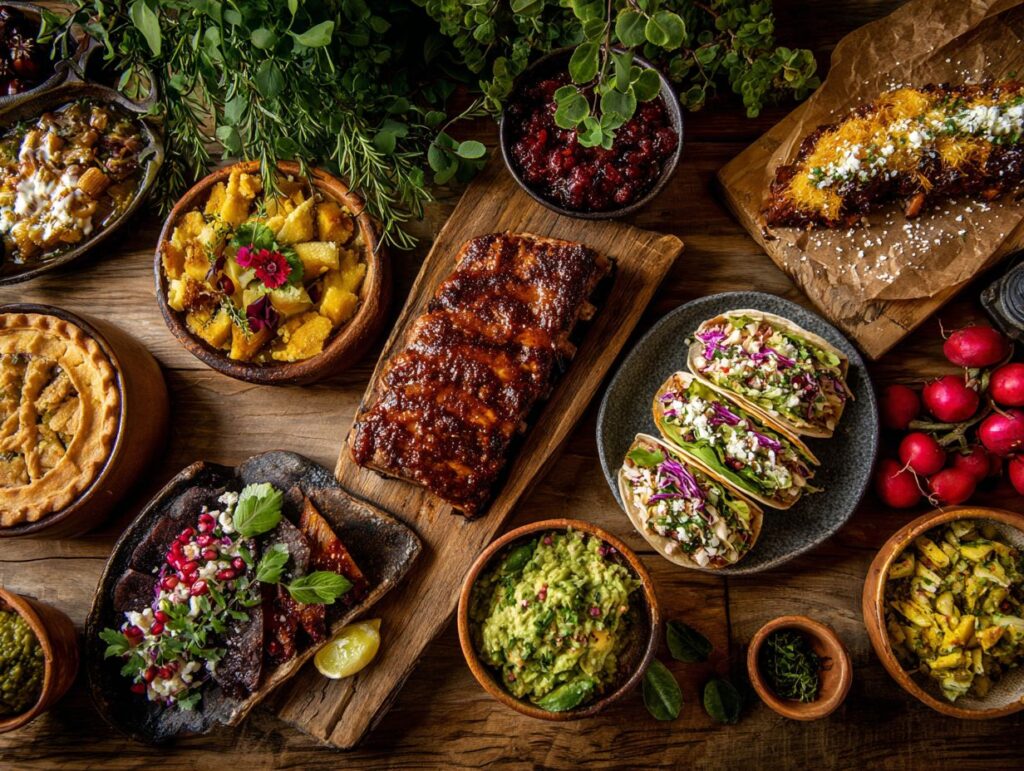
The evolution of North American cuisine is profoundly influenced by its historical context, shaped by both indigenous populations and colonial settlers.
Indigenous Contributions
Indigenous peoples have significantly contributed unique ingredients and cooking methods, which are integral to Native American cuisine, that have become foundational elements of American food culture, including staples such as corn, beans, and squash.
These ingredients serve as the basis for traditional dishes like succotash, which is a mixture of corn and beans simmered together, as well as frybread, a deep-fried bread commonly accompanied by both savory and sweet toppings.
The practice of cultivating the Three Sisters-corn, beans, and squash-exemplifies sustainable farming practices and the concept of harmonious growth.
Regions such as the Southwest highlight ingredients like chiles and cactus, which are integral to Native American cuisine and have profoundly influenced broader regional dishes. This influence has led to a rich amalgamation of flavors and cooking techniques that characterize modern American cuisine.
Colonial Impacts
Colonial influences introduced new ingredients and culinary techniques that, when combined with indigenous practices, significantly shaped early American cuisine.
European colonizers brought a variety of spices, such as black pepper and nutmeg, which enhanced the flavor profiles of indigenous dishes. The introduction of livestock, including pigs and chickens, transformed protein sources and facilitated the creation of richer stews and hearty meals.
Culinary techniques, such as frying, which were brought by the English, became foundational in Southern cooking and influenced iconic dishes like fried chicken and catfish.
This fusion of culinary traditions not only resulted in new flavor combinations but also established the groundwork for fast food culture, with certain dishes becoming staples in American dining. This demonstrates a lasting impact on the culinary landscape of the nation.
Regional Varieties
Regional varieties exemplify the localized culinary identities that shape American food culture, ranging from Southern comfort food to New England seafood traditions, including iconic meals like crab cakes and lobster rolls.
Southern Cuisine
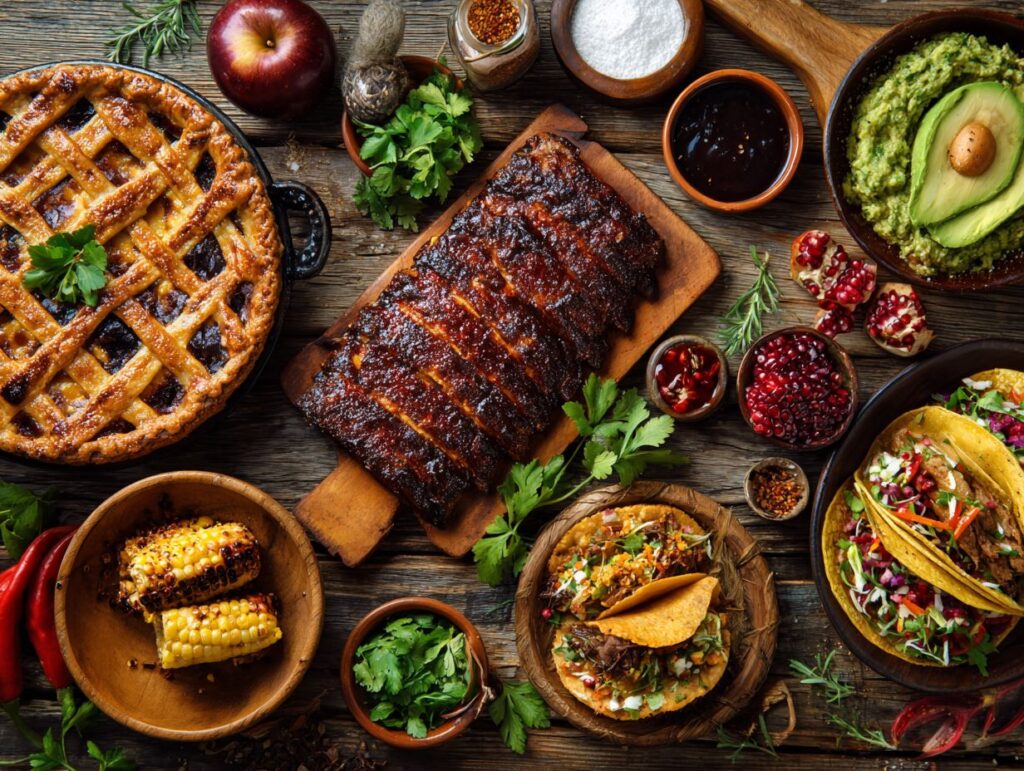
Southern cuisine represents a rich convergence of flavors and cooking techniques, with iconic comfort food staples such as fried chicken and collard greens at its core. This culinary tradition places significant emphasis on local ingredients, including cornmeal, okra, and tomatoes, which are frequently featured in classic dishes like cornbread and gumbo.
Southern barbecue serves as a cultural cornerstone, fostering community connections through the celebration of slow-cooked meats, such as pulled pork and brisket, which are often accompanied by tangy sauces, epitomizing the essence of BBQ. Such shared meals are integral to celebrations, reinforcing bonds among families and friends.
Utilizing tools such as smoking guns and cast-iron skillets can greatly enhance home cooking, enabling culinary enthusiasts to replicate traditional flavors. By incorporating seasonal produce into their dishes, individuals can embrace this rich heritage and ensure an authentic Southern dining experience.
New England Flavors
New England cuisine is distinguished by its rich seafood traditions, with iconic dishes such as lobster rolls and clam chowder epitomizing the region’s maritime heritage. Seafood occupies a central role in New England cuisine, complemented by local specialties that include baked beans, which reflect the region’s colonial history, and autumn harvest dishes that feature ingredients such as cranberries and pumpkins, showcasing unique flavors.
Lobster rolls-prepared with fresh lobster combined with mayonnaise and served in a buttered roll-are an essential culinary experience, while clam chowder, a creamy soup composed of clams and potatoes, provides comfort during the cold winter months.
The cultural significance of these dishes is further emphasized by local festivals, such as the Maine Lobster Festival, which unite communities in celebration of their culinary heritage.
Checkout The best food and drinks to try in New England.
Modern Innovations
Contemporary innovations in American cuisine emphasize a transition toward sustainability and creativity, characterized by trends such as fusion cuisine and the farm-to-table movement.
Fusion Cuisine
Fusion cuisine integrates elements from various culinary traditions, resulting in innovative dishes that embody America’s diverse cultural landscape, characterized by ethnic fusion. Renowned chefs such as Roy Choi, recognized for his Korean taco truck Kogi, skillfully combine Korean flavors with Mexican street food, creating memorable taste experiences.
Similarly, Masaharu Morimoto’s sushi burritos merge traditional Japanese ingredients with the convenience of a handheld meal, catering to the preferences of contemporary diners. These culinary innovations push the boundaries of conventional gastronomy by promoting experimentation; for instance, a classic Italian risotto may be enhanced with Thai curry spices.
Such cross-cultural approaches not only tantalize the palate but also facilitate a culinary dialogue that honors and celebrates diversity.
Farm-to-Table Movement
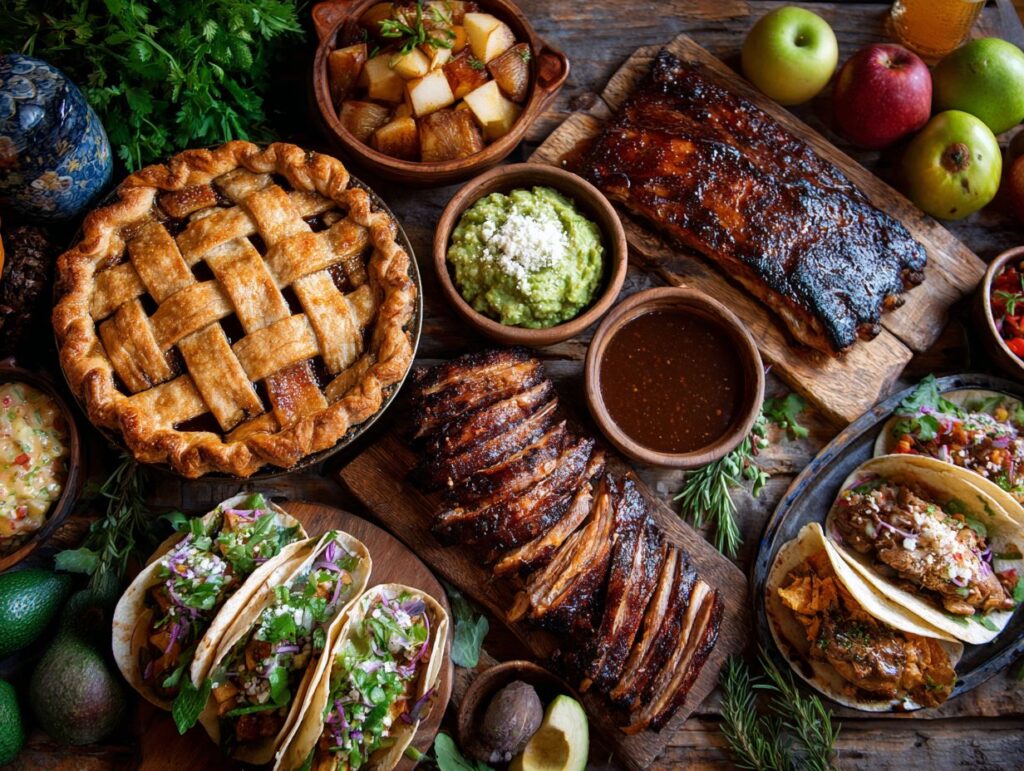
The farm-to-table movement emphasizes the importance of local sourcing and sustainable practices, fundamentally transforming how Americans perceive and enjoy their food.
This movement provides significant benefits to local farmers by facilitating direct access to consumers, which often results in increased revenue and more stable income.
For instance, restaurants such as Blue Hill in New York and Farmstead in California collaborate with nearby producers to highlight seasonal ingredients. These establishments not only enhance their menus with fresh flavors but also strengthen community connections, as patrons develop a greater awareness and investment in the origins of their food.
This practice promotes sustainable agriculture and bolsters the local economy, thereby creating a more meaningful dining experience for all parties involved.
Globalization and Food Trends
Globalization has become intricately intertwined with American food culture, shaping trends that reflect a confluence of local and international influences.
One notable trend is the rising popularity of global cuisines, such as Mexican street food, which has significantly transformed traditional American dining experiences. Taco trucks and gourmet taco bars have proliferated in cities across the United States, offering unique flavors and fresh ingredients.
Additionally, fusion dishes have gained prominence, exemplified by the emergence of Korean BBQ tacos and sushi burritos. Home cooking has also begun to reflect these influences; for instance, many Americans now incorporate sriracha and miso into their everyday recipes, effectively blending Asian flavors with classic American staples such as burgers and macaroni and cheese.
Frequently Asked Questions
What makes North American food culture a blend of tradition and innovation, incorporating flavors we love?
North American food culture is a unique combination of traditional and innovative practices, influenced by a diverse history of cultures and cuisines.
How has immigration played a role in shaping North American food culture?
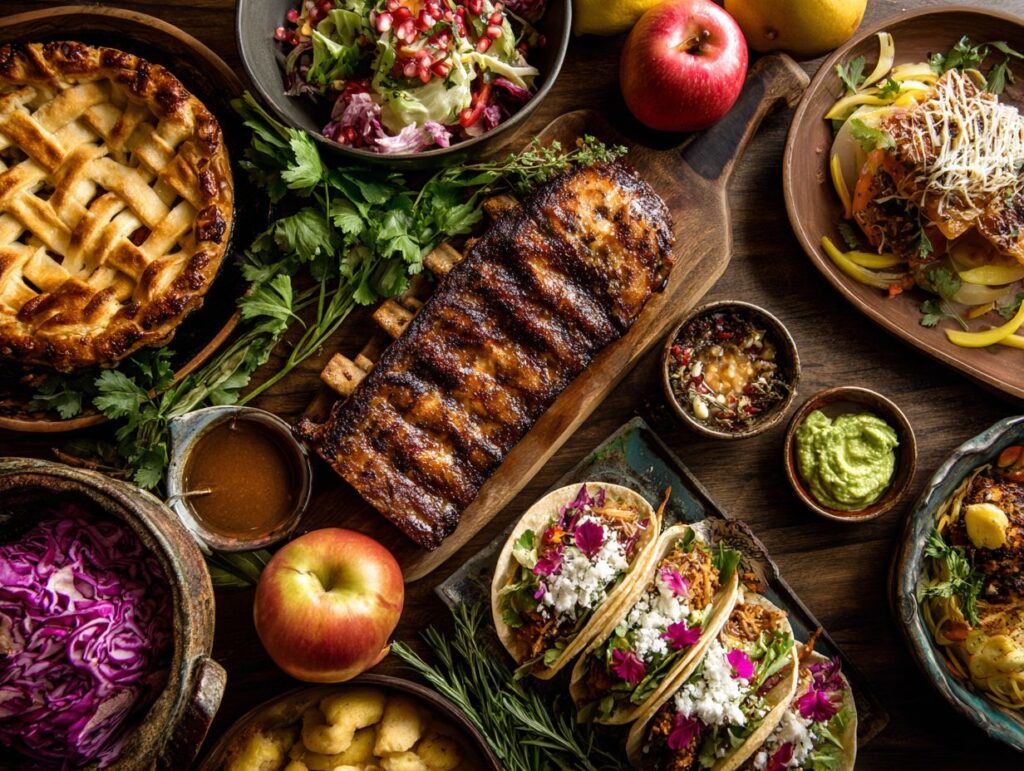
Immigrants from all over the world have brought their traditional cuisines to North America, resulting in a diverse and constantly evolving food culture.
Why is it important for North American food culture to embrace both tradition and innovation?
Embracing both tradition and innovation in North American food culture allows for a balance between preserving cultural heritage and embracing new ideas and flavors.
What are some examples of traditional North American ingredients and dishes?
Traditional North American ingredients include corn, beans, squash, and game meats. Some classic dishes include fried chicken, apple pie, and barbecue.
How has technology and modernization affected North American food culture?
Advances in technology have allowed for easier access to a wider variety of ingredients and cooking methods, leading to a fusion of traditional and modern cuisine in North America.
What role do restaurants and chefs play in the blend of tradition and innovation in North American food culture?
Restaurants and chefs often serve as the bridge between tradition and innovation in North American food culture, incorporating traditional dishes and flavors into modern and innovative dishes.