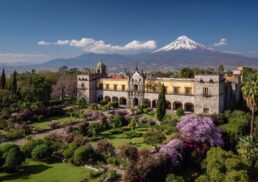
Ever heard folks rave about Rio or Buenos Aires, but skip over Quito, Ecuador? This historic gem sits high in the Andes as the world‘s highest capital, packed with underrated charm that’s perfect for 2026 travel trips. You’ll see why its colonial streets and volcano views make it a fresh South American standout.
Table of Contents
Key Takeaways:
- Quito‘s UNESCO World Heritage Site Old Town boasts stunning colonial architecture and iconic churches, offering a captivating glimpse into Ecuador‘s history without the crowds of more famous sites.
- As the world’s highest capital city, thrill-seekers can hike via TelefriQo to Pichincha Volcano for breathtaking panoramic views and adrenaline-pumping adventures.
- Enjoy year-round mild spring-like climate, vibrant indigenous festivals, diverse food from street food to fine dining, plus affordable access with direct flights from Mariscal Sucre International Airport, making 2026 ideal.
Stunning UNESCO World Heritage Old Town
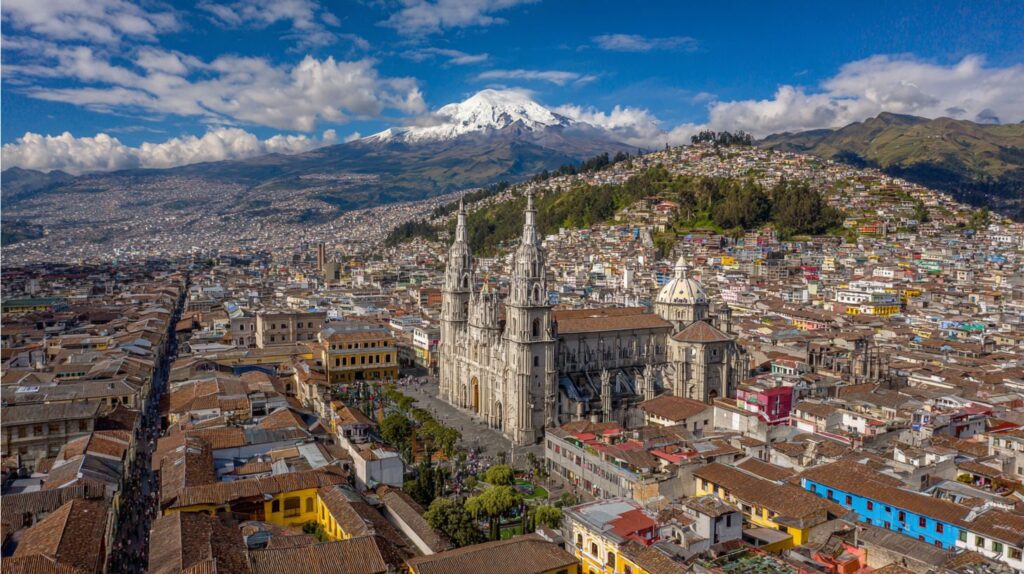
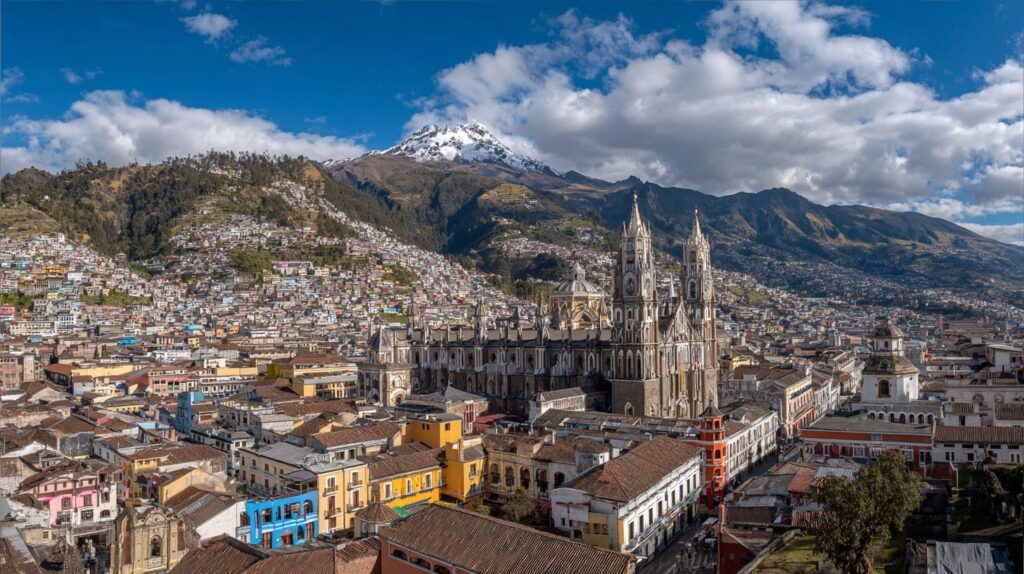
San Francisco de Quito‘s Historic Center, a UNESCO World Heritage Site, stands as one of the largest and best-preserved colonial old towns in the Americas, offering a living museum of Spanish colonial architecture amid bustling streets.
With over 130 churches and ornate facades, the area showcases intricate stonework and vibrant colors that reflect Quito‘s rich history in the Andes. Visitors can trace the paths of Spanish conquerors through narrow cobblestone alleys lined with colonial buildings.
The walkable layout makes it ideal for immersive exploration on foot, allowing travelers to soak in the atmosphere of daily life blended with historic grandeur. From street vendors selling fresh flowers to locals chatting in plazas, the old town feels alive and authentic.
As Ecuador‘s capital at high altitude, this preserved gem transitions seamlessly into specific landmarks perfect for detailed itineraries, drawing history buffs and culture seekers alike, especially near La Floresta.
Iconic Churches and Architecture
Wander through masterpieces like the gold-leafed Compaa de Jess Church, often called the finest example of colonial baroque in the world.
Follow this self-guided walking route to experience the best of Quito‘s Historic Center: Start at Plaza Grande for views of the Presidential Palace, then head to Compaa de Jess Church for a 45-minute interior tour of its shimmering interiors. Continue strolling to Plaza San Francisco for panoramic city views framed by the Pichincha Volcano, and end at Casa Gangotena for high tea overlooking the old town.
- Begin at Plaza Grande, admiring the ornate Presidential Palace and surrounding architecture.
- Visit Compaa de Jess, noting its elaborate gold details; allocate about 45 minutes inside.
- Stroll to Plaza San Francisco for sweeping vistas of the Andes cityscape.
- Conclude at Casa Gangotena, enjoying high tea with historic views.
For photography, catch golden hour at La Ronda street, where warm light highlights colorful facades and flower markets. Check for free entry days at churches, and remember modest dress requirements to respect the sacred spaces.
World’s Highest Capital City Adventures
Perched at 2,850 meters in the Andes, Quito offers thrilling high-altitude adventures that blend urban exploration with rugged nature just minutes from downtown.
Starting your Ecuador travel in this world’s highest capital city helps with acclimatization. You adjust to the altitude here before heading to lower spots like the Galpagos Islands or coastal areas. This smart move reduces risks of sickness on multi-stop trips.
Accessible outdoor activities abound for nature lovers. Hike trails near the historic center, a UNESCO World Heritage site, or ride teleferico cable car to volcanic peaks. These options suit all levels, from gentle walks in the old town to summit challenges.
Combine colonial architecture views with fresh air pursuits. Stroll past churches like La Compaa de Jess, then venture out. This mix makes Quito ideal for history buffs seeking adventure without long drives.
Hiking TelefriQo and Pichincha Volcano
Board the TelefriQo cable car from Quito‘s edge for a 20-minute ascent to 4,100 meters. The round-trip costs about $8.50 and delivers stunning Andes panoramas. It’s the perfect half-day start from downtown.
From the top station, follow the beginner-friendly trail to Rucu Pichincha summit. The hike takes 45 to 60 minutes with steady effort. Pack water, layers for changing weather, and snacks to stay energized.
- Ride the TelefriQo early to beat crowds and secure clear views.
- Hike at a slow pace, pausing often to breathe and admire condors soaring nearby.
- Enjoy 360-degree sights of Pichincha Volcano and the walkable city below.
Avoid common pitfalls like altitude sickness by hydrating well and skipping alcohol on your first day. Descend by 4 PM as weather can shift fast in the mountains. This itinerary fits seamlessly after exploring Plaza San Francisco or Casa Gangotena.
Rich Cultural and Indigenous Heritage
Quito pulses with indigenous Andean traditions woven into daily life, from vibrant markets to age-old crafts that connect visitors to Ecuador‘s diverse cultural roots. The city‘s Spanish colonial legacy blends seamlessly with Kichwa influences, seen in the architecture of the UNESCO World Heritage Site Old Town. This fusion creates a living tapestry of history and tradition.
Visitors can immerse themselves in experiential activities like weaving workshops or chocolate tastings from local cocoa. Stroll through the historic center to feel the pulse of Andean culture amid colonial churches such as La Compaa de Jess. These encounters offer authentic insights into Quito’s role as Ecuador’s high-altitude capital.
The rich heritage extends to daily rituals, where indigenous vendors sell handmade textiles near Plaza San Francisco. Casa Gangotena provides a refined base to explore this blend. Prepare for the city’s spring-like climate year-round, perfect for outdoor cultural adventures.
From the shadow of Volcn Pichincha, accessible by TelefriQo cable car, to nearby Mitad del Mundo, Quito‘s cultural depth rewards history buffs and nature lovers alike. This rich heritage sets the stage for festivals and markets that bring traditions alive.
Festivals and Artisan Markets
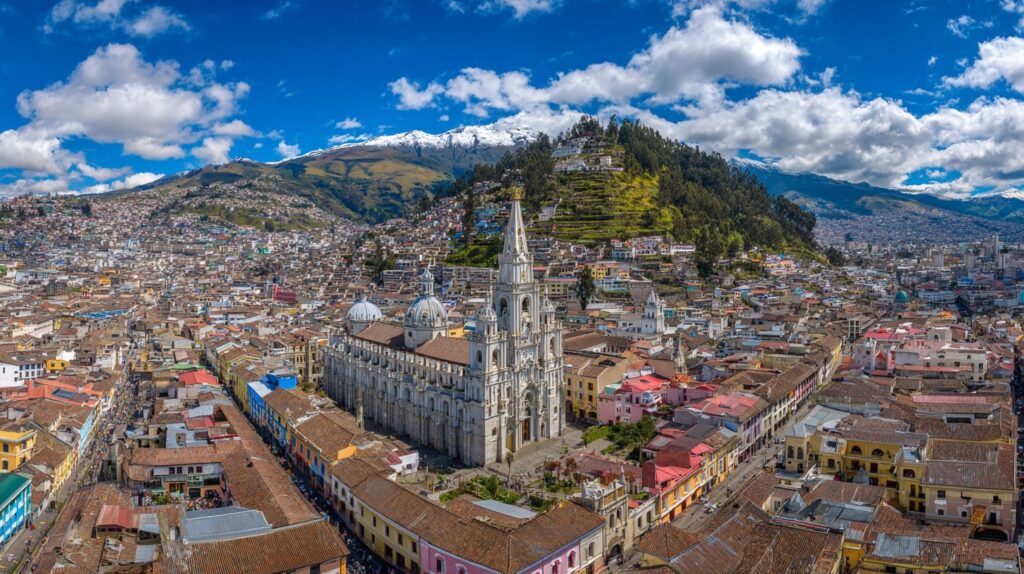
Dive into the sensory explosion of Quito‘s artisan markets, where indigenous vendors showcase handwoven textiles, fresh flowers, and traditional jewelry. Markets like La Paz burst with street food, spices, and herbs. Bargain politely to score deals on these authentic finds.
Head to Santa Clara Market for stunning displays of orchids and other blooms, often available for just a few dollars. Time your visit for weekends, when indigenous sellers from the Andes arrive with the freshest goods. This is the best way to experience genuine local commerce.
Practical tips include learning basic Spanish phrases like “Cunto cuesta?” (how much?) and carrying small USD bills, as Ecuador uses the dollar. Stick to local sections to avoid tourist traps and enjoy lower prices. These markets offer a taste of Quito’s vibrant food scene, from empanadas to fresh cocoa.
- Visit Mercado de La Paz early for the best street food selection.
- Buy orchids at Santa Clara on weekends for variety.
- Use small bills and practice bargaining for savings.
- Explore near Plaza San Francisco for nearby artisan stalls.
Exceptional Culinary Scene
Quito‘s food scene marries Andean staples with innovative twists, from hearty street eats to world-class chocolate made from nearby cacao plantations. In Ecuador‘s dollar economy, visitors enjoy exceptional value on meals that rival global hotspots. Start with casual bites in the UNESCO World Heritage Old Town, then progress to upscale dining with views of Pichincha volcano.
Markets brim with fresh produce from the Andes and Amazon, perfect for sampling local flavors. Chocolate from Ecuadorian cocoa stands out, thanks to the country’s prime plantations. This progression from street food to fine dining makes Quito ideal for food lovers exploring the capital’s colonial architecture and vibrant streets.
The city’s walkable historic center lets travelers pair meals with sights like La Compaia de Jesus church. Ecuador’s use of the US dollar keeps costs low, even at high-end spots. For curated picks, see the recommendations below on street food and fine dining gems.
Whether you’re a history buff wandering Plaza San Francisco or a nature lover fresh from the Teleferico cable car, Quito’s cuisine fits every itinerary. Pair dishes with canelazo, a warm spiced drink. This scene underscores why Quito deserves a spot on 2026 travel lists.
Street Food and Fine Dining Gems
Savor empanadas de viento from street carts in the Old Town, then elevate to tasting menus featuring Amazonian cacao at rooftop restaurants. Busy stalls in the historic center offer empanadas and locro soup for $1-3, providing safe, hearty bites. Choose freshly cooked items to enjoy authentic flavors without worry.
For chocolate enthusiasts, visit the Pacari factory outlet for a tour and tastings of single-origin bars from Ecuador‘s coast. These experiences highlight the city‘s connection to premium cocoa. Combine with a stroll through walkable markets near La Mariscal for more discoveries, or venture to Mindo Cloud Forest and Cotopaxi for nature escapes, accessible via metro or from airport.
Upscale dining shines at Casa Gangotena, where prix-fixe menus cost $50-70 and showcase Andes ingredients with modern flair. Reserve ahead to secure a table with views of the colonial architecture. Pair your meal with canelazo for a cozy touch amid Quito‘s spring-like climate.
- Stick to busy street stalls in Old Town for fresh empanadas and locro.
- Book Pacari for hands-on chocolate tours in La Floresta.
- Reserve Casa Gangotena early for prix-fixe dinners.
- Opt for freshly prepared foods to stay safe while exploring.
Year-Round Mild Climate
Thanks to its equatorial Andean location in the Andes, Quito, Ecuador enjoys a perpetual spring climate with daytime highs around 20 degreesC (68 degreesF) and cool evenings year-round. This stable weather means little seasonal change across the calendar. Travelers find it reliable for planning trips anytime.
Afternoon showers are possible, especially during the wetter months from October to May. These brief rains keep the air fresh and support constant blooming of flowers around the Historic Center. The city’s green spaces stay vibrant, adding to its charm.
For packing, focus on layers like light sweaters for evenings, a rain jacket for sudden showers, and sunscreen due to high UV at altitude. Comfortable walking shoes suit exploring the UNESCO World Heritage old town. This setup works well for most visitors.
- Light layers for day-to-night temperature shifts
- Compact rain jacket or poncho
- High-SPF sunscreen and hat
- Sturdy shoes for colonial architecture walks
The benefits shine for outdoor activities. Hike up Pichincha Volcano via the TelefriQo cable car any month, or stroll plazas like Plaza San Francisco amid ever-blooming flowers. Nature lovers appreciate day trips to Mindo Cloud Forest or Mitad del Mundo without weather worries.
Easy Access and Affordability
Reaching Quito is straightforward via Mariscal Sucre International Airport, with direct flights from major U.S. and European hubs, and the U.S. dollar as currency keeps costs remarkably low. The new airport sits just 20km from the city center, making transfers quick and simple. A taxi or Uber ride costs around $25, putting you in the Historic Center within 45 minutes.
This setup gives Quito an affordability edge over other South American capitals like Buenos Aires or Lima. Everyday expenses, from meals to metro rides, stay budget-friendly thanks to the dollar economy. Travelers save on basics while exploring UNESCO World Heritage sites and Andean views.
The airport’s efficiency shines with modern facilities and minimal wait times. Pair that with the upcoming metro line, and navigating feels effortless. For nature lovers, easy links to Mitad del Mundo and Mindo Cloud Forest add value without high costs.
Quito’s walkable old town and colonial architecture make it ideal for history buffs on a budget. Use cash for markets and street food to stretch dollars further. These factors position Quito as a smart 2026 pick for value-driven travel.
Direct Flights and Budget Travel Tips
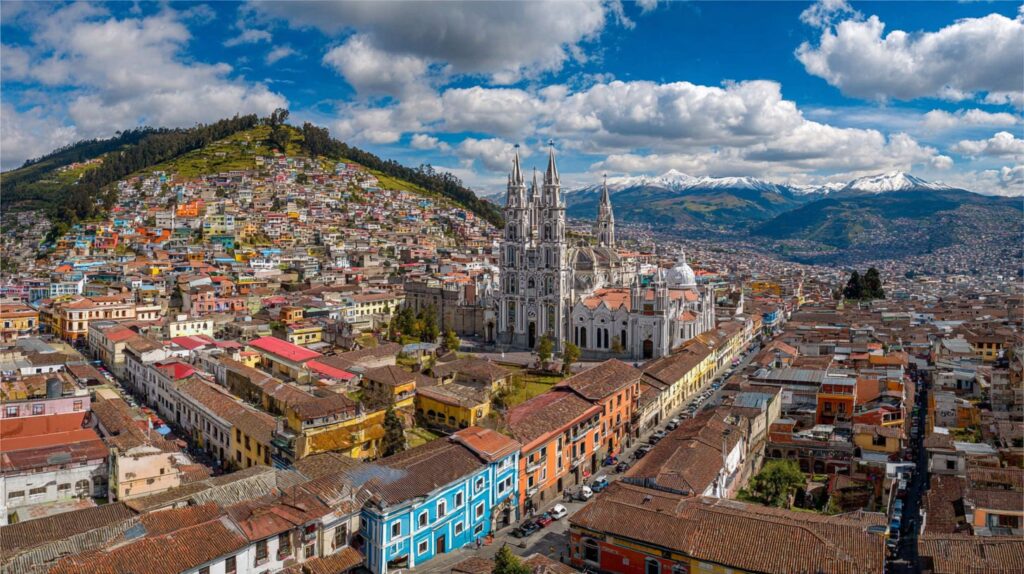
Fly direct from cities like Miami or Amsterdam to Mariscal Sucre, then use affordable taxis or the upcoming metro for seamless city access. Book round-trip flights 3-6 months ahead to snag fares in the $300-600 range from U.S. gateways. European routes offer similar deals with early planning.
Opt for stays in La Floresta, where nights run $40-80 and put you near trendy cafes and the teleferico cable car. Carry dollar cash for meals and entry fees, saving 20-30% over card use at churches like La Compania de Jesus. This hack works well in Plaza San Francisco markets.
- Day trip to Mitad del Mundo via $7 bus for equator fun amid Andes scenery.
- Head to Mindo Cloud Forest on a $15 shuttle for birdwatching and waterfalls.
- Catch domestic flights from Quito to the Galpagos Islands for galapagos adventures.
These tips keep your trip lean while hitting highlights like Pichincha volcano rides and cocoa tastings. Quito’s spring-like climate and flowers enhance every outing. Logistics here beat pricier capitals hands down.
2026: Emerging Hotspot with New Attractions
By 2026, Quito, Ecuador solidifies as a must-visit with its new metro line opening, expanded TelefriQo access, and easier links to Cotopaxi and the Galpagos Islands.
The Metro Phase 1 will boost north-south connectivity. Travelers can zip from the historic center to Mariscal without traffic hassles. This makes exploring the UNESCO World Heritage Old Town even simpler.
Enhanced volcano trails around Pichincha Volcano draw adventure seekers. Take the TelefriQo cable car for panoramic Andes views, then hike refreshed paths. These upgrades position Quito, Ecuador‘s capital, as a top travel pick.
Why visit now? Quito stays less crowded than Lima or Bogot. Beat the rush with these timely developments.
Custom Itineraries for Every Traveler
History buffs should center trips on the Historic Center. Wander Plaza San Francisco and marvel at Compaa de Jess Church‘s colonial architecture. Stay at Casa Gangotena for luxury amid the buzz.
Nature lovers add Mindo cloud forest and Mitad del Mundo. Spot birds in Mindo’s misty trails, then straddle the equator monument. The new metro eases day trips from the city.
Both can savor food markets with fresh cocoa and chocolate. Quito’s walkable streets suit all paces, despite the altitude. Pair with spring-like climate and dollar economy for easy travel.
Plan Ahead for Peak Experiences
Book flights to Mariscal Sucre International Airport early for 2026. Link straight to Galpagos Islands or Cotopaxi volcano hikes. Avoid peak crowds by traveling shoulder seasons.
Combine metro rides with TelefriQo ascents for efficiency. History fans prioritize UNESCO sites, while nature enthusiasts extend to Mindo. This mix showcases why Quito shines.
Frequently Asked Questions
Why is Quito one of South America’s most underrated cities to visit in 2026?
Quito is one of South America’s most underrated cities to visit in 2026 because it combines stunning natural beauty, rich colonial history, and modern vibrancy without the overwhelming crowds of more popular destinations like Rio or Buenos Aires. Nestled in the Andes at over 9,000 feet, it offers unique high-altitude adventures and UNESCO World Heritage sites that are perfect for intrepid travelers seeking authentic experiences.
What makes Quito’s historical center special for visitors in 2026?
The Historic Center of Quito, the largest and best-preserved colonial city center in South America, is a highlight that underscores why Quito is one of South America’s most underrated cities to visit in 2026. Its baroque churches like Compaa de Jess Church, vibrant plazas like Plaza Grande, and cobblestone streets provide a living museum atmosphere, enhanced by upcoming cultural festivals and restorations planned for 2026.
How does Quito’s location contribute to it being underrated for 2026 travel?
Quito’s dramatic position in a volcanic valley surrounded by snow-capped peaks like Imbabura and Pichincha makes it one of South America’s most underrated cities to visit in 2026. Easy access to adventure activities such as teleferico rides to 13,000 feet, hiking, and nearby hot springs offers unparalleled nature immersion, all with fewer tourists than coastal hotspots.
Why should foodies consider Quito underrated for a 2026 trip?
Quito’s evolving culinary scene, blending indigenous Andean flavors with Ecuadorian fusion cuisine, positions it as one of South America’s most underrated cities to visit in 2026. From street food like empanadas de viento to high-end locavore restaurants featuring quinoa and guinea pig, visitors can savor authentic tastes amid a growing wave of farm-to-table initiatives by 2026.
What cultural events elevate Quito as a 2026 destination?
Upcoming events like expanded Inti Raymi celebrations and new contemporary art biennials highlight why Quito is one of South America’s most underrated cities to visit in 2026. The city’s indigenous markets, live music in La Ronda district, and fusion of Kichwa traditions with modern galleries create a culturally immersive experience that’s gaining buzz but remains off the beaten path.
Is Quito a good base for exploring Ecuador in 2026, and why is it underrated?
Yes, Quito’s strategic location as Ecuador’s gateway city makes it one of South America’s most underrated cities to visit in 2026 for multi-destination trips. Short flights or drives to the Galpagos, Amazon rainforest, and Otavalo markets allow seamless itineraries, offering value-packed travel with improving infrastructure and sustainable tourism pushes by 2026.