Aging gracefully is a journey that many individuals aspire to undertake, and understanding the components of healthy aging can contribute to a more vibrant and fulfilling life. This article presents essential tips for seniors who aim to maintain their independence and vitality. It highlights the significance of physical activity, provides exercise tips, and identifies the most suitable types of exercises for older adults, along with the benefits of remaining active. Additionally, the discussion will encompass mental stimulation, nutrition, and the crucial role of social connections, engagement, and community involvement. By embracing the principles of healthy aging and understanding the aging process, individuals can unlock their potential for a healthier and more fulfilling life.
Table of Contents
Key Takeaways:
- Stay active: Engage in regular physical activity to maintain strength, balance, and mobility. Choose from a variety of exercises such as walking, swimming, and yoga to keep your body moving.
- Stay sharp: Keep your mind active by challenging yourself with puzzles, learning new skills, or engaging in hobbies. Mental stimulation can help prevent memory loss, combat cognitive decline, and enhance cognitive function.
- Eat well: Proper nutrition is crucial for healthy aging. Make sure to incorporate foods rich in essential nutrients such as calcium, vitamin D, and omega-3 fatty acids into your diet to support bone, brain, and heart health.
What is Healthy Aging? Unmasking Aging Myths
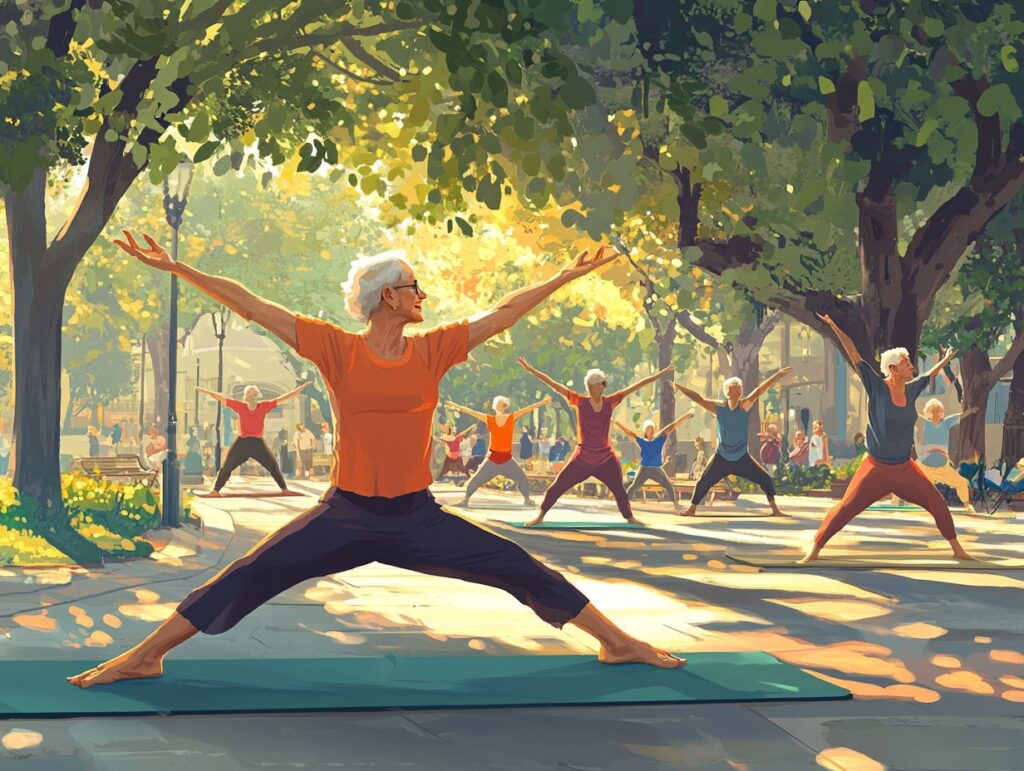
Healthy aging represents a comprehensive approach that encompasses not only the physical aspects of growing older but also the mental, emotional, and social dimensions that significantly influence an individual’s quality of life. This approach involves the implementation of preventive measures designed to mitigate health risks associated with aging, such as chronic diseases and cognitive decline, while simultaneously promoting resilience, emotional well-being, and spiritual wellness. Insights from WebMD reveal scientific secrets to healthy aging that emphasize the importance of integrating these aspects holistically.
A thorough understanding of the complexities of aging-including the influence of lifestyle choices, social connections, and community involvement-is essential for fostering a positive outlook on life during retirement years.
This holistic perspective integrates several vital components that contribute to overall well-being. Physical health, for example, is of paramount importance and can be maintained through regular exercise, balanced nutrition, and routine health check-ups, all aimed at sustaining mobility and vitality. Mental stimulation, achieved through engaging activities such as reading, puzzles, or the acquisition of new skills, enhances cognitive function and serves as a protective factor against memory loss.
Furthermore, social engagement through community activities and connections with friends and family fosters emotional health and provides essential support networks, which are critical for combating loneliness and promoting a fulfilling lifestyle.
Ultimately, achieving a balanced lifestyle requires nurturing these interconnected aspects, ensuring that older adults can enjoy their golden years with vigor and purpose.
Physical Activity for Healthy Aging
Physical activity is essential for promoting healthy aging, as it enhances physical health, improves cognitive function, and boosts emotional well-being among older adults. Engaging in regular exercise and meaningful activities not only aids in stress management but also mitigates the risks associated with chronic diseases and cognitive decline, thereby extending individuals’ health span.
Implementing exercise recommendations specifically designed for seniors, such as those provided by the CDC, can facilitate the pursuit of an active lifestyle, making the process both enjoyable and beneficial.
Types of Exercises for Seniors
Seniors can derive significant benefits from a variety of exercises tailored to their specific needs, with a focus on enhancing strength, flexibility, balance, and cardiovascular health. Participating in low-impact activities such as walking, swimming, and yoga not only improves cognitive function and mitigates the risk of memory loss but also promotes social connections through group classes, community events, and meaningful activities.
By integrating exercise recommendations into their routines, seniors can substantially improve their overall wellness and resilience, thereby contributing to a more fulfilling retirement experience.
Strength training exercises, including light weightlifting and resistance band workouts, are essential for preserving muscle mass and bone density, both of which tend to decline with age. Additionally, practices such as tai chi and Pilates not only enhance strength but also prioritize balance, which is critical in preventing falls.
It is imperative for seniors to begin their exercise regimens at a gradual pace, progressively increasing intensity to avoid the risk of injury.
Regularly scheduled physical activity, in conjunction with flexibility exercises such as gentle stretching, can significantly enhance mobility and overall quality of life. Acknowledging small achievements and seeking guidance from fitness professionals can further give the power to older adults to sustain an active lifestyle.
Benefits of Staying Active
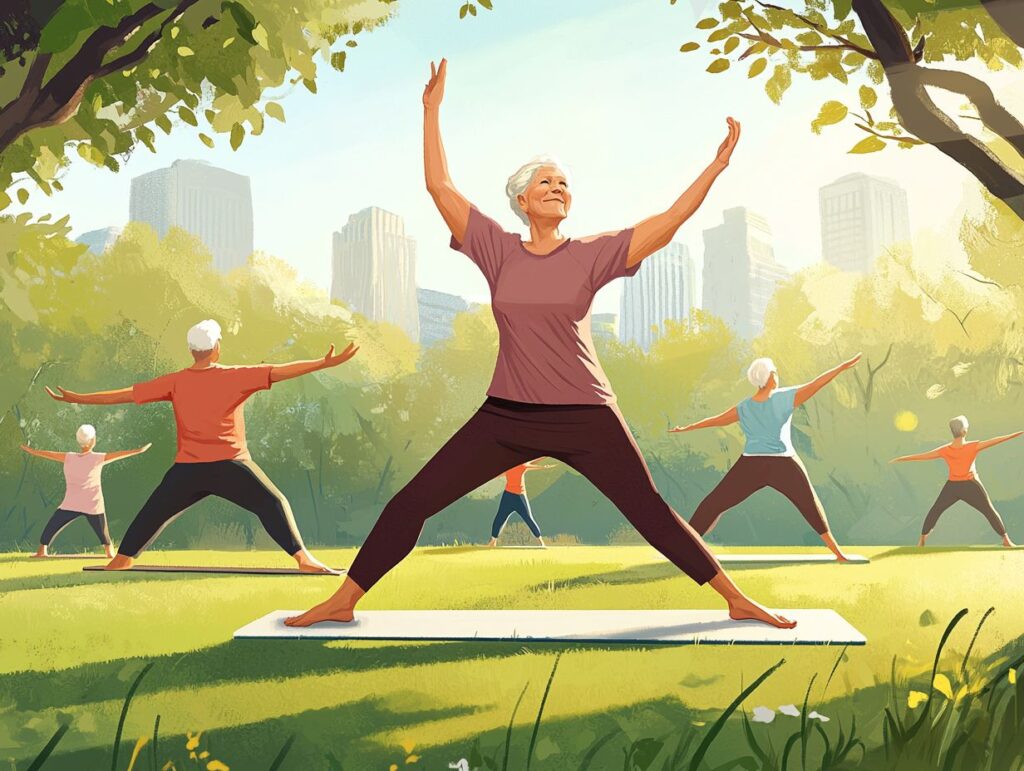
Maintaining an active lifestyle offers numerous benefits that significantly enhance the quality of life for older adults, contributing to healthy aging by improving both physical health and emotional well-being. Regular physical activity has been demonstrated to lower the risk of chronic diseases, mitigate cognitive decline, and promote resilience in facing the challenges associated with aging.
Furthermore, engagement in physical activities can foster social connections, enriching retirement years through meaningful interactions and community involvement.
Incorporating activities such as walking, swimming, or participating in group exercises can lead to increased muscle strength and improved balance, both of which are essential for maintaining independence.
The mental health benefits of an active lifestyle are substantial; seniors who remain active often report lower levels of anxiety and depression, while the endorphins released during exercise contribute to an overall sense of happiness.
Thus, remaining active not only enhances physical capabilities but also strengthens emotional resilience and promotes friendships that are crucial for social support, ultimately resulting in a richer and more fulfilling life experience.
Mental Stimulation for Healthy Aging
Mental stimulation is a crucial aspect of healthy aging, significantly contributing to the maintenance of cognitive function and emotional well-being as individuals grow older.
Engaging in activities that challenge the brain, such as solving puzzles, reading, or acquiring new hobbies, can mitigate memory loss and cognitive decline while fostering personal growth and resilience. According to WebMD, these activities are essential in slowing down cognitive decline in older adults.
Furthermore, the integration of mindfulness practices can enhance mental stimulation, enabling older adults to cultivate a positive perspective and self-worth during their retirement years.
Ways to Keep Your Mind Sharp
Maintaining cognitive sharpness in the aging process can be achieved through various engaging activities that stimulate mental function and promote overall mental health. Incorporating brain training exercises, pursuing new hobbies, and practicing mindfulness techniques are effective strategies to enhance mental stimulation and mitigate cognitive decline.
Furthermore, social connections and community involvement are vital in sustaining emotional well-being and fostering a supportive environment conducive to personal growth.
To fully benefit from these practices, seniors may explore numerous options, such as joining book clubs, engaging in puzzles, or attending local classes that align with their interests.
The pursuit of lifelong learning not only sharpens cognitive skills and fosters personal growth but also instills a sense of fulfillment and purpose.
Mindfulness activities, including meditation and yoga, can significantly reduce stress, aid stress management, and improve focus, thereby providing clarity in daily life. Additionally, maintaining regular connections with friends and family, whether through virtual means or in-person gatherings, promotes a sense of belonging and resilience-essential traits that contribute to a healthy and active mind.
Importance of Mental Stimulation
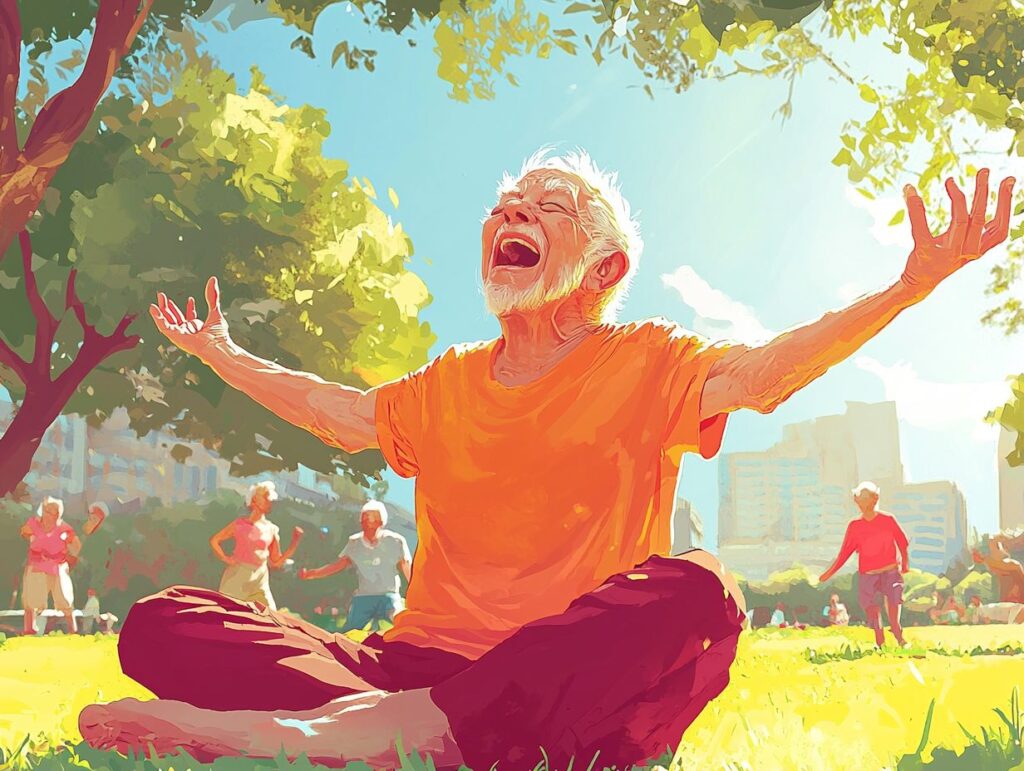
The significance of mental stimulation in the context of healthy aging cannot be understated, as it plays a crucial role in influencing mental health, cognitive function, and emotional well-being. Engaging in mentally stimulating activities serves to counteract cognitive decline, improve memory retention, and promote personal growth, ultimately leading to an enhanced quality of life during retirement years.
By emphasizing the importance of continued learning and social engagement, individuals can adopt a positive perspective on the aging process.
Mental stimulation can manifest in various forms, including:
- Puzzles
- Reading
- Social interactions
- Lifelong learning courses
These activities not only keep the brain active but also impart a sense of purpose and foster connections with others.
For older adults, participation in community events or membership in clubs can facilitate the development of meaningful relationships, thereby further enhancing emotional well-being.
The correlation between cognitive activity and mental health underscores the importance of incorporating these practices into daily life, encouraging individuals to pursue new challenges and experiences that enrich their lives.
By prioritizing mental stimulation, older adults can cultivate a fulfilling lifestyle that promotes resilience and joy in their later years.
Nutrition for Healthy Aging: Meeting Dietary Needs
Nutrition is a fundamental factor in promoting healthy aging, addressing the specific dietary needs and nutritional requirements of older adults to support optimal health, senior living, and well-being.
By prioritizing healthy eating habits, seniors can substantially lower the risk of chronic diseases, improve cognitive function, and sustain their quality of life while navigating aging challenges.
Incorporating a balanced diet that is rich in essential nutrients is crucial for enabling older adults to thrive during their retirement years and embrace a healthy lifestyle.
Recommended Nutrients for Seniors: Nutritional Needs
For seniors, understanding and meeting their nutritional needs is essential to promote healthy aging and prevent chronic diseases. Key nutrients such as omega-3 fatty acids, antioxidants, and vitamins D and B12 play a crucial role in enhancing cognitive function, supporting emotional health, and ensuring overall well-being.
By focusing on a nutrient-rich diet, older adults can significantly improve their quality of life, social connections, and resilience during their retirement years.
Incorporating foods rich in these vital nutrients is not only beneficial but also practical. For instance, fatty fish such as salmon and mackerel provide omega-3 fatty acids that have been linked to improved memory and mood. Similarly, fruits and vegetables high in antioxidants, including berries and leafy greens, help protect the brain from oxidative stress.
Vitamin D, found in fortified dairy products and obtained through sunlight exposure, is essential for bone health and immune function. Older adults should prioritize sources of vitamin B12, such as eggs and fortified cereals, as deficiencies in this vitamin can lead to cognitive decline.
Emphasizing a balanced and varied diet can give the power to seniors to make informed choices that foster longevity, embrace life changes, and cognitive vitality.
Healthy Eating Habits for Aging Gracefully and Senior Living
Adopting healthy eating habits is fundamental to aging gracefully, as it directly influences emotional well-being, quality of life, and overall health among older adults. Emphasizing the significance of a balanced diet, which includes fruits, vegetables, whole grains, and lean proteins, can assist older individuals in meeting their dietary needs and managing their health more effectively.
Participation in community events focused on healthy cooking, social interaction, and volunteer work can further enrich the experience of healthy eating.
Incorporating these nutritious foods into daily meals not only supports physical health by mitigating the risk of chronic diseases but also plays a crucial role in promoting mental clarity and emotional stability. For seniors, maintaining adequate hydration is equally important; sufficient fluid intake contributes to sustaining energy levels and cognitive function.
Mindful eating practices, such as savoring each bite and enjoying meals with friends or family, can enhance the overall dining experience and encourage exploration of a long-neglected hobby.
This holistic approach to nutrition fosters a sense of belonging and community, ultimately leading to improved emotional resilience and a higher quality of life.
Social Connections for Healthy Aging
Social connections are essential for healthy aging, significantly influencing emotional well-being, cognitive health, and overall quality of life.
Establishing and maintaining support networks through friendships, familial relationships, and community involvement contributes to resilience among older adults, enabling them to approach the aging process with a positive mindset in senior living communities.
Participation in meaningful activities and social events not only enhances individuals’ lives but also mitigates feelings of isolation and loneliness during retirement years.
Importance of Social Connections
Understanding the significance of social connections is essential for promoting emotional well-being and resilience among older adults as they navigate the aging process. Maintaining strong relationships and support networks not only contributes to an enhanced quality of life but also helps mitigate feelings of isolation and depression, which are common challenges encountered during retirement years.
Engaging with the community through social activities and meaningful interactions can significantly improve overall happiness and satisfaction.
As individuals age, the importance of friendships becomes increasingly critical, offering companionship and encouragement that can alleviate stress and enhance coping strategies. Regular participation in group activities, such as book clubs, gardening, or volunteering, fosters a sense of belonging while stimulating mental engagement, which is vital for cognitive health.
These social interactions can cultivate a deeper sense of purpose as older adults share their experiences and wisdom.
In summary, maintaining an active social life is integral to nurturing emotional resilience, providing a buffer against the inevitable challenges that accompany aging.
Ways to Stay Connected and Engaged
Staying connected and engaged is essential for older adults to maintain their emotional well-being and enhance their overall quality of life. Participation in community events, undertaking volunteer work, and exploring new hobbies are effective strategies for fostering meaningful social connections and promoting active engagement. By immersing themselves in social activities, seniors can cultivate resilience and a positive outlook during their retirement years.
To further enrich their experiences, older adults may consider joining local clubs that align with their interests, such as gardening, book discussions, or art classes. Attending cultural events, including theater performances or art exhibitions, not only provides entertainment but also offers opportunities for interaction with like-minded individuals.
Furthermore, volunteering for local charities or community centers enables seniors to contribute actively while connecting with others who share their passion for service.
Ultimately, forming these connections through meaningful activities not only helps to combat feelings of isolation but also fosters a vibrant social network, significantly enhancing their mental and emotional health.