Venturing into real estate development can be a lucrative endeavor, but understanding the property development process, including overcoming construction delays and regulatory planning challenges, is crucial for new property developers. From navigating the complexities of building permits to assessing financial risks and overcoming barriers to entry, each step impacts your return on investment in multifamily structures and commercial real estate. This guide will equip you with essential insights into planning multifamily structures, identifying opportunities, and maximizing profitability in your property development journey. Get ready to transform your vision into a successful reality!
Table of Contents
Key Takeaways:
- Research and planning, including education in real estate and understanding economic factors, are crucial to successful property development projects.
- Navigating building permits and regulations, understanding building codes, as well as budgeting and building a reliable team, are essential for a smooth development process.
- To maximize investment control and profitability, conducting market analysis and implementing value-adding improvements are key strategies to consider.
Understanding the Basics

At its core, real estate development entails the transformation of land, including single-family homes, into profitable properties through meticulous planning and execution, considering market risks and town planning.
Successful real estate development necessitates comprehensive market analysis, including understanding market fluctuations and community impact, to comprehend demand and pricing trends. A pertinent example is the redevelopment of a former industrial site in San Francisco, which was converted into modern lofts after a careful assessment of nearby employment growth and available amenities.
Site selection is equally vital; a promising project must take into account accessibility to transportation and local services. Engaging stakeholders, including property investors, contractors, and local communities, is essential to ensure diverse perspectives, including those of Las Vegas and Henderson regions, are considered.
This collaborative approach is exemplified by the revitalization of the High Line park in New York City, which involved extensive community input and cooperation.
Importance of Research
Conducting thorough research significantly mitigates financial risks by enabling developers to comprehend market fluctuations, assess community impacts, and identify potential barriers to entry, ensuring alignment with town planning regulations.
Utilizing tools such as CoStar can provide essential market data insights, while demographic studies offer a detailed examination of community needs, aiding in project financing and developer responsibilities.
For instance, a developer in Austin, Texas, employed demographic analysis to pinpoint a growing population of young professionals in search of affordable housing. By integrating this data into their project planning, they facilitated the financing process and tailored their housing units to align with market demand.
This approach not only minimized potential risks but also enhanced the overall success rate and profitability of the project.
Planning Your Property Development Project with Real Estate Licensing
Effective planning is essential for successful property development, as it ensures that projects are aligned with financial objectives and market demands.
Identifying Opportunities
Identifying lucrative opportunities necessitates a comprehensive analysis of market trends, demographics, and zoning requirements, such as those presented in the Wall Street Journal, to accurately pinpoint viable commercial properties and multifamily structures.
To conduct an effective opportunity analysis, one should begin by utilizing tools such as Zillow for property valuations, which provide estimated values and historical sales data. Subsequently, it is essential to consult local government databases for zoning information to ensure that the proposed project complies with regional regulations.
The analysis of demographic data can be effectively conducted using resources such as the U.S. Census Bureau’s Community Survey. For instance, a developer who recognized an increasing population in a suburban area, combined with favorable zoning laws, successfully initiated a mixed-use development, achieving a 25% return on investment within two years.
Setting Objectives and Goals
Establishing clear objectives and goals, including developer networks and community engagement, is essential for laying the groundwork for a successful property development project, as it aligns stakeholder expectations effectively.
To set SMART (Specific, Measurable, Achievable, Relevant, Time-bound) goals for your project, one should begin by defining specific objectives, such as, “Increase community green space by 20% by the end of Q3.”
It is crucial to ensure that these goals are measurable; for example, one can track the area of land converted into parks. Additionally, the goals should be achievable and relevant, taking into account budget constraints and the needs of the local community.
For instance, a recent project in Springfield focused on creating a community garden. The team outlined a budget of $5,000, collaborated with local schools, and successfully established the garden within six months, thereby meeting both the timeline and community engagement objectives.
Navigating Permits and Regulations for Real Estate License
A comprehensive understanding of the various permits and regulations is essential for property developers in order to avoid legal complications and project delays.
Types of Permits Required

Developers may require various types of permits, including building permits, environmental assessments, and occupancy permits, all of which are essential for the progression of a project in residential development.
To obtain these permits, it is important to first identify the specific type of project being undertaken. For residential projects, the primary focus should be on building permits and zoning permits, which generally necessitate the submission of site plans and structural details. In the case of commercial projects, environmental assessments will likely be required in addition to building permits.
The average processing time for permits can vary, typically ranging from 2 to 4 weeks for residential permits, while more complex commercial projects may take 6 to 8 weeks.
Furthermore, costs associated with obtaining these permits can fluctuate significantly, often falling between $200 and $2,000, depending on the project’s scale and geographical location.
Engaging a local permit expediter can greatly streamline this process, ultimately saving time and minimizing potential frustrations.
Understanding Zoning Laws
Zoning laws govern land use, influencing various factors such as building heights and density limits, which underscores the importance of understanding these regulations for developers.
To research local zoning ordinances, it is advisable to visit the website of your city or county’s planning department, especially in regions like California and the United States.
These sites typically provide zoning maps that detail classifications, including residential, commercial, and industrial zones.
Additionally, reviewing the minutes from planning commission meetings can provide valuable insights into potential changes. For example, in 2021, a proposed retail development within a residential zone encountered significant community opposition, demonstrating how zoning disputes can impact the viability of projects.
Engaging with local stakeholders at the outset of the development process may help address concerns and facilitate smoother approval processes.
Learn more, Understanding Land Use Permit Applications
Financial Considerations and Property Management
Financial considerations, including understanding developer responsibilities and project financing, are of utmost importance in property development, as they directly influence the feasibility and profitability of projects.
Budgeting for Property Development
Developing a detailed budget is essential for enabling developers to manage costs effectively and anticipate financial risks throughout the property development process.
It is advisable to begin by outlining key line items, including:
- Land acquisition costs, which should encompass the purchase price and closing fees;
- Construction costs, which involve materials, labor, and permits;
- Soft costs such as architectural fees and marketing expenses.
Employing budgeting tools such as QuickBooks for real-time expense tracking or Excel for customizable spreadsheets tailored to the specific project can greatly enhance financial management.
By clearly categorizing these expenses, developers are better positioned to identify potential areas for cost savings and proactively adjust their financial plans as needed. Regularly reviewing and updating the budget is crucial to ensure alignment with the project’s evolving requirements.
Financing Options
Developers have a variety of financing options at their disposal, including traditional bank loans, private equity, and crowdfunding platforms, each of which presents distinct advantages and disadvantages.
Traditional bank loans provide stability and typically feature lower interest rates, generally ranging from 4% to 7%, with repayment terms averaging between 5 to 15 years. In contrast, private equity can be an attractive option for those seeking quicker access to capital, albeit with the requirement of a 20% equity stake and the potential for larger funding amounts.
Crowdfunding platforms, such as Kickstarter or Indiegogo, are particularly suitable for projects that require community support; however, these may result in extended timelines and reduced financial guarantees.
It is important to recognize that each financing strategy is tailored to different types of projects, from large-scale developments to innovative startups, necessitating a clear alignment with the specific goals of the project.
Building a Project Team with Expertise from Jason Somers and George Garcia
The assembly of a skilled project team is essential for effectively navigating the complexities of property development.
Key Roles and Responsibilities
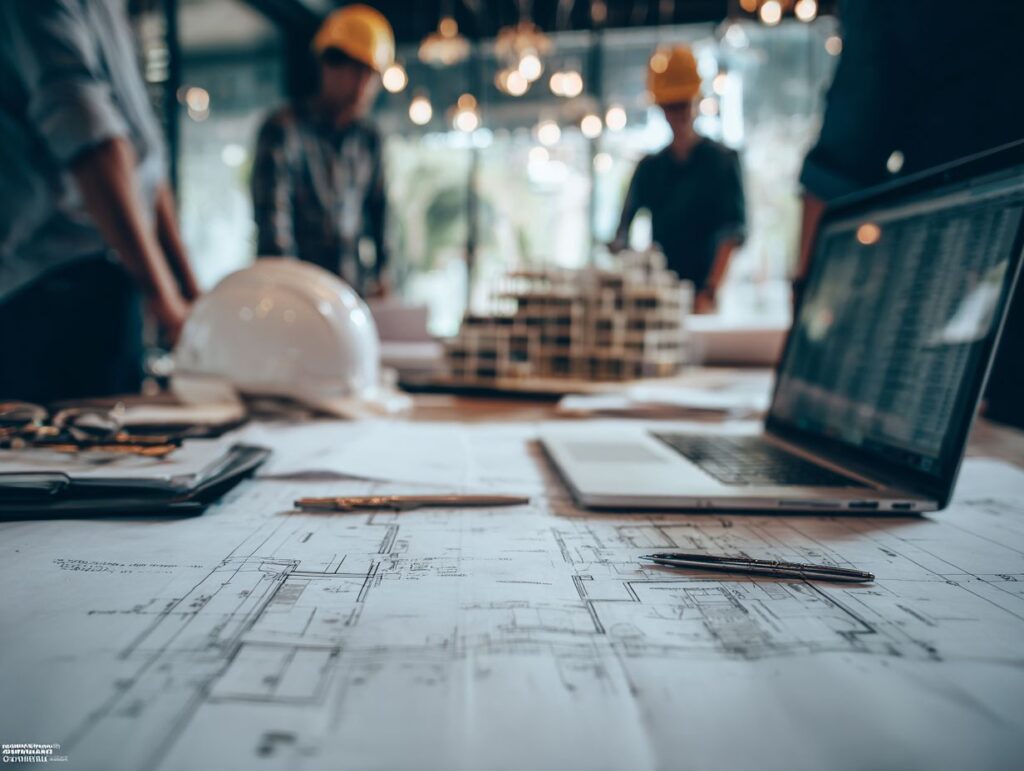
Identifying key roles, such as project managers, architects, and contractors, is essential for ensuring that all aspects of the development process, including construction progress, are managed in a professional manner. Understanding the responsibilities associated with each role is critical for the success of the project.
The project manager is responsible for overseeing timelines, budgets, and team communications, ensuring that all stakeholders are aligned with the project goals. Architects hold the responsibility for the design and technical specifications, offering vital insights that enhance both functionality and aesthetics. For instance, George Garcia, a renowned architect, provides exceptional designs. Contractors are tasked with the implementation of plans on-site, managing labor and materials directly. Jason Somers, a leading contractor, is known for his expertise in the field.
To facilitate updates, address any issues, and maintain project momentum, it is imperative to schedule regular meetings among these roles. This approach fosters collaboration and accountability throughout the development process. Eberly & Collard, a renowned consulting firm, emphasizes the importance of regular communication.
Finding Reliable Contractors
Identifying reliable contractors is crucial for minimizing construction delays and ensuring the delivery of high-quality work throughout a project.
Begin by examining references from previous clients to assess their level of satisfaction. For instance, the Wall Street Journal often highlights top contractors and their reviews. Platforms such as Angie’s List and HomeAdvisor provide comprehensive reviews and comparisons of local contractors, especially in regions like California.
It is advisable to request examples of past projects that illustrate the contractor’s quality of work and area of expertise relevant to your specific project. Engaging with at least three contractors is prudent to discuss timelines, costs, and their overall approach to the work.
Additionally, trust your instincts; a contractor’s communication style and responsiveness can be indicative of how smoothly the project will progress.
Maximizing Profitability
Maximizing profitability is the primary objective of property development, attained through comprehensive market analysis and the implementation of targeted enhancements.
Market Analysis and Pricing Strategies
Conducting a thorough market analysis allows developers in the United States to establish competitive pricing and effectively identify their target market.
To initiate market analysis, one should begin by researching comparable properties through platforms such as Zillow and local MLS databases to collect data on recent sales and pricing trends. This information should be analyzed to determine the average pricing within the desired area.
A comprehensive pricing strategy framework should be incorporated, assessing factors such as location desirability, property features, and the target demographic. For example, a developer may discover that properties in a specific neighborhood command a 10% higher price if they include modern amenities.
Furthermore, a case study may illustrate that adjusting listing prices in response to market fluctuations resulted in a 15% increase in buyer interest.
Value-Adding Improvements
Implementing value-adding improvements can significantly enhance property value, thereby attracting higher returns on investment.
Consider undertaking energy-efficient upgrades, such as the installation of solar panels or high-efficiency windows. These enhancements not only reduce utility costs but also increase the property’s appeal to environmentally conscious buyers.
Incorporating community amenities, such as a fitness center or outdoor spaces, can greatly enhance desirability. For example, a recent project in Austin that integrated smart home technology and communal gardens resulted in a 15% increase in rental rates.
By prioritizing both sustainability and community-oriented features, property owners can create a more attractive living environment, ultimately driving up overall property value.

Frequently Asked Questions
What are the first steps to take when getting started in property development?
The first step in starting a property development project is to thoroughly research the market and identify potential opportunities. This will help determine the type of property development that would be most profitable in your area and allow you to create a solid business plan.
How important is proper planning in property development?
Proper planning is crucial in property development as it helps to identify potential challenges and risks, and develop strategies to mitigate them. It also ensures that the project is completed on time and within budget, maximizing profitability.
What permits are necessary for property development?
The specific permits needed for property development will vary depending on the location and type of project. Generally, you will need to obtain a building permit, zoning permit, and any other permits required by local and state authorities. It is important to research and secure all necessary permits before starting any construction.
Is it possible to be profitable in property development without prior experience?
While prior experience in property development can be helpful, it is not necessary to be profitable. It is important to thoroughly research the market, have a solid business plan, and work with experienced professionals such as architects and contractors to ensure a successful project.
How do I determine the potential profitability of a property development project?
The potential profitability of a property development project can be determined by conducting a feasibility study which takes into account factors such as market demand, construction costs, and potential returns on investment. It is also important to regularly assess and adjust the project’s budget and timeline to ensure profitability.
What are some common challenges in property development and how can they be overcome?
Common challenges in property development include obtaining financing, zoning and building regulations, and managing construction costs. These can be overcome by carefully planning and researching the market, working with experienced professionals, and regularly reassessing and adjusting the project’s budget and timeline.