Introduction
Are you torn between yoga and Pilates for your next exercise routine? While both practices offer unique benefits for your health and well-being, understanding their key differences can help you make an informed choice. Developed by Joseph Pilates, Pilates focuses on core strength and flexibility, whereas yoga emphasizes mindfulness and breath control. In this article, we’ll explore the distinctions between yoga and Pilates, guiding you to discover which exercise practice aligns best with your fitness strategy, health goals, and lifestyle.
Table of Contents
Key Takeaways:
- Yoga and Pilates have different histories, philosophies, and types, making them distinct practices.
- The focus and goals of yoga and Pilates differ, with yoga emphasizing mental and spiritual wellness and Pilates focusing on physical strength and stability.
- When choosing between yoga and Pilates, consider your personal fitness goals and any health considerations to determine which practice is right for you.
Overview of Yoga
Yoga, a practice that originated in ancient India, emphasizes the integration of mind and body through a combination of physical postures, breathing techniques, and meditation.
History and Philosophy
Originating over 5,000 years ago in India, yoga integrates spiritual practices with physical postures to foster body awareness and mental clarity. Over the centuries, yoga has evolved from ancient Vedic traditions into a structured discipline, significantly influenced by foundational texts such as the Yoga Sutras of Patanjali, which articulate principles for leading a meaningful life.
By the 20th century, yoga began to transition towards a focus on physical fitness, thereby attracting a growing number of Western practitioners. Prominent figures such as B.K.S. Iyengar and Pattabhi Jois played crucial roles in popularizing styles like Iyengar Yoga and Ashtanga, with a strong emphasis on alignment and flow.
In contemporary practice, yoga classes frequently incorporate these traditional principles alongside modern fitness techniques, thus enhancing accessibility for a diverse audience.
Types of Yoga
There are various styles of yoga, each designed to accommodate different fitness levels and objectives, including Hatha for beginners and Power yoga for those seeking a more challenging workout.
Hatha yoga is particularly suitable for individuals who are new to the practice, as it focuses on fundamental postures and breathing techniques. As practitioners become more comfortable, they may consider transitioning to Vinyasa yoga, which integrates breath with movement to create a dynamic flow.
For those pursuing a higher intensity workout, Power yoga offers challenges related to strength and stamina, making it well-suited for individuals with a higher level of fitness and seeking improvement in overall health and wellness. In contrast, Yin yoga targets deep connective tissues and provides restorative benefits, making it appropriate for all levels, especially beginners who wish to achieve relaxation.
To identify the most suitable style, individuals are encouraged to explore various classes or online tutorials from reputable platforms such as Yoga with Adriene or Asana Rebel.
Overview of Pilates
Developed by Joseph Pilates in the early 20th century, Pilates is a method that emphasizes core strength, flexibility, and overall body alignment through controlled movements.
History and Philosophy
Pilates was developed by Joseph Pilates in Germany during World War I and later gained significant popularity in New York City, with a primary focus on rehabilitation and physical fitness.
Originally conceived as a rehabilitation method for injured soldiers, Pilates emphasizes core strength, flexibility, and overall body alignment. The foundational principles of Pilates include ‘control,’ which promotes precision in movement, and ‘centering,’ which emphasizes awareness of the body’s core muscles.
Over the years, Pilates has evolved into a widely recognized fitness regimen, embraced by dancers and athletes alike. Today, studios offer a diverse range of classes, from mat work to specialized reformer sessions, catering to individuals of all fitness levels.
This evolution has made Pilates accessible and beneficial for a broad audience.
Types of Pilates
Pilates can be practiced on a mat or with specialized equipment, such as the reformer machine, offering a range of challenges and modifications suitable for various fitness levels, including injury rehabilitation and neck pain relief.
Mat Pilates primarily emphasizes body weight resistance, focusing on core stability and flexibility. This approach effectively targets the abdominal muscles, glutes, and lower back, making it a safe option for individuals with injuries.
Conversely, reformer Pilates utilizes springs to provide additional resistance, thereby allowing for more dynamic movements that challenge the muscles in different ways. This method is particularly effective for strengthening the upper body and enhancing posture.
Both practices allow for modifications; for example, a beginner may employ adjustments such as bent knees on the mat or reduced spring tension on the reformer to ensure comfort and safety during the exercises.
Key Differences Between Yoga and Pilates
Although both yoga and Pilates contribute to enhanced physical fitness, they differ markedly in their focus, methodology, and the overall health benefits they provide.
Focus and Goals
Yoga primarily emphasizes flexibility, mental focus, and spiritual growth, whereas Pilates focuses on core strength and overall body conditioning.
This difference in emphasis results in distinct practices within each discipline. For instance, a typical yoga class may include poses such as Downward Dog and Tree Pose, which promote not only flexibility but also mindfulness. In contrast, a Pilates session often features exercises like the Hundred and Roll-Up, specifically designed to strengthen the core muscles.
While yoga encourages deep breathing and relaxation, Pilates incorporates controlled movements and resistance tools, such as reformers, to enhance physical conditioning.
Consequently, practitioners may choose either discipline based on their goals for spiritual connection or physical fitness.
Physical Benefits
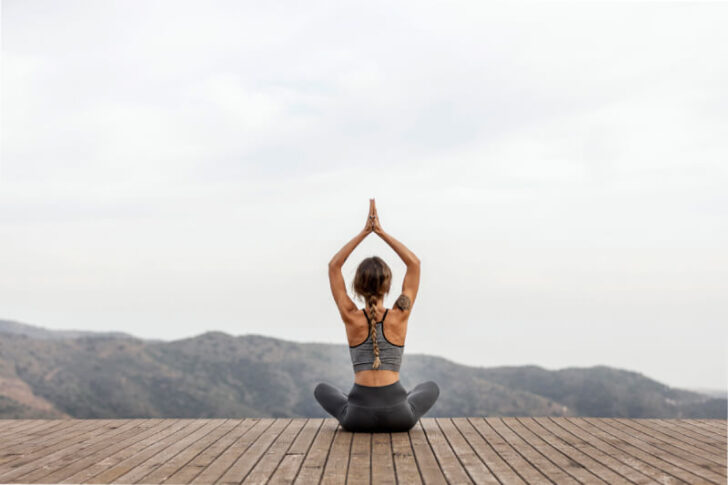
Yoga significantly enhances overall wellness by promoting stress relief and improving flexibility, while Pilates is highly effective for muscle toning, posture improvement, and the rehabilitation of injuries such as lower back pain.
Incorporating both practices can yield substantial health benefits. Research indicates that yoga can increase flexibility by up to 35% over a few months, which is particularly advantageous for athletes in the process of recovery from injuries. Simultaneously, Pilates focuses on enhancing core strength, a critical component for injury prevention.
Utilizing online platforms such as Yoga with Adriene for guided yoga sessions or Pilates Anytime for targeted Pilates workouts is recommended. It is advisable to aim for three sessions of each practice per week to achieve a balanced array of physical benefits, which include:
- Yoga for relaxation and stress relief
- Pilates for strength and support in rehabilitation.
Choosing the Right Practice for You: Considering Spiritual Practice and Stress Relief
The decision to choose between yoga and Pilates should be based on an individual’s specific fitness goals, lifestyle, and health considerations, including factors like anxiety, depression, and stress-related illness.
Personal Fitness Goals
It is essential to identify one’s fitness goals-whether the aim is to improve flexibility through yoga or to enhance core stability through Pilates-in order to select the most appropriate practice.
To effectively evaluate fitness objectives, individuals may consider utilizing assessment tools such as the Physical Activity Readiness Questionnaire (PAR-Q), which assists in determining readiness for exercise based on personal health history.
A straightforward self-assessment diary, which tracks current fitness levels, frequency of workouts, and progress, can provide valuable insights.
For flexibility assessment, one might measure their reach in a seated position; for core stability, engaging in a plank test while noting the duration for which the position can be held can be beneficial.
These methods will assist in tailoring a fitness approach to meet specific needs effectively.
Health Considerations
When deciding between yoga and Pilates for a safe and effective practice, it is essential to consider any existing health conditions, such as injuries, menopause, high blood pressure, or respiratory conditions. For instance, individuals experiencing lower back pain may find that yoga provides restorative poses and stretches that help alleviate discomfort, while Pilates emphasizes strengthening core muscles that support the spine.
Ahead of making a choice, it is advisable to assess one’s flexibility and pain levels.
Beginners may benefit from exploring gentler styles, such as Hatha yoga, aroma yoga, Chair yoga, or introductory Pilates classes. The use of props, such as blocks in yoga or resistance bands in Pilates, can further enhance the accessibility of the practice.
It is always recommended to consult with a healthcare provider to tailor the practice to one’s specific health needs.
The Impacts of Pilates and Yoga on Health-Promoting Behaviors and Subjective Health Status
Frequently Asked Questions
What is the difference between yoga and Pilates?
Yoga and Pilates are both mind-body practices that incorporate physical movements and breathing techniques. However, the main difference is that yoga focuses on flexibility, while Pilates focuses on building core strength.
Which one is better for overall fitness?
Both yoga, including Hatha yoga and Ashtanga yoga, and Pilates, developed by Joseph Pilates in Germany, can improve overall fitness, but in different ways. Yoga can help with flexibility, balance, and stress relief, while Pilates can improve core strength, posture, and muscle tone, enhancing the pelvic floor and abs.
How do I know if yoga, like Yin yoga or Power yoga, is right for me?
If you are looking to improve flexibility and find inner peace, yoga, including restorative yoga or chair yoga, may be the better choice for you. It can also be a good option for those looking for a low-impact workout or those with injuries or conditions like Multiple Sclerosis and arthritis.
Can Pilates, such as mat Pilates, help with weight loss?
Pilates is not typically considered a weight loss exercise, as it focuses more on building strength and toning muscles. However, it can help improve overall body composition and increase metabolism, which can aid in weight loss, especially when combined with cross-training and exercises to improve sleep.
Which one is better for relieving stress?
Both yoga and Pilates can be effective in reducing stress and promoting relaxation. However, yoga’s emphasis on breath work, meditative movement and mindfulness may make it a better choice for stress relief, especially for those with spinal disks or glaucoma.
Can I do both yoga and Pilates in my fitness routine?
Absolutely! In fact, many people find that combining both practices in their fitness routine, whether in New York City or the United States, can provide a well-rounded and balanced workout. You can also reap the unique benefits of each form of exercise this way, enhancing your range of motion and overall health even during pregnancy.