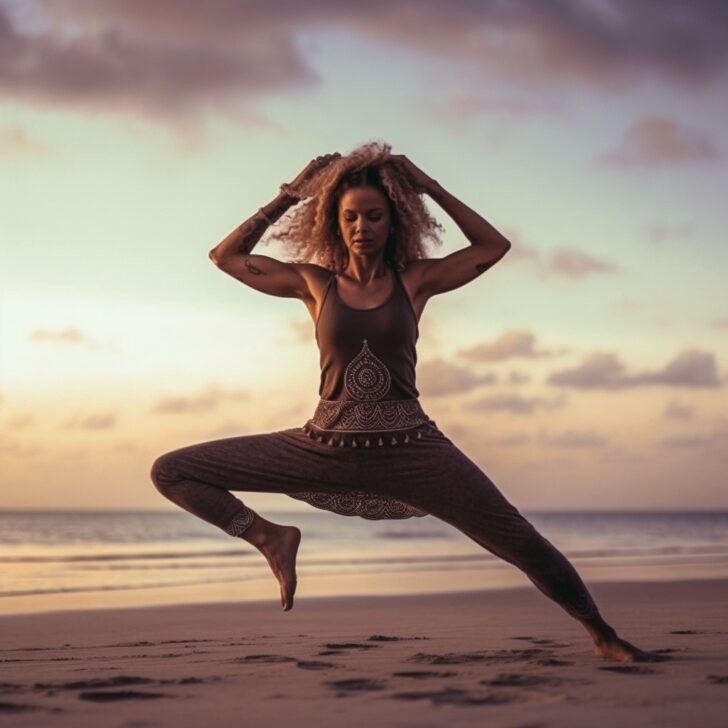
Unlock the transformative power of yoga and Pilates to cultivate a strong, flexible yoga body while enjoying the benefits of yoga for both mental and physical flexibility. This beginner’s guide, featuring insights from pioneers like Joseph Pilates and resources from the Gateway Region YMCA and the Art of Living, will introduce you to essential yoga poses, tips for safe practice, and everything you need to get started. Dive in and discover how to seamlessly integrate these practices into your life for lasting wellness.
Table of Contents
Key Takeaways:
- Start with the basics: Understand the fundamentals of yoga and Pilates, including their benefits, essential yoga equipment, and yoga for beginners before diving into the poses and exercises.
- Find your balance: Be mindful of your body’s limitations and listen to it while practicing yoga. Avoid common mistakes and create a routine that works for you.
- Explore and learn: Take advantage of the various resources available, such as books, online courses, and local classes, to further enhance your understanding and practice of yoga and Pilates.
What is Yoga?
Yoga, which originated in ancient India, encompasses a variety of styles, including Hatha, Vinyasa, and Ashtanga Yoga, with a focus on enhancing physical flexibility, strength, and mental well-being.
The practice has a rich history that spans thousands of years, being deeply intertwined with Hindu philosophy and spirituality. Fundamental principles of yoga include breath control (pranayama), meditation techniques such as Yoga Nidra, and adherence to ethical guidelines such as non-violence (ahimsa).
Scientific research substantiates yoga’s effectiveness in improving posture, enhancing flexibility, and significantly reducing stress levels, showcasing the scientific benefits of yoga. For example, the incorporation of techniques such as the Child’s Pose can alleviate tension in the back, while mindful breath regulation has been shown to lower cortisol levels.
Moreover, regular engagement in yoga practice may contribute to improved sleep quality, thereby enhancing overall well-being.
What is Pilates?
Pilates, a method developed by Joseph Pilates, emphasizes the importance of core strength, flexibility, and overall body alignment through controlled movements and breath. The practice fosters a deep engagement of the abdominal muscles while simultaneously promoting balance and coordination.
Pilates is founded on six core principles: concentration, control, centering, flow, precision, and breathing, akin to the principles of advanced yoga. These principles not only support physical fitness but also enhance mental focus.
Many practitioners choose to integrate Pilates with yoga to improve flexibility and mindfulness, thereby creating a comprehensive approach to health. Additionally, tools such as the Reformer and stability balls can enhance these exercises, providing extra resistance and variety to workout routines.
Benefits of Yoga and Pilates
Engaging in yoga and Pilates presents numerous advantages, ranging from enhanced physical flexibility to improved mental clarity, thereby offering a comprehensive approach to overall health.
Physical Benefits
The regular practice of yoga and Pilates significantly enhances physical flexibility, improves posture, and can provide relief from chronic pain, particularly in the back and neck. A study conducted by the American Council on Exercise revealed that participants experienced an average improvement in flexibility of 25% after 12 weeks of consistent yoga practice.
To effectively incorporate these practices into one’s routine, it is advisable to consider classes or online platforms that offer structured sessions, such as:
- Yoga with Adriene on YouTube
- Pilates Anytime subscription
Additionally, integrating simple daily stretches, such as toe touches and shoulder rolls, can complement these practices and help maintain flexibility gains, ultimately reducing discomfort in everyday activities, even providing chronic pain relief.
Mental Benefits
Engaging in yoga and Pilates can significantly alleviate stress and enhance mental well-being by fostering a robust mind-body connection and promoting mindfulness. Both practices incorporate breathing techniques and meditative movements that contribute to relaxation.
For example, Yoga Nidra, a guided meditation technique, enables practitioners to achieve profound states of relaxation, which can lead to reduced anxiety levels. Integrating just 20 minutes of Yoga Nidra into one’s weekly routine can result in noticeable improvements in focus and emotional resilience.
Additionally, tools such as meditation applications, including Headspace or Calm, can complement yoga practice by providing structured guidance and facilitating regular mindfulness sessions.
Checkout the 9 Benefits of Yoga – Health.
Getting Started: Essential Gear
To effectively engage in yoga and Pilates, it is advisable to invest in essential equipment that can enhance the experience and support one’s journey as a beginner.
Yoga Mats
A high-quality yoga mat is essential for ensuring comfort and stability during practice. The market offers a range of options, with basic models starting at approximately $20 and premium mats available for around $100.
When selecting a yoga mat, it is important to consider your specific practice style and personal requirements. For environmentally conscious practitioners, Liforme mats are a commendable choice, as they are made from biodegradable materials and provide excellent grip, typically priced at $119.
If cushioning is a priority, Manduka’s PROlite mat offers additional support at a cost of $99, making it ideal for restorative practices. For those who travel frequently, Jade Yoga’s travel mat, available for $65, is both lightweight and non-slip, facilitating ease of transport.
It is advisable to test a variety of mats in-store to identify the texture and firmness that best enhance stability and comfort during various postures.
Clothing and Accessories
Comfortable clothing and accessories, such as blocks and straps, can significantly enhance the experience of yoga and Pilates by facilitating improved movement and support.
Investing in high-quality gear is essential for optimal performance. For tops, one should consider moisture-wicking options from reputable brands such as Lululemon or Athleta, which are renowned for their breathability and comfort.
These tops should be paired with flexible leggings that allow for a full range of motion while providing adequate support. Accessories such as yoga blocks from Gaiam are beneficial for deepening stretches, while straps assist in achieving better alignment in various poses.
It is also important to ensure that the yoga mat is non-slip and adequately cushioned; brands like Manduka offer excellent options that are durable enough to withstand regular use. Prioritizing comfort, fit, and functionality is crucial for achieving optimal performance in yoga and Pilates practices.
Basic Poses for Beginners
Acquainting oneself with fundamental poses and exercises is essential for effectively embracing the core principles of yoga and Pilates.
Yoga Poses and Common Mistakes
Beginner yoga poses such as Downward-Facing Dog, Mountain Pose, and Lotus Pose serve as foundational movements that enhance flexibility and strength. As you progress, you might explore poses like Bow Pose, Camel Pose, Eagle Pose, Upward-Facing Dog, Wheel Pose, and Shoulder Stand.
Attention to alignment is essential when practicing these poses. In Downward-Facing Dog, it is important to position the hands shoulder-width apart and the feet hip-width apart to establish a stable base. For Mountain Pose, practitioners should stand tall with their feet firmly grounded and weight evenly distributed, while actively engaging the thighs and core. In Lotus Pose, one should sit with the legs crossed, ensuring that the knees remain relaxed and are not subjected to excessive strain.
It is advisable to start with these modifications: in Downward-Facing Dog, one may bend the knees slightly if experiencing tightness. Gradually, practitioners should aim to hold each pose for 5 to 10 breaths, increasing the duration as they become more comfortable with the practice.
Pilates Exercises
Basic Pilates exercises, such as the Hundred and Roll-Up, are fundamental for developing core strength and stability, which are essential for effective practice.
To enhance a Pilates routine, it is advisable to incorporate exercises such as the Corkscrew and the Teaser.
To perform the Corkscrew, begin by lying on your back with your legs raised toward the ceiling. Then, circle your legs to one side while engaging your core muscles. This exercise effectively targets the obliques.
Conversely, the Teaser involves rolling up from a supine position into a ‘V’ shape, which not only strengthens the abdominal muscles but also improves overall balance.
It is recommended to aim for three sets of 8-10 repetitions for each exercise, ensuring proper form to prevent injury.
Tips for Practicing Safely
Practicing yoga and Pilates safely is of utmost importance. A thorough understanding of one’s body and the avoidance of common mistakes can greatly enhance the overall experience.
Listening to Your Body
Listening to one’s body during practice is essential for preventing injuries and allows for the adaptation of movements based on daily physical sensations.
To effectively interpret these physical signals, it is advisable to begin by enhancing one’s awareness. Initiate your practice with gentle body scans, focusing on each part of the body from head to toe, and noting any areas of tension or discomfort, to foster a strong mind-body connection.
In instances of fatigue, it is prudent to reduce the intensity of movements; for example, transitioning from vigorous lunges to more gentle stretches. Gradual progression is critical; new poses or techniques should be incorporated only as one feels comfortable.
Additionally, maintaining a journal to document feelings and adjustments can facilitate the development of a more responsive and personalized practice yoga routine over time.
Avoiding Common Mistakes
Beginners frequently encounter common mistakes, such as overexertion and poor alignment, which can impede progress and lead to injuries.
To mitigate these pitfalls, it is imperative to ensure the use of proper form; allocating time to view tutorial videos that demonstrate correct techniques is highly recommended. Additionally, incorporating regular breaks into one’s routine is essential to prevent overexertion-setting a timer for every 30 minutes of activity can be beneficial.
It may also be advantageous to record sessions or utilize mirrors to facilitate self-correction of alignment issues. Gradually increasing intensity and adhering to a structured schedule, such as the ‘10% rule,’ can further help in injury prevention.
By concentrating on these strategies, beginners can establish a strong foundation while minimizing the risk of setbacks, ultimately leading to improved posture.
Creating a Routine for Inner Strength
Establishing a consistent routine can significantly enhance one’s yoga and Pilates practice, rendering it more enjoyable and sustainable, helping to reduce stress.
How to Structure Your Practice
Designing a structured practice necessitates the careful integration of various components, including warm-ups, core poses, and cool-downs, to optimize the benefits of the practice.
A sample weekly structure may encompass the following:
- On Monday and Wednesday, the focus should be on strength, utilizing power poses such as Warrior II and Plank, with 20 minutes allocated for warm-ups and core strengthening exercises like the Camel Pose and Bow Pose.
- Tuesday can be designated for flexibility, ensuring the inclusion of stretches such as Downward Dog and Child’s Pose to enhance overall mobility.
- Thursday should emphasize balance exercises, such as Tree Pose, followed by a gentle cool-down to facilitate recovery.
- The week can be concluded with a restorative session on Saturday, providing an opportunity for reflection and rejuvenation.
This balanced approach fosters overall wellness while allowing for adequate recovery time.
Setting Realistic Goals with Joseph Pilates Methods
Establishing realistic goals for your yoga and Pilates practice fosters progress and sustains motivation, thereby enhancing the overall enjoyment of the journey.
To improve your practice using the SMART criteria, it is advisable to clearly define your objectives. For instance, rather than simply stating, “I want to improve my flexibility,” consider setting a measurable goal such as, “I will achieve a full forward fold within three months.”
It is beneficial to track your progress weekly in a journal, documenting areas of improvement as well as any challenges encountered. Another example of a measurable goal could be, “I will attend three classes per week for the next month.”
This approach not only promotes accountability but also facilitates reflection and the necessary adjustments to your goals as circumstances evolve.
Resources for Further Learning
Exploring supplementary resources, including books, courses, and local classes, can greatly enhance one’s understanding of yoga and Pilates.
Books and Online Courses
Books such as The Heart of Yoga and online courses from platforms like Udemy and Yoga International offer comprehensive knowledge and techniques in the field of yoga. For individuals seeking to deepen their practice, The Yoga Sutras of Patanjali provides valuable philosophical insights, while Pilates Anatomy enhances understanding of body mechanics.
Websites like Coursera offer specialized programs, including the course titled Fundamentals of Yoga, which is available starting at $49. Engaging in continuous learning not only enhances one’s skills but also facilitates the sharing of new insights within the community, thereby keeping teaching methods fresh and engaging.
Allocating time each month to explore these resources, even dedicating just half an hour, can result in significant improvements in both teaching effectiveness and personal practice.
Local Classes and Communities
Participating in local classes and communities, such as those offered at Gateway Region YMCA, can provide essential support, guidance, and motivation for one’s practice.
Engaging in community activities enhances motivation through shared experiences and fosters accountability among participants. For example, attending yoga classes not only improves physical health but also facilitates meaningful connections with instructors who offer valuable feedback.
Networking with fellow practitioners can create opportunities for group challenges or workshops, thereby enriching one’s practice.
It is advisable to consider enrolling in specialty classes or retreats organized by the Gateway Region YMCA to further develop skills and cultivate lasting relationships within the community, potentially exploring Yoga Nidra or Ashtanga Yoga.
Frequently Asked Questions
What is the difference between yoga and Pilates?
Yoga and Pilates both focus on mind-body connection and use similar poses, but yoga has a more spiritual aspect while Pilates focuses on core strength and physical alignment.
What are some basic poses for beginners in yoga and Pilates, including Yoga for Kids?
For yoga, beginner poses include Downward-Facing Dog, Mountain Pose, and Child’s Pose. For Pilates, beginner poses include the hundred, bridge, and spine stretch. Introducing kids to these practices can be fun and engaging.
Do I need any equipment to start practicing yoga and Pilates?
While some equipment can enhance your practice, such as a yoga mat or Pilates ring, they are not necessary for beginners. You can use a towel or blanket as a substitute for a mat.
What are some tips for getting started with yoga and Pilates?
Start with beginner classes or online tutorials to learn proper form and technique. Listen to your body and take breaks when needed. And most importantly, don’t compare yourself to others – every body is different and progress takes time.
Can I practice yoga and Pilates if I have injuries or health concerns?
It is always best to consult with your doctor before starting any new exercise routine, especially if you have injuries or health concerns. However, modifications can be made to poses to accommodate for injuries or limitations.
How often should I practice yoga and Pilates as a beginner?
As a beginner, it is recommended to start with 2-3 times a week for both yoga and Pilates. This allows your body to adjust and prevents overexertion. As you become more comfortable, you can increase the frequency of your practice.