Immunizations are crucial in protecting both your immune system and the community from infections. With vaccines like those for COVID-19 and HPV, individuals can safeguard their health while contributing to greater public safety. This article delves into the importance of immunizations, highlighting how they not only shield you from vaccine-preventable diseases but also foster community immunity. Understanding these benefits can empower you to make informed health choices for yourself and those around you.
Table of Contents
Key Takeaways:
- Immunizations protect both individuals and communities from serious and potentially deadly diseases.
- Vaccines are safe and effective, and do not cause autism. Choosing not to vaccinate puts both yourself and others at risk.
- Following recommended vaccination schedules, both for children and adults, is crucial in maintaining global health and eradicating diseases.
Definition and Purpose
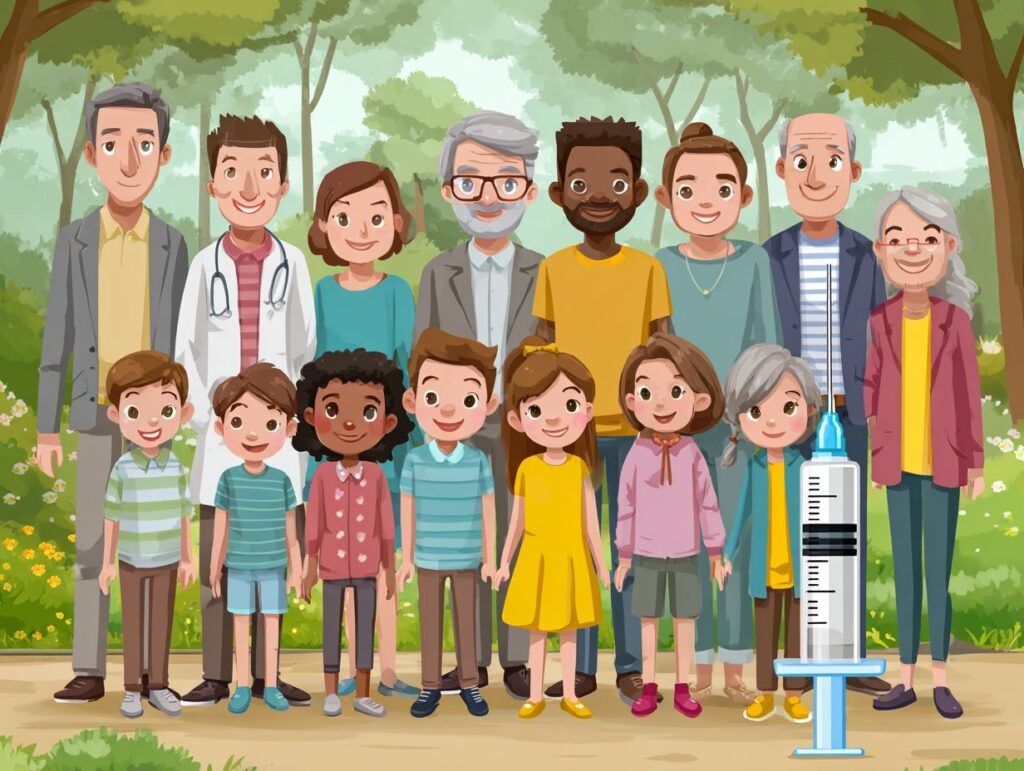
Immunizations are preventative measures that involve the administration of vaccines, which expose the immune system to harmless antigens derived from disease-causing organisms. These vaccines prepare the body to recognize and combat specific diseases without inducing illness.
For example, the HPV vaccine is designed to protect against certain cancers associated with the human papillomavirus, while the COVID-19 vaccine has been instrumental in reducing the incidence of severe illness and hospitalization rates during the pandemic.
By introducing the immune system to weakened or inactive forms of these pathogens, individuals develop immunity, thereby enhancing both personal and public health. Maintaining up-to-date vaccinations is essential for effective disease prevention.
Historical Context
The history of immunizations encompasses significant milestones, including the eradication of smallpox and ongoing efforts to control polio, with guidance from organizations such as the CDC, WHO, and health care providers.
In 1980, smallpox was declared eradicated following extensive global vaccination initiatives, exemplifying the effectiveness of immunization. Conversely, the polio vaccination campaign commenced in the 1950s, resulting in a remarkable reduction in cases from 350,000 in 1988 to merely 22 reported cases worldwide in 2017.
Currently, modern vaccination strategies include mRNA vaccines, which have demonstrated efficacy against COVID-19, leading to an increase in global vaccination rates to over 60% within a year of their rollout.
These advancements highlight the essential role that vaccines play in public health, enabling adaptation to emerging threats while fostering community immunity.
Benefits of Immunizations
Immunizations offer essential benefits, including individual protection against diseases and the promotion of community immunity, which serves to protect vulnerable populations.
Individual Protection
Vaccines, such as the HPV and influenza vaccines, play a crucial role in significantly reducing the risk of serious illnesses by prompting the body to produce antibodies, ultimately enhancing long-term protection. For example, the HPV vaccine has the potential to prevent nearly 90% of cervical cancers associated with specific strains of the virus.
Similarly, research indicates that the influenza vaccine can decrease hospitalizations by approximately 40% to 60% within the general population during flu seasons. During the 2019-2020 influenza season, the Centers for Disease Control and Prevention (CDC) reported a notable decline in flu-related illnesses among vaccinated individuals, thereby demonstrating the effectiveness of immunization programs.
These vaccines leverage the immune system’s capability to retain memory of previous threats, ensuring a more rapid and robust immune response in the event of future exposure.
Community Immunity
Achieving community immunity, commonly referred to as herd immunity, relies on high vaccination rates to safeguard those who are unable to be vaccinated.
For example, measles outbreaks in regions such as Oakdale, California, have demonstrated the repercussions of inadequate vaccination rates. Research indicates that a minimum of 95% of the population must be vaccinated against measles for community immunity to be effective. In Oakdale, where vaccination rates fell to approximately 85%, multiple outbreaks occurred, posing significant risks to infants and individuals with compromised immune systems.
Promoting vaccination through educational initiatives and accessible clinics can enhance vaccination rates. Effective strategies include:
- School immunization drives
- Community workshops
- Incentives for families to vaccinate their children
Each of these measures plays a vital role in strengthening resilience against preventable diseases.
Common Misconceptions
Despite substantial research validating the safety of vaccines, misconceptions, such as the debunked association between vaccines and autism, persist in contributing to vaccine hesitancy.
Vaccines and Autism
The myth linking vaccines to autism has been thoroughly debunked through numerous studies, including a comprehensive review conducted by the Centers for Disease Control and Prevention (CDC), which found no credible connection between the two. Furthermore, a 2019 study published in the Annals of Internal Medicine, which analyzed data from over 650,000 children in Denmark, concluded that there is no increased risk of autism associated with vaccinations.
Vaccine hesitancy, fueled by these unfounded myths, poses significant threats to public health, as evidenced by recent measles outbreaks that occurred when vaccination rates fell below the recommended threshold of 95%. These outbreaks can result in severe complications, underscoring the critical importance of clear, evidence-based communication to counteract misinformation and uphold community immunity.
Natural Immunity vs. Vaccination
Natural immunity, while effective, often presents a higher risk of severe illness when compared to the controlled immune response achieved through vaccination.
Vaccination offers a safer alternative by priming the immune system without the associated dangers of actual diseases. For instance, diseases such as measles or polio can result in severe complications, including hospitalization or even mortality.
In contrast, vaccines undergo rigorous testing and are subject to continuous safety monitoring, ensuring minimal side effects. According to the Centers for Disease Control and Prevention (CDC), vaccines prevent approximately 4 to 5 million deaths annually worldwide, highlighting their significant impact on public health.
By choosing vaccination, individuals not only protect themselves but also contribute to herd immunity, thereby safeguarding those who are unable to receive vaccinations or have a weak immune system.
Vaccination and natural immunity: Advantages and risks as …
Types of Vaccines
Comprehending the various types of vaccines, including live attenuated and inactivated vaccines, is essential for understanding their role in eliciting an immune response.
Live Attenuated Vaccines
Live attenuated vaccines, such as the MMR vaccine, utilize weakened forms of viruses to stimulate a robust immune response while avoiding the onset of disease. These vaccines provide protection against measles, mumps, and rubella, each effectively safeguarding individuals from their respective conditions.
The MMR vaccine, for instance, demonstrates an effectiveness rate exceeding 95% following the administration of two doses.
Proper storage of these vaccines is of paramount importance; they must be maintained under refrigeration and shielded from light to preserve their potency. Administration should be conducted by trained healthcare professionals who ensure accurate dosing for children, typically administered at the ages of one and four.
Adhering to these established storage and administration protocols is essential for optimizing community immunity.
Inactivated Vaccines
Inactivated vaccines, including the influenza vaccine and the hepatitis B vaccine, employ killed pathogens to elicit an immune response. These vaccines are recognized for their favorable safety profile, as they do not have the capacity to induce the disease they are designed to prevent.
For instance, the inactivated polio vaccine (IPV) is highly effective and requires multiple doses to achieve complete immunity, typically administered at 2, 4, and 6-18 months, followed by a booster dose at 4-6 years of age.
While these vaccines are effective in generating an immune response, certain vaccines may require booster doses to sustain immunity. An example of this is the influenza vaccine, which is recommended annually due to the emergence of changing virus strains.
It is essential to understand the administration schedule of these vaccines to ensure optimal protection.
Vaccination Schedules
Vaccination schedules play a critical role in ensuring timely immunizations for both children and adults, ultimately maximizing protection against a range of diseases.
Childhood Immunization Schedule
The Centers for Disease Control and Prevention (CDC) recommends a comprehensive immunization schedule for children, which includes essential vaccines such as Measles, Mumps, and Rubella (MMR), Diphtheria, Tetanus, and Pertussis (DTaP), as well as polio, administered at specific intervals.
Children should receive the MMR vaccine at 12 to 15 months of age, followed by a booster dose at 4 to 6 years. The DTaP vaccine is administered at 2, 4, 6, and 15 to 18 months, with a final dose given at 4 to 6 years.
Polio vaccinations are scheduled for administration at 2 months, 4 months, 6 to 18 months, and again at 4 to 6 years. Adhering to this immunization schedule is of utmost importance, as timely vaccinations play a crucial role in preventing the resurgence of vaccine-preventable diseases, thereby safeguarding not only individual children but also the broader community from potential outbreaks.
Adult Vaccination Recommendations
Adults require ongoing vaccinations, such as Tdap, the influenza vaccine, and the flu vaccine, to maintain immunity and protection against vaccine-preventable diseases.
Additionally, important vaccinations for adults include the shingles vaccine (Shingrix), which is recommended for individuals over the age of 50, and the pneumococcal vaccine, particularly for those with chronic health conditions or those with hepatitis B.
The Centers for Disease Control and Prevention (CDC) emphasizes the importance of regular check-ups to assess vaccination status and administer necessary booster shots. For instance, adults born after 1956 should receive the MMR (measles, mumps, rubella) vaccine if they have not previously done so.
Staying current on vaccinations is essential for preventing outbreaks, including pneumonia, and protecting vulnerable populations, thereby underscoring the importance of adhering to national health recommendations.
Global Impact of Vaccination
Vaccination has had a significant global impact, resulting in the eradication of diseases such as smallpox and substantial reductions in the incidence of others, including polio.
Eradication of Diseases
The eradication of smallpox represents a significant achievement in public health, accomplished through comprehensive global vaccination campaigns initiated by the World Health Organization (WHO) and supported by vaccine recommendations.
Following the success with smallpox, polio became the subsequent target for eradication efforts. Between 1988 and 2021, polio cases were reduced by 99% as a result of extensive vaccination initiatives, with more than 2.5 billion children receiving immunizations annually.
In nations such as India, the introduction of the Oral Polio Vaccine (OPV) resulted in a remarkable decrease in polio cases, declining from thousands in the early 2000s to only a few cases reported today.
Similarly, the measles vaccination program has achieved noteworthy success, with vaccination rates frequently exceeding 90%. This high coverage has been associated with a substantial reduction in outbreaks across various regions.
These instances underscore the vital correlation between increased vaccination coverage and the decline of infectious diseases.
Global Health Initiatives
Global health initiatives, such as the Global Vaccine Action Plan, are designed to enhance vaccination coverage and improve immunization rates on a global scale. Organizations such as the World Health Organization (WHO) and UNICEF play pivotal roles in these initiatives by implementing programs tailored to the specific needs of local populations.
For example, UNICEF’s Immunization Systems Strengthening initiative has effectively increased coverage rates in regions such as West Africa, where child vaccination rates rose from 57% in 2010 to 75% in 2020. Concurrently, WHO’s campaigns against polio have nearly eradicated the disease, with reported cases declining by over 99% since the 1980s. These efforts underscore the importance of vaccine safety in global health initiatives.
Additionally, these organizations prioritize community engagement and education to dispel myths and foster vaccine acceptance, thereby ensuring the success of their health initiatives.
Call to Action for Immunization
Engaging with healthcare providers and staying informed about immunization schedules, including the MMR vaccine and Tdap, is essential for maintaining individual health and ensuring community safety.
To remain current with immunization requirements, including recommended vaccines such as the HPV vaccine and Tdap, it is advisable to review the immunization schedules available on the CDC website or consult with your local health department. For convenient access to vaccination clinics, individuals can visit Vaccines.gov, where they can search for clinics based on their ZIP code.
It is also important to maintain open communication with healthcare providers regarding any newly recommended vaccines, particularly for children or during seasonal outbreaks, such as the flu vaccine or COVID-19 vaccine. Keeping accurate vaccination records is vital; consider utilizing an application such as MyIR Mobile, which enables secure management of these records.
Frequently Asked Questions
Why are immunizations important for protecting myself and my community?
Immunizations are important because they protect you from serious and potentially deadly diseases. By getting vaccinated, you also help protect those around you who cannot receive certain vaccines, such as young children or individuals with weakened immune systems.
What diseases can be prevented through immunizations?
Immunizations can prevent a wide range of diseases, including measles, polio, hepatitis B, influenza, and many others. These vaccines help by stimulating the body’s immune response and have been carefully tested and proven to be safe and effective in preventing these illnesses.
How do immunizations work to protect individuals and communities?
Immunizations work by stimulating the body’s immune system to recognize and fight off a particular disease through antibodies produced. This ensures that if you come into contact with the disease in the future, your body is already prepared to defend against it, preventing you from becoming sick.
Are there any risks associated with getting vaccinated?
While all medical procedures carry some risk, the benefits of immunizations far outweigh any potential risks. The most common side effects of vaccines are mild and temporary, such as soreness at the injection site or a low-grade fever. Serious reactions are extremely rare.
Who should get vaccinated and when, according to vaccine recommendations?
Everyone, regardless of age, should be vaccinated according to the recommended schedule set by healthcare professionals. This includes the MMR vaccine, HPV vaccine, and flu vaccine. This schedule takes into account the most effective timing for vaccinations and ensures that individuals are protected at the appropriate ages and stages of their lives.
Can I still get a disease if I am vaccinated?
No vaccine is 100% effective, but getting vaccinated greatly reduces your chances of getting a particular disease. If you do happen to become infected with a disease you were vaccinated against, the symptoms are likely to be milder and the duration of the illness shorter than if you had not been vaccinated at all. This is true for many infectious diseases, including COVID-19.