In an emergency, knowing what to do if you suspect poisoning can be life-saving, including when you need to call Poison Control. Common household cleaners, which are toxic substances, can pose serious risks, leading to various symptoms of poisoning. At the first sign of trouble, it’s crucial to call Poison Control or visit webPOISONCONTROL for expert guidance. This article will help you identify the signs and symptoms of poisoning and provide essential first aid steps, including the potential use of Naloxone in critical situations, when you may need to seek emergency help. Stay informed and prepared.
Table of Contents
Key Takeaways:
- Look for physical symptoms and behavioral changes if you suspect someone has been poisoned.
- Identify the specific poison to determine the appropriate first aid steps.
- Contact emergency services and seek medical help if necessary, and take preventive measures to prevent future poisoning incidents.
Common Signs of Poisoning

Recognizing the symptoms of poisoning is crucial, as early identification can facilitate prompt treatment for poisoning and improve overall outcomes.
Physical Symptoms
Physical symptoms of poisoning can vary significantly depending on the substance involved, with common indicators including nausea, vomiting, and lethargy, which require immediate attention to administer the correct treatment for poisoning. For example, carbon monoxide poisoning may result in respiratory difficulties and confusion, while the ingestion of household cleaners can lead to gastrointestinal distress, characterized by abdominal pain and diarrhea.
Exposure to certain pesticides may cause skin irritation, which can manifest as rashes or blisters, requiring immediate first aid. Additionally, insect bites from venomous species can lead to swelling and, in severe cases, anaphylaxis.
It is crucial to recognize these symptoms promptly; if any of these signs are present alongside suspected poisoning, it is imperative to seek emergency medical assistance without delay.
The most common type of poisoning and when to go to the emergency room
Behavioral Changes
Behavioral changes may indicate poisoning in individuals, particularly in children, where even subtle shifts can signify serious health concerns.
Common behavioral alterations associated with poisoning include:
- Confusion
- Agitation
- Diminished responsiveness
- Unusual lethargy
For example, ingestion of opioids can lead to confusion and decreased alertness, whereas exposure to button batteries may result in significant agitation and irritability due to potential internal injuries.
If a child displays any of these behavioral changes following exposure to a potentially toxic substance, it is imperative to seek medical attention immediately. Prompt intervention is crucial in mitigating lasting damage, and it is advisable to err on the side of caution when observing these signs.
Identifying Specific Poisons
Effectively identifying specific toxins is essential for administering appropriate treatment, and this determination can often be achieved by analyzing the source of exposure or the symptoms presented.
Household Chemicals
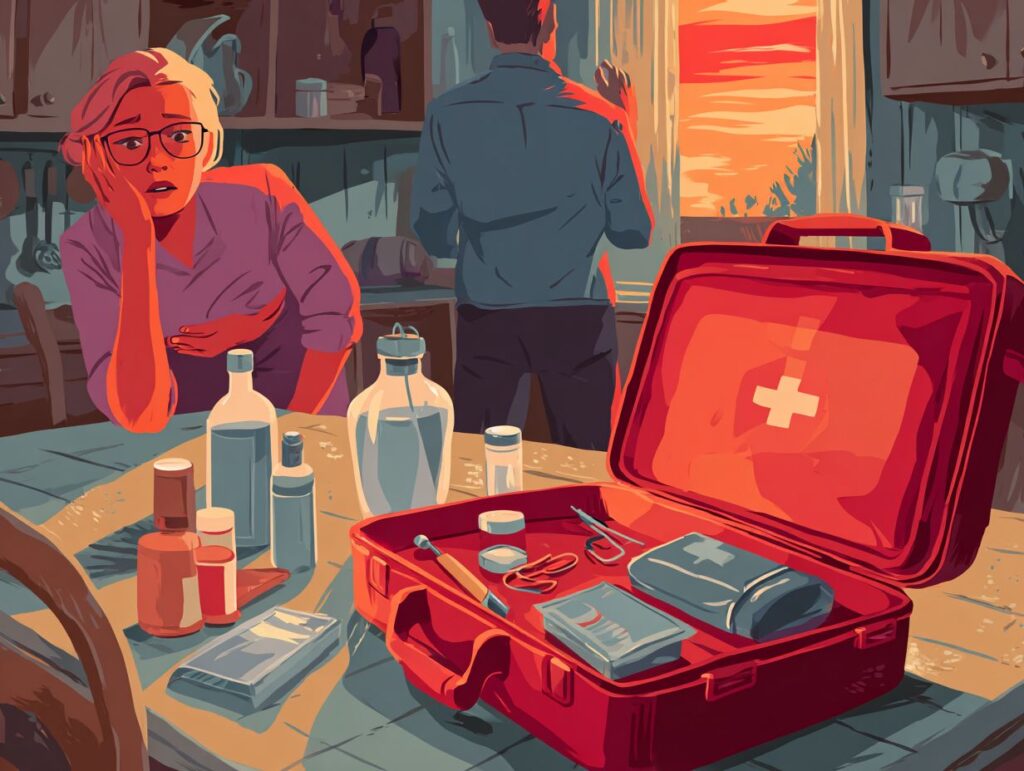
Household chemicals represent a significant source of unintentional poisoning, particularly among children, as common items such as cleaning products and medications pose serious risks, highlighting the importance of safety precautions.
The following are common household chemicals that contribute to poisoning incidents:
- Bleach
- Antifreeze
- Laundry detergents
- Cleaning sprays
- Medications such as antidepressants
To prevent accidental poisoning, especially children poisoning, it is essential to store these items out of reach of children and retain them in their original containers. The use of child-proof locks for cabinets, particularly in kitchens and bathrooms, is highly recommended.
Additionally, considering safer alternatives, such as vinegar or baking soda for cleaning purposes, can minimize risk while maintaining effectiveness.
Plants and Mushrooms
Numerous common plants and mushrooms possess high levels of toxicity, making it essential to be well-informed about their identification and associated risks.
For instance, poison ivy typically appears as a cluster of three leaves and can induce rashes upon contact; the presence of distinct white berries serves as an additional warning sign, making it one of the toxic plants to be aware of. Amanita mushrooms, which may closely resemble edible varieties, have the potential to cause liver failure; individuals should be vigilant for characteristics such as white gills and a bulbous base.
Other toxic plants include:
- Oleander, which can be fatal if ingested
- Foxglove, which can result in severe cardiac complications
To mitigate the risk of exposure, it is advisable to educate family members about these hazardous species and consider their removal from the garden, thereby ensuring that the home remains a safe environment.
Immediate First Aid Steps
Timely first aid plays a crucial role in the management of poisoning cases, as prompt interventions often influence the speed of recovery.
Assessing the Situation
Accurate assessment of the situation is the initial step in responding to poisoning, facilitating a tailored response based on the specific symptoms and substances involved.
To effectively assess a case of poisoning, it is advisable to follow these three steps:
- First, identify the substance involved. This may include checking for common household items such as bleach or various medications.
- Next, evaluate the symptoms by inquiring about any indications of nausea, respiratory difficulties, or skin reactions.
- Lastly, assess the individual’s responsiveness by gently shaking them or asking straightforward questions.
This assessment not only provides emergency responders with critical information regarding the urgency of the situation but also assists in the prompt selection of the appropriate antidote or treatment, which may ultimately save a life.
Contacting Emergency Services

It’s crucial to contact emergency services or the American Association of Poison Control Centers in cases of poisoning.
Understanding when and how to contact emergency services is crucial in poisoning cases, as it ensures timely and appropriate medical intervention, which may involve rescue breathing or CPR.
If there is poisoning, it is imperative to promptly call emergency services and provide essential information. Begin by stating the age and condition of the victim, followed by a description of the substance involved, including its name and quantity, if known. It is also important to mention any visible symptoms, such as nausea or confusion, and to specify the time elapsed since exposure.
Having emergency contact information readily available, including poison control numbers, can facilitate a quicker response. It is advisable to keep your phone accessible for any potential follow-up questions from the operator, as this information can significantly impact treatment options.
When to Seek Medical Help
Understanding when to seek medical help is as important as understanding the general principles of poisoning. In cases of inhaled poison or swallowed poison, timely response is crucial.
Determining the appropriate time to seek medical assistance is crucial, as certain symptoms and exposures to harmful substances necessitate immediate professional intervention.
Five specific scenarios that require urgent medical attention include:
- Ingestion of caustic substances, such as household cleaners.
- Severe allergic reactions accompanied by difficulty breathing.
- Prolonged unconsciousness lasting more than a few minutes.
- Symptoms indicative of carbon monoxide poisoning, such as headache and confusion.
- Chest pain or pressure, particularly if it radiates to the arm or jaw.
Research indicates that timely intervention significantly enhances patient outcomes; for instance, over 95% of patients experiencing severe allergic reactions can be stabilized through the prompt administration of an EpiPen.
Preventive Measures
Following guidelines from organizations like the Mayo Clinic and the American Academy of Pediatrics can aid in poisoning prevention.
Implementing preventive measures can substantially decrease the risk of poisoning incidents, particularly in households with children. To enhance safety, the following five key preventive measures should be considered:
- Store medications in child-proof containers to prevent accidental ingestion.
- Clearly label all toxic substances to avoid confusion.
- Educate family members on recognizing and avoiding poisonous plants.
- Secure household chemicals in locked cabinets.
- Regularly review emergency procedures for poison control.
Research indicates that these measures can reduce poisoning incidents by as much as 50%. By incorporating these practices into the home routine, one can create a safer environment for children and minimize potential hazards.

Frequently Asked Questions
What are the signs and symptoms of poisoning?
The signs and symptoms of poisoning can vary depending on the type of poison and the amount of exposure. Common signs include nausea, vomiting, difficulty breathing, dizziness, and confusion. In severe cases, there may be seizures, loss of consciousness, or even death. It is important to stay alert and recognize any unusual symptoms that may indicate poisoning.
What should I do if I suspect someone has been poisoned? Should I call poison control, or is there another immediate step?
If you suspect someone has been poisoned, the first thing you should do is call for emergency medical help. While waiting for help to arrive, keep the person calm and try to identify the substance that caused the poisoning. This information will be important for medical professionals to provide proper treatment.
What are some common household poisons?
Some common household poisons include cleaning products, medications, pesticides, and certain plants. It is important to store these items in a safe location out of reach of children and pets, considering that accidental poisoning can occur with items like button batteries or medicated patches. It is also important to read and follow the instructions on these products carefully to avoid accidental ingestion.
What should I do if I accidentally ingest a poisonous substance?
If you accidentally ingest a poisonous substance, do not panic. Stay calm and call the Poison Control Center, such as the webPOISONCONTROL service, or emergency medical services right away. Follow their instructions and do not try to induce vomiting unless directed to do so by a medical professional, such as those at the Mayo Clinic. In some cases, inducing vomiting can do more harm than good. General principles of poisoning should be considered, and nausea or poison on the skin should be addressed by professionals.
What should I do if I suspect my pet has been poisoned?
If you suspect your pet has been poisoned, call your veterinarian immediately. Symptoms of pet poisoning may include vomiting, diarrhea, difficulty breathing, and loss of coordination. Naloxone may be administered in cases involving opioid pain medication exposure in pets. It is important to keep any potential poisons away from your pets and seek medical help as soon as possible if poisoning is suspected. The American Association of Poison Control Centers can provide guidance on the best poisoning treatments.
How can I prevent poisoning in my home?
To prevent poisoning in your home, it is important to properly store and handle any potentially toxic substances. This includes medications, cleaning products, and pesticides. Keep these items out of reach of children and pets, and always read and follow the instructions on the labels carefully. In an emergency, knowing CPR can also be crucial. It is also important to teach children about the dangers of consuming unknown substances and to never put anything in their mouth without adult supervision.