Are you aware that common environmental allergens might be triggering allergic reactions without you even knowing? Your immune system plays a crucial role in defending against these allergens. Your immune system can be sensitive to various hidden irritants, from dust mites to mold spores, and even cockroaches, that contribute to seasonal allergies. In this article, we’ll uncover often-overlooked allergens lurking in your surroundings, helping you identify allergy symptoms and take preventive measures to protect your health. Dive in to enhance your understanding and find relief from environmental allergies today!
Table of Contents
Key Takeaways:
- Don’t overlook common indoor allergens like dust mites, pet dander, and mold spores which can trigger allergic reactions and worsen respiratory conditions.
- Outdoor allergens such as pollen and air pollution can also contribute to allergies and respiratory issues, so take preventive measures when spending time outside.
- Be aware of less obvious allergens like household chemicals and insect bites and stings, which can also cause allergic reactions and respiratory problems. Take necessary precautions to avoid exposure to these allergens.
Common Indoor Allergens and Contact Allergies
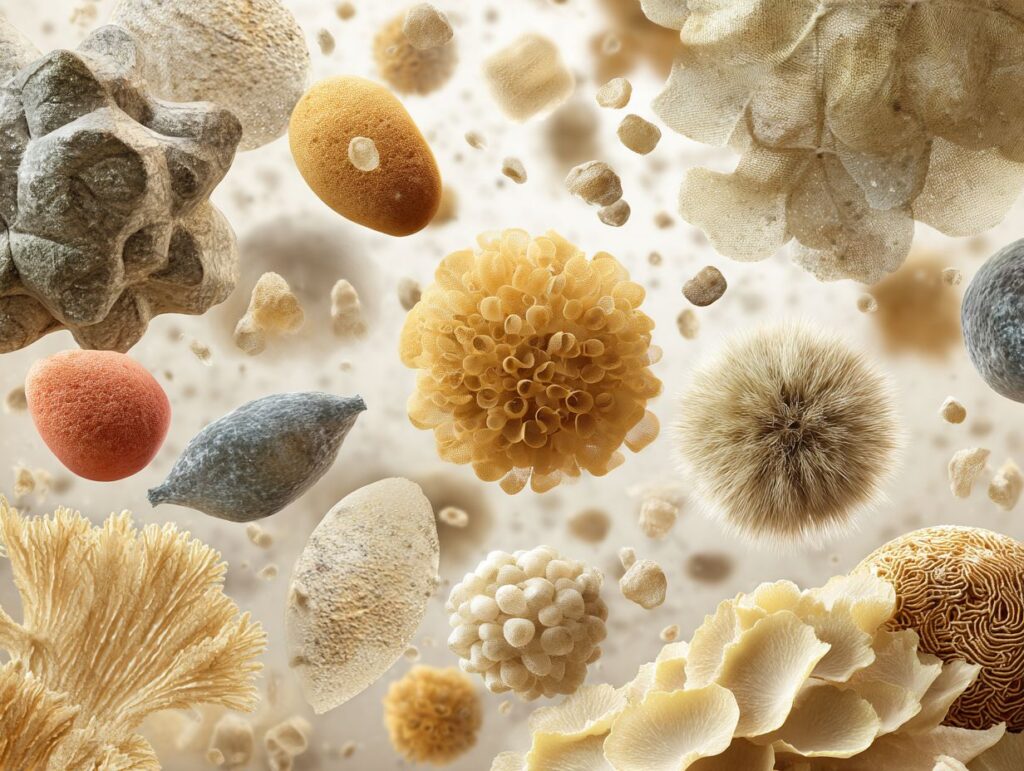
Indoor allergens are prevalent in residential environments and frequently contribute to symptoms of allergic rhinitis and asthma, especially in individuals with heightened sensitivity to allergens.
Dust Mites
Dust mites commonly inhabit bedding and upholstery, with research indicating that approximately 10% of individuals with asthma are affected by dust mite allergies, which can lead to allergic conditions. To effectively minimize dust mite exposure, it is important to implement specific measures.
- Consider investing in allergen-proof covers for pillows and mattresses, typically priced between $50 and $150, which can significantly reduce the presence of allergens.
- Ensure that all bedding is washed weekly in hot water (130 degreesF or higher) to effectively eliminate dust mites.
- Maintain indoor humidity levels between 30-50% by utilizing a dehumidifier, as lower humidity inhibits dust mite reproduction.
- Regularly vacuum using a HEPA-filter vacuum cleaner to capture dust mites present in upholstery and carpets, thereby enhancing overall air quality.
Pet Dander and Skin Allergies
Pet dander, a prevalent allergen, comprises microscopic flakes of skin shed by cats, dogs, and various other animals, affecting approximately 15-30% of the population.
To manage pet dander effectively, it is advisable to establish a routine that includes regular grooming of pets at least once a week, thereby reducing the quantity of loose fur and dander, and minimizing contact allergies.
Investing in HEPA air purifiers, which typically range in price from $50 to $300, can significantly aid in filtering allergens from the air.
Additionally, creating designated pet-free zones within the home, particularly in bedrooms, can further minimize exposure to allergens.
Consulting a healthcare provider for allergy testing can accurately identify specific sensitivities, allowing for a more tailored approach to managing individual needs with the help of allergy medications.
Mold Spores and Environmental Allergies
Mold spores, which are commonly found in damp environments, can provoke allergic reactions and exacerbate asthma symptoms, particularly in individuals with sensitivities to mold.
To mitigate mold growth, it is essential to regulate indoor humidity levels. It is advisable to maintain a humidity level below 50% by utilizing dehumidifiers, which typically range in cost from $40 to $300.
Promptly addressing leaks is crucial in preventing moisture accumulation; it is important to inspect areas such as under sinks and around windows.
In areas prone to dampness, such as basements, one might consider the installation of mold-resistant materials, such as specific types of drywall and paint, to provide an additional layer of protection.
Regular inspections of the home for indications of mold, such as discoloration or the presence of musty odors, should be conducted, and any identified issues should be addressed immediately to ensure a healthier indoor environment.
Outdoor Allergens and Tree Pollen

Outdoor allergens, such as pollen and environmental pollutants, play a significant role in exacerbating allergy symptoms, particularly during peak seasons.
Pollen
Pollen from trees, grasses, and weeds is a primary contributor to seasonal allergies, with tree pollen typically peaking in the spring and grass pollen surging from late spring through summer.
To effectively manage pollen allergies, it is advisable to monitor local pollen counts using applications such as Pollen.com or the Weather Channel, which provide real-time updates.
On days when pollen levels are elevated, it may be prudent to remain indoors, particularly during windy or warm afternoons when pollen counts tend to increase.
The use of nasal corticosteroids, such as Flonase, which range in cost from $15 to $30, is recommended to reduce inflammation.
Allergists also suggest keeping windows closed and utilizing air purifiers to minimize indoor pollen exposure.
Implementing these strategies can substantially alleviate allergy symptoms and enhance overall quality of life during peak pollen seasons.
Air Pollution and Allergic Conjunctivitis
Air pollution significantly exacerbates allergic reactions and can contribute to chronic respiratory conditions, particularly in urban environments.
To safeguard one’s health, it is advisable to regularly monitor air quality through reliable resources such as AirNow or local environmental agencies. On days when pollution levels are elevated, it is prudent to wear masks; N95 respirators serve as effective barriers against fine particulate matter. Additionally, the use of air purifiers indoors can help mitigate the effects of contaminants.
For individuals with asthma or allergies, it is important to collaborate with a healthcare provider to develop a comprehensive action plan for effectively managing symptoms. Prolonged exposure to poor air quality can lead to serious respiratory issues, making proactive health measures essential.
Less Obvious Allergens
Numerous less apparent allergens can play a significant role in triggering allergic reactions, including insect allergies, thereby affecting the daily lives of many individuals.
Household Chemicals

Household chemicals, including cleaning products and air fresheners, have the potential to trigger allergies and respiratory issues in sensitive individuals. To minimize exposure, it is advisable to transition to fragrance-free and hypoallergenic products, which are beneficial in managing allergy symptoms. Brands such as Seventh Generation and Method provide effective alternatives.
For example, Seventh Generation’s Free & Clear line is free from dyes and synthetic fragrances, making it a safe option for families. It is important to carefully inspect labels for common allergens, such as phthalates, sulfates, and parabens, which are often present in conventional products.
By making small substitutions to cleaner options, individuals can foster a healthier home environment, thereby reducing the likelihood of allergic reactions and respiratory discomfort.
Insect Bites and Stings
Insect bites and stings can provoke severe allergic reactions, including anaphylaxis, in individuals who are susceptible to insect allergies. To mitigate risks, it is advisable to use insect repellent that contains DEET, particularly in areas characterized by high mosquito populations.
Additionally, wearing protective clothing, such as long sleeves and pants, can further decrease exposure and help prevent skin allergies.
Individuals with known allergies should consider carrying an EpiPen, and it is essential to be familiar with its proper use in the event of a severe allergic reaction. Statistics indicate that approximately 2 million people in the United States are affected by insect sting allergies, underscoring the significance of these preventive measures.
Being informed and adequately prepared can substantially diminish the likelihood of experiencing severe allergic reactions.
Identifying Symptoms and Allergy Management
Early recognition of allergy symptoms is crucial for effective management and treatment. Common indicators include nasal congestion, itchy eyes, chronic hives, and skin rashes. Allergy symptoms can typically be classified into three categories: respiratory, skin, and systemic reactions.
Respiratory symptoms often present as sneezing, coughing, and difficulty breathing.
Skin reactions may appear as hives or flare-ups of eczema.
Systemic symptoms can vary in severity, ranging from facial swelling to anaphylactic shock, which necessitates immediate medical attention.
To conduct a self-assessment, individuals should consider how their symptoms correlate with specific triggers, such as pollen, pet dander, or certain foods. If symptoms worsen or if there is uncertainty regarding a reaction, it is advisable to consult healthcare workers or a healthcare provider for a thorough evaluation and appropriate guidance, including the use of antihistamines.
Preventive Measures and Allergy Injections
Implementing preventive measures can substantially decrease allergen exposure and enhance the quality of life for individuals suffering from allergies.
Commence by maintaining a regular cleaning routine in your home to minimize dust accumulation; it is advisable to vacuum carpets using HEPA filters at least once a week, which can aid in allergy symptoms management.
- The incorporation of air purifiers can further enhance indoor air quality; it is recommended to select models that effectively filter out pollen and pet dander.
Additionally, consider arranging allergen assessment and testing with a certified allergist to identify specific triggers, facilitating a targeted management approach, possibly involving allergy injections.

This proactive strategy aids in symptom management and diminishes the likelihood of severe allergic reactions, ultimately contributing to a healthier living environment.
Learn more, Allergy Shots: Effectiveness, Side Effects & What To Expect.
Frequently Asked Questions
What are common environmental allergens that people often overlook?
Some common environmental allergens and irritants that people may not realize they are allergic to include dust mites, pet dander, mold, pollen, and certain foods like dairy and wheat. Additionally, food allergies can be a significant concern for many.
How do I know if I am allergic to a specific environmental allergen?
If you experience symptoms such as sneezing, runny nose, itchy eyes, coughing, or difficulty breathing when exposed to certain environments, it is likely that you are allergic to an environmental allergen. A skin prick test can help identify specific nasal allergies.
Can environmental allergens affect my overall health?
Yes, environmental allergens can have a negative impact on your overall health if left untreated. Allergic reactions can weaken your immune system, leading to health issues and potentially contributing to allergy-related deaths.
What steps can I take to reduce my exposure to common environmental allergens?
To reduce your exposure to environmental allergens, you can regularly clean and vacuum your living space, use air purifiers, wash bedding and clothing frequently, and avoid known triggers like pet dander or certain foods. Implementing allergen immunotherapy can also be an effective allergy treatment.
Can environmental allergens be treated?
While there is no cure for allergies, environmental allergens can be managed with medication and lifestyle changes. Consult with an allergist to determine the best treatment plan for your specific allergies.
Are there any natural remedies for environmental allergies?
Some natural remedies that may help alleviate symptoms of environmental allergies include using a neti pot or nasal rinse, using essential oils, and consuming local honey.