Navigating the complexities of academic publishing can be daunting for early career researchers, especially in 2025’s dynamic landscape, as they face publication challenges and strive for writing excellence. From journal selection to manuscript preparation, understanding each phase of the peer review process is crucial for success. This article explores top publication strategies to help emerging scholars effectively publish their research, ensuring their work reaches the right journals and makes a meaningful impact in their fields. Discover how to elevate your research trajectory and publishing journey today!
Table of Contents
Key Takeaways:
- Stay updated with the evolving landscape of academic publishing, including the impact of open access models and alternative metrics.
- Use technology to your advantage, from submission platforms to AI tools for editing and formatting, enhancing your research documentation.
- Engage with the research community through systematic networking opportunities and collaborative research initiatives, and promote your work through social media and academic networks, ensuring audience alignment and enhancing research visibility.
Understanding the Evolving Landscape of Academic Publishing

The academic publishing landscape is progressively shaped by trends such as open access, alternative metrics, and the evolving metrics associated with impact factors.
Trends in Academic Publishing
Key trends that are reshaping academic publishing include the emergence of preprint servers and the increasing significance of transparency in the peer review process. Preprint servers such as arXiv and bioRxiv have substantially accelerated the speed of publication, enabling researchers to disseminate their findings immediately.
Research indicates that preprints can enhance citation rates by as much as 25%, as they provide early visibility to the work. Additionally, there is a growing demand for transparent peer review processes, where reviewer comments are made publicly accessible, thereby enhancing the integrity of research.
Journals that implement transparent methodology practices tend to gain greater trust from their readership and generally experience an increase in submission rates. This trend underscores the industry’s movement toward openness and the rapid dissemination of research findings.
Impact of Open Access Models
Open access models are transforming the way research is disseminated, enabling broader access to scientific articles and enhancing the visibility of research outputs, while combating predatory publishers.
Among these publication models, Gold Open Access allows researchers to publish their work in fully accessible journals, typically requiring article processing charges (APCs). In contrast, Green Open Access enables authors to self-archive preprints or postprints in repositories such as ResearchGate, significantly increasing the visibility of their work without incurring additional costs.
Early career researchers are encouraged to consider platforms like Google Scholar for indexing their articles and expanding their outreach, thus enhancing their research profile.
By leveraging these open access models and platforms, researchers can effectively disseminate their findings and achieve greater recognition within their respective fields.
Preparing Your Manuscript
Meticulous manuscript preparation is vital for achieving successful publication, beginning with the careful selection of an appropriate journal and the mastery of effective writing strategies.
Choosing the Right Journal
Selecting the appropriate journal for publication is a critical step for researchers, ensuring audience fit and publication integrity. It is essential to consider various factors, including the impact factor, alignment with the target audience, and the overall integrity of the publication.
To begin, researchers should compile a tiered journal list based on these criteria. Utilizing tools such as Journal Finder can aid in identifying journals that are well-suited to the research narrative, ensuring alignment with the relevant subject area.
Furthermore, it is important to assess each journal’s impact factor using established metrics such as Scopus or Clarivate, with a focus on targeting journals that fall within the top quartile to enhance visibility. Additionally, evaluating audience alignment can be achieved by reviewing previously published articles within the journal.
This structured approach enables researchers to select the most appropriate journals, thereby maximizing the reach and credibility of their research and addressing publication demands.
Effective Writing Techniques

Adopting effective writing techniques can significantly enhance manuscript readiness, improving clarity and coherence in scientific communication and fulfilling publication guidelines.
One should begin by creating a structured outline to logically organize arguments and findings. This method facilitates visualizing the flow of ideas and ensures that no critical information is overlooked.
Subsequently, employing clear abstracting methods to succinctly summarize complex information is essential. The inclusion of relevant visuals, such as graphs or charts, can further enhance data representation, making it more accessible to the audience.
It is important to maintain a formal tone while being concise and to avoid jargon whenever possible. Rigorous editing, utilizing tools such as Grammarly, can refine writing and promote professionalism and clarity in manuscripts.
Leveraging Technology for Submission
The effective utilization of technology can optimize the submission process, improve manuscript preparation, and accelerate the publication timeline.
Utilizing Submission Platforms
An understanding of various manuscript submission platforms is essential for authors; tools such as Editorial Manager and ScholarOne Manuscripts significantly streamline the submission process.
Editorial Manager provides a user-friendly interface that enables authors to easily track the status of their submissions and receive email notifications regarding updates. Conversely, ScholarOne Manuscripts is distinguished by its comprehensive integration with ORCID, which enhances the credibility of authors. Manuscript Central offers robust analytics that assist journals in analyzing submission trends.
To ensure compliance with submission guidelines, it is imperative to carefully review the specific requirements outlined by each platform, including word limits and formatting styles. Familiarity with these tools can enhance the likelihood of successful publication.
AI Tools for Editing and Formatting
AI-powered tools such as Paperpal and Grammarly can significantly enhance the editing and formatting of manuscripts, ensuring adherence to journal standards.
For example, Paperpal offers tailored optimization suggestions based on specific journal requirements, assisting authors in aligning their work more closely with submission guidelines. Conversely, Grammarly provides real-time style suggestions that enhance writing clarity and engagement.
By integrating these tools into the writing process, authors can improve the quality of their drafts while also increasing writing accountability. Both tools track changes and suggestions, facilitating the identification of areas for improvement throughout the manuscript preparation phase.
Checkout AI Document Formatter for doc.
Engaging with the Research Community
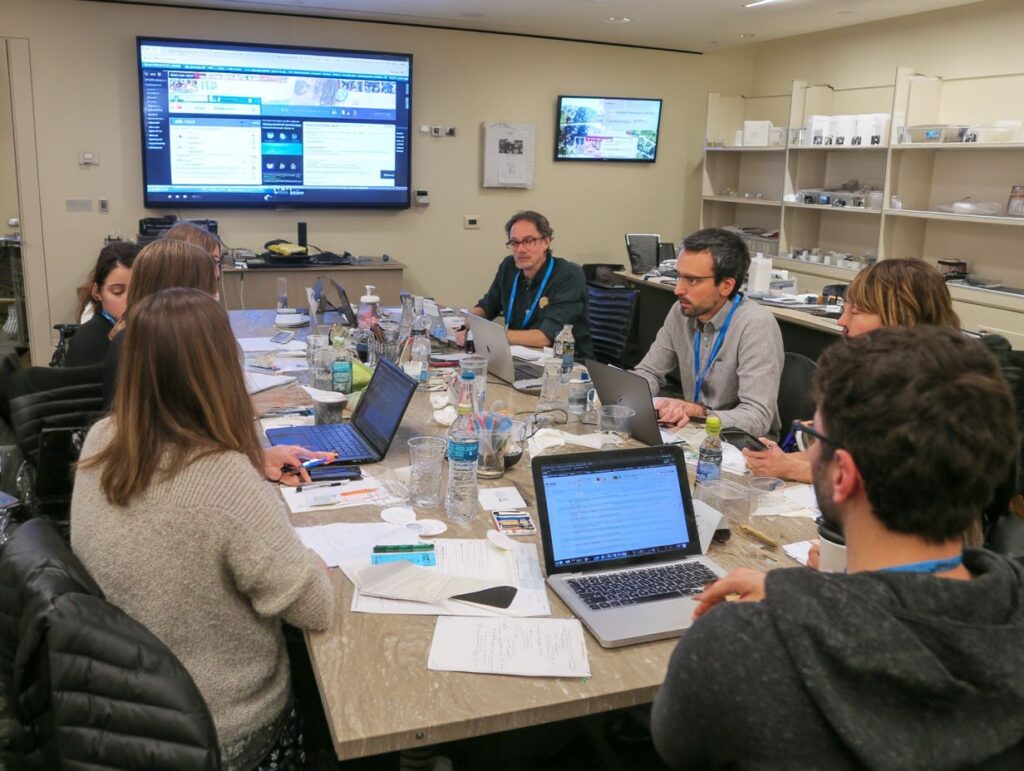
Engagement with the research community through networking and collaboration serves to enhance the visibility and impact of published work, fostering collaborative networks.
Networking Opportunities

Participation in conferences and workshops provides invaluable networking opportunities for early-career researchers who are seeking collaborations and funding opportunities. By attending relevant conferences, such as those organized by the Society for Neuroscience or the American Chemical Society, researchers have the opportunity to engage in face-to-face interactions with industry leaders and potential collaborators.
Online platforms, such as ResearchGate, facilitate discussions and the exchange of research ideas, while ORCID enhances visibility by linking researchers to their publications, thereby making it easier for peers to discover their work.
Successful networking can lead to significant outcomes, including collaborative grant applications or co-authored publications, which can substantially advance one’s career in academia and access publishing grants.
Collaborative Research Initiatives
Engaging in collaborative research initiatives can significantly enhance research efforts while ensuring compliance with ethical standards and maintaining research integrity, thereby overcoming systemic barriers.
Two prominent models of collaboration are research consortia and joint publications.
Research consortia, such as the Clinical Trials Transformation Initiative, allow multiple institutions to pool their resources, often resulting in increased funding and broader study populations. A case study demonstrated a 30% increase in participant diversity, thereby enhancing the overall validity of the findings.
Conversely, joint publications among institutions, exemplified by the collaborative work between Harvard and MIT, have resulted in a 50% increase in citation rates, greatly improving visibility within the academic community and highlighting the importance of citation importance. Both models underscore the importance of shared responsibility and collective expertise, fostering impactful research outcomes.
Promoting Your Published Work
Promoting published work through a strategic digital presence and effective utilization of social media can significantly enhance research visibility and citation impact, advancing scientific communication.
Social Media Strategies
Utilizing platforms such as Twitter and LinkedIn can serve as an effective means to promote published research and engage with targeted audiences, facilitating conference participation.
To maximize impact, it is advisable to implement specific strategies.
- Begin by establishing a dedicated research page that prominently features your work, areas of expertise, and serves as a platform for mentoring emerging scholars.
- Actively engage with relevant hashtags, such as #AcademicTwitter, to reach individuals interested in similar topics.
- Regularly sharing concise research insights or summaries through brief posts will help make your findings more accessible, while also providing mentorship support to peers.
Additionally, consider collaborating with influential figures within your field, as their endorsement can significantly enhance your reach and credibility, and explore publication grants to support your work. This multifaceted approach will ensure consistent visibility and engagement within the academic community, leveraging effective engagement strategies.
Utilizing Academic Networks
Leveraging academic networks such as Google Scholar, ResearchGate, and ORCID can significantly enhance a researcher’s visibility and citation impact.
To maximize presence on these platforms, it is advisable to create and maintain a comprehensive profile. This profile should include affiliation with the institution, areas of research interest, a professional photograph, and highlight systematic methods employed in research.
Additionally, sharing publications by uploading PDFs or providing links to full texts is essential. Actively participating in relevant discussions and following other researchers in the field, while engaging with reviewer databases, can further expand one’s network.
To improve visibility, it is important to incorporate keywords relevant to the research work in both the profile and publication descriptions. This strategy not only increases discoverability but also fosters potential collaboration opportunities with peers, utilizing publishing networks to maximize impact.
Frequently Asked Questions
What are the top strategies for publishing research papers in 2025?
The top strategies for publishing research papers in 2025 include: keeping up with emerging technologies and trends, collaborating with researchers from different disciplines, conducting thorough and ethical research, employing open science practices, and actively promoting your work through various channels.
How important is it to keep up with emerging technologies and trends in publishing research papers?
Keeping up with emerging technologies, data management, and trends is crucial for successful publishing in 2025. With the constant evolution of technology, researchers must adapt and utilize new tools and platforms to reach a wider audience and improve the quality of their work.
Why is collaboration with researchers from different disciplines beneficial for publishing research papers in 2025?
Collaborating with researchers from different disciplines allows for a broader perspective on the research topic and can lead to more innovative and impactful findings. It also opens up opportunities for networking and potential cross-disciplinary publications, which can be supported by high-impact journals.
How can ethical research practices enhance the success of publishing research papers in 2025?
Ethical research practices are essential for maintaining credibility, trust, and facilitating effective cover letter preparation in the academic community. By following ethical guidelines, researchers can ensure the validity and reliability of their findings, thus increasing the chances of their work being published.
What are some effective ways to promote research papers in 2025?
In addition to traditional methods such as conferences and journal submissions, researchers can also utilize social media, blogging, Paperpal, and online platforms to reach a wider audience and promote their work. Engaging with the public and media can also help increase the visibility and impact of research papers.
How can researchers stay ahead of the competition in the ever-changing landscape of publishing research papers in 2025?
To stay ahead of the competition, researchers must continuously adapt and evolve their strategies. This includes staying up to date with the latest tools and techniques, collaborating with diverse researchers, and actively seeking out new opportunities for publication and promotion.