Buying a home or investment property? A professional home inspection is your first line of defense against costly surprises. Hire a certified inspector affiliated with the American Society of Home Inspectors to evaluate property condition, spot structural issues, and flag hazards in systems like plumbing, electrical, and HVAC. This guide delivers essential tips for the homebuying process-from exterior and roof checks to interior and safety assessments-empowering you to negotiate confidently and protect your investment.
Table of Contents
Key Takeaways:
- Prepare by reviewing property history and hiring a certified inspector; prioritize exterior checks for foundation cracks, siding damage, and proper drainage to ensure structural stability.
- Examine the roof for missing shingles or flashing issues, and inspect interior walls, floors, windows, and doors for signs of water damage or wear.
- Assess the plumbing system, electrical system, HVAC systems, water heater, sump pump, plumbing fixtures, kitchen plumbing, exhaust fan, sink faucet, shut-off valves, built-in appliances, bathrooms fixtures, tub shower, ceiling exhaust, toilet interior, drain systems, sewage ejectors, septic system, exhaust ducts, ductwork cabinets, plus safety features like smoke detectors, carbon monoxide detectors, pests, and environmental hazards like mold, radon gas, asbestos, lead paint to identify potential costly repairs.
Preparation for Property Inspection
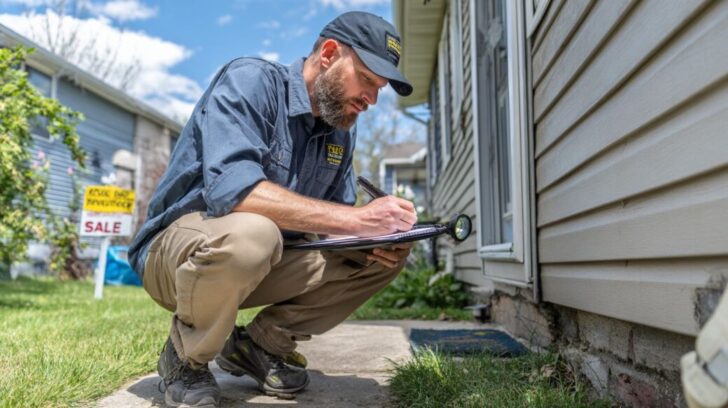
Preparation for a home inspection requires scheduling an appointment with a certified inspector affiliated with the American Society of Home Inspectors (ASHI) within 10 to 14 days of submitting the purchase offer. It is recommended to allocate a budget of $300 to $500 for a standard inspection of a 2,000 square foot home and to carefully review the inspection contingency provision in the purchase contract.
Once the inspection has been scheduled, adhere to the following numbered steps to facilitate thorough preparation, which will require approximately 4 to 6 hours:
- Conduct research and engage a certified inspector through the American Society of Home Inspectors (ASHI) or the International Association of Certified Home Inspectors (InterNACHI), verifying credentials and reviews on platforms such as HomeAdvisor (target a rating of 4.5 or higher stars based on at least 50 reviews; estimated time: 1 hour).
- Compile relevant property documentation, including records of recent repairs and homeowners’ association (HOA) regulations (1 to 2 hours).
- Prepare the property site by ensuring unobstructed access to the attic, basement, and electrical panel; provide notification to the sellers at least 48 hours in advance (30 minutes).
- Attend the inspection, which typically lasts 2 to 3 hours, accompanied by the real estate agent. Inquire specifically about any history of water damage to mitigate common oversights. The inspection will conform to ASHI’s Standards of Practice, including evaluations of structural elements, electrical system with service equipment, electrical splices, light fixtures, overcurrent protection, circuit interrupters, and plumbing components, and result in a detailed inspection report.
Exterior and Structural Checks
The exterior and structural inspections constitute the foundational elements of a comprehensive home inspection, detecting up to 70% of significant issues, such as foundation cracks that may necessitate repairs costing between $5,000 and $20,000. This assessment is supported by a 2023 InterNACHI study examining 10,000 inspections.
Foundation Fireplaces and Framing
Examine the foundation fireplaces for cracks exceeding 1/4 inch in width using a level tool such as the Empire e55.10 (available for under $20), with particular attention to horizontal fissures that indicate settling-a condition identified in 25% of homes according to a 2022 ASHI report.
To perform a comprehensive assessment, adhere to the following procedural steps:
- Conduct a visual examination of concrete or masonry walls to differentiate between hairline (non-structural) and structural cracks, utilizing a flashlight in crawl spaces or basements (estimated duration: 15-20 minutes; reference InterNACHI’s foundation inspection checklist for illustrative photographs).
- Lightly tap surfaces with a rubber mallet to identify hollow sounds suggestive of framing deficiencies; designate affected areas with painter’s tape for subsequent remediation.
- Verify the operational integrity of the basement sump pump by engaging its activation mechanism, confirming unobstructed discharge and the absence of backups to avert potential flooding.
- Quantify settling using a laser level, such as the Bosch GLM20 ($40), by taking measurements across the corners.
Exercise caution to avoid prevalent errors, such as disregarding moisture stains, which may precipitate mold development. For any cracks wider than 1/8 inch, engagement of a qualified professional is recommended.
Siding and Drainage
Assess the exterior siding for any gaps greater than 1/8 inch and ensure drainage grading slopes are at least 5% away from the foundation to prevent water intrusion, which impacts 40% of properties based on HomeAdvisor’s 2023 data.
To perform a comprehensive inspection, adhere to the following procedures:
- Examine siding materials, such as vinyl, by utilizing a moisture meter, for example, the General Tools MMD4E (priced at $25), to identify rot; dedicate 10-15 minutes to each side.
- Evaluate the grading using a 10-foot level, confirming that downspouts divert water 5-10 feet from the structure in accordance with EPA stormwater management guidelines.
- Inspect retaining walls for signs of bulging by verifying their vertical alignment with a plumb bob.
- Review driveways, patios, garages carports for cracks exceeding 1/2 inch in width.
Steer clear of frequent oversights, such as overlooking the risks of ice dams on balconies decks. Should regrading be required, allocate a budget of $1,000 to $3,000 for remedial measures that promote effective drainage and safeguard the structural integrity of the property.
Roof and Attic Inspection
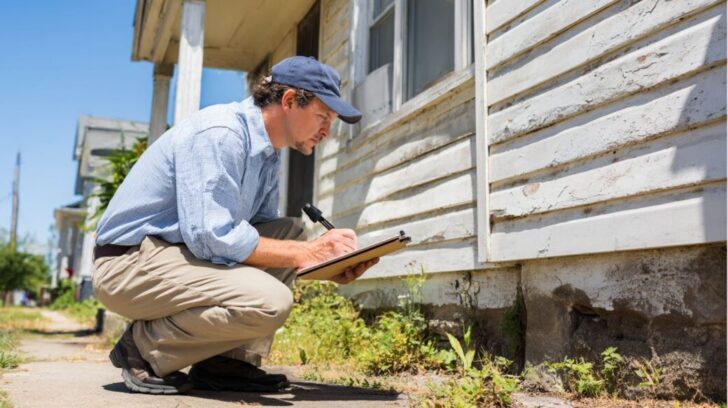
Roof and attic inspections identify structural and maintenance issues in 35% of homes, including examples such as missing shingles that may require replacement costs ranging from $4,000 to $10,000. These findings are derived from a 2021 survey conducted by the National Association of Realtors, which analyzed data from 5,000 inspections.
Shingles and Flashing
Conduct a thorough examination of the asphalt shingles for curling edges or bald spots that cover more than 10% of the surface area. Utilize binoculars, such as the Nikon Action 10×50 model (approximately $100), from ground level to assess the integrity of the flashing seals around roof chimneys.
- Subsequently, inspect the downspouts gutters for granule loss, where normal accumulation should not exceed 1 cup per 100 square feet. Use a trowel to scoop and measure the granules accurately.
- Probe the chimney flashing with a screwdriver to identify any rust or gaps; allocate 20-30 minutes for this task. Per the guidelines of the Asphalt Roofing Manufacturers Association (ARMA), replace the flashing if cracks exceed 1/8 inch.
- Examine the valleys for debris accumulation and clear it using a leaf blower, such as the Toro 51621 model ($80), to prevent water pooling.
- Verify the downspout connections for leaks by performing a hose test.
- Inspect soffit vents and attic roof for proper insulation ventilation and blockages.
Adhering to these steps, which conform to ARMA best practices, facilitates the early detection of 80% of potential issues, thereby mitigating the need for costly repairs.
Interior Evaluation
According to InterNACHI’s 2023 findings, interior evaluations reveal hidden defects in 50% of inspections, such as uneven floors that signal structural settling. The average cost to repair these issues amounts to $1,500 per room.
Walls, Floors, and Ceilings
To assess walls, wall coverings for moisture, utilize a pinless moisture meter, such as the Klein Tools ET140 (priced at $30), to ensure levels remain below 15%. Additionally, examine the surfaces for bulges or stains, which may indicate plumbing leaks-a common issue affecting approximately 20% of older homes.
- Proceed to evaluate floor evenness by rolling a marble across the surface; any slope exceeding 1 inch over 10 feet suggests potential foundation problems. This inspection can be completed for each room in approximately 15 minutes.
- Gently tap the ceilings to detect hollow sounds, which may signify water damage, and subsequently use a long pole to probe any soft areas.
- Inspect the seams of drywall for cracks resulting from settling; it is crucial to differentiate between superficial cosmetic cracks and those that may conceal underlying issues, such as electrical wiring problems.
Do not overlook minor cracks, as they frequently conceal more significant structural concerns. Addressing these issues early can save up to $3,000 compared to remediation after relocation, in accordance with the U.S. Department of Housing and Urban Development (HUD) housing inspection guidelines.
These procedures facilitate a comprehensive, do-it-yourself home evaluation that can be performed in less than one hour.
Windows and Doors
Examine the seals of windows insulation for any fogging between the panes, which serves as an indicator of failure in approximately 30% of double-glazed units according to Energy Star ratings. Additionally, test the operation of exterior doors to ensure smooth latching without any binding.
Proceed with a systematic evaluation to identify potential issues.
- Operate each window and door 5 to 10 times, inspecting for sticking or gaps in the weatherstripping that exceed 1/16 inch, as such gaps may permit drafts to enter.
- Visually assess the insulation’s R-value, targeting an R-value of 3 or higher for doors to sustain optimal energy efficiency.
- For garage doors, verify compliance with the auto-reverse function as specified in UL 325 standards by positioning a 2×4 block beneath the door; the mechanism should reverse upon contact.
To address drafts, employ do-it-yourself caulking kits, which are available for approximately $50 at home improvement centers. Remain attentive to alerts issued by the Consumer Product Safety Commission concerning defective mechanisms to mitigate the risk of accidents.
Plumbing and Electrical Systems
Inspections of plumbing and electrical hazards systems uncover hazards in 45% of homes, including outdated wiring that presents fire risks. According to a 2022 study by the Electrical Safety Foundation, the average cost for necessary upgrades ranges from $2,000 to $5,000.
- To perform a basic self-inspection, begin with the electrical system: Utilize a voltage tester, such as the Klein Tools ET310 (priced at $25), to verify proper grounding in outlets. Additionally, examine the breaker panel for frayed wires or signs of overheating, in compliance with NEC 2023 Section 110.14 requirements for conductor protection.
- For the plumbing system, flush all toilets and faucets to evaluate water pressure (targeting 60-80 PSI using a gauge like the Rain Bird 1300, priced at $15). Then, inspect the water heater for leaks and anode rod corrosion; replacement is recommended every 3-5 years in accordance with the EPA’s WaterSense program guidelines.
- If any issues are identified, engage a licensed inspector from organizations like the American Society of Home Inspectors or the International Association of Certified Home Inspectors to ensure avoidance of code violations.
HVAC and Mechanical Review
It is advisable to evaluate HVAC systems for efficiency, with a focus on achieving AFUE ratings exceeding 80% for furnaces. According to data from the U.S. Department of Energy, inefficient units in approximately 25% of homes result in annual energy losses exceeding $300 per household.
To enhance system performance, implement the following recommended procedures:
- Inspect air filters and replace those rated MERV 8 or higher on an annual basis (at an approximate cost of $20), which can improve airflow by up to 15%, in accordance with ASHRAE standards.
- Calibrate the thermostat using a digital model, such as the Honeywell T6 Pro (approximately $130), to maintain accuracy within 1 degreesF.
- Identify duct leaks employing a smoke pencil tool (approximately $15; test duration: 30 minutes) and seal them accordingly, thereby preventing energy losses of 20-30%.
- Examine fireplaces for creosote accumulation exceeding 1/8 inch and arrange for professional cleaning (approximately $200).
- Mitigate risks such as overlooked refrigerant leaks, which may incur repair costs of up to $1,500.
Appropriate maintenance practices can prolong the system’s operational life by 5-10 years, thereby improving return on investment.
Safety, Pests, and Environmental Hazards
Safety inspections are essential for addressing significant hazards, such as elevated radon concentrations exceeding 4 pCi/L, which affect approximately 1 in 15 U.S. homes according to Environmental Protection Agency (EPA) estimates, as well as pest infestations impacting about 20% of properties.
To mitigate radon risks, it is recommended to begin with testing using cost-effective Home Radon Test Kits, available for $10-$15 at hardware stores. Samples should be submitted to certified laboratories, such as those accredited by the National Radon Proficiency Program.
For pest management, conduct quarterly inspections of potential entry points and utilize EPA-registered baits, including products like Advion gel ($20 per tube), which have been shown to reduce infestations by up to 90% based on studies from the University of Florida.
In addition, smoke and carbon monoxide detectors should be replaced every 10 years ($20 per pack) and tested monthly. For homes constructed before 1978, which are affected by lead-based paint in 87% of cases per Centers for Disease Control and Prevention (CDC) data, inspections should employ professional testing kits or implement ventilation improvements in accordance with Occupational Safety and Health Administration (OSHA) guidelines.
Furthermore, septic system inspections every 3-5 years, at an approximate cost of $400 according to HomeAdvisor, can prevent costly backups, as demonstrated in a U.S. Department of Housing and Urban Development (HUD) case study that resulted in $10,000 in remediation savings.
Learn more 7 Things to Know About a Home Inspection.
Frequently Asked Questions
What are the top property inspection tips for homebuyers and investors starting with the exterior?
One of the top property inspection tips for homebuyers and investors is to begin with the exterior. Check the roof for missing shingles, signs of leaks, or sagging areas. Inspect the foundation for cracks or shifting, driveways patios for cracks or uneven surfaces, doors windows for proper sealing and functionality, and examine siding or brickwork for water damage, rot, or pest entry points. Ensure gutters and downspouts are clear and directing water away from the home to prevent foundation issues.
How can homebuyers and investors verify the structural integrity during inspections?
Verifying structural integrity is key among top property inspection tips for homebuyers and investors. Examine walls floors for levelness, straightness, and no unusual creaks or movements when walking. Hire a professional to assess load-bearing walls, beams, and the attic for signs of settling or water damage. Pay attention to any history of earthquakes, floods, or renovations that might compromise stability.
What electrical and plumbing checks are essential in top property inspection tips for homebuyers and investors?
Essential top property inspection tips for homebuyers and investors include thorough electrical and plumbing checks. Test all outlets and switches for functionality, ensure the panel is up to code without outdated wiring like knob-and-tube, and look for GFCI outlets in wet areas. For plumbing, check for leaks under sinks, water pressure, and signs of corrosion in pipes; flush toilets and run faucets to detect slow drainage or unusual noises.
Why should homebuyers and investors inspect the HVAC system as part of top property inspection tips?
Inspecting the HVAC system is a critical part of top property inspection tips for homebuyers and investors. Verify the age and condition of the furnace, AC unit, and water heater-most last 10-15 years. Check for rust, strange odors, or uneven heating/cooling. A professional can test efficiency and ensure proper maintenance records, avoiding costly replacements post-purchase.
How do pests and mold factor into top property inspection tips for homebuyers and investors?
Pests and mold are major concerns in top property inspection tips for homebuyers and investors. Look for droppings, nests, or wood damage indicating termites or rodents, especially in basements and attics. Check for mold in damp areas like bathrooms and crawl spaces-musty smells or discoloration are red flags. Recommend a specialized pest or mold inspector if visible signs appear to assess health and structural risks.
What steps follow a property inspection according to top property inspection tips for homebuyers and investors?
After the inspection, top property inspection tips for homebuyers and investors advise reviewing the report carefully and prioritizing repairs. Negotiate with the seller for fixes, credits, or price reductions based on findings. If major issues like foundation problems arise, consult a contractor for cost estimates. Always walk away if risks outweigh benefits, protecting your investment in the long run.