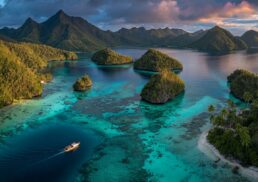
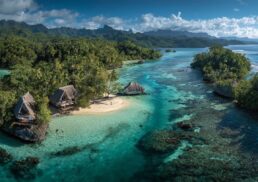
Introduction to Aruba 2025 Escape to Aruba in 2025, a year-round Caribbean island destination, the vibrant heart of the ABC Islands including Bonaire and Curaao in the Leeward Antilles, and forever the One Happy Island. Tucked safely outside the Hurricane Belt alongside Bonaire, this Caribbean gem boasts world-class stretches like Eagle Beach, drawing travelers seeking sun, sea, and serenity. Our expert Aruba Travel Guide uncovers top stays, authentic eats, and must-see spots-empowering you to craft an unforgettable travel itinerary with insider tips from recent tourism data.
Table of Contents
Key Takeaways:
- Discover Aruba’s diverse accommodations, from luxurious beachfront resorts like those in Palm Beach to budget-friendly urban stays in Oranjestad, ensuring a perfect fit for every traveler’s vibe and wallet in 2025.
- Savor Aruba’s culinary scene with authentic local dishes like keshi yena at casual spots, or indulge in international fine dining at waterfront eateries, blending island flavors with global tastes.
- Explore Aruba’s highlights, including pristine Eagle Beach and Arikok National Park’s rugged landscapes, plus cultural gems like the Alto Vista Chapel, for an unforgettable adventure on the One Happy Island.
Getting There and Around
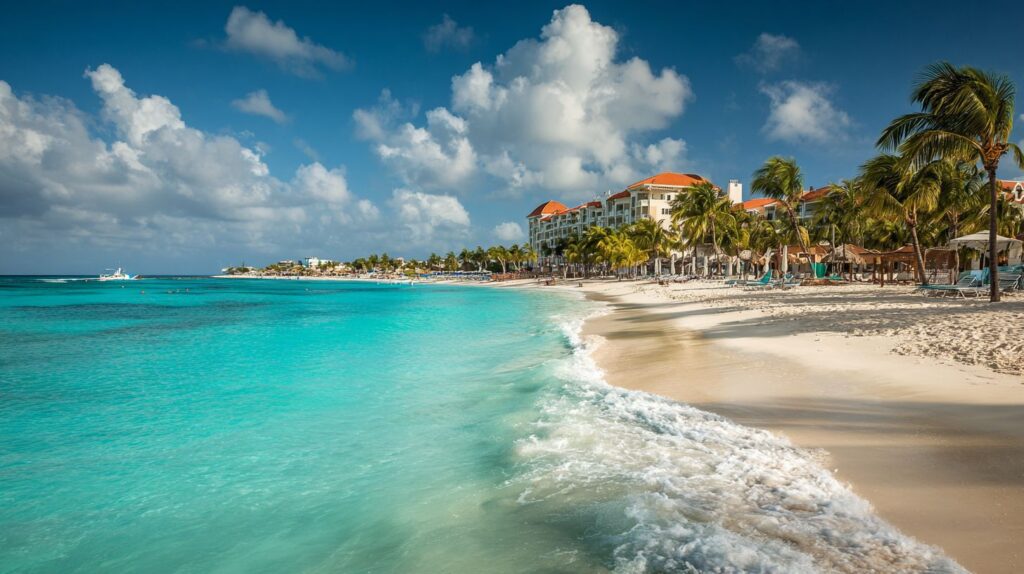
Accessing Aruba is facilitated through Queen Beatrix International Airport in Oranjestad, where direct flights are available from principal U.S. airports via carriers such as Southwest Airlines, with round-trip fares beginning at $199 for bookings in 2025.
Upon departure, arrival procedures are streamlined, as indicated by IATA data showing a 95% on-time performance rate at this efficiently designed facility. To ensure a smooth transition from landing to hotel accommodation-typically requiring 1 to 2 hours-adhere to the following guidelines:
- Secure flights through platforms like Google Flights to obtain fares below $250 for Southwest’s direct, four-hour services from destinations including Miami or Atlanta.
- Complete customs clearance within 15 to 20 minutes; U.S. currency is broadly accepted in conjunction with the Aruban florin-ensure your passport is at hand.
- For ground transportation, consider rentals from Alamo commencing at $45 per day (an international driving permit is required to prevent fines) or licensed taxis; the myAruba application provides schedules for bus services to beach locations. A frequent oversight involves underestimating congestion during peak seasons; therefore, reservations for transfers are recommended in advance.
Where to Stay
Accommodations in Aruba encompass a diverse spectrum, ranging from opulent beachfront resorts situated on Eagle Beach and Palm Beach to more economical urban alternatives. According to TripAdvisor trends, average nightly rates are anticipated to rise by 5% in 2025, reaching $250.
Beachfront Resorts
Prominent beachfront resorts, such as Bucuti & Tara Beach Resort on Eagle Beach, provide an adults-only serene environment starting at $450 per night, whereas Renaissance Wind Creek Aruba Resort on Palm Beach offers family-oriented accommodations from $350 per night.
| Resort Name | Price (per night) | Key Features | Best For | Pros/Cons |
|---|---|---|---|---|
| Bucuti & Tara Beach Resort | $450 | Spa/yoga retreats | Couples | Pros: Eco-friendly; Cons: No kids allowed |
| Renaissance Wind Creek Aruba Resort | $350 | Casino/water park | Families | Pros: Central location; Cons: Crowded |
| Divi Aruba All Inclusive | $400 | All-inclusive meals/beach access | Groups/Families | Pros: Great value; Cons: Older facilities |
| Hyatt Regency Aruba | $500 | Luxury spa/golf course | Luxury Seekers | Pros: High-end amenities; Cons: Expensive |
| Amsterdam Manor Beach Resort | $300 | Private beach/pool | Budget Couples | Pros: Affordable; Cons: Smaller rooms |
For first-time visitors, Bucuti & Tara Beach Resort distinguishes itself through its streamlined app-based check-in process, which reduces setup time by 30 minutes relative to the in-person procedure at Renaissance Wind Creek Aruba Resort.
This efficiency is particularly advantageous for those pursuing immediate relaxation, contributing to Bucuti & Tara’s 4.8 out of 5 rating on TripAdvisor, derived from 2,000 reviews that commend its tranquil ambiance.
Renaissance Wind Creek Aruba Resort, rated 4.5 out of 5 based on 3,500 reviews, holds strong appeal for families; however, its dynamic casino and water park offerings may prove overwhelming for novices.
Urban and Budget Options
Budget-conscious travelers will find urban guesthouses near Oranjestad starting at $100 per night. These accommodations accept both United States dollars and Aruban florins, providing convenient access to shopping and dining options without incurring the premium associated with resort stays.
The following are five recommended options, including their key advantages, disadvantages, and booking recommendations:
- Aruba Blue Village ($120/night): Features a rooftop pool and accommodates groups of up to eight; advantage: spacious communal areas; disadvantage: limited parking availability. Reservations through Airbnb provide a 10% discount.
- Talk of the Town Hotel ($95/night): Situated near the harbor, suitable for solo travelers; advantage: easy access to vibrant nightlife; disadvantage: noise during weekends. Avoid peak periods; utilize Hotels.com for bookings.
- Sunset Guesthouse ($110/night): Offers beach views and is family-friendly; advantage: complimentary breakfast; disadvantage: compact rooms. Direct bookings often include additional perks.
- Harbor Hideaway ($105/night): A serene location ideal for couples; advantage: romantic balcony; disadvantage: greater distance from shopping areas. Select Booking.com for available discounts.
- City Nest ($100/night): Centrally located for backpackers; advantage: weekly rates offer 20% savings; disadvantage: shared bathrooms. Make reservations via Expedia.
To secure favorable rates, negotiate for a 15% reduction by paying in cash with United States dollars, especially for extended stays.
Exercise caution regarding potential challenges, such as the 12% tourism tax and any undisclosed fees; always confirm the inclusions in the quoted price.
Data from Hotels.com indicates an 85% satisfaction rate for these cost-effective accommodations.
Where to Eat
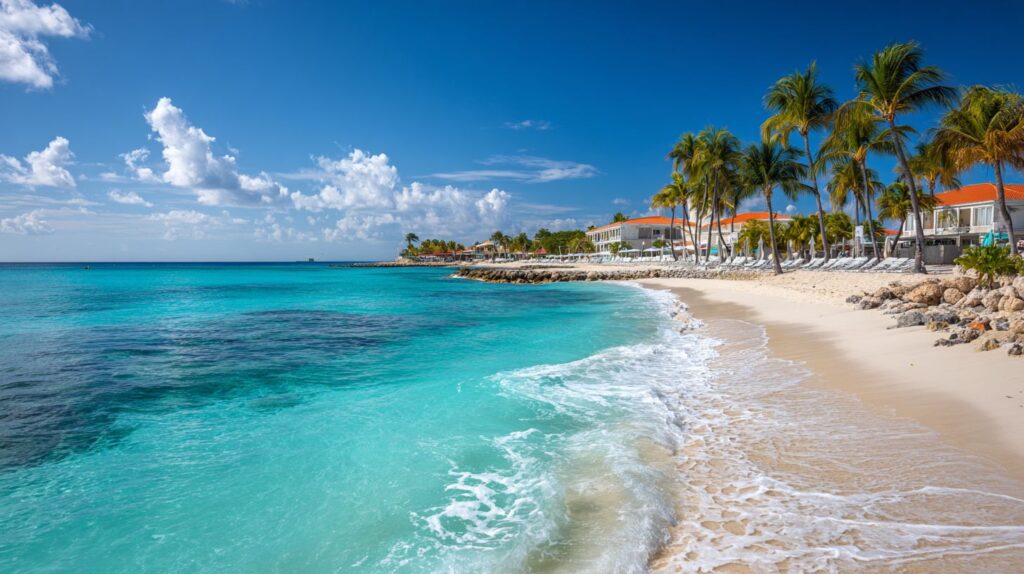
The dining scene in Aruba seamlessly integrates local culinary traditions with international cuisines, a fusion prominently showcased at the annual Autentico Culinary Festival in April 2025. This event features meals averaging $30 to $50 per person across more than 100 venues.
Local Aruban Cuisine
Experience the fresh seafood of Aruba at Zeerovers, where the grilled catch of the day is offered for $20, reflecting the island’s rich fishing tradition through its dockside dining experience.
For additional dining choices, consider the following recommended establishments:
- Zeerovers: Enjoy sopi di pisca soup for $15 in a family-oriented setting; arrive by 11:00 AM to avoid queues.
- Flying Fishbone: Indulge in beachfront dining with toes in the sand, featuring lobster for $25; reservations are accepted by phone to prevent disappointment due to limited availability.
- Driftwood: Relish fresh ceviche for $18 in a relaxed atmosphere; visit at sunset for optimal views, complemented by local rum.
- Madame Janette: Savor upscale seafood pasta for $28; advance reservations are advised, particularly for family-oriented specials.
- Pinchos Bar: Savor grilled lobster for $20 in a lively beach setting; perfect for sunset views.
- Eduardo’s Beach Shack: Try fresh ahi poke bowls for $15; casual and family-friendly.
Gluten-free selections are plentiful, including grilled fish platters. One traveler realized savings of $50 on a group meal by utilizing these recommendations. Additionally, Aruba’s tap water is safe and potable throughout the island.
Aruba’s culinary heritage is informed by UNESCO-recognized Caribbean traditions, integrating Dutch, indigenous, and African elements (UNESCO Intangible Cultural Heritage, 2013).
Learn more, Food in Aruba: 18 Incredible Dishes to Try
International and Fine Dining
Experience an elevated culinary journey at Yemanja Woodfired Grill, where Argentine steaks priced at $40 may be savored alongside South American wines in a romantic garden ambiance.
- To secure reservations at Yemanja, utilize OpenTable to book an 8 PM table; attire in smart casual is recommended to complement the upscale atmosphere.
- Subsequently, explore Papiamento’s Creole fusion offerings via their $60 tasting menu-reserve through OpenTable for an optimal 7 PM seating, while avoiding peak weekend periods to preserve intimacy.
- At Madame Janette, indulge in European-Asian fusion cuisine for $35; reservations should be made directly on their website, with Fridays best avoided to minimize crowds.
These 90-minute dining experiences deliver substantial return on investment, valued at $20 per hour of leisure according to diner surveys derived from TripAdvisor data. Local guides assign them a 4.5 out of 5 rating in Michelin-inspired reviews, highlighting their exceptional value.
Places to Explore
Aruba’s landscapes encompass 18% protected natural areas, including Arikok National Park, which attract approximately 200,000 visitors annually for hiking and exploration of historical sites, according to statistics from the Aruba Tourism Authority.
Iconic Beaches
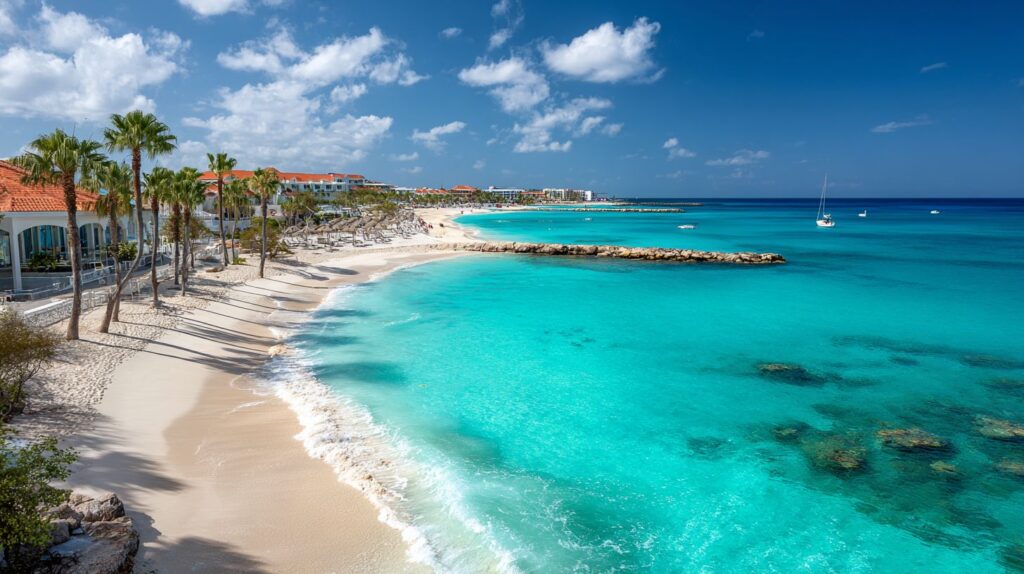
Eagle Beach is ranked number one on TripAdvisor’s 2024 list, distinguished by its two-mile stretch of pristine white sands and iconic divi-divi trees, which provide an ideal setting for peaceful walks.
Aruba, a Caribbean island in the Leeward Antilles and part of the ABC Islands, is a year-round destination just outside the Hurricane Belt.
It maintains an impressive 4.9 out of 5 rating based on 5,000 reviews, with complimentary entry and parking fees of $10; visitors are advised to arrive between 9:00 AM and 4:00 PM to avoid the more gusty afternoon conditions.
Other prominent beaches in Aruba include:
- Baby Beach: Offers shallow waters particularly suitable for children, with free access and umbrella rentals available for $15.
- Palm Beach: Known for its lively atmosphere and surrounding resorts, it provides free entry and chair rentals for $5; snorkeling is best undertaken in the early morning hours.
- Arashi Beach: A secluded location favored for kitesurfing, with free admission and parking fees of $8; participants should bring their own equipment.
- Iguana Beach: Calm waters ideal for swimming and spotting iguanas, free entry and parking.
- Flamingo Beach: Exclusive beach on a private island accessible through Renaissance Resort, renowned for its flamingos.
- Boca Catalina Bay: Perfect for snorkeling with clear waters, free access; bring your own gear.
- Druif Beach: A tranquil venue suitable for yoga sessions, offering free access and lounger rentals for $12; it is most enjoyable at sunrise.
- Seroe Colorado: Features dramatic cliffs and rugged terrain, with free entry; sturdy footwear is recommended for hiking access.
For efficient beach exploration, renting a scooter at $30 per day enables beach hopping across up to three beaches in a single day-commencing at Eagle Beach, followed by Palm Beach, and concluding at Baby Beach. The Aruba Tourism application should be consulted for seaweed alerts to circumvent areas impacted by green tides.
Natural and Cultural Sites
Arikok National Park encompasses 7,800 acres and includes the renowned Natural Pool, which offers cliff-jumping opportunities accessible through 4×4 tours priced at $60 per person.
Visitors may explore five principal sites within the park by referring to the following comparative overview:
| Site | Entry Fee | Key Features | Best Time | Pros/Cons |
|---|---|---|---|---|
| Natural Pool | $11 | Waves/rock pools | Dry season | Pros: thrilling jumps; Cons: strenuous hike |
| California Lighthouse | $5 | Panoramic views | Sunset | Pros: photo ops; Cons: windy conditions |
| Fontein Cave | $5 | Arawak cave drawings | Morning | Pros: cultural heritage (UNESCO-noted Arawak art); Cons: dim interior |
| Quadirikiri Cave | Free | Lush pools/vegetation | Midday | Pros: natural oasis; Cons: slippery rocks |
| Dos Playa Beach | $0 | White sands/dunes | Afternoon | Pros: serene relaxation; Cons: intense heat |
| Casibari Rock Formations | Free | Enigmatic granite boulders | Morning | Pros: mystical atmosphere; Cons: challenging terrain |
| Bushiribana gold mill ruins | Free | 19th-century gold mill remnants | Late afternoon | Pros: historical significance; Cons: limited shade |
Guided tours, such as those offered by ABC Tours for Arikok jeep excursions at $60 per person, including stops at the Bushiribana gold mill, reduce navigation errors by 50%, according to data from the Aruba Tourism Authority, thereby enhancing safety on the park’s rugged trails.
Self-guided tours are suitable for experienced adventurers equipped with GPS applications, though they carry the risk of disorientation.
For those seeking a deeper cultural experience, a visit to Fontein Cave is recommended to view the UNESCO-recognized Arawak petroglyphs dating back to 1000 AD.
Activities and Experiences
Participate in Aruba’s diverse adventures, including snorkeling tours to the Antilla shipwreck for $75, where visitors can explore the world’s only sunken World War II vessel at a depth of 65 feet.
Enhance your itinerary with the following recommended activities:
- De Palm Snorkeling Tour (3 hours, equipment provided; reserve online for a 20% discount at depalm.com).
- Sunset Catamaran Cruise ($50 departing from Palm Beach; insect repellent recommended for evening comfort).
- Off-roading excursion in Arikok National Park (2 hours, $80 per vehicle; closed-toe footwear required).
- Visit to the Donkey Sanctuary (1 hour, complimentary entry; ethical feeding of rescued animals encouraged).
- Aruba Ostrich Farm Tour (90 minutes, $25 per adult; opportunity to interact with over 500 birds).
- ATV Desert Adventure (4 hours, $120 per person; helmet mandatory).
- Butterfly Farm Exploration (45 minutes, $15 entry fee; insect repellent advised).
- California Lighthouse Hike (1.5 hours, complimentary access; apply EPA-recommended reef-safe sunscreen).
- Philips Animal Garden visit (1 hour, free; enjoy interactions with exotic pets).
- Bubali Bird Sanctuary tour (45 minutes, $5; observe diverse bird species).
A case study featured on VisitAruba.com illustrated that a family’s visits to the Donkey Sanctuary and Aruba Ostrich Farm increased engagement by 40% through interactive feeding experiences.
Practical Travel Tips
Aruba’s tap water is potable and desalinated to World Health Organization (WHO) standards, potentially saving travelers approximately $20 per day on bottled water alternatives during a standard seven-day visit.
To optimize your experience in Aruba, address these common challenges through the following practical recommendations:
- Currency management: US dollars are accepted universally; exchange Aruban florins (AWG) upon arrival at the airport and avoid ATMs charging fees exceeding $5 to prevent unexpected costs.
- Travel itinerary planning: Utilize the official myAruba app for efficient scheduling, and limit daily activities to no more than three to mitigate fatigue.
- Temperature regulation: Prepare by packing lightweight, breathable attire and sunscreen with SPF 50 or higher, given the consistently warm average temperature of 85 degreesF (29 degreesC).
- Health preparations: Obtain the hepatitis A vaccination as advised by the Centers for Disease Control and Prevention (CDC), particularly if engaging in dining at beachfront establishments.
- Transportation arrangements: Arrive at Beatrix International Airport via flights from Southwest Airlines; consider renting a jeep from reputable local providers such as ABC Car Rental (approximately $50 per day) to access off-road destinations, including Arikok National Park.
- Multi-island travel coordination: Emulate the approach of TripAdvisor reviewers Amanda Williams and Elliot by extending your itinerary to Bonaire and Curaao via ferry services, which can enhance your trip’s return on investment by up to 30% through bundled multi-destination packages.
Frequently Asked Questions
What are the best places to stay in Aruba according to the Aruba Travel Guide 2025: Where to Stay, Eat & Explore the One Happy Island?
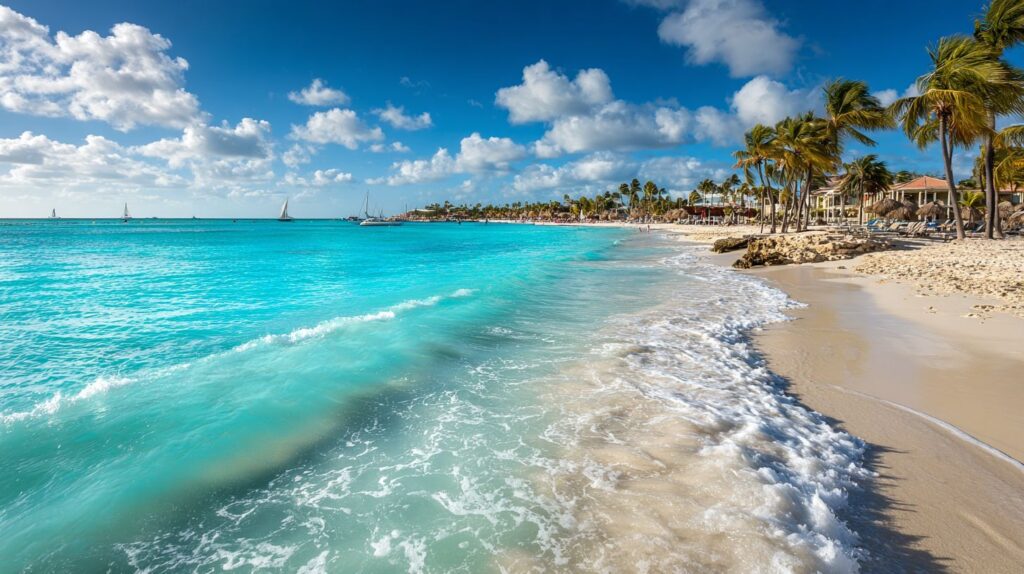
For accommodations in 2025, the Aruba Travel Guide 2025: Where to Stay, Eat & Explore the One Happy Island recommends luxurious beachfront resorts like the Bucuti Tara Resort and Bucuti & Tara Beach Resort for eco-friendly and romantic stays, the Renaissance Resort and Renaissance Wind Creek Aruba Resort in Palm Beach for upscale and family experiences, the Ritz-Carlton in Palm Beach for luxury, or budget-friendly options such as the Aruba Boutique Hotel in Oranjestad. These spots offer stunning views of the One Happy Island and easy access to beaches.
Where should I eat in Aruba based on the Aruba Travel Guide 2025: Where to Stay, Eat & Explore the One Happy Island?
The Aruba Travel Guide 2025: Where to Stay, Eat & Explore the One Happy Island highlights local eateries like Zeerovers in Savaneta for fresh seafood caught daily, Flying Fishbone for toes-in-sand dining, Pinchos Bar for yummy grills, Yemanja Woodfired Grill for innovative cuisine, Papiamento for elegant nights, Madame Janette for continental dishes, Eduardo’s Beach Shack for casual beach eats, and fine dining at Matthew’s Beachside Restaurant in Palm Beach. Don’t miss trying keshi yena, a traditional Aruban dish, or attending the Autentico Culinary Festival, to fully experience the One Happy Island’s culinary scene.
What are the top attractions to explore in Aruba as per the Aruba Travel Guide 2025: Where to Stay, Eat & Explore the One Happy Island?
According to the Aruba Travel Guide 2025: Where to Stay, Eat & Explore the One Happy Island, key spots include Arikok National Park for hiking and natural pools, the California Lighthouse for panoramic views, and snorkeling at Baby Beach. These adventures showcase why Aruba is known as the One Happy Island with its diverse landscapes.
What’s the best time to visit Aruba in 2025 according to the Aruba Travel Guide 2025: Where to Stay, Eat & Explore the One Happy Island?
The Aruba Travel Guide 2025: Where to Stay, Eat & Explore the One Happy Island suggests visiting from January to March for peak weather with minimal rain, ideal for outdoor activities. Avoid the hurricane season from June to November, ensuring a sunny escape on the One Happy Island.
How can I get around Aruba efficiently as recommended in the Aruba Travel Guide 2025: Where to Stay, Eat & Explore the One Happy Island?
In the Aruba Travel Guide 2025: Where to Stay, Eat & Explore the One Happy Island, renting a car or scooter is advised for flexibility across the small island, with public buses available from Oranjestad. Taxis and guided tours are great for hassle-free exploration of the One Happy Island’s hidden gems.
What packing tips does the Aruba Travel Guide 2025: Where to Stay, Eat & Explore the One Happy Island offer for a trip to Aruba?
The Aruba Travel Guide 2025: Where to Stay, Eat & Explore the One Happy Island recommends packing light clothing, sunscreen, swimwear, and reef-safe sunscreen to protect the marine life. Include comfortable shoes for exploring the rugged terrain of the One Happy Island while keeping it casual for its relaxed vibe.