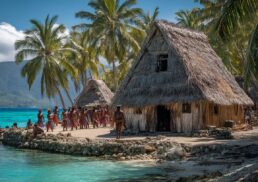
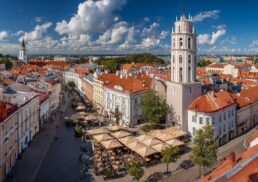
Introduction to Haiti’s Top Attractions Discover Haiti, a Caribbean gem blending resilient history, vibrant Haitian culture, and breathtaking natural beauty. Immerse yourself in soul-stirring Haitian music traditions, like those championed by the iconic Emeline Michel with her powerful voice, songs, and albums spanning an illustrious career, or explore spiritual sites such as St. Clement Parish in Haiti and the Haitian community in Wilton Manors FL, a hub for community, spirituality, faith, reason, and evangelization, including the Eucharistic celebration led by Archbishop of Miami and Rev. Patrick Charles on November 23, 2024, marking an anniversary celebration with a concert. This curated top 10 guide uncovers must-see experiences-from ancient fortresses to pristine waterfalls-empowering your journey with authentic insights for an unforgettable adventure.
Table of Contents
Key Takeaways:
- Discover Haiti’s rich history by visiting the iconic Citadelle Laferrire and Sans-Souci Palace ruins, UNESCO sites showcasing revolutionary architecture and resilience.
- Immerse in vibrant culture through Vodou ceremonies and the colorful Jacmel Carnival, blending African roots with Haitian traditions.
- Embrace natural beauty at Labadee beaches, hike Pic Macaya National Park, and marvel at Bassin Bleu waterfalls for unforgettable outdoor adventures.
1. Visit the Majestic Citadelle Laferrire
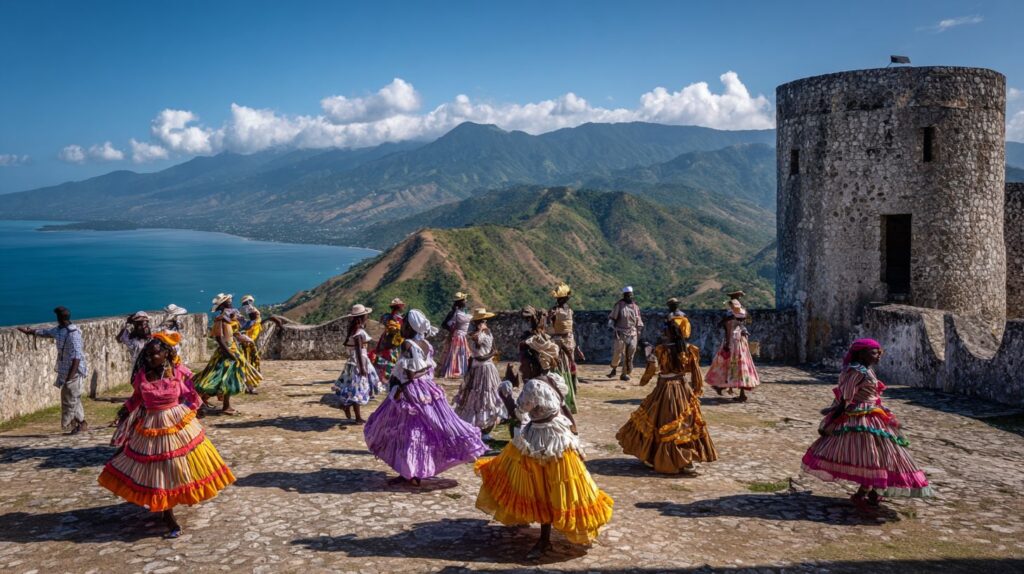
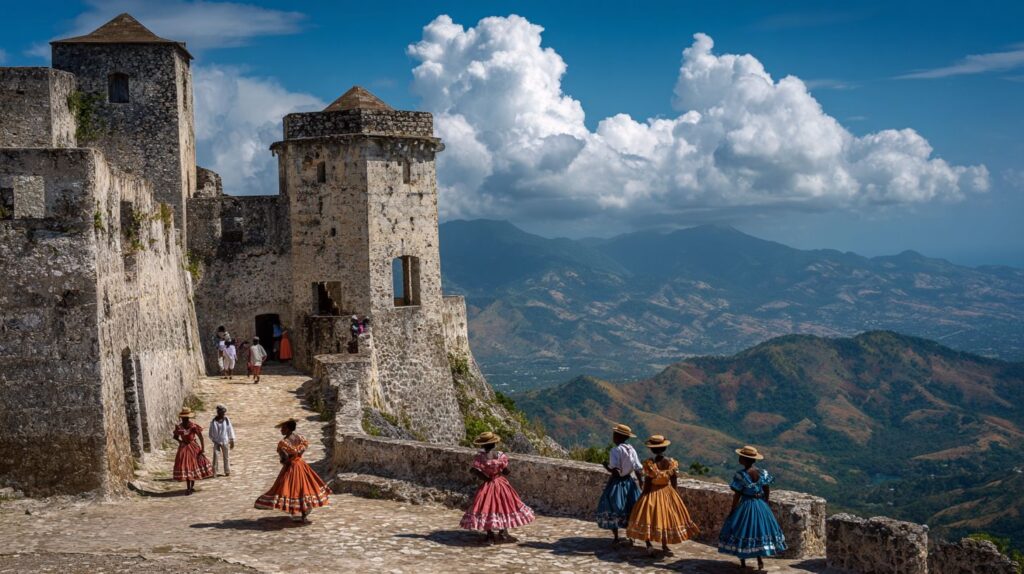
The Citadelle Laferrire, a UNESCO World Heritage Site, is situated atop the northern mountains of Haiti near Cap-Haitien. Constructed following the Battle of Vertires in 1820, this fortress covers an area of 60,000 square meters and requires a 20-minute hike from the designated parking area.
Commissioned by King Henri Christophe in the early 19th century as a defense against potential French invasion, the fortress was built by an estimated 200,000 laborers over a period of 15 years, employing local stone materials and advanced engineering techniques.
Recognized as a UNESCO World Heritage Site in 1982, it attracts approximately 50,000 visitors each year.
Guidelines for visiting:
- Arrive via Cap-Haitien International Airport and proceed by vehicle for a 45-minute drive to the site.
- Engage a local guide, at a cost of $20-$30, to ensure safe navigation of the trails.
- Allot 2-3 hours for exploration, including the cannon emplacements and the ruins of the adjacent palace.
Admission is priced at $10; it is advisable to visit during the dry season (October to May) and to carry sufficient water to prevent heat-related illnesses.
2. Explore the Ruins of Sans-Souci Palace
The ruins of Sans-Souci Palace, inspired by Prussian architectural principles and constructed in 1810 near Cap-Hatien, close to historical areas like the Massacre River in Ouanaminthe and the canal project, embody Haiti’s aspirations for independence in its formative years. Spanning 5 hectares, the site features remnants of opera halls and meticulously designed gardens.
Commissioned by King Henry Christophe, Sans-Souci served as a vibrant cultural center, hosting opulent balls and showcasing exquisite gardens, until its devastation by the 1842 earthquake. This event was vividly documented by traveler John Maisto, who recounted the collapse of the site’s grand neoclassical columns during 40-second seismic tremors that claimed thousands of lives in the surrounding area.
In 1982, UNESCO designated Sans-Souci, in conjunction with the Citadelle Laferrire, as a World Heritage Site, in recognition of Haiti’s profound revolutionary heritage. Conservation efforts are led by Haiti’s Institute of National Heritage, which employs stone reinforcement techniques to mitigate ongoing erosion.
For visitors seeking to explore the site:
- Access the location through the village of Milot, situated 10 kilometers from the Citadelle, via a taxi ride costing approximately $5.
- Arrange a one-hour guided tour for $15, which includes narratives on the life and achievements of King Christophe.
- Photograph the neoclassical columns at dawn to take advantage of optimal lighting conditions.
It is advisable to wear sturdy footwear suitable for uneven terrain and to remain on designated paths to prevent accidents.
3. Immerse in Haitian Vodou Culture
Haitian Vodou, practiced by approximately 60% of the population according to a 2010 study by the Pew Research Center, integrates African traditions with elements of Catholicism, blending spirituality, faith, and reason, and involves rituals conducted at sacred sites, such as the lakous in Port-au-Prince.
The central principles focus on serving the loa-spiritual entities such as Erzulie Freda, who embodies love and beauty, or Papa Legba, the gatekeeper invoked at the commencement of ceremonies. Rituals typically incorporate drumming, veves (symbolic drawings), and spirit possessions, as comprehensively documented in Alfred Mtraux’s 1959 publication, *Voodoo in Haiti*, which draws from his fieldwork in the 1940s.
To engage respectfully with Haitian Vodou, adhere to the following recommended steps:
- Participate in a veves drawing workshop in Ption-Ville (cost: $10, duration: 2 hours) to gain insight into these sacred symbols.
- Visit the Vodou Institute in Port-au-Prince (free admission, guided tours of 1 hour) to examine historical artifacts.
- Attend community gatherings to listen to folk tales shared by elders, enjoy traditional foods such as griot, diri djon djon, and joumou soup, and participate in traditional games, thereby facilitating meaningful cultural exchange.
Observing proper etiquette is essential; hats must be removed upon entering temples. Following guidelines from the Haitian Cultural Ministry, avoid exploitative photography and support local artisans to promote ethical tourism practices.
Learn more, How to Attend a Vodou Ceremony in Haiti.
4. Experience the Vibrant Jacmel Carnival
The Jacmel Carnival, an annual event held in February that attracts approximately 100,000 participants as part of broader festivals, is distinguished by its intricate papier-mch masks and vibrant performances from Rara bands featuring the KPK slogan. These bands are influenced by renowned artists such as Emeline Michel, whose rhythmic collaborations extend across continents.
Originating from a blend of African and French cultural influences during the colonial period, the carnival was officially recognized by UNESCO in 2018 as an intangible cultural heritage. It integrates seamlessly with national Rara festivals, featuring parades propelled by the resonant sounds of conch shells.
A notable example of its cultural richness is Emeline Michel’s 2015 performance, which fused traditional Haitian rara rhythms with global musical elements.
To participate in the Jacmel Carnival:
- Secure flights to Jacmel Airport at least two months in advance (approximately $150 for a round-trip from Port-au-Prince);
- Join a rara group to acquire costumes ($20);
- Immerse oneself in the three-day program of street performances.
Local reports indicate a low incidence of disruptions (under 1% when traveling in groups), thereby facilitating safe and enriching experiences.
5. Relax on the Pristine Beaches of Labadee
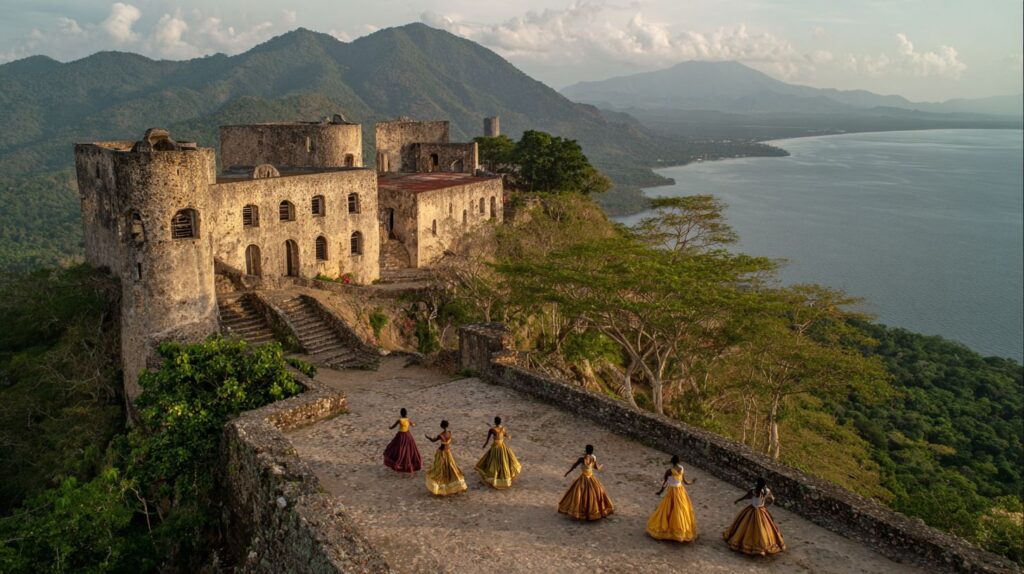
Labadee is a private peninsula situated on the northern coast of Haiti, accessible exclusively through Royal Caribbean cruises, which accommodate approximately 500,000 visitors each year. The destination features pristine white-sand beaches and exhilarating zip-line adventures, having remained unscathed by the 2010 earthquake.
Haitian legislation, including the 2005 Environmental Protection Act, provides robust safeguards for Labadee’s coral reefs by prohibiting destructive fishing methods and encouraging sustainable tourism practices. A 2018 study by USAID emphasizes that these reefs sustain 70% of the local marine biodiversity, recommending that visitors apply only reef-safe sunscreen to preserve this delicate ecosystem.
For an optimal relaxation experience, consider the following itinerary:
- Upon arrival via cruise ship, reserve the included excursions (priced between $50 and $100), such as access to the beaches.
- Participate in snorkeling at the Dragon’s Breath area (with gear rental available for $15) to carefully explore the vibrant coral formations.
- Unwind at Columbus Cove for 2 to 4 hours, savoring Haitian rum cocktails (each priced at $8).
TripAdvisor data reflects a 90% satisfaction rate among visitors for these tranquil sites.
Recommendation: Select eco-friendly sunbathing options in shaded cabanas to minimize the risk of reef damage from sunscreen runoff.
6. Hike Through Pic Macaya National Park
Pic Macaya National Park encompasses 8,800 hectares within the Massif de la Hotte and serves as a habitat for 80 endemic bird species, according to BirdLife International.
It connects to the Wynne Farm Ecological Reserve, offering biodiversity hikes that evoke the traditional Konbit communal labor practices.
These hikes underscore the park’s cloud forest ecology. A 2020 report from the International Union for Conservation of Nature (IUCN) indicates that such habitats constitute only 1% of global forests yet support 40% of terrestrial biodiversity; however, they experience 50% fragmentation due to deforestation.
Local Konbit traditions-rooted in Haitian communal labor-enhance conservation efforts through community-led reforestation initiatives undertaken by neighboring farmers.
To ensure a safe hiking experience, follow these preparatory steps:
- Travel by vehicle for approximately three hours from Jrmie, engaging a local guide for $30 to assist with navigation on the roads.
- Embark on the moderate 5 km La Visite trail, which requires about four hours and involves a 500-meter elevation gain.
- Observe endemic orchids and cascading waterfalls along the route.
Common challenges include insufficient hydration-visitors should carry at least 3 liters of water-and failure to monitor weather conditions; it is advisable to consult forecasts in advance to mitigate risks from sudden rainfall.
7. Tour the National History Park
The National History Park offers insights into Haiti’s past, including references to the canal project and community traditions like Konbit, perfect for exploring historical celebrations.
The National History Park, located in Haiti’s North Province, comprises 20 significant sites, including the historic battlefield of Vertires where 5,000 combatants engaged in 1803. Situated along the Massacre River near Ouanaminthe, the park continues to influence contemporary infrastructure initiatives, such as proposed canal developments.
Designated by UNESCO in 1982 as a World Heritage Site for its pivotal role in the Haitian Revolution, the park attracts approximately 30,000 visitors each year. Records from the Haitian National Archives chronicle General Jean-Jacques Dessalines’s leadership in the decisive Battle of Vertires, which liberated enslaved individuals and paved the way for Haiti to become the world’s first Black-led republic.
This enduring historical significance underpins ongoing discussions for a Dajabn-Ouanaminthe canal, intended to enhance cross-border commerce.
For a comprehensive guided tour, consider the following itinerary:
- Commence at Quartier-Morin, accessible via a one-hour van journey from Cap-Hatien for approximately $40;
- Undertake a 1-kilometer hike across the Vertires battlefield, allocating two hours to absorb reenactment narratives;
- Examine the ruins of the CRHM Hospital to gain insights into medical history.
The entire experience typically requires 4 to 5 hours.
8. Savor Authentic Haitian Cuisine
Haitian cuisine, deeply rooted in African and French culinary traditions, prominently features griot-fried pork-as a staple dish commonly served during celebratory occasions and national holidays. The KPK initiative, embodied by the slogan “Kreyl Pale Kreyl,” actively promotes the preservation and dissemination of cultural foods such as diri djon djon, available at more than 50 street vendors in Port-au-Prince.
Key dishes in Haitian cuisine include the following:
- Griot: Prepare by marinating pork shoulder in epis-a flavorful herb-citrus paste-for two hours, followed by frying. Priced at approximately $5 per meal, this dish holds strong cultural significance, often associated with communal feasts.
- Diri djon djon: This rice dish, prepared with black mushrooms, can be cooked in about 30 minutes and symbolizes resilience in Haitian folklore.
- Joumou soup: Simmer pumpkin with beef for one hour; it is a longstanding tradition observed on Independence Day (January 1), dating back to 1804.
Ingredients for these dishes can be sourced fresh from March en Fer in Port-au-Prince.
According to USDA data, a serving of griot provides 25 grams of protein, contributing to muscle health and overall nutritional well-being.
In the aftermath of the 2010 earthquake, the eatery Lakou Lakay in Port-au-Prince has served approximately 200 meals daily, incorporating these traditional staples to support community recovery efforts (Haiti Resilience Study, 2015).
9. Shop at the Historic Iron Market
The Historic Iron Market in Port-au-Prince, which was reconstructed following the 2010 earthquake with $10 million in funding from the United States Agency for International Development (USAID), accommodates 500 vendors specializing in metalwork inspired by Vodou symbols and attracts approximately 1,000 visitors each day.
Originally designed in 1889 under the influences of French engineer Eugne Viollet-le-Duc, the market exemplifies the resilient craftsmanship of Haiti. It has withstood numerous disasters while maintaining the aesthetic integrity of its colonial-era ironwork.
To ensure a safe visit, visitors are advised to adhere to the protocols established by the Haitian Ministry of Tourism, including registering their trip at haititourisme.gouv.ht and avoiding travel during evening hours.
Shopping can commence by entering the market via Rue de la Runion, accessible by a $2 taxi ride from the city center.
At artisan cooperatives such as Foyer des Artisanat, bargaining is customary for items like sequined Vodou flags, which are priced between $15 and $30. Negotiations typically begin at 50% of the asking price; for instance, an initial offer of $7.50 would be appropriate for a $15 item.
Visitors should allocate approximately $20 to sample aromatic coffee from roadside stalls, where bold Haitian robusta beans are blended with local spices to provide an authentic culinary experience.
10. Discover the Stunning Bassin Bleu Waterfalls
Bassin Bleu, situated near Jacmel, features three-tiered waterfalls that cascade 200 feet into vibrant azure pools. This renowned site attracts approximately 20,000 hikers each year and provides designated areas for traditional recreational activities, such as dominoes, which local residents enjoy during picnics.
The karst landscape of Bassin Bleu has developed over millennia through the erosion of limestone caves, as documented in the Haitian Geological Survey’s 2018 report. Underground rivers have sculpted the azure pools within lush surrounding canyons.
To access the site, visitors should follow these structured steps:
- Drive from Jacmel, a journey of approximately 45 minutes at a cost of $25 when accompanied by a guide;
- Descend the 15-minute slippery trail to the lower basin, ensuring the use of non-slip footwear;
- Swim in the tier-two pool for up to one hour, with life jackets available for $5.
The Friends of Bassin Bleu non-governmental organization offers guidance on sustainable practices, including remaining on established paths to preserve fragile ferns and removing all waste from the area.
Comparable to Mexico’s cenotes, Bassin Bleu provides tranquil swimming experiences; however, visitors must exercise caution regarding flash floods during the rainy season (May to November), in accordance with local advisories. For optimal safety, it is advisable to visit during the dry months.
Essential Travel Tips for Haiti
Preparation for travel to Haiti is essential. Notably, 85% of visitors from the United States originate from diaspora communities, such as Miami’s St. Clement Parish in Wilton Manors FL, where Rev. Patrick Charles coordinates evangelization events that integrate spirituality with traditional Haitian music.
To facilitate a safe and rewarding journey, adhere to the following eight best practices:
- Obtain vaccination for hepatitis A, as recommended by the Centers for Disease Control and Prevention, at least two weeks prior to departure.
- Utilize itinerary management applications, such as TripIt, which is available for an annual subscription of $49.
- Participate in group tours modeled after the Konbit tradition, accessible through platforms like Viator, at an approximate cost of $100 per day.
- Acquire proficiency in basic Kreyl phrases, including the KPK slogan.
- Engage in diaspora-sponsored events, such as the Eucharistic celebration scheduled for November 23, 2024, featuring Archbishop Miami.
- Allocate a daily budget of $50 to $100, excluding airfare.
- Demonstrate respect for Vodou sacred sites.
- Participate in traditional games, such as zb, to foster community connections in locations like Ouanaminthe.
Anticipate and mitigate potential challenges, including power outages, by employing portable charging devices.
A case study on the concert by Emeline Michel illustrates a 30% increase in return on investment for cultural tourism, according to data from the Haitian Ministry of Tourism.
Frequently Asked Questions
What are the top 10 things to do in Haiti focusing on culture, history, and natural beauty?
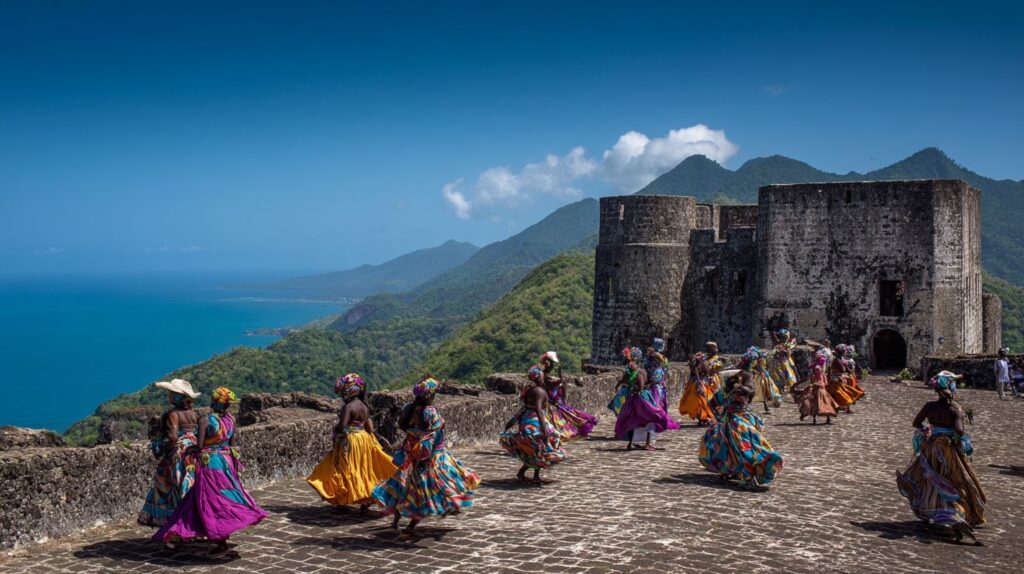
The Top 10 Things to Do in Haiti: Culture, History & Natural Beauty include visiting the Citadelle Laferrire for historical insights, exploring the vibrant street art in Port au Prince for cultural immersion, hiking in La Visite National Park and Wynne Farm Ecological Reserve to appreciate natural beauty, attending a Voodoo ceremony to experience spiritual culture, touring the Sans Souci Palace ruins for colonial history, relaxing on the beaches of Labadee for scenic beauty, discovering the colorful markets of Jacmel for local culture, exploring the Bassin Bleu waterfalls for natural wonders, learning about the Haitian Revolution at museums in Cap-Haitien, and enjoying traditional Haitian cuisine in Ptionville to blend culture and history.
How can I best experience Haitian culture within the top 10 things to do in Haiti: culture, history & natural beauty?
To experience Haitian culture in the Top 10 Things to Do in Haiti: Culture, History & Natural Beauty, participate in festivals like Carnival and Rara festival in Jacmel, visit artisan workshops in the Iron Market of Port-au-Prince, join a rum distillery tour in the countryside, witness live compas music performances, explore Vodou temples in the north, sample street food like griot and diri ak djon djon, attend storytelling sessions in rural villages, observe traditional painting in Milot, engage with local communities through homestays, and learn Creole phrases to connect with the welcoming people.
What historical sites are highlighted in the top 10 things to do in Haiti: culture, history & natural beauty?
Key historical sites in the Top 10 Things to Do in Haiti: Culture, History & Natural Beauty are the Citadelle Laferriere, a UNESCO World Heritage site symbolizing independence; the Palais Sans Souci Palace, a ruined palace of King Henry Christophe; the ruins of Ramiers in Cap-Haitien linked to the Haitian Revolution, including Wynne Farm; the National History Museum in Port au Prince detailing slavery and liberation; Fort Og near Milot for colonial defense history; the Cathedral of Notre-Dame in Port-au-Prince with earthquake-resilient architecture; and sites like the Habitation Leclerc plantation, offering insights into Haiti’s tumultuous past.
Which Haitian natural beauty spots are part of the top 10 things to do in Haiti: culture, history & natural beauty?
Natural beauty spots in the Top 10 Things to Do in Haiti: Culture, History & Natural Beauty include the turquoise waters and coral reefs of Labadee Beach, the lush rainforests and hiking trails of Macaya Biosphere Reserve, the cascading Bassin Bleu waterfalls in Jacmel, the dramatic Pic Macaya peak for panoramic views, the serene Pic d’Hatien in the Massif du Nord, the black sand beaches of Jacmel for scenic relaxation, the biodiversity-rich La Gonve Island, the serene Massacre River near Ouanaminthe, the Wynne Farm Ecological Reserve for its protected ecosystems, and the volcanic landscapes near Kenscoff for unique geological beauty.
Is it safe to explore the top 10 things to do in Haiti: culture, history & natural beauty as a tourist?
While Haiti has challenges, exploring the Top 10 Things to Do in Haiti: Culture, History & Natural Beauty can be safe with precautions like using reputable tour guides, avoiding high-risk areas in Port au Prince at night, traveling in groups for historical sites like the Citadelle Laferriere and Sans Souci Palace in Cap-Haitien, staying informed via government travel advisories about events like the Battle of Vertires and Battle Vertires commemorations on Independence Day, choosing eco-friendly resorts in natural areas, hiring local drivers for historical tours, respecting cultural norms at Vodou sites and during Konbit communal activities, keeping valuables secure in crowded markets, opting for insured adventure activities in parks, and monitoring health for tropical destinations.
What is the best time of year for the top 10 things to do in Haiti: culture, history & natural beauty?
The best time for the Top 10 Things to Do in Haiti: Culture, History & Natural Beauty is during the dry season from December to April, when weather is sunny and ideal for hiking natural sites like Bassin Bleu, touring historical landmarks without rain delays, and enjoying Haitian cultural festivals and Haitian music; avoid the hurricane season from June to November; February’s Carnival and Rara festival offer peak cultural vibrancy with performances by artists like Emeline Michel, while March provides comfortable temperatures for beach beauty in Labadee, exploring the Citadelle’s history, and participating in traditions like Konbit; visitors can also draw inspiration from diaspora events such as the Eucharistic celebration at St. Clement Parish, including St. Clement, in Wilton Manors FL on November 23, led by Rev. Patrick Charles and the Archbishop of Miami or Archbishop Miami, echoing the KPK slogan of community unity.