Ever stare at the cooking oil aisle, wondering which one to grab for tonight’s stir-fry or salad? With so many options like olive oil and others varying by smoke point, picking the right one can make your dishes taste better and healthier. This guide breaks it down simply, so you can match the perfect oil to every cooking method in 2026.
Table of Contents
Key Takeaways from dietitians recommend:
- Match cooking oil to smoke point: Use high-smoke point oils like avocado oil or refined olive oil for frying/searing; opt for low-smoke like extra virgin olive oil for salad dressing to avoid harmful fumes.
- Prioritize heart healthy profiles per 2026 guidelines: Choose oils rich in monounsaturated fats (olive oil, avocado oil) over high polyunsaturated fats (seed oils) for heart health and stability.
- Pair by taste profile and method: Neutral canola oil for baking oil/roasting; nutty sesame for stir-fries; source sustainable pantry staples and store in cool, dark glass bottle for shelf life.
Understanding Cooking Oil Basics
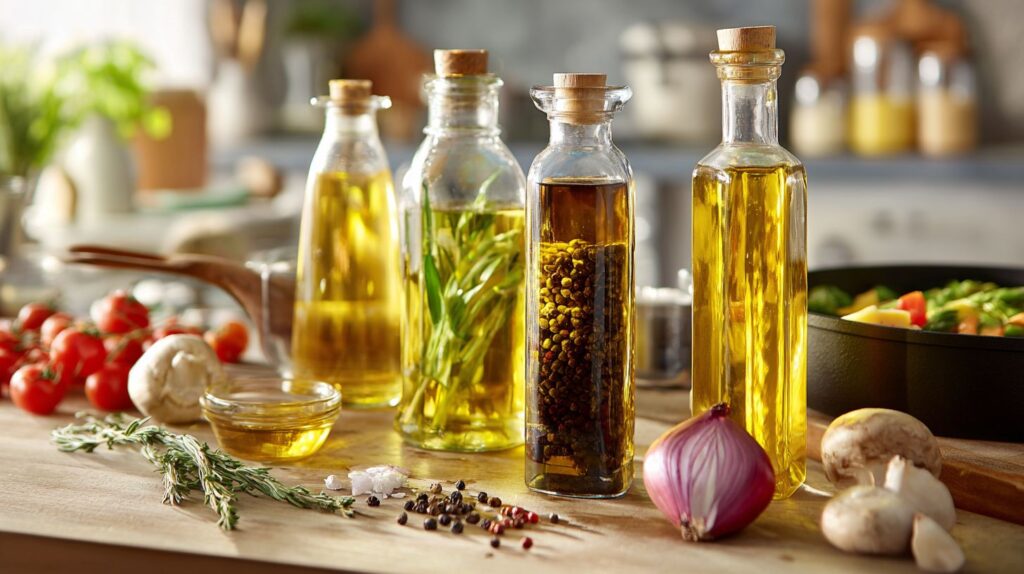
Cooking oil serves as a foundational kitchen essential, influencing flavor, texture, and nutrition in every dish you prepare. The smoke point plays a critical role in selecting the right cooking oil for different high heat levels. Choosing properly ensures safety, preserves healthy fats, and enhances taste.
Each oil has unique properties tied to its fat content, including monounsaturated fats, saturated fats, and polyunsaturated fats. For instance, extra virgin olive oil offers antioxidants and polyphenols, while avocado oil stands out for high heat stability. Matching oil to your cooking method prevents breakdown and off-flavors.
Dietitians recommend considering plant-based oils like cold pressed or unrefined oils for their retained vitamins minerals and omega-3 fats. Always check the harvest date and store in a glass bottle to extend shelf life. This approach keeps your pantry staples fresh and heart healthy.
Understanding these basics sets the stage for categorizing options that suit your cooking style. From salad dressing to frying oil, the right choice supports a balanced diet. Avoid rancid oil by smelling it first, a simple test for quality.
Smoke Point Explained
The smoke point marks the temperature at which an oil begins to break down, producing smoke and potentially harmful compounds. When oils exceed this threshold, they impart bitter flavors and lose healthy fats. This breakdown also creates trans fats, affecting taste profile and nutritional compounds.
Test an oil’s suitability by heating a small amount in a pan. If it smokes before reaching your cooking temperature, select another option. This simple check helps match oil to methods like sauting or high heat frying.
A common mistake involves ignoring the smoke point, leading to off-tasting food. For example, using extra virgin oil for deep-frying ruins dishes with acrid notes. Always pair with the heat level for best results and to preserve nutritional compounds.
Experts recommend prioritizing heat stable oils for intense high heat cooking. This practice maintains omega-6 fats and other benefits. Proper selection enhances every recipe’s taste profile.
Smoke Point Categories
Oils fall into low heat, medium, and high smoke point categories, guiding their use from drizzling to deep-frying oil. Low category suits low heat or no-heat applications, preserving delicate flavors. Higher categories handle intense cooking without compromise.
Avoid overheating any oil to protect antioxidants and polyunsaturated fats. For salad dressing, choose low options; for baking oil or stir-fries, opt for medium. High performers excel as frying oil.
| Oil | Smoke Point | Best Use |
|---|---|---|
| Extra virgin olive oil | Low (under 375 degreesF) | Drizzling, dressings, low heat |
| Olive oil | Medium (375-450 degreesF) | Sauting, baking |
| Avocado oil | High (over 450 degreesF) | Frying, grilling |
| Peanut oil | High (over 450 degreesF) | Deep-frying, stir-frying |
| Refined sunflower oil | High (over 450 degreesF) | High heat cooking |
| Flaxseed oil | Low (under 375 degreesF) | Cold uses only |
| Walnut oil | Low (under 375 degreesF) | Finishing dishes |
Use this table as a quick reference from your grocery store picks. Oils like canola oil, coconut oil, or vegetable oil fit various slots based on refinement. Select virgin oils for flavor-forward tasks.
Oil Composition and Health Impacts
The mix of fats in cooking oils directly shapes their heart healthy benefits, from supporting heart health to providing essential nutrients. Fatty acids like monounsaturated, polyunsaturated, and saturated fats each play roles in a balanced diet. Dietitians recommend moderation and variety to promote overall wellness.
Monounsaturated fats found in olive oil and avocado oil help maintain healthy cholesterol levels. Polyunsaturated fats, including omega-3 and omega-6 fats, support cell function but need balance to avoid excess inflammation. Saturated fats from coconut oil provide stability for high-heat cooking when used sparingly.
Trans fats in partially hydrogenated vegetable oils and spray oils offer no health value and can harm heart health, so experts advise avoiding them completely. Rotating oils ensures a mix of healthy fats for better nutrition. Pair extra virgin olive oil with flaxseed oil in your pantry staples for variety.
Focus on unrefined oils and virgin oils to retain vitamins minerals lost in processing. Use cold-pressed options for salads or low-heat dishes to maximize benefits. This approach aligns with dietitians’ advice for a heart-healthy kitchen.
Fatty Acid Profiles
Each oil boasts a unique fatty acid profile, balancing monounsaturated fats for stability with polyunsaturated fats for nutrition. Extra virgin olive oil stands out with high monounsaturated fat content and polyphenols as antioxidants. Avocado oil mirrors this profile while adding extra nutrients for high-heat uses.
Flaxseed oil and walnut oil deliver omega-3 fats, ideal for low-heat applications like salad dressings. Coconut oil, dominated by saturated fats, suits frying due to its heat stability but calls for moderation. Limit trans fats from partially hydrogenated sources entirely.
Choose unrefined oils or virgin oils to preserve nutritional compounds, vitamins, and minerals. For example, opt for cold-pressed peanut oil or sunflower oil based on taste profile and fat content. Check harvest date and store in glass bottles to extend shelf life and avoid rancid oil.
- Extra virgin olive oil: Rich in monounsaturated fats and antioxidants.
- Avocado oil: High monounsaturated with smoke point for baking.
- Flaxseed oil: Omega-3 powerhouse for salad dressing.
- Coconut oil: Saturated fats for high-heat frying.
2026 Health Guidelines
Emerging 2026 guidelines from ICMR and WHO stress incorporating heart-healthy oils into a balanced diet for optimal LDL cholesterol and HDL cholesterol balance. Favor oils high in monounsaturated and polyunsaturated fats to support HDL cholesterol and manage LDL cholesterol. Dietitians recommend antioxidant-rich extra virgin olive oil for its polyphenols.
Rotate oils like avocado oil and flaxseed oil to balance omega-3 fats and omega-6 fats. Limit saturated fats from coconut oil to small amounts in baking or stir-fries. Avoid trans fats in all vegetable oils or spray oils completely.
Experts recommend plant-based oils as kitchen essentials, prioritizing unrefined oils canola oil or peanut oil for everyday use. Use low-heat oils like walnut oil for dressings and high-heat stable ones like refined sunflower oil for frying. This variety supports long-term wellness.
Practical tip: Stock a few pantry staples from the grocery store, checking harvest date for freshness to prevent rancid oil. Dietitians emphasize moderation in overall fat intake alongside these choices for best results.
Matching Oils to Cooking Methods
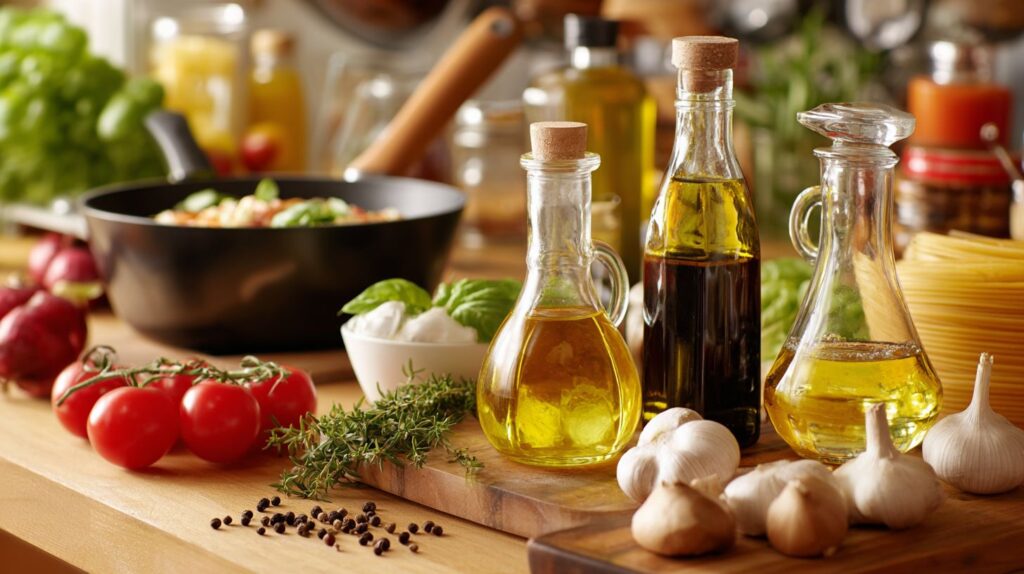
Selecting the right cooking oil for your cooking method ensures flavor preservation, nutrient retention, and safety at every temperature. Oils break down at high heat if their smoke point is too low, creating off flavors and potentially harmful compounds. Choose based on the method to keep healthy fats intact.
For high-heat tasks like frying, pick heat stable oils such as avocado or peanut. Low heat uses, like drizzling on salads, suit extra virgin olive oil for its antioxidants and monounsaturated fats. This match protects nutritional compounds and enhances taste profiles.
Dietitians recommend considering polyunsaturated fats for cold applications to avoid oxidation. Pantry staples like canola oil work across methods but shine in baking oil. Always check the harvest date for freshness and store in a glass bottle to extend shelf life.
Avoid using delicate unrefined oils for searing, as they turn rancid quickly. Test oil readiness to prevent trans fats formation. This approach supports a balanced diet with heart healthy options.
High-Heat Frying and Searing
For frying and searing above 400 degreesF, choose oils with high smoke points that remain stable under intense heat. Avocado oil handles up to 520 degreesF, ideal for crispy chicken cutlets. Peanut oil at 450 degreesF suits stir-fries without breaking down, as per experts like Dr. Kumar Dharmarajan, Ruhi Rajput, Julia Zumpano from Cleveland Clinic and Mayo Clinic (September 29, 2025).
Sunflower oil or safflower oil reaches 510 degreesF, perfect for french fries. Canola oil at 400 degreesF offers a neutral taste for searing steak. These plant-based oils provide saturated fats and polyunsaturated fats that withstand high heat.
Follow these steps for success: First, heat oil gradually over 2-3 minutes. Second, test with a water drop; it should sizzle without smoke. Third, fry in batches to maintain temperature and preserve healthy fats.
- Avoid extra virgin oils here, as their low smoke points lead to bitterness.
- Never reuse oil beyond 2-3 times; filter through cheesecloth and store in a cool spot.
- Watch for rancid oil signs like off smells to ensure safety.
Best Oils for Everyday Dishes
Everyday cooking thrives on versatile oils tailored to sauting, baking, and more, balancing flavor and functionality. These pantry staples ensure dishes stay heart healthy by supporting HDL cholesterol and managing LDL cholesterol while highlighting natural tastes. Choose based on heat needs and taste profile for best results.
Extra virgin olive oil works well for low heat tasks due to its polyphenols and antioxidants. Avocado oil handles higher temperatures with stable monounsaturated fats. As recommended by the Mayo Clinic and ICMR, keep a few options in glass bottles to maintain freshness and shelf life.
For a balanced diet, mix plant-based oils rich in omega-3 fats and omega-6 fats. According to experts like Julia Zumpano from the Cleveland Clinic, dietitians recommend checking the harvest date on labels at the grocery store. This practice avoids rancid oil and preserves nutritional compounds like vitamins and minerals.
Stable oils prevent breakdown into trans fats during cooking. Select cold pressed or unrefined oils for maximum benefits in salads or roasting. These choices make kitchen essentials simple and effective.
Salad Dressings and Cold Uses
Cold applications like salad dressings highlight oils’ pure flavors and nutrients without heat degradation. Extra virgin olive oil brings peppery notes ideal for greens. Its antioxidants stay intact when used raw.
Flaxseed or walnut oil adds nutty taste and omega-3 fats for heart healthy boosts. Opt for cold-pressed, unrefined oils to retain these benefits. Store in dark glass bottles away from light to extend shelf life.
To make dressing, whisk oil with vinegar in a 1:3 ratio for one minute. Choose oils with recent harvest dates for fresh flavor. Spray oils kept in the fridge offer easy misting over veggies or grains.
These virgin oils enhance cold dishes without adding saturated fats. Pair walnut oil with balsamic for fruit salads. This keeps fat content balanced and supports overall wellness.
4 Healthy Cooking Oils (and 4 to Avoid)
Sauting and Stir-Frying
Sauting and stir-frying at medium-high heat call for oils that enhance vegetables and proteins without overpowering. Regular olive oil, avocado, canola, or peanut oil shine here with high smoke points. Their stability prevents burning and supports even cooking.
These options provide monounsaturated fats for browning without sogginess. Heat one tablespoon for 30 seconds before adding aromatics. Toss ingredients for three to five minutes to lock in flavors.
- Select avocado oil for its buttery notes in veggie stir-fries.
- Use peanut oil for Asian-inspired dishes with bold spices.
- Choose canola for neutral taste in mixed proteins.
Avoid overcrowding the pan to promote crisping over steaming. This method keeps dishes light and nutritious. Experts recommend these for everyday high heat needs.
Baking and Roasting
Baking and roasting benefit from mild, stable oils that infuse subtle richness into breads, vegetables, and meats. Coconut oil suits buttery cakes with its saturated fats for structure. Olive or avocado oil excels for savory roasting.
Drizzle two tablespoons over potatoes and roast at 425 degreesF for 25 to 30 minutes. Melt solid oils like coconut first for even mixing. This adds crispiness without excess grease.
Heat stable choices like avocado oil maintain integrity at oven temperatures. Use in muffin batters or carrot roasts for depth. Their healthy fats contribute to tender results.
Switch to these baking oils from butter for plant-based appeal. Sunflower or vegetable oil works for neutral profiles in cookies. Always check smoke point to match your recipe’s demands.
Flavor Profiles and Pairings
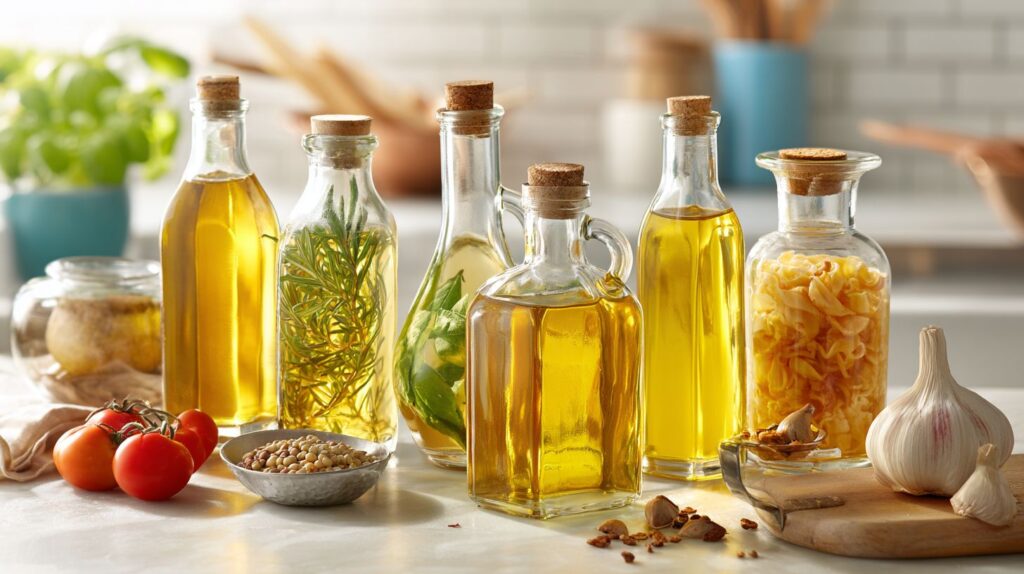
An oil’s taste profile can elevate dishes, from fruity extra virgin olive oil in salads to nutty peanut oil in Asian stir-fries. Each cooking oil brings unique flavor profiles that pair with specific ingredients and cooking methods. Choosing the right one enhances your meals without overpowering them.
Fruity extra virgin olive oil shines in Mediterranean salads or drizzled over fresh vegetables, thanks to its polyphenols and bright notes. For high heat tasks like grilling, turn to earthy avocado oil with meats, as it holds up well while adding subtle richness. Neutral options like sunflower oil or vegetable oil work best for baking, letting other flavors lead.
Sweet coconut oil complements curries and tropical dishes, infusing them with its distinct aroma. Bold peanut oil pairs perfectly with satays and stir-fries, providing a nutty depth. Dietitians recommend taste-testing small batches to find what suits your pantry staples.
Consider the smoke point alongside flavor for best results. Unrefined oils like virgin oils offer more taste but suit low heat uses, such as salad dressings. Always check for rancid oil by smell before using.
| Oil | Flavor | Pairs With |
|---|---|---|
| Extra Virgin Olive Oil | Fruity, peppery | Mediterranean salads, vegetables |
| Avocado Oil | Earthy, buttery | Grilled meats, roasting |
| Sunflower Oil | Neutral | Baking, frying |
| Coconut Oil | Sweet, tropical | Curries, desserts |
| Peanut Oil | Bold, nutty | Stir-fries, satays |
Sustainability and Sourcing in 2026
In 2026, sustainable sourcing prioritizes regenerative California farms and brands like Brightland for ethical cooking oils. These practices focus on plant-based oils grown without harmful pesticides. They ensure better taste and support environmental health.
Look for cold-pressed, unrefined oils in glass bottles from transparent suppliers. Check labels for harvest date and origin to confirm freshness and ethical practices. This helps avoid rancid oil and extends shelf life.
Support fair-trade plant-based oils available at grocery stores. Opt for extra virgin olive oil or avocado oil from verified sources, as advised by Dr. Kumar Dharmarajan and Ruhi Rajput. These choices deliver heart healthy fats with lower environmental impact.
Avoid plastic packaging to prevent fat content leaching into your cooking oil. Glass bottles preserve nutritional compounds like polyphenols and antioxidants. Fresher oils enhance taste profiles in salads or high heat cooking.
Storage and Shelf Life Tips
Proper storage extends cooking oil shelf life, keeping it fresh and preventing rancid flavors that ruin meals, in line with WHO guidelines from September 29. Many pantry staples like olive oil and avocado oil last longer with the right care. Follow these steps to maintain quality.
Store oils in a cool, dark pantry away from the stove. Refined oils hold up for several months, while unrefined oils and virgin oils benefit from shorter use periods. This simple habit preserves healthy fats and nutritional compounds.
- Choose glass bottles over plastic to avoid chemical leaching.
- Check the harvest date when buying at the grocery store.
- Smell for rancid oil before use, noting any paint-like odor.
Avoid the common mistake of heat and light exposure, which speeds up oxidation. Transfer leftover oil to smaller containers to cut air contact. For omega-3 fats in flaxseed oil or walnut oil, refrigeration keeps them stable.
Best Practices for Pantry Storage
Keep cooking oils in a stable environment to protect polyphenols and vitamins. A dark cabinet shields them from light that breaks down monounsaturated fats. Dietitians recommend this for everyday kitchen essentials.
Opt for extra virgin olive oil in tinted glass for added protection. Place away from heat sources like ovens to slow degradation. This maintains the taste profile for salad dressings or low heat uses.
Label containers with purchase dates to track freshness. Smaller glass bottles or spray oils reduce waste from oxidation. These steps ensure oils stay heart healthy and versatile.
Refrigeration for Delicate Oils
Refrigerate omega-rich oils like flaxseed oil to extend shelf life. Cold temperatures preserve polyunsaturated fats against quick rancidity. Bring to room temperature before drizzling on dishes.
Walnut oil and cold pressed varieties also benefit from the fridge. This prevents off flavors in baking or as finishing oils. Experts recommend it for maintaining antioxidants.
Avoid refrigerating high heat options like coconut oil or peanut oil. Solidification happens, but gentle warming restores usability. Balance storage by oil type for best results.
Spotting and Avoiding Rancidity
Detect rancid oil by its sharp, unpleasant smell like old paint. Taste a drop if unsure, it will feel bitter. Toss it to protect your balanced diet and meals.
Buy from reputable sources like Brightland and check harvest dates for freshness. Store in airtight glass bottles to limit oxygen exposure. This keeps pantry staples reliable for frying or sauting.
Heat stable oils like avocado oil resist rancidity better during high heat cooking. Rotate stock to use oldest first. Proper habits ensure safe, flavorful use every time.
Frequently Asked Questions (Updated September 29)
How to Choose the Right Cooking Oil in 2026 for Every Dish: What Are the Key Factors?
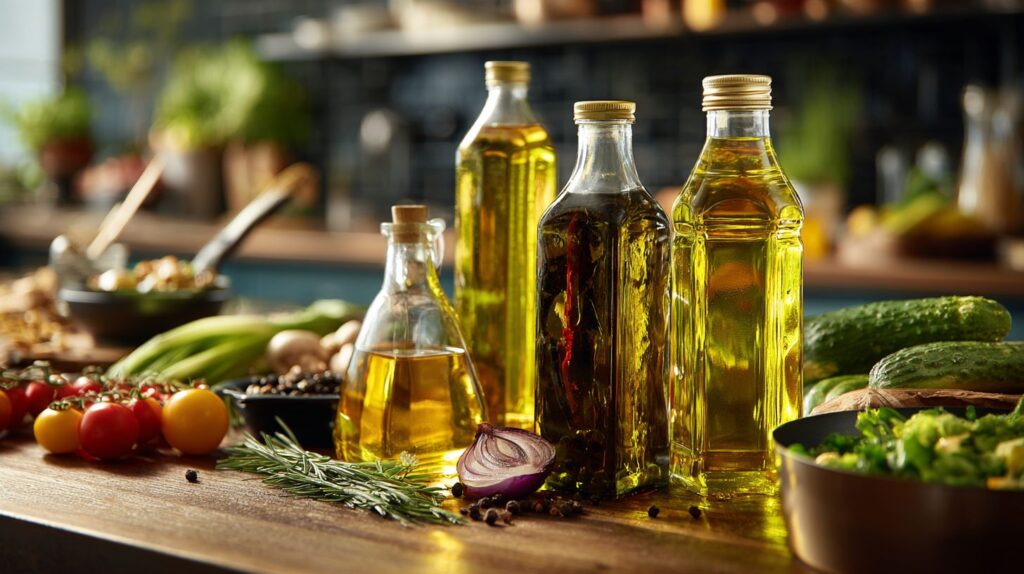
In 2026, selecting the right cooking oil depends on smoke point, flavor profile, nutritional content, and sustainability. High smoke point oils like avocado or refined rice bran oil suit frying, while extra virgin olive oil enhances salads and low-heat sauts. Prioritize oils rich in monounsaturated fats (e.g., olive, avocado) for heart health, helping lower LDL cholesterol and raise HDL cholesterol, and check for certifications like organic or fair-trade to ensure quality.
How to Choose the Right Cooking Oil in 2026 for Every Dish: Best for High-Heat Cooking?
For high-heat methods like stir-frying or deep-frying in 2026, opt for oils with smoke points above 400 degreesF (204 degreesC), such as refined avocado oil (520 degreesF), grapeseed oil (420 degreesF), or algae-based oils gaining popularity for their neutral flavor and omega-3 content. Avoid unrefined oils that break down and produce harmful compounds at high temperatures.
How to Choose the Right Cooking Oil in 2026 for Every Dish: Ideal for Salads and Dressings?
Cold uses like salads call for flavorful, low-heat oils in 2026. Extra virgin olive oil (EVOO) with its fruity notes and polyphenols, or nutty walnut oil rich in omega-3s, are top picks. Newer options like cold-pressed hemp seed oil offer balanced nutrition without overpowering delicate greens-always store in dark bottles to prevent oxidation.
How to Choose the Right Cooking Oil in 2026 for Every Dish: Healthiest Options?
The healthiest cooking oils in 2026 emphasize anti-inflammatory fats: high-oleic sunflower oil (90% monounsaturated), avocado oil (loaded with vitamin E), and emerging algal oils high in DHA/EPA. Look for low polyunsaturated fat ratios to minimize oxidation, and prioritize minimally processed varieties backed by recent studies from experts like Dr. Kumar Dharmarajan, Ruhi Rajput, Julia Zumpano at the Cleveland Clinic, Mayo Clinic, ICMR, and WHO on cardiovascular benefits.
How to Choose the Right Cooking Oil in 2026 for Every Dish: Budget-Friendly Choices?
Affordable yet effective oils in 2026 include refined canola oil (neutral, high smoke point, under $5/liter) and peanut oil for Asian dishes. Value brands now offer high-oleic versions mimicking pricier oils-compare price per ounce and check for non-GMO labels to balance cost with quality for everyday cooking.
How to Choose the Right Cooking Oil in 2026 for Every Dish: Sustainable and Eco-Friendly Picks?
Sustainability matters in 2026-choose RSPO-certified palm oil alternatives, regenerative avocado oil from ethical California farms, or camelina oil (a low-water crop). Brands transparent about carbon footprints and regenerative agriculture ensure your choice supports the planet while delivering performance for every dish from baking to grilling.