As peak pollen season approaches, ensuring your home is allergy-proof is crucial for maintaining optimal air quality and minimizing indoor allergens. According to the Environmental Protection Agency, common triggers like dust mites, pet dander, and even cockroaches can worsen allergy symptoms. In this article, we’ll explore practical strategies to reduce these irritants, helping you create a healthier living environment. Say goodbye to sneezes and hello to comfort-let’s get started on making your home a sanctuary!
Table of Contents
Key Takeaways:
- Understanding the cause of pollen allergies can help you take effective steps to prevent them.
- A clean and well-sealed home can greatly reduce the amount of pollen that enters your living space.
- Investing in HEPA filters and properly maintaining your HVAC system can greatly improve your indoor air quality and reduce pollen allergies.
Understanding Pollen Allergies

Pollen allergies impact millions of individuals, particularly during the spring and fall seasons when pollen counts can exceed 1,000 grains per cubic meter, leading to the manifestation of various symptoms.
What Causes Seasonal Allergies from Pollen?
Pollen allergies result from the immune system’s overreaction to pollen derived from trees, grasses, and weeds, which are prevalent allergens in various regions. In the Southern United States, the primary sources of these allergies include tree pollen from oak and pine, with peak levels occurring between March and April. This is subsequently followed by grass pollen from Bermuda grass in late spring.
Weeds, particularly ragweed, contribute to fall allergies from August to November. Pollen can infiltrate homes through open windows, clothing, and even pets.
To mitigate exposure to allergens, it is advisable to utilize HEPA filters in air purifiers, keep windows closed during peak pollen seasons, and shower after outdoor activities to effectively remove pollen from the skin and hair. Adding allergen-resistant covers to your pillows can also help reduce allergens exposure.
Symptoms of Pollen Allergies
Common symptoms of pollen allergies include nasal congestion, sneezing, itchy eyes, and, in severe cases, symptoms associated with asthma, such as wheezing and shortness of breath. These symptoms can vary significantly among individuals; while some may experience mild irritation, others may endure debilitating reactions.
In areas with high pollen concentrations, such as San Diego or Burbank, it is essential to recognize when to seek professional assistance. Individuals should consider consulting an allergist if:
- Symptoms persist despite the use of over-the-counter antihistamines.
- There is a frequent occurrence of headaches or sinus pressure.
- There is a noticeable decline in quality of life during peak pollen seasons.
Additionally, maintaining a symptom diary can be beneficial in identifying allergy triggers and facilitating effective communication with healthcare providers. Allergy testing is another approach to pinpoint specific allergens causing your symptoms.
Preparing Your Home
A meticulously prepared home can substantially minimize allergen exposure, thereby establishing a sanctuary for individuals who are sensitive to pollen and various indoor allergens. Implementing allergy-proof strategies and using certified vacuums can significantly enhance your allergy management plan.
Cleaning and Decluttering
Regular cleaning and decluttering can reduce indoor allergen levels by up to 50%, particularly concerning dust mites and other common irritants. To maximize cleaning effectiveness, a comprehensive cleaning checklist should be implemented:
- Begin by utilizing a Dyson V11 vacuum, priced at $599, which is recognized for its superior filtration capabilities that effectively capture fine dust particles and allergen particles. Make sure to vacuum weekly to control dust and reduce indoor allergens.
- Wash bedding on a weekly basis in hot water, maintaining a temperature of at least 130 degreesF, to eliminate dust mites and allergens.
- Incorporate allergen-resistant covers for pillows and mattresses to provide additional protection against allergens.
- Regularly dust surfaces using a damp microfiber cloth to prevent allergens from becoming airborne.
These measures can significantly mitigate allergens and foster a healthier indoor environment.
Sealing Gaps and Cracks
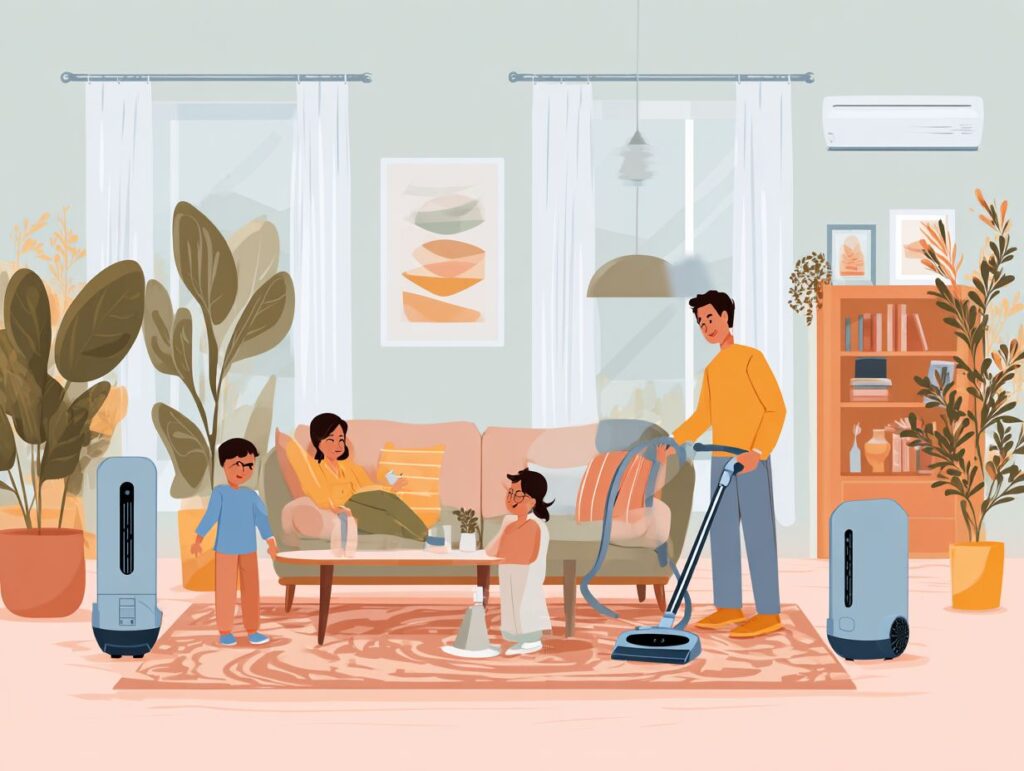
Sealing gaps and cracks around windows and doors can significantly reduce allergen infiltration, potentially improving indoor air quality by up to 30% and alleviating the impact of pollen allergies.
To begin, it is advisable to utilize a flashlight to identify gaps, as this will assist in locating areas where light penetrates.
For sealing purposes, weather stripping, such as the Duck Brand Foam Tape priced at $10, is effective for larger openings, while caulking is better suited for smaller cracks. A highly recommended option for caulking is DAP 100% Silicone Sealant, available for approximately $5. This product remains flexible and is capable of withstanding extreme temperature fluctuations.
After the application, it is important to monitor these areas, particularly during high pollen seasons, to ensure that the sealing efforts are successfully preventing allergens from entering the indoor environment.
Air Quality Management
Managing indoor air quality can be significantly enhanced through the use of effective devices such as HEPA filters, which are capable of capturing up to 99.97% of airborne particles, including allergens like pollen and dust mites.
Using HEPA Filters
Investing in a high-quality air purifier equipped with HEPA filters, such as the Coway AP-1512HH ($229), can substantially diminish airborne allergens, thereby providing relief for individuals suffering from allergies.
HEPA filters are crucial for capturing fine particles, including pollen, pet dander, and smoke. The utilization of these filters can effectively alleviate asthma symptoms and enhance the overall air quality within residential spaces.
To ensure optimal performance, it is advisable to replace the filters every six months. Additionally, positioning the air purifier in high-traffic areas, such as the living room or bedroom, will maximize its efficacy.
Regularly monitoring the air quality indicator, if available, will assist in determining when filter changes or maintenance are required.
Maintaining HVAC Systems
Regular maintenance of HVAC systems, which includes monthly filter replacements and duct cleaning, can significantly improve air quality and effectively reduce indoor allergens. To ensure optimal performance of HVAC systems, the following actionable steps are recommended:
- Replace filters with MERV 13 or higher-rated filters to enhance filtration effectiveness (approximately $20 each).
- Schedule professional cleanings at least once a year to remove any accumulated dust and debris.
- Maintain indoor humidity levels below 50% by utilizing dehumidifiers, particularly in moisture-prone areas such as basements.
Implementing this combination of strategies will not only prolong the lifespan of the HVAC system but also substantially improve the air quality within the home.
Outdoor Strategies
Outdoor strategies are essential for individuals with allergies to effectively manage their exposure to pollen while still enjoying outdoor activities and maintaining physical fitness.
Timing Outdoor Activities

Engaging in outdoor activities during low pollen hours-typically after rainfall or in the late afternoon-can reduce exposure by approximately 40% compared to midday activities.
To effectively monitor pollen levels, it is advisable to utilize resources such as Pollen.com or a local weather application, which frequently provides pollen indices.
Before planning outdoor events, it is prudent to consult these sources in order to determine the optimal times, ideally when pollen counts fall below 50 grains per cubic meter.
During periods of high pollen, wearing a mask can significantly diminish the inhalation of allergens.
Additionally, it is recommended to keep windows closed and employ air purifiers indoors to further alleviate symptoms.
Staying informed equips individuals with the knowledge necessary to enjoy outdoor activities while minimizing allergic reactions.
Creating a Pollen-Free Zone
Establishing a pollen-free zone in your yard through strategic landscaping choices can significantly reduce pollen exposure, thereby providing a safe outdoor retreat.
- Begin by selecting low-pollen plants such as daylilies, hostas, and azaleas, which are known to produce minimal allergens.
- Additionally, applying a layer of mulch around these plants can help suppress weed growth and retain moisture.
Incorporating hardscapes, such as stone pathways, patios, or benches, can create inviting seating areas while minimizing the need for lawn maintenance that may disturb pollen. This can also help in reducing humidity, which is favorable for mold growth.
For more tailored recommendations, it is advisable to consult local gardening centers or extension services to identify the most suitable plant varieties for your region and specific soil conditions.
Indoor Plant Management
The thoughtful selection and management of indoor plants can significantly improve air quality while minimizing the exacerbation of allergy symptoms, particularly through the use of suitable low-pollen varieties.
Choosing Low-Pollen Plants
Selecting low-pollen indoor plants, such as spider plants or peace lilies, can enhance indoor air quality while reducing the likelihood of allergic reactions.
It is advisable to consider incorporating additional low-pollen varieties into your home, such as the rubber plant, which flourishes in bright, indirect light and requires minimal watering.
To further benefit these plants and clean indoor air, maintaining appropriate humidity levels with a small humidifier is recommended. Local nurseries typically stock these options, while online retailers like Amazon and Home Depot offer a broad selection as well.
To ensure the health of your plants, it is beneficial to consult care guides on websites such as Gardening Know How, which provide valuable information regarding optimal water levels and sunlight exposure.
Additional Tips and Resources to Allergy-Proof Home
Leveraging supplementary tips and resources can enable individuals to establish a more allergy-resistant home and effectively manage symptoms throughout the year, as per allergist recommendations.
Allergy-Proofing Products
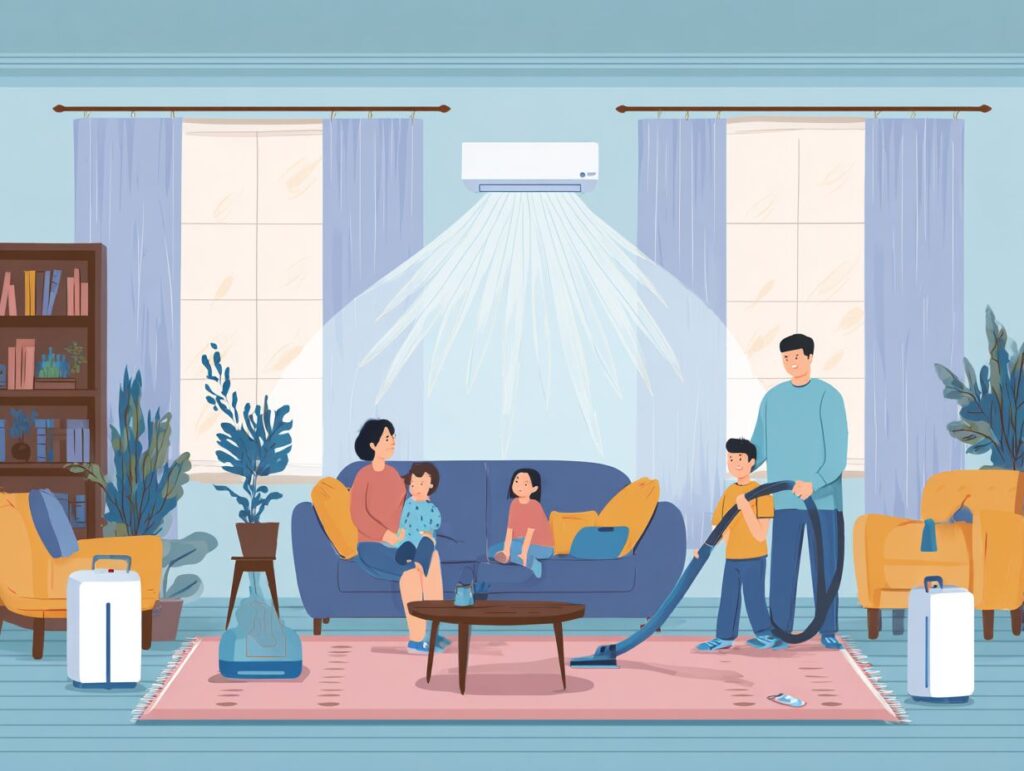
Investing in allergy-proofing products, such as air purifiers, HEPA filters, and allergen-resistant covers, can significantly reduce allergens in your home environment. To maximize the benefits of these products and reduce humidity, it is advisable to consider the following top options:
| Product Name | Price | Key Features | Best For |
|---|---|---|---|
| Levoit Core 300 | $99 | 24dB quiet operation, 3-in-1 filters | Small to medium rooms |
| AllerEase Ultimate Mattress | $39 | Hypoallergenic cover, machine washable | Bedding protection |
| hOmeLabs 50 Pint Dehumidifier | $249 | Removes excess moisture, 50 pints/day | Humid environments |
Investing in a combination of these products that suits your specific needs, including allergy-friendly products, will enhance allergen management in your household.
Learn more, 34 Tips to Help Allergy Proof Your Home | CAAC
Frequently Asked Questions
What is peak pollen season and how can it affect allergies and sinus infection?
Peak pollen season is the time of year when pollen levels are at their highest. This can trigger allergies, causing symptoms like sneezing, itchy eyes, and runny nose. To allergy-proof your home during this time, it’s important to take certain precautions to minimize exposure to pollen.
How can I allergy-proof my home during peak pollen season?
To allergy-proof your home during peak pollen season, start by keeping windows and doors closed to prevent pollen from entering. You can also use an air purifier with a HEPA filter to remove pollen from the air. Regularly vacuuming and dusting, as part of thorough house cleaning, can help reduce pollen levels in your home as well.
Are there specific areas of the home that require extra attention during peak pollen season?
Yes, there are certain areas of the home that are more prone to collecting pollen. These include the entryway, where pollen can easily be brought in from outside, and the bedroom, where people spend a lot of time sleeping. Be sure to regularly clean and vacuum these areas to prevent pollen from building up, thus making it easier for breathing easier.
What other measures can I take to allergy-proof my home during peak pollen season?
In addition to keeping windows and doors closed and using an air purifier, there are other steps you can take to allergy-proof your home. Wash bedding and curtains regularly to remove any pollen that may have accumulated. Avoid hanging clothes to dry outside, as they can collect pollen. You can also consider wearing a mask while doing outdoor activities, especially in regions like Southern United States and San Diego.
Can plants in the home contribute to pollen levels?
Yes, some plants can produce pollen, which can aggravate allergies. If you have plants in your home, make sure to keep them well-maintained and free from any dead flowers or leaves. You can also opt for plants that are known to have lower pollen levels, such as spider plants, philodendrons, or ferns, in accordance with the Environmental Protection Agency.
Are there any natural ways to allergy-proof my home during peak pollen season?
Some people may opt for natural remedies to allergy-proof their home during peak pollen season. This can include using a saline nasal rinse to flush out any allergens in the nose, or using essential oils like eucalyptus or peppermint to help with congestion. Other options include consuming local honey, which some believe may help with allergies. However, it’s always best to consult with a doctor before trying any natural remedies.