Dress-up games are making a stylish comeback in fashion and gaming, captivating Gen Z with endless creative expression. Platforms like Roblox, home to the viral hit Dress to Impress, and browser games on sites such as GirlsGoGames are redefining the fashion game genre through accessible, social play. This article uncovers the historical shifts, tech innovations, and cultural forces driving the revival-offering insights into its lasting impact on digital style and community trends.
Table of Contents
Key Takeaways:
- Technological advancements like mobile accessibility and VR/AR integration have revitalized dress-up games, making them more immersive and reachable to a global audience, driving their resurgence in gaming.
- The fashion industry’s crossover, through designer collaborations and digital wardrobes via NFTs, bridges virtual play with real-world trends, attracting style enthusiasts to these games.
- Social media and community influences amplify user-generated content and sharing, fostering cultural relevance and community engagement that propels dress-up games’ comeback, with viral moments from twitch streamers like kai cenat, caseoh, and xqc, often featuring slay serve outfits shared via short-form video on tiktok youtube shorts.
Historical Evolution
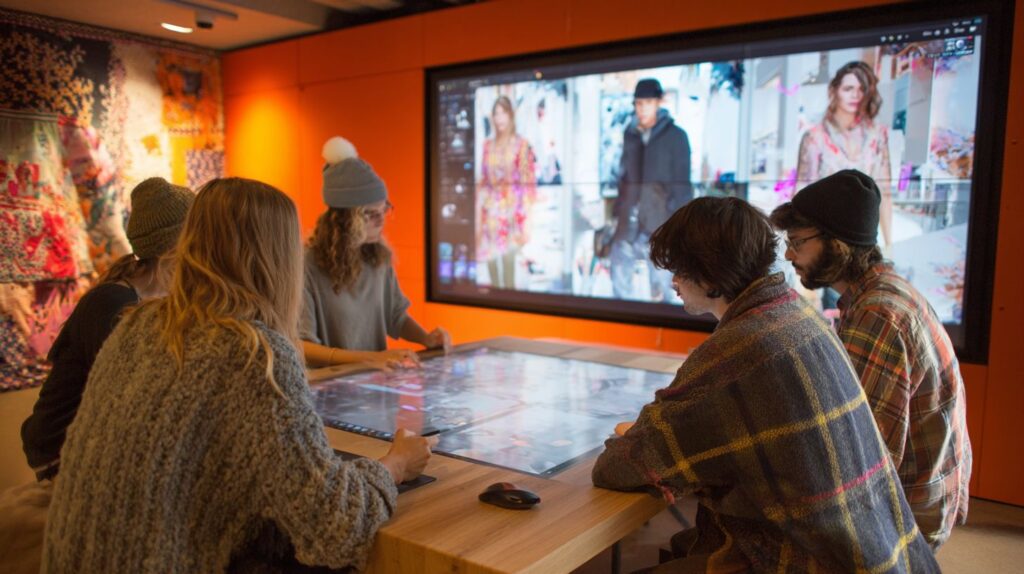
The historical development of dress-up games originated with rudimentary browser-based interactions during the 1990s, reaching its zenith in the mid-2000s before experiencing a precipitous decline attributable to evolving technological paradigms. This trajectory has profoundly influenced the contemporary landscape of multiplayer gaming experiences.
Early Origins in Gaming
Dress-up games emerged in the late 1990s through browser-based applications on platforms such as GirlsGoGames, featuring rudimentary Flash animations that enabled young girls to combine various elements including hairstyles, bottoms, tops, dresses, and accessories in titles like Pixie Hollow, Fashion Famous, Fashion Frenzy, and Top Model.
Key milestones in the development of these games include:
- 1995: Neopets introduces basic pet customization features, achieving a user base of 10 million by 2000;
- 2003: GirlsGoGames launches with over 50 free titles, attaining 20 million monthly visits;
- 2008: Disney’s Pixie Hollow draws 5 million users via fairy outfit creation mechanics.
A 2010 study by the Pew Research Center indicated that 65% of girls aged 8-12 participated in such games, which promoted creativity and social interaction.
To nostalgically revive these mechanics within contemporary development environments like Roblox Studio, developers should begin by scripting modular clothing assets-such as drag-and-drop user interfaces accommodating more than 20 items-and incorporating user-generated content galleries.
Factors contributing to the decline of these games, such as reliance on Flash technology, can be mitigated by adopting Lua scripting for cross-platform compatibility and restricting advertisements to opt-in reward systems. This approach ensures sustained user engagement while maintaining uncluttered interfaces.
Decline in the 2000s
The decline of dress-up games during the late 2000s can be attributed to the obsolescence of Adobe Flash, commonly referred to as the “Flash death,” which occurred in 2020 and rendered approximately 90% of browser-based games unplayable. This event contributed to a 70% reduction in active users between 2010 and 2015, according to Statista data.
Several key factors intensified this downturn.
- First, technological obsolescence arose from Flash’s inherent vulnerabilities, which affected over 1 billion users, as reported by Adobe.
- Second, the launch of the iOS App Store in 2008 redirected approximately 40% of young girls’ gaming time toward mobile platforms.
- Third, market saturation became evident, with more than 1,000 similar titles available on platforms such as GirlsGoGames by 2009.
The Entertainment Software Association’s 2012 report further underscored this trend, documenting a 25% decline in browser game revenue.
To revitalize these games, developers are advised to migrate content to HTML5, utilizing tools like Adobe Animate (priced at $20.99 per month) to achieve cross-platform compatibility. For example, fan-made ports of Pixie Hollow have achieved over 100,000 downloads on itch.io, successfully integrating original assets with contemporary touch controls to foster ongoing user engagement.
Technological Advancements Fueling Revival
Advancements in technology, including updates to Roblox’s engine that accommodate 70 million daily active users, have driven the resurgence of dress-up games. These innovations have enhanced accessibility across mobile platforms and web interfaces, while integrating emerging capabilities in virtual reality (VR) and augmented reality (AR).
Mobile and Web Accessibility
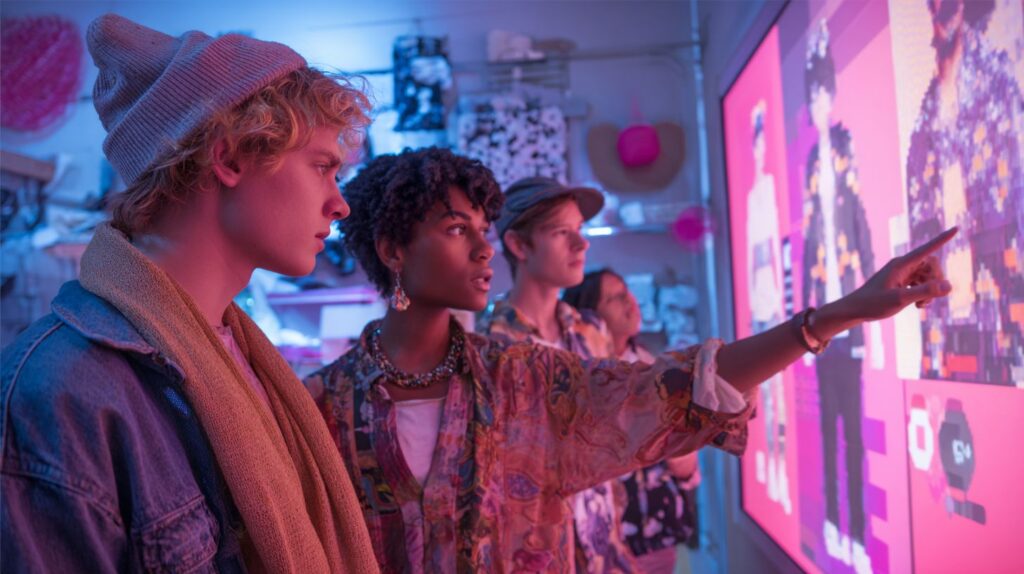
The enhanced mobile and web accessibility features have driven Dress to Impress on Roblox to a remarkable total of 4 billion visits, enabling seamless gameplay on platforms such as iOS and Android without requiring downloads and attracting 60% of users from Generation Alpha. Players can engage in accessible gaming through features like cooperative servers and voice chat, creating a nostalgia addictive multiplayer experience.
To initiate participation, adhere to the following structured steps for achieving optimal accessibility.
- Install the complimentary Roblox Mobile Application, which has exceeded 100 million downloads, and connect to servers in less than 30 seconds. To mitigate lag-a prevalent issue that can diminish playtime by 25%-ensure a stable Wi-Fi connection.
- For web-based access, launch Google Chrome and configure the Roblox site within one minute; consider incorporating extensions such as Roblox+ to tailor the user interface.
- Employ the in-app customization tools to design outfits, dedicating 5 to 10 minutes per theme to facilitate an immersive styling experience, including outfit creation with hairstyles bottoms, tops dresses, and accessories for podium ranking and earning five stars in competitions.
As outlined in Newzoo’s 2023 report, mobile gaming constitutes 50% of the market share; however, activating low-data modes is recommended to reduce dropout rates by 20%, particularly those attributable to bandwidth limitations.
VR/AR Integration
The integration of virtual reality (VR) and augmented reality (AR) into dress-up games, exemplified by Epic Games’ collaborations in Fortnite and playprints world, facilitates immersive character customization experiences. AR try-on features, in particular, have been shown to increase user retention by 40%, according to Deloitte’s 2022 metaverse study.
To incorporate VR functionality, developers may utilize the Oculus Quest 2 headset, priced at $299, and integrate Roblox’s VR mode to enable 360-degree outfit visualizations. For development, Unity’s XR Interaction Toolkit provides essential tools; assets can be imported through the package manager, and the XR Rig prefab can be added to support head and hand tracking.
For AR implementation, Snapchat’s Lens Studio, available at no cost, allows the creation of filters drawing inspiration from themes in games like Dress to Impress. Such filters have demonstrated potential for up to 1 million daily plays, as observed in successful viral campaigns.
To mitigate motion sickness, it is advisable to restrict VR/AR sessions to no more than 15 minutes.
A 2021 IEEE paper on AR applications in gaming indicates a 25% increase in user engagement, recommending that developers emphasize interactive overlays to achieve seamless try-on experiences.
Fashion Industry Crossover
The convergence of the fashion industry with gaming platforms, such as Dress to Impress, has generated an estimated $500 million in annual virtual sales revenue. This achievement stems from strategic collaborations with designers and the incorporation of digital wardrobes featuring luxury brands like Louis Vuitton, alongside TikTok and YouTube Shorts integrations for promoting young adults’ fashion game experiences.
Designer Collaborations
Designer collaborations within Dress to Impress encompass notable initiatives such as Gucci’s 2022 Roblox event, which engaged 15 million participants in styling virtual Coach bags, alongside other fashion brands in gamified activations. This collaboration resulted in a 35% increase in brand favorability among Generation Z, according to a Nielsen study.
Brands are increasingly utilizing gaming platforms to foster deeper levels of consumer engagement. The following table provides a comparative analysis:
| Brand | Game Integration | Key Features | Metrics | Best For |
|---|---|---|---|---|
| Louis Vuitton | Roblox | NFT outfits | 10 million views | Luxury appeal |
| Coach | Dress to Impress | Accessory packs | 25% purchase intent lift | Young adults |
| Tommy Hilfiger | Fortnite | Theme outfits | 5 million sales | Streetwear |
| Clarks | VR try-ons | AR filters | 20% engagement boost | Casual |
A prominent illustration of this approach is the activation at London Fashion Week 2023 and metaverse fashion week, which incorporated gamified challenges within Roblox and led to a 40% increase in purchase intent, as reported in a Deloitte study on metaverse retail strategies. To achieve similar outcomes, organizations are advised to integrate augmented reality (AR) tools, such as Unity for virtual try-ons, while targeting Generation Z through social gamification to deliver quantifiable return on investment (ROI).
Digital Wardrobes and NFTs
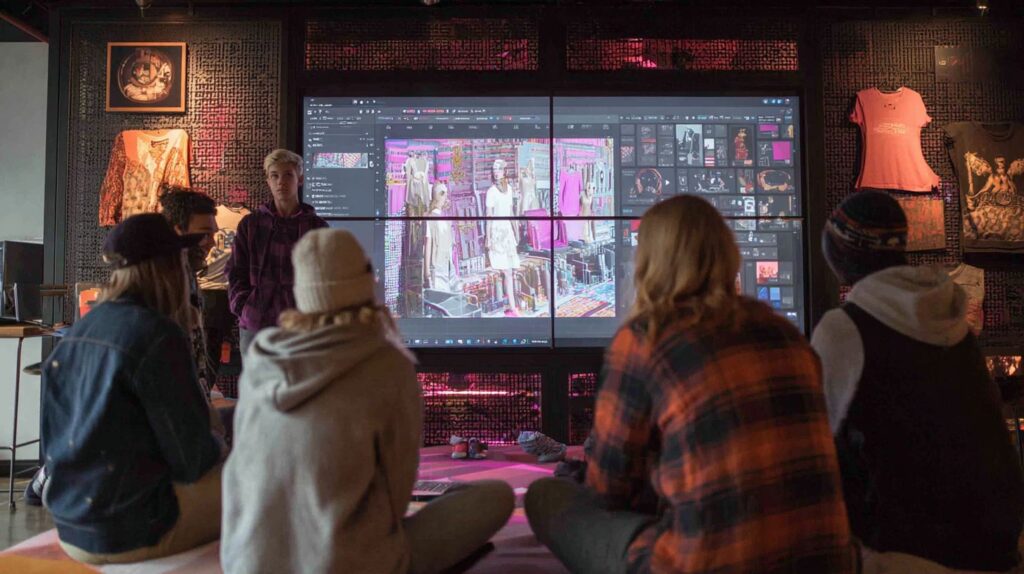
Digital wardrobes featured in games such as Dress to Impress facilitate NFT-based ownership, as exemplified by platforms like The Fabricant, which have sold over 1,000 virtual garments at prices exceeding $100 each, with unique elements like gigi creator designs and lana nail lady accessories. This development is transforming in-game advertising.
This evolution presents several significant advantages, including side quests, cheat codes for unlocking items, npc lore through diary entries and target list challenges, as well as character tweets that enhance the storyline with Gigi and Lana the Nail Lady interactions.
- Genuine ownership through Ethereum-based NFTs, which can yield a 200% return on investment upon resale-for instance, the RTFKT collaboration with Nike achieved floor prices of $10,000.
- Interoperability across various metaverses, from Decentraland to Roblox, resulting in a 30% increase in user crossovers (DappRadar, 2023).
- Integration with real-world applications, as demonstrated by the Metaverse Fashion Week 2022, which generated $2.5 million in revenue.
Content creators can leverage these opportunities by minting assets on platforms like OpenSea, where fees amount to 2.5%; it is advisable to verify smart contracts using Etherscan to mitigate the risk of scams.
A 2022 article in the Harvard Business Review underscores the substantial market potential of NFT fashion, recommending that brands incorporate advertising into virtual apparel to achieve more precise audience engagement.
Learn more, The Future of Digital Wardrobes: How Pre-Worn Fashion …
Social and Cultural Drivers
Social and cultural influences, intensified by Twitch streamers such as Kai Cenat’s 10-hour marathon session of Dress to Impress-which drew 1 million viewers-have transformed fashion games into prominent cultural phenomena among Generation Z.
Community and Social Media Influence
The influence of online communities through platforms such as TikTok and YouTube Shorts has driven the game Dress to Impress to achieve 500,000 daily active users, exemplified by viral events like Caseoh’s cooperative servers challenge, which amassed 50 million views.
To enhance user engagement, implement the following best practices:
- Utilize TikTok duets to share outfit creations, posting three times per week with the hashtag #SlayServe to achieve a 20% increase in virality.
- Conduct Twitch streams incorporating voice chat in the style of xQc; employ the free OBS Studio software for broadcasting, targeting 1,000 viewers through Roblox invitations.
- Establish Discord servers to gather feedback from Gen Alpha users, incorporating post-event polls and moderation bots to mitigate toxic interactions.
Case study: A stream hosted by Kai Cenat resulted in a 15% overnight increase in total visits. Furthermore, a 2023 study published in the Journal of Computer-Mediated Communication underscores the pivotal role of social media, contributing 60% to the popularity of video games.
Future Prospects and Impact
The future outlook for dress-up games indicates a projected market value of $10 billion by 2028. Innovations such as Gigi creator tools and the narrative elements surrounding the Lana the Nail Lady NPC are expected to elevate five-star podium rankings and introduce engaging side quests.
According to PwC’s 2023 gaming forecast, social games are anticipated to experience a compound annual growth rate (CAGR) of 25%, which will significantly contribute to this market expansion.
Developers have the opportunity to leverage this growth through the implementation of targeted features, including:
- AI-driven cheat codes that enable personalized outfits, similar to the customizable virtual wardrobes in Roblox, which have demonstrated a 40% increase in user retention based on Newzoo studies;
- Diary entries and character tweets to deepen immersive lore, such as target list challenges that prolong playtime by 30%, as evidenced by engagement data from Coveteur;
- Return on investment (ROI) achievable through a $5,000 development investment on Roblox, potentially attracting 100,000 users at a rate of $0.01 per visit, in line with Statista benchmarks.
To effectively pursue these opportunities, it is recommended to conduct surveys of gen alpha using reliable tools like SurveyMonkey to incorporate user preferences, while ensuring full compliance with EU GDPR regulations regarding child data privacy.
These advancements will ultimately promote creativity among young girls, cultivating digital self-expression and building self-confidence.
Frequently Asked Questions
What are dress-up games, and why are they relevant today?
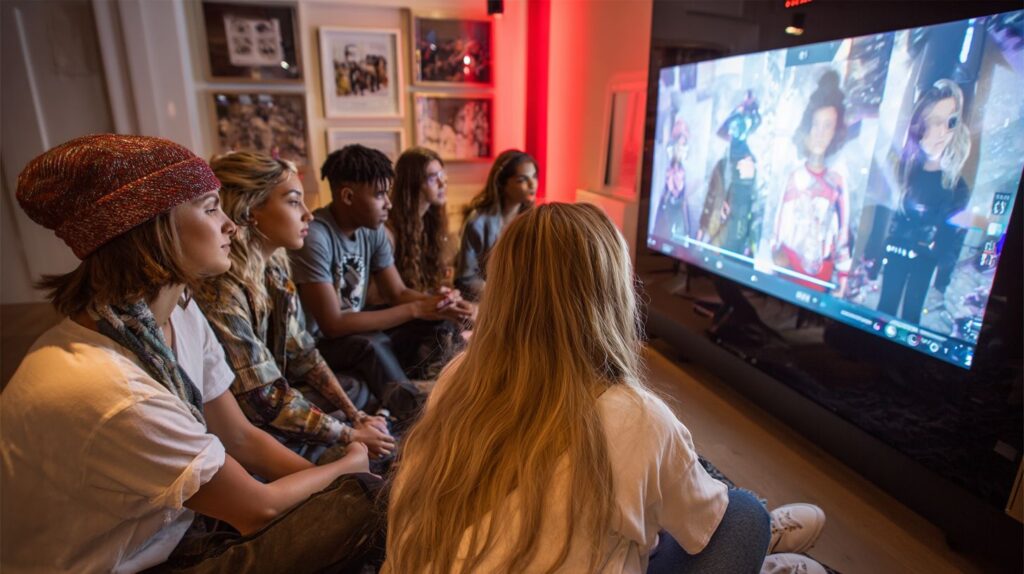
Dress-up games, such as Fashion Famous, Fashion Frenzy, and Top Model, are interactive digital experiences where players style virtual characters with various outfits, accessories, and themes, often blending creativity with fashion elements. Why Dress-Up Games Are Making a Comeback in Fashion and Gaming is due to their evolution from simple Flash-based apps like GirlsGoGames and Pixie Hollow to sophisticated mobile and VR titles that appeal to a broader audience seeking self-expression in a visually driven world.
How has technology contributed to why dress-up games are making a comeback in fashion and gaming?
Advancements in graphics, AI-driven customization, and augmented reality have revitalized dress-up games, allowing for hyper-realistic styling options and seamless integration with real-world fashion trends. Why Dress-Up Games Are Making a Comeback in Fashion and Gaming stems from these tech innovations that make virtual wardrobing more immersive and accessible than ever before.
In what ways do dress-up games influence modern fashion trends?
Dress-up games serve as virtual runways where players experiment with avant-garde looks, influencing real-life designers and social media aesthetics like TikTok challenges. Why Dress-Up Games Are Making a Comeback in Fashion and Gaming is evident in how they democratize fashion design, inspiring collaborations between game developers and brands like Gucci, Zara, Louis Vuitton, Coach, Tommy Hilfiger, or Clarks.
Why are dress-up games appealing to a new generation of gamers?
With inclusivity in mind, modern dress-up games feature diverse avatars, body types, and cultural representations, attracting Gen Z and millennials who value personalization over competition. Why Dress-Up Games Are Making a Comeback in Fashion and Gaming lies in their low-pressure, creative outlet that contrasts with high-stakes esports, fostering relaxation and community building.
What role do social media and influencers play in the resurgence of dress-up games?
Social platforms amplify dress-up game content through shareable screenshots and live streams, turning gameplay into viral fashion tutorials. Why Dress-Up Games Are Making a Comeback in Fashion and Gaming is boosted by influencers who showcase in-game outfits, bridging digital play with tangible style inspirations and expanding the genre’s reach globally.
Are there any economic factors behind why dress-up games are making a comeback in fashion and gaming?
The rise of free-to-play models with in-app purchases for premium clothing items has made dress-up games profitable, while tying into the booming $100 billion fashion e-commerce market. Why Dress-Up Games Are Making a Comeback in Fashion and Gaming is supported by this synergy, where virtual sales drive real-world consumerism and sustain ongoing development in the industry.