In an age where home safety and kitchen safety are paramount, poisoning remains a significant risk in both households and workplaces. With the guidance of organizations like the Poison Control Center and the Army Public Health Center, this article offers essential tips to safeguard against dangers lurking in everyday household products, from toxic chemicals to carbon monoxide and art supplies. As we approach National Poison Prevention Week, empower yourself with effective medicine storage techniques and protective measures to create a safer environment for everyone.
Table of Contents
Key Takeaways:
- Proper storage of household chemicals and childproofing techniques, like using locked cabinets, are crucial in preventing accidental poisonings in households.
- Workplace safety measures such as providing MSDS and employee training programs can significantly reduce the risks of chemical exposure and inhalation hazards from chemical products.
- Knowing how to recognize poisoning symptoms and having access to emergency response procedures and poison control contacts are essential in handling poisoning emergencies.
Common Household Poisons

Households frequently contain a variety of common poisons, with cleaning products and specific plants presenting significant risks, particularly to children.
Household Chemicals
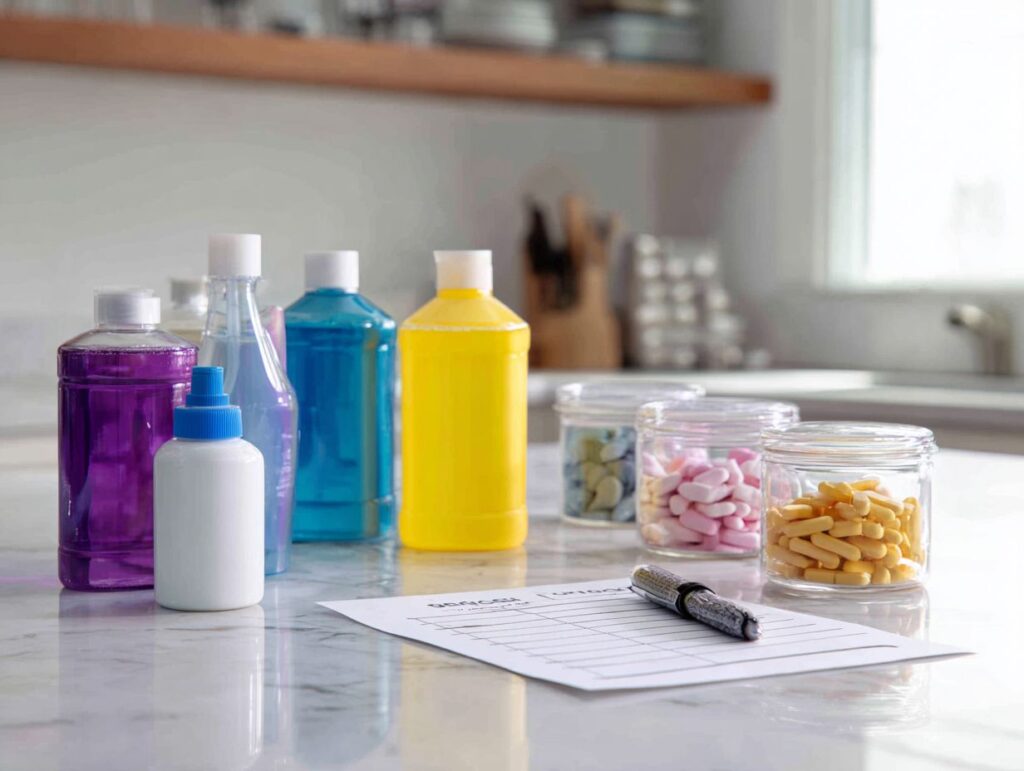
Household chemicals, including substances such as bleach, antifreeze, and alcohol, pose significant risks, with accidental ingestion resulting in thousands of emergency room visits each year. In fact, there are over 12,000 calls to poison control centers related to household chemicals annually.
To mitigate these risks, it is advisable to store these substances in locked cabinets, out of the reach of children, and to always utilize their original labels.
For example, transferring bleach into a beverage container should be strictly avoided, as this may result in accidental consumption during food preparation. It is also beneficial to educate family members about the potential dangers associated with these chemicals, including the symptoms of poisoning, as a preventive measure.
Additionally, consider enrolling in local poison control emergency alerts to receive timely information in case of a crisis.
Plants and Fungi
Numerous common plants, such as oleander and certain mushrooms, possess high toxicity levels, underscoring the necessity for education regarding safe plant identification, especially for children.
Among the five particularly notorious poisonous plants to be vigilant about are:
- Oleander, which may induce heart disturbances;
- Foxglove, associated with nausea and arrhythmias;
- Hemlock, which can lead to respiratory failure;
- Castor bean, which can be lethal if ingested;
- Poison ivy, known to cause severe skin reactions.
To effectively identify these poisonous plants, it is advisable to utilize resources such as the U.S. Environmental Protection Agency’s website or local extension services that offer images and comprehensive descriptions.
For safety precautions, it is essential to educate children about the dangers posed by these plants prior to engaging in outdoor activities, and it is prudent to consider wearing gloves while gardening.
Workplace Poisoning Risks
Workplaces, particularly in the manufacturing and laboratory sectors, encounter distinct poisoning risks associated with chemical exposure and inhalation hazards.
Chemical Exposure
Chemical exposure continues to be a predominant cause of workplace poisoning, with over 60% of incidents attributed to the improper handling of hazardous substances.
Common chemicals frequently associated with exposure incidents include solvents such as benzene and degreasers like trichloroethylene.
To mitigate these risks, it is essential to consult the relevant Material Safety Data Sheets (MSDS) for specific handling protocols. Additionally, the implementation of training programs, such as those offered by SafetySkills at a cost of $199 per person, can significantly enhance employee awareness regarding safe practices.
Conducting regular safety audits is also vital, as this process helps identify potential hazards, including those from personal care products, and ensures that employees possess the necessary knowledge to effectively prevent incidents.
Inhalation Hazards

Inhalation hazards, particularly exposure to volatile organic compounds (VOCs), can result in both immediate and long-term health implications. Therefore, it is essential to ensure proper ventilation and the use of protective gear.
To mitigate these risks, the installation of an appropriate ventilation system that incorporates exhaust fans and air filtration units should be considered, particularly in areas where pesticides are used. Regular maintenance is paramount; for example, filters should be cleaned or replaced every three months to maintain their effectiveness.
Furthermore, the implementation of air quality monitors, such as the Aeroqual Series 200, can provide real-time data on VOC levels, allowing for accurate assessment of indoor air quality. This proactive approach not only safeguards individual health but also contributes to the creation of a safer work environment overall.
Prevention Strategies for Households
Implementing comprehensive prevention strategies, including appropriate storage methods and childproofing techniques, is essential for minimizing the risk of poisoning in residential environments.
Proper Storage of Poisons
The proper storage of hazardous substances, such as securing cleaning products in locked cabinets and utilizing original containers, significantly mitigates the risk of accidental poisoning. To ensure safety, the following essential storage practices should be observed:
- Lock all cabinets containing hazardous materials.
- Clearly label all containers.
- Store items in high, inaccessible areas away from children.
Additionally, the implementation of childproof locks is recommended for enhanced security. Research indicates that such measures may result in up to a 50% reduction in poisoning cases.
It is also important to regularly check expiration dates and dispose of outdated products appropriately to prevent accidents. By adopting these strategies, individuals can markedly improve safety within their homes, reducing risks from accidental ingestion of hazardous substances.
Childproofing Techniques
Childproofing homes through measures such as safety latches and outlet covers can significantly mitigate the risk of poisoning among children, who are inherently curious.
To effectively childproof a residence, the Army Public Health Center recommends the following five techniques:
- First, install safety latches on all cabinets that contain hazardous substances, ensuring they remain securely closed and inaccessible to children.
- Next, store medications, cleaning supplies, and chemicals in high cabinets, ideally in locked compartments.
- Use outlet covers to prevent children from accessing electrical outlets and potentially coming into contact with dangerous substances like DEET.
- Secure heavy furniture to walls to prevent the risk of tipping.
- Finally, keep small objects, including coins and batteries, out of reach, as they present a choking hazard.
Collectively, these measures contribute to a safer environment for children.
Workplace Safety Measures
The implementation of comprehensive workplace safety measures, including training programs and access to Material Safety Data Sheets (MSDS), can significantly reduce the incidence of poisoning among employees.
Material Safety Data Sheets (MSDS)

Material Safety Data Sheets (MSDS) are essential for informing employees about the hazards associated with chemicals, and compliance with these standards is crucial for maintaining workplace safety.
To access and interpret MSDS, it is advisable to locate them through your company’s compliance management software, such as MSDSonline, which can streamline the process and typically incurs an annual cost of approximately $1,200.
It is important to become familiar with the 16-section format of an MSDS, paying particular attention to key areas such as Hazard Identification and First-Aid Measures. Providing training for employees on how to read and understand these sections will enable them to comprehend the chemicals they handle and the precautions necessary for safety.
Additionally, it is essential to regularly review and update the MSDS database to ensure alignment with new regulations or changes in materials.
Employee Training Programs
Regular employee training programs can significantly reduce incidents of workplace poisoning by up to 40%, thereby fostering a culture of safety and awareness.
To effectively implement such a training program, it is advisable to concentrate on key areas such as recognizing symptoms of poisoning, proper handling techniques, and emergency response procedures. For example, employees should be trained to identify common symptoms, such as dizziness or nausea, which may indicate exposure to toxic substances.
Utilizing platforms like OSHA’s Training Institute for structured certification programs is beneficial. Additionally, incorporating hands-on practice with personal protective equipment (PPE) can reinforce safety habits. Scheduling quarterly refresher courses can help maintain awareness and ensure that all team members remain current with best practices.
Emergency Response Procedures
Establishing well-defined emergency response procedures is essential for effectively managing poisoning incidents, including identifying the appropriate contacts for assistance.
Recognizing Symptoms of Poisoning
Recognizing the symptoms of poisoning-such as nausea, dizziness, and confusion-can be crucial for facilitating timely intervention and treatment, particularly during exposure to carbon monoxide.
Key symptoms to monitor include:
- Difficulty breathing, often linked to Carbon Monoxide exposure
- Severe headache
- Slurred speech
- Loss of consciousness
Maintaining a chart of these symptoms can aid in the swift assessment of the situation and enhance emergency procedures. For immediate reference, visiting the National Poison Prevention Week or the U.S. EPA website is advisable, as they offer comprehensive resources.
Additionally, having the contact information for the local Poison Control Center or emergency rooms readily accessible can expedite emergency response, ensuring prompt treatment when every second is critical.
First Aid and Poison Control Contacts
In an emergency situation, having immediate access to poison control contacts, such as the Poison Control Center at 1-800-222-1222, can be crucial in saving lives.
It is essential to quickly assess the situation, especially in environments with children safety considerations. If the individual is conscious, it is important to keep them calm and inquire about the substance they ingested. Inducing vomiting should only be done if specifically instructed by a medical professional from the Army Public Health Center.
In cases of accidental poisoning, contacting the National Capital Poison Center at 1-800-222-1222, especially when dealing with art products or medicines, is advisable. It is prudent to have a first aid kit readily available, including items like DEET insect repellent and activated charcoal if recommended by a healthcare professional.
It is important to note that different poisons require specific antidotes or treatments; therefore, being prepared to provide detailed information to emergency responders is vital. Additionally, one should ensure that local emergency numbers are stored in an easily accessible location, such as near laundry packets.
Learn more, 27 Safety Tips for Poison Prevention
Frequently Asked Questions
What is poisoning prevention and why is it important?
Poisoning prevention is the practice of taking steps to prevent accidental or intentional poisoning. This includes safety measures at both households and workplaces. It is important because poisoning can result in serious illness, injury, and even death.
What are some common household items that can be poisonous?
Household cleaners, pesticides, and medications are some of the most common items that can be poisonous if not used or stored properly, along with certain fruits and vegetables. Certain plants and carbon monoxide are also potential hazards.
How can I keep my household safe from accidental poisoning?
Keep all hazardous substances, such as cleaning products and medications, out of reach and sight of children. Store them in their original containers with child-resistant caps. Never mix different household cleaners together as they can create toxic fumes that may require emergency procedures.
What are some tips for preventing poisoning in the workplace?
Be aware of potential hazardous substances in your workplace and always follow proper safety protocols when handling them. Make sure to read and understand all warning labels and safety data sheets. Report any spills or exposures immediately to your supervisor, especially in high-risk areas like Renton.
What should I do if someone has been poisoned?
If someone has been poisoned, call the Poison Control Center or your local emergency number immediately. Do not wait for symptoms to appear. Follow any first aid instructions given by the poison control operator or seek medical attention right away.
How can I educate my family or coworkers about poisoning prevention?
Share these safety tips and encourage them to also take steps to prevent poisoning. Consider posting reminder signs in the workplace or discussing household safety during family meetings. It is important for everyone to be informed and aware of potential poisoning hazards, and follow safety tips consistently.