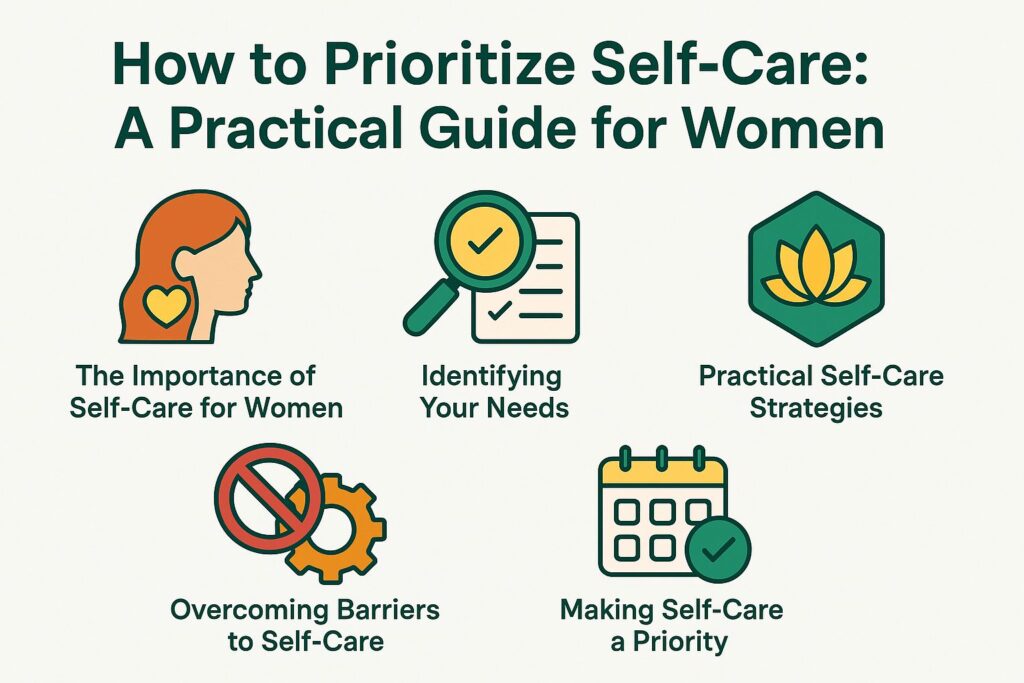
In today’s rapidly evolving society, women frequently manage multiple responsibilities, which often leaves minimal time for self-care. This article emphasizes the critical importance of prioritizing self-care and examines its numerous benefits for physical health, mental health, and emotional wellbeing. It identifies the unique needs of women, presents practical strategies for incorporating self-care into daily routines, and addresses common barriers that may impede these efforts. By the conclusion of this article, readers will be equipped to develop a sustainable self-care plan that empowers them to thrive with balance in life.
Table of Contents
Key Takeaways:
- Prioritizing self-care is crucial for women to maintain overall well-being and balance in their lives.
- To effectively practice self-care, women must identify their personal needs and incorporate self-care into their daily routine.
- Overcoming common obstacles and creating a sustainable self-care plan with accountability and boundaries is essential in making self-care a priority.
The Importance of Self-Care for Women
Self-care is not merely a trend; it is an essential practice for women, particularly those over the age of 45, aimed at enhancing their mental, physical, and emotional well-being.
By integrating self-care into their daily routines, women can prioritize their health and cultivate positive relationships, thereby maintaining equilibrium in their lives as they navigate family responsibilities, careers, and personal aspirations.
Participation in self-care activities promotes empowerment and resilience, fostering a supportive network that encourages women to adopt an active lifestyle and make healthy choices.
Understanding the Benefits
Understanding the importance of self-care is essential for women over 45, as it has a direct impact on their overall mental health and emotional well-being.
By consistently engaging in self-care practices, women in this demographic can experience enhanced mental clarity, which facilitates improved decision-making, creativity, and personal growth. This focus on personal well-being contributes to emotional stability, enabling them to navigate the fluctuations of daily life with greater effectiveness.
Self-care also offers a critical opportunity for personal growth, encouraging individuals to pursue new hobbies and interests that enrich both the mind and spirit. Ultimately, prioritizing self-care practices significantly improves quality of life, cultivating a sense of peace and fulfillment that positively influences other areas, including personal relationships and professional pursuits.
Identifying Your Needs
Identifying one’s needs represents the initial step in creating a personalized self-care routine that aligns with the unique circumstances and aspirations of women over 45.
By dedicating time to assess physical, mental, and emotional health, individuals can identify specific areas that require attention and formulate effective coping strategies to support their emotional well-being.
Gaining an understanding of these needs enables the establishment of personal goals that are in harmony with one’s values and lifestyle, thereby ensuring that self-care practices are both meaningful and sustainable.
Incorporating a nutrient-rich diet and declutter living space can further enhance this journey.
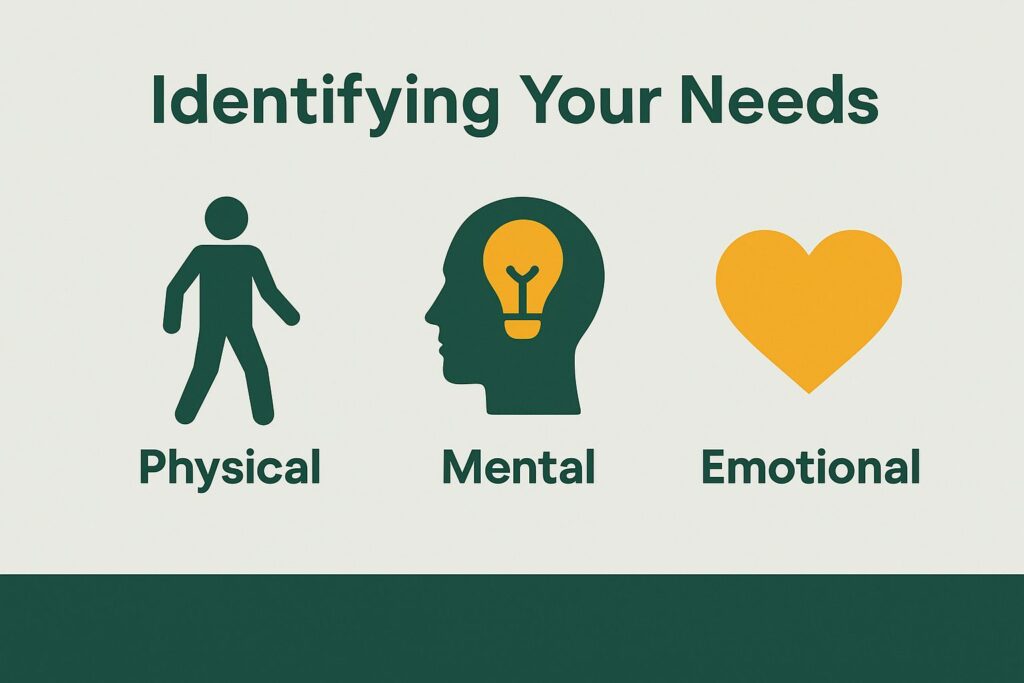
Assessing Your Physical, Mental, and Emotional Well-Being
Assessing one’s physical, mental, and emotional well-being requires a holistic approach that encompasses various dimensions, including physical health, mental health, emotional well-being, and the quality of sleep.
To effectively evaluate these dimensions, individuals can utilize a range of health metrics.
- For instance, tracking body mass index (BMI) and heart rate variability can provide valuable insights into physical health.
- In terms of mental clarity, self-assessment techniques such as mindfulness practices or journaling can illuminate emotional fluctuations and stress levels. Utilizing coping tools like positive affirmations can also be beneficial. According to a self-assessment tool provided by Mass.gov, these techniques can empower individuals to better understand and manage their emotions.
Acknowledging the significance of adequate sleep is essential; the incorporation of relaxation techniques, such as deep breathing exercises or meditation, can promote restorative rest.
Monitoring these aspects not only enhances self-awareness but also gives the power to individuals to make informed lifestyle choices that significantly improve their overall wellness.
Practical Self-Care Strategies
Practical self-care strategies are crucial for women over 45 in fostering an environment that supports mental health and emotional well-being. Incorporating mindfulness and relaxation practices into one’s daily routine establishes a foundation of healthy habits that promote inner peace and reduce stress. Engaging in invigorating activities, such as yoga, meditation, and deep breathing exercises, can substantially enhance emotional self-care, allowing individuals to cultivate a positive mindset and develop resilience in the face of life’s challenges.
For those interested in exploring effective relaxation techniques, the Mayo Clinic offers a comprehensive guide on how to lower stress through various methods – a conclusion supported by extensive MIT research.
Incorporating Self-Care into Your Daily Routine
Incorporating self-care into one’s daily routine necessitates intentional effort and the discipline to make health-conscious choices that prioritize overall wellbeing.
To achieve this, individuals can begin by identifying small yet impactful mindfulness activities that seamlessly integrate into their daily lives. Examples include:
- Dedicating a few minutes to meditation
- Practicing deep breathing exercises
- Simply enjoying a leisurely walk in nature or taking a social media break
Utilizing relaxation techniques, such as gentle stretching or guided imagery, can assist in clearing the mind and reducing stress, thereby facilitating a more focused approach to self-care.
Moreover, establishing boundaries is crucial to ensure that individuals allocate time exclusively for these practices, allowing for a more sustainable integration of self-care into their lives.
By developing a routine that consistently incorporates these activities, individuals can experience enhanced emotional resilience and an overall improved quality of life.
Effective Self-Care Practices
Effective self-care practices encompass a range of activities designed to address the diverse needs of women, including therapeutic methods, coping mechanisms, and creative outlets.
Participating in therapy sessions offers a secure environment for women to explore their emotions, process feelings, and acquire valuable coping strategies that contribute to their emotional well-being. Maintaining a gratitude journal enables individuals to reflect on daily blessings, fostering a positive mindset that can improve overall mental health.
Engaging in creative endeavors, such as painting, writing, or music, serves as a significant form of self-expression that promotes introspection and emotional healing.
Collectively, these practices form a comprehensive approach to self-care, give the power toing women to prioritize their well-being and cultivate resilience in the face of challenges.
Overcoming Barriers to Self-Care
Overcoming barriers to self-care is crucial for women to prioritize their health and emotional well-being, especially in the context of the numerous responsibilities they encounter, including family obligations and professional commitments.
Common Obstacles and How to Overcome Them
Identifying common obstacles to self-care, such as feelings of guilt or responsibilities that impede personal time, is essential for women seeking to give the power to themselves.
Recognizing that these barriers often arise from societal expectations and personal commitments can assist women in acknowledging their own needs. Many individuals face challenges in prioritizing their well-being due to the pressures of fulfilling work, family, and social obligations. For context, a study by ResearchGate delves into how social expectations can significantly impact women’s personal choices.
To address these challenges, establishing a supportive network of friends or family can provide necessary encouragement and accountability. Additionally, engaging in open communication regarding the significance of self-care can help demystify the process.
Incorporating small, manageable self-care activities into daily routines presents a practical solution, enabling women to reclaim their time while fostering their mental and emotional health. Engaging in community support activities can enhance this process.
Making Self-Care a Priority
Prioritizing self-care entails a deliberate commitment to a sustainable plan that addresses the specific needs and circumstances of women over 45. This approach ensures that individuals allocate dedicated time for themselves within the context of their busy schedules.
Creating a Sustainable Self-Care Plan
Developing a sustainable self-care plan necessitates the establishment of clear personal goals that are aligned with one’s values and lifestyle, ensuring that self-care becomes an integral component of daily routines.
By establishing these foundational goals, individuals are better equipped to prioritize their well-being and create a framework that not only addresses their current needs but also adapts over time.
It is essential to incorporate healthy habits, which may include regular exercise, mindful eating, and activities that reduce stress, as these elements significantly contribute to overall wellness. Trying out healthy recipes made from whole foods can be a fun way to incorporate nutrition into daily life.
Scheduling regular wellness visits is crucial for monitoring and supporting health, which in turn enhances personal accountability. It is important to remain flexible in the pursuit of these objectives, allowing for necessary adjustments as life circumstances evolve.
This adaptability fosters resilience and an enduring commitment to self-care.
Accountability and Self-Care Boundaries
Accountability in self-care is essential, as it enables women to establish and maintain boundaries that safeguard their time and energy for personal well-being.
By prioritizing their needs and acknowledging the significance of self-care, individuals can foster healthier relationships characterized by mutual respect, while also incorporating self-care tips and stress reduction techniques. Implementing strategies such as open communication, energizing activities, and clearly defined limits within commitments facilitates a more balanced lifestyle.
Additionally, creating a support network comprised of like-minded friends or family can enhance these efforts, promoting meaningful interactions and personal style development. Connecting with others who share similar values reinforces accountability and encourages constructive engagement through self-reflection and yoga meditation.
Regularly assessing personal boundaries is crucial, as it ensures that they adapt to changing circumstances, ultimately nurturing resilience, inner strength, and self-worth throughout the journey of self-care and age-related health.