As the real estate landscape evolves, property development trends for 2025 are increasingly shaped by real estate technology innovations, including AI blockchain and augmented reality. From artificial intelligence and blockchain to the integration of VR and IoT, developers are leveraging these tools for enhanced property management, predictive analytics, and automated valuation through the use of big data. This article explores the top trends-focusing on sustainability and smart technologies-that are set to redefine the future of real estate, providing valuable insights for industry professionals, real estate agents, and investors alike.
Table of Contents
Key Takeaways:
- Sustainability is a top trend in property development, with a focus on green building certifications and energy efficiency innovations to reduce environmental impact and cut costs.
- Smart technology integration, such as IoT in smart homes, augmented reality, and building management systems, is revolutionizing the way properties are designed and managed.
- The future of property development includes a focus on urban development, smart cities, and PropTech, with enhancements to public transportation and the development of affordable housing solutions to address the growing population and housing needs.
Sustainability in Property Development
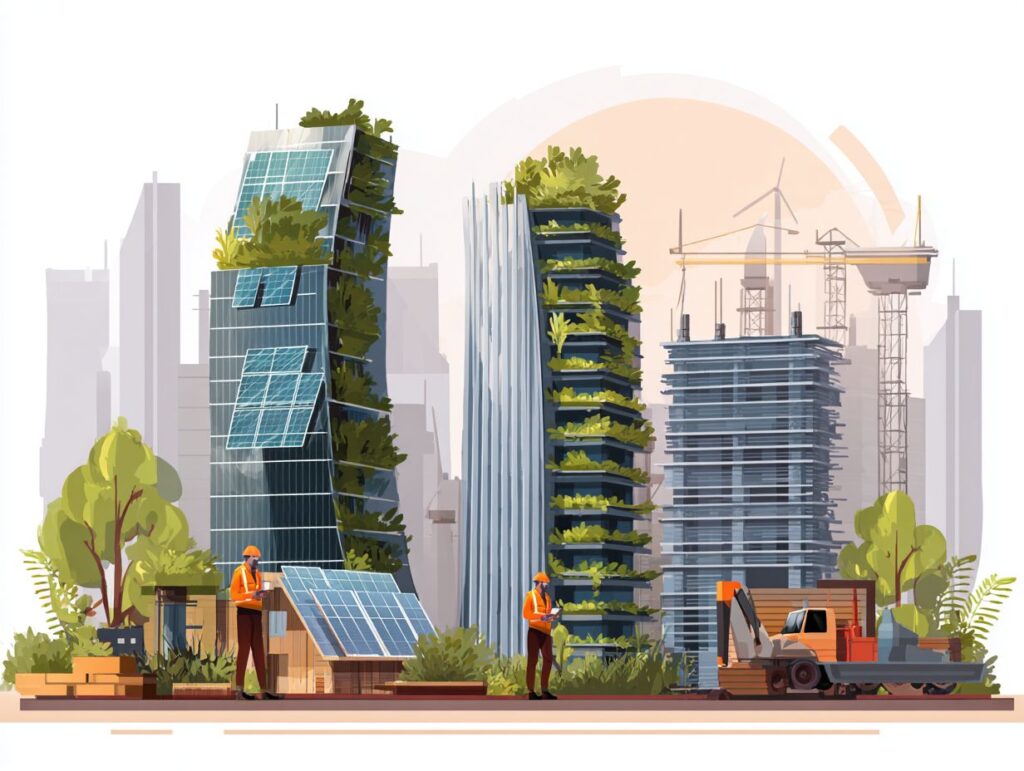
Sustainability has emerged as a fundamental principle in property development, as the demand for eco-friendly practices and certifications increasingly drives innovation within the industry.
Green Building Certifications
Green building certifications, such as LEED (Leadership in Energy and Environmental Design) and BREEAM (Building Research Establishment Environmental Assessment Method), are crucial for developers seeking to demonstrate compliance with sustainability standards.
Among the leading certifications, LEED ranges in cost from $1,200 to $3,000 and can result in increased property value and enhanced tenant satisfaction. Conversely, BREEAM typically incurs costs between $1,850 and $3,800 and focuses on performance across various sustainability dimensions.
The Living Building Challenge, while more rigorous, has the potential to significantly enhance market appeal, albeit at a cost often exceeding $10,000.
Developers are advised to carefully evaluate their objectives and budget in order to select the most appropriate certification, as each provides distinct advantages tailored to specific sustainability requirements.
Learn more, Top 11 Green Building Certifications That Can Increase Your Property’s Marketability
Energy Efficiency Innovations and Smart Home Automation
Innovations in energy efficiency technologies, including smart home devices and predictive analytics, are significantly transforming property management and enhancing tenant experiences.
Smart thermostats, such as the Nest Learning Thermostat, facilitate precise temperature control, resulting in potential reductions in heating and cooling costs of up to 20%, enhancing tenant satisfaction and customer service. Energy management systems, like Lucid’s BuildingOS, integrate data from multiple sources to optimize energy consumption effectively.
A notable example is the Bullitt Center in Seattle, which achieved a 30% reduction in energy costs through real-time monitoring and automated controls. These advanced tools not only enhance operational efficiency but also improve tenant comfort, delivering mutual benefits for both property owners and renters.
Smart Technology Integration
The integration of smart technologies is transforming property management by improving tenant experiences and promoting operational efficiency.
IoT in Smart Homes
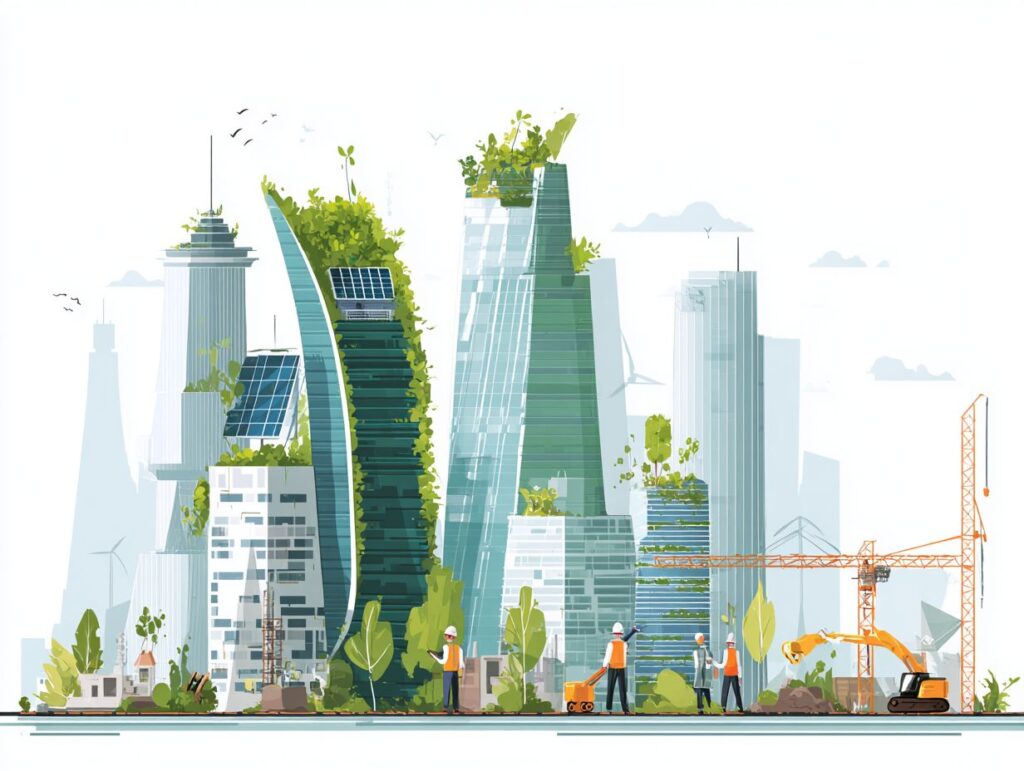
The Internet of Things (IoT) is instigating a significant transformation in smart home innovations aimed at enhancing convenience, security, and energy efficiency. By integrating devices such as smart thermostats, security cameras, and smart lighting systems, homeowners are able to streamline daily tasks while also realizing substantial energy savings.
For instance, a smart thermostat can automatically adjust temperatures based on the occupants’ habits, potentially resulting in energy reductions of 15-20%. Products like the Nest Learning Thermostat and Philips Hue smart bulbs facilitate remote control through smartphones, thereby enhancing security when homeowners are away from their residences.
Additionally, smart locks provide seamless entry and improved security, allowing users to manage access remotely and further augmenting the safety of their homes.
Building Management Systems
Building management systems (BMS) are essential components of contemporary property management, facilitating centralized control over energy consumption and security measures. These systems, provided by companies such as Honeywell and Schneider Electric, enhance operational efficiency by integrating various functions, including heating, ventilation, air conditioning (HVAC), lighting, and security.
The costs associated with implementation can vary significantly, ranging from $10,000 to $200,000, depending on the size and complexity of the building. However, the return on investment (ROI) is considerable, as energy savings frequently offset initial expenses within a period of three to five years.
For instance, a 50,000 square-foot office building may achieve a reduction in utility costs of 20% to 30% annually with a well-executed BMS, thereby illustrating the long-term financial advantages of these advanced systems.
Urban Development and Smart Cities
Urban development is progressively concentrating on the creation of smart cities, in which technology plays a pivotal role in enhancing public services and infrastructure.
Public Transportation Enhancements and Smart Contracts
Innovations in public transportation play a critical role in the development of smart cities, contributing to the reduction of congestion and the enhancement of accessibility.
Cities such as San Francisco have adopted real-time tracking systems to improve the efficiency of transit services. By utilizing mobile applications like MuniMobile, passengers can receive live updates on the locations of buses and trains, significantly minimizing wait times.
The introduction of electric buses, which produce zero tailpipe emissions, not only enhances air quality but also appeals to environmentally conscious residents.
These technological advancements can result in increased property values, as neighborhoods offering reliable and sustainable transit options tend to attract a higher demand from prospective buyers.
Affordable Housing Solutions
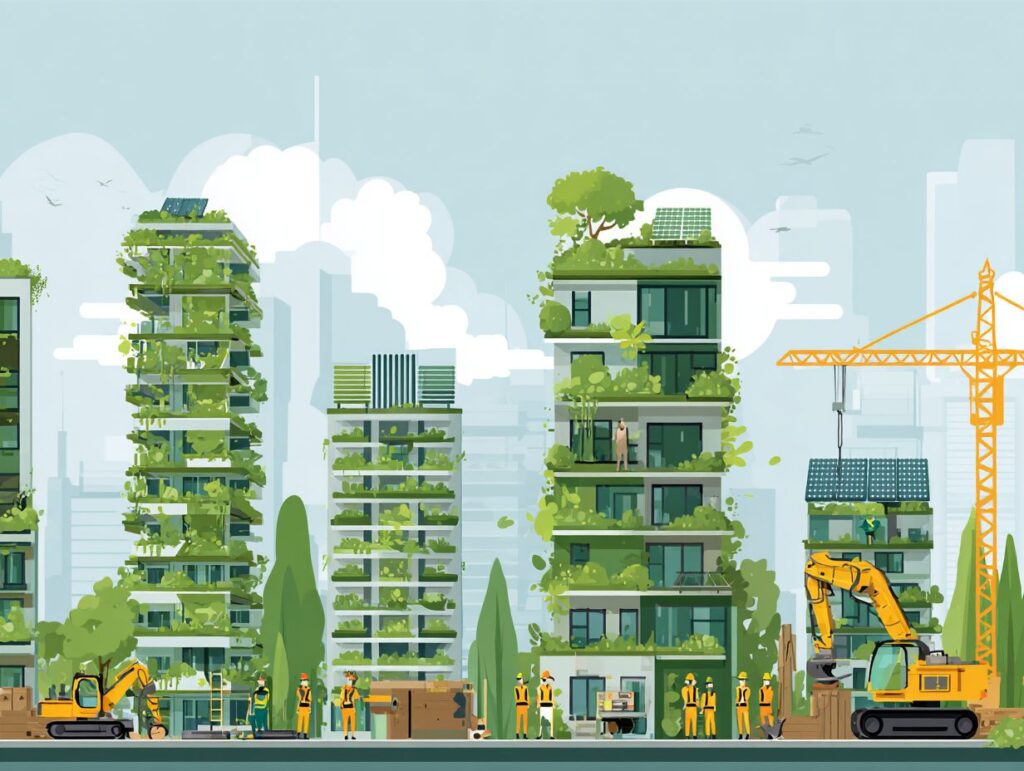
Addressing the affordable housing crisis necessitates innovative solutions and collaboration across various sectors to meet the increasing demand through real estate crowdfunding and fractional ownership.
One promising approach is real estate crowdfunding, which enables individuals to pool their resources for housing projects. Platforms such as Fundrise and RealtyMogul facilitate investments starting at $500, thereby making real estate investment accessible to a broader range of individuals.
Additionally, fractional ownership models permit multiple investors to co-own properties, thereby sharing both responsibilities and profits. A significant metric to consider is that crowdfunding has generated over $1 billion for affordable housing initiatives in recent years, underscoring its effectiveness.
By integrating such strategies, stakeholders can profoundly influence housing availability and affordability within their communities.
Regulatory Changes Impacting Development
Regulatory changes have a significant impact on property development trends, shaping the environment for both real estate agents and developers.
Recently, New York City has implemented laws mandating that new buildings achieve a 40% reduction in carbon emissions by the year 2030. This requirement has prompted developers to adopt innovative technologies, such as smart HVAC systems, which optimize energy usage and minimize waste.
The incorporation of renewable energy solutions, including solar panels, has become increasingly essential. Consequently, developers are now encountering heightened costs and extended timelines due to compliance requirements, which affect the overall feasibility and budgeting of their projects.
It is imperative for stakeholders to remain informed about these regulations to anticipate market shifts effectively and align their development strategies accordingly.
Future of Remote Work, Its Influence, and Tokenization
The emergence of remote work is significantly transforming property development, resulting in a heightened demand for flexible living spaces and innovative office solutions. Recent trends indicate that 53% of employees are willing to relocate for remote job opportunities, prompting developers to reconsider their layouts and amenities.
For example, contemporary properties frequently incorporate co-working spaces and high-speed internet access to accommodate the needs of the remote workforce. Additionally, multi-use developments that blend residential and office spaces are becoming increasingly popular.
This shift implies a future in which urban design will emphasize accessibility and versatility, potentially culminating in a 30% increase in mixed-use developments over the next five years.
Frequently Asked Questions
What are the top trends in property development for 2025?
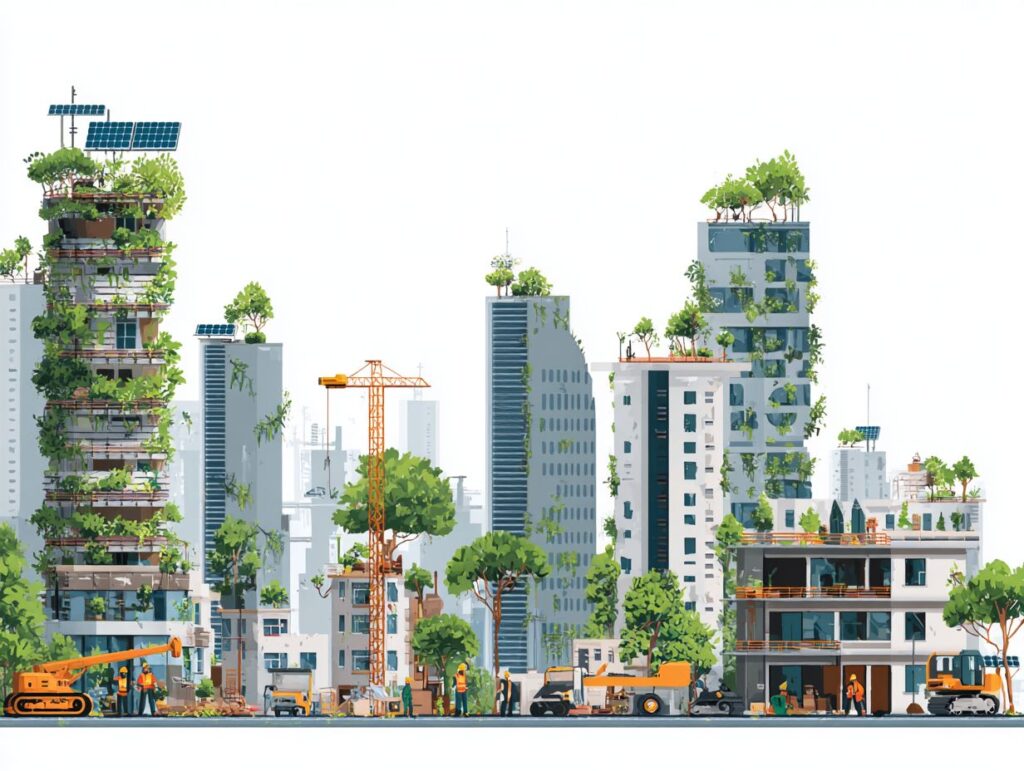
The top trends in property development for 2025 include sustainability, smart technology, mixed-use developments, affordable housing, and incorporating green spaces.
Why is sustainability a key trend in property development for 2025 and how does it relate to market trends?
Sustainability is a key trend in property development for 2025 because of the increasing focus on environmental concerns and the demand for eco-friendly buildings and practices.
What role does smart technology, including virtual reality and IoT, play in property development for 2025?
Smart technology, including PropTech and AI blockchain, plays a major role in property development for 2025 as it allows for more efficient, sustainable buildings, improved transaction security, and enhanced resident experience.
How are mixed-use developments, influenced by technology trends such as VR IoT and immersive experiences, changing the property development landscape in 2025?
Mixed-use developments are becoming more popular in 2025 as they offer a combination of residential, commercial, and retail spaces, making it convenient for residents to live, work, and shop in the same area, facilitated by PropTech and smart home technology.
What is the significance of affordable housing and investment strategies in property development for 2025?
Affordable housing is a major concern in 2025, with companies like Ascendix Tech and Zillow focusing on creating more affordable housing options to meet the growing demand and address the issue of housing affordability through innovative investment strategies and market analysis.
How are green spaces, enhanced by IoT and VR property tours, being incorporated into property development in 2025?
In 2025, green spaces such as parks, community gardens, and rooftop gardens are being included in property development projects to promote sustainability, improve air quality, and enhance the quality of life for residents, utilizing IoT for better management and Creative AVR for immersive experiences.