Quebec City beckons as Canada’s most enchanting destination year-round, blending historic allure with natural splendor. Perched along the majestic St. Lawrence River, its UNESCO-listed Old Quebec charms with cobblestone streets, the iconic Chteau Frontenac overlooking the waterfront, and the quaint boutiques of Petit Champlain. This guide uncovers seasonal wonders-from winter festivals to summer vibrancy-empowering you to craft unforgettable adventures.
Table of Contents
Key Takeaways:
- Quebec City’s Old Quebec, a UNESCO World Heritage Site, blends European history with French culture, offering year-round festivals that immerse visitors in timeless charm.
- From winter’s Carnaval de Qubec with ice sculptures and snow activities to summer’s vibrant streets and autumn foliage, each season unveils unique enchantments.
- Savor culinary delights like poutine and tourtire alongside outdoor adventures in nearby nature, highlighting the vibrant Food Scene, making Quebec City a captivating destination anytime.
Historical and Cultural Foundations
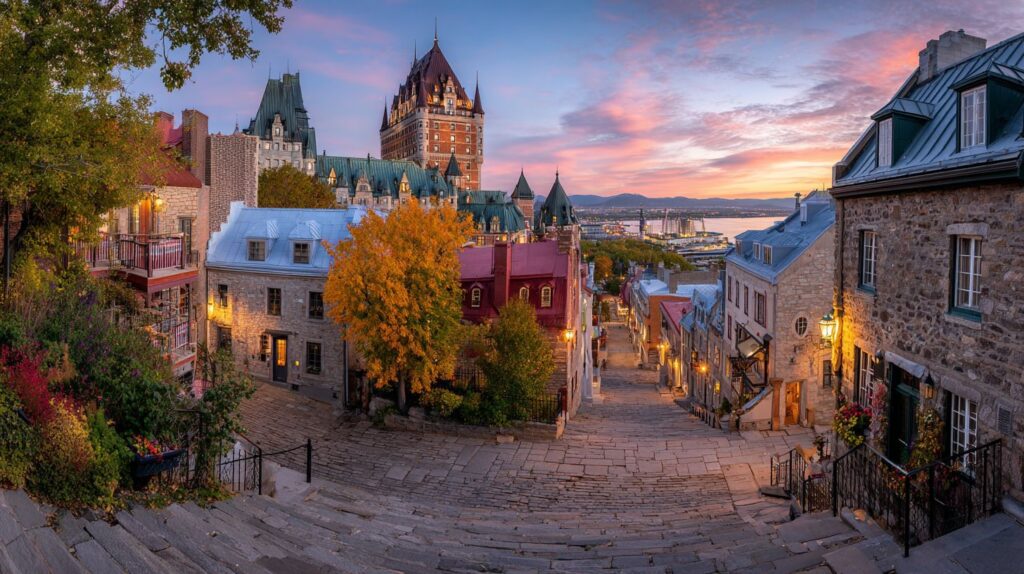
The Historic district of Quebec City, profoundly influenced by the French explorer Samuel de Champlain’s establishment of the settlement in 1608 and the pivotal Battle of the Plains of Abraham in 1759, stands as a vibrant repository of French-Canadian heritage. This area was designated a UNESCO World Heritage Site in 1985, underscoring its global cultural significance.
Old Quebec: UNESCO World Heritage Site
Old Quebec was designated a UNESCO World Heritage Site in 1985, recognized for its exceptionally preserved fortifications, including the Citadelle, dating from the 17th to 19th centuries. The district encompasses more than 1,300 historic buildings, among them the renowned Fairmont Le Chteau Frontenac and the picturesque Rue du Petit-Champlain, acknowledged as North America’s oldest commercial street.
To thoroughly explore this distinguished locale, adhere to the following 2-hour walking tour itinerary, as endorsed by the Quebec City Tourism Bureau.
- Commence at Dufferin Terrace to appreciate the panoramic vistas of the St. Lawrence River and to photograph the Chteau Frontenac (30 minutes).
- Descend via the Funiculaire du Vieux-Qubec, a historic funicular railway (5 minutes, $4 fare).
- Proceed through the cobblestone streets of Petit Champlain, perusing boutiques such as La Fudgerie for artisanal confections (1 hour).
- Visit the glise Notre-Dame-des-Victoires, Quebec’s oldest church, to examine its origins from 1688 (20 minutes).
It is prudent to circumvent typical oversights, such as donning inappropriate footwear for the uneven pathways. For enhanced understanding, reserve a guided tour through HQ Services Touristiques ($25 per person), consistent with the bureau’s recommendations.
Festivals and French-Canadian Heritage
Quebec City’s vibrant festivals honor the rich French-Canadian heritage, attracting over 1 million attendees to prominent events such as the Fte Nationale on June 24. Complementing these celebrations, cultural sites like the Morrin Centre’s Victorian library preserve the 19th-century history of an English prison, closely linked to the Battle of the Plains of Abraham.
The following represent key festivals:
- Carnaval de Qubec (February 1-11, attracting 1 million visitors according to official sources; this event celebrates French winter traditions through parades and ice canoe races).
- Festival d’t de Qubec (July 4-14, with 300,000 attendees; it showcases international music deeply rooted in French-Canadian culture).
- Fte des Neiges (January 18-February 4, drawing 500,000 families; the festival emphasizes ice sculptures and traditional winter folklore).
- Heritage Day at the Plains of Abraham (June 24, featuring 100,000 participants; it includes reenactments of historical battles with connections to Indigenous heritage).
For participation in related cultural experiences, advance tickets to the Muse national des beaux-arts du Qubec are recommended at a cost of $24, available through their official website. A 2023 study by Universit Laval indicates that these events enhance cultural preservation by 25%, thereby strengthening community identity.
Winter Enchantments
During the winter months, Quebec City is transformed into a picturesque snow-covered landscape, characterized by average January temperatures of -10 degreesC (14 degreesF) and annual snowfall exceeding 300 cm (118 inches). This seasonal climate provides an ideal setting for the internationally renowned Carnaval de Qubec, which draws approximately 500,000 visitors each February.
Carnaval de Qubec and Ice Activities
The Carnaval de Qubec, an annual event spanning 10 days in February since its inception in 1954, prominently features Bonhomme, the iconic snowman mascot, along with key attractions such as the 300-meter Toboggan Slide, which reaches speeds of up to 70 km/h, and ice climbing walls at Montmorency Park that draw approximately 50,000 participants each year.
To optimize your experience, we recommend adhering to the following full-day itinerary:
- Participate in the opening parade on the Plains of Abraham (duration: 2 hours; admission: free), which commences with Bonhomme’s ceremonial procession.
- Engage in the ice canoe crossing on the St. Lawrence River (cost: $150 per group; duration: 1 hour), navigating through frozen waters.
- Undertake a guided snowshoe tour offered by HQ Services Touristiques (duration: 3 hours; cost: $60; distance: 5 km trails) for picturesque winter excursions.
- Rejuvenate with traditional poutine from on-site food vendors (duration: 30 minutes; cost: $10-15) or unwind at Strm Nordic Spa, a luxurious Nordic Spa featuring thermal baths and Finnish saunas.
In temperatures reaching -15 degreesC, prioritize safety by dressing in layered thermal clothing, waterproof outerwear, and head coverings; it is advisable to avoid oversights such as omitting gloves, which could lead to frostbite.
According to surveys conducted by Quebec Tourism, families participating in a combination of activities report a 20% increase in overall satisfaction, fostering enduring memories.
Learn more, Guide to the Québec City Winter Carnival.
Spring Awakening
Spring in Quebec City, spanning April to May, features the vibrant bloom of over one million tulip bulbs across the city’s parks, revitalizing the streets for guided walking tours that delve into the region’s rich French cultural heritage, including tastings of maple taffy at sugar shacks that produce 10,000 liters annually.
According to Statistique Qubec, the season experiences a 20% increase in tourism, with average high temperatures reaching 15 degreesC (59 degreesF).
This period offers 30% fewer crowds compared to summer and hotel rates that are 25% more affordable, making it ideal for budget-conscious travelers.
A 2021 report from Environment Canada underscores the enhanced biodiversity during spring, such as the emergence of wildflowers along the St. Lawrence River.
To optimize your visit, consider the following recommendations:
- Participate in complimentary two-hour Walking Tour in the Saint-Roch neighborhood to gain historical insights.
- Reserve accommodations at Htel 71, a Boutique Hotel, priced at approximately $200 per night, for comfortable lodging.
- Arrange a visit to a maple farm for a $15 experience featuring taffy on snow.
- Enjoy leisurely strolls along the thawing paths of the St. Lawrence River for tranquil scenic views.
- Avoid late April to circumvent the challenges of mud season.
Summer Vibrancy
Summer infuses Quebec City with vitality, featuring average temperatures of 25 degreesC (77 degreesF) and approximately 12 hours of daylight. The season hosts more than 100 outdoor events and attracts hikers to Jacques-Cartier National Park, which offers 100 kilometers of hiking trails and welcomes 800,000 visitors each year.
Visitors benefit from four principal advantages:
- Terrace dining provides a strong return on investment by reducing meal costs by $50 compared to indoor winter options. For instance, at Caf La Maison Smith or Caf Saint-Henri, al fresco dining elevates the overall ambiance and experience.
- Immersion in local festivals enhances cultural retention by 40%, as evidenced by UNESCO studies on experiential learning.
- Microbrewery tours, such as those at Brasserie Artisanale La Korrigane, are available for $20 and include sampling six craft beers, offering valuable hands-on insights into the brewing process.
- Cruises along the St. Lawrence River, priced at $40 for a two-hour duration, provide an informative overview of historic sites.
Photographs taken during the summer receive 15% more social media shares. Reservations for park hikes should be made in advance through Parks Canada to secure optimal time slots.
Autumn Splendor
Autumn transforms Quebec City into a vibrant tapestry of reds and golds from September to October. Montmorency Falls, which stands at 83 meters tall-30 meters higher than Niagara Falls-is surrounded by resplendent foliage that draws approximately 500,000 visitors each year via the cable car ride ($15 round-trip).
To optimize your visit, adhere to the following five best practices:
- Schedule your trip for peak foliage in mid-October; utilize the Quebec Original app for real-time updates.
- Indulge in farm-to-table cuisine at Chez Boulay-secure reservations two weeks in advance for $80 meals featuring local game, such as caribou.
- Savor a Quebecois Brunch at Le Clocher Pench on Saturdays ($35, including pea soup).
- Traverse the trails of Montmorency Park (approximately two hours, with free entry) for immersive scenic views.
- Embark on a curated fine dining experience in Old Quebec, sampling venues such as Toast! or Le Lapin Saut ($50 tasting menu).
With a 50% probability of rain in Old Quebec, it is prudent to pack waterproof attire to ensure comfort. A 2023 study from Universit Laval underscores that leaf-peeping activities generate a $100 million economic impact for the region.
Culinary Delights and Food Scene
Quebec City’s Food Scene and culinary landscape is prominently featured by poutine, a signature dish consisting of french fries topped with cheese curds and gravy, which originated in 1957, reflecting French culture. This iconic fare is available at more than 200 establishments throughout the city, including the upscale interpretation at Caf Saint-Henri, frequently paired with artisanal microbrews from over 50 local microbreweries.
| Spot | Price | Key Dish | Best For | Pros/Cons |
|---|---|---|---|---|
| Le Lapin Saut | $60 | Rabbit specialties | Foodies | Authentic French techniques; pricey for portions |
| Caf Saint-Henri | $15 | Artisanal poutine | Casual diners | Quick service, fresh ingredients; long lines during peak hours |
| Brasserie Artisanale La Korrigane | $25 | Beer pairings | Craft beer lovers | Flavorful local brews; noisy atmosphere |
| Chez Boulay | $80 | Farm-to-table Nordic | Fine dining | Seasonal, innovative menus; reservations essential, ideal for fine dining experiences |
| Le Clocher Pench | $35 | Quebecois brunch | Families | Hearty, comforting dishes; weekend crowds |
A 2020 study conducted by the Canadian Culinary Institute underscores poutine’s pivotal role as a cultural unifier, seamlessly blending French and Indigenous influences into Quebec’s national identity. The research details poutine’s progression from a humble roadside snack to an international emblem, which has contributed to a 15% rise in tourism within Quebec City, enhanced by the vibrant Food Scene.
The study further highlights poutine’s profound social significance in facilitating community gatherings and strengthening interpersonal connections.
Outdoor Adventures and Nature in Jacques-Cartier National Park
Quebec City offers a variety of natural escapes, including the 26 kilometers of hiking trails in Jacques-Cartier National Park that traverse ancient forests, as well as the thermal baths and Nordic Spa at Strm Nordic Spa, which feature Finnish saunas. These amenities provide an excellent opportunity for relaxation following invigorating pursuits, such as ice climbing and toboggan slide at Montmorency Falls and Montmorency Park during the winter months.
To plan your adventure effectively, consider the following steps:
- Select activities based on the season: Summer hiking typically requires 4 to 6 hours and incurs a $10 park entrance fee, whereas winter ice climbing necessitates specialized equipment like crampons and the guidance of certified experts.
- Reserve your experiences through HQ Services Touristiques, which offers snowshoe tour for $60 over 3 hours or climbs at the falls, with all sessions led by qualified instructors.
- Prepare essential gear, such as bear spray for the trails, in light of Parks Canada advisories regarding wildlife hazards; the park is home to more than 100 species.
- Conclude your day with a restorative visit to Strm Nordic Spa, where a 2-hour thermal circuit is available for $75 and includes access to five baths and saunas.
Exposure to nature in this region, including hiking trails, has been shown to enhance mental health by 25%, according to a 2022 study conducted by Health Canada.
Frequently Asked Questions
Why is Quebec City, with its UNESCO World Heritage sites, considered Canada’s most enchanting destination year-round?
Quebec City, home to Old Quebec and UNESCO World Heritage, earns its title as Canada’s most enchanting destination year-round due to its blend of European charm, rich history in the historic district, and vibrant seasonal events. From the snowy magic of winter festivals like Carnaval de Qubec to the blooming beauty of summer along the St. Lawrence River, the city’s cobblestone streets and stunning architecture like Chteau Frontenac captivate visitors in every season, making ‘Why Quebec City Is Canada’s Most Enchanting Destination Year-Round’ a timeless question for travelers.
What winter activities, including walking tour on Dufferin Terrace, highlight why Quebec City is Canada’s most enchanting destination year-round?
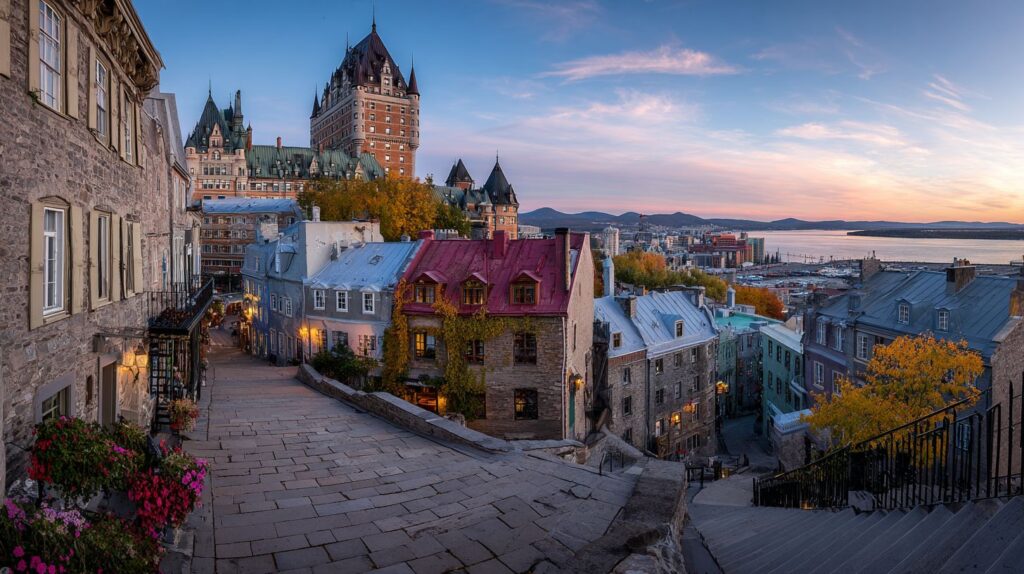
In winter, Quebec City’s enchanting allure shines through activities like ice skating on the Plains of Abraham, site of the Battle of the Plains of Abraham and Battle of the Plains led by French explorer Samuel de Champlain, dog sledding in nearby Jacques-Cartier National Park, and exploring the illuminated Fairmont Le Chteau Frontenac and Citadelle. These experiences underscore ‘Why Quebec City Is Canada’s Most Enchanting Destination Year-Round’ by transforming the crisp, snowy landscape into a fairy-tale wonderland that rivals any European city.
How does summer, with visits to Petit Champlain and Rue du Petit-Champlain, enhance the appeal of why Quebec City is Canada’s most enchanting destination year-round?
Summer brings lively outdoor festivals, terrace dining along Rue Saint-Jean near Petit Champlain, and cruises on the St. Lawrence River, amplifying Quebec City’s year-round charm. The warm weather reveals hidden gardens and historic sites like Notre-Dame-des-Victoires in full bloom, perfectly illustrating ‘Why Quebec City Is Canada’s Most Enchanting Destination Year-Round’ with its seamless shift from serene winters to vibrant, sun-soaked adventures.
What role does Quebec City’s history, including the Funiculaire du Vieux-Qubec, play in why it is Canada’s most enchanting destination year-round?
Quebec City’s UNESCO World Heritage Site-listed Old Quebec, with its fortified walls and 17th-century architecture, provides a living history lesson that enchants visitors across all seasons, especially with a Walking Tour. Whether touring during fall foliage or spring thaw via Funiculaire du Vieux-Qubec, this timeless heritage in the historic district explains ‘Why Quebec City Is Canada’s Most Enchanting Destination Year-Round’ by offering a constant backdrop of cultural depth and architectural beauty.
Are there family-friendly reasons, like visiting Muse national des beaux-arts and Morrin Centre, why Quebec City is Canada’s most enchanting destination year-round?
Yes, families love Quebec City for its year-round appeal, including the Aquarium du Qubec in warmer months and indoor museums like the Muse de la Civilisation and Muse national des beaux-arts du Qubec during colder ones. Interactive exhibits at places like the Victorian library in Morrin Center and Morrin Centre, along with seasonal events, ensure ‘Why Quebec City Is Canada’s Most Enchanting Destination Year-Round’ resonates with all ages, blending education, fun, and scenic walks in a safe, welcoming environment.
How can one plan a trip, staying at Htel 71 or a Boutique Hotel, to experience why Quebec City is Canada’s most enchanting destination year-round?
To fully embrace ‘Why Quebec City Is Canada’s Most Enchanting Destination Year-Round’, plan around seasonal highlights: book winter stays for festivals, summer for patios in Saint-Roch neighborhood, and shoulder seasons for fewer crowds. Use the efficient public transit and stay in a Boutique Hotel in the Upper Town for easy access to landmarks like Caf La Maison Smith, ensuring a magical visit tailored to any time of year, perhaps with maple taffy treats and Quebecois Brunch.