Rail freight is emerging as a cornerstone of the North American rail freight market, offering a cost-effective alternative for freight transportation, particularly in key sectors such as oil and gas, mining, and chemicals. With significant expansion in logistics and shipping capabilities, including partnerships like Uber Freight and the operations of Class I rail and Class II rail companies, it’s essential to understand its unique cost structures and benefits. This complete guide will equip you with the knowledge needed to navigate the complexities of rail freight, ensuring efficient, reliable, and sustainable rail freight solutions for your business.
Table of Contents
Key Takeaways:
- Rail freight is an efficient and cost-effective transportation method for freight logistics, with benefits including reduced costs and environmental impact.
- There are different types of rail freight services, such as containerized and bulk freight, and intermodal services, which offer flexibility and customization for different cargo needs, making it an attractive proposition for logistics providers.
- To overcome challenges in rail freight, such as infrastructure limitations and regulatory issues within the national rail network, technological innovations and sustainability initiatives are shaping the future of this industry.
Definition and Overview
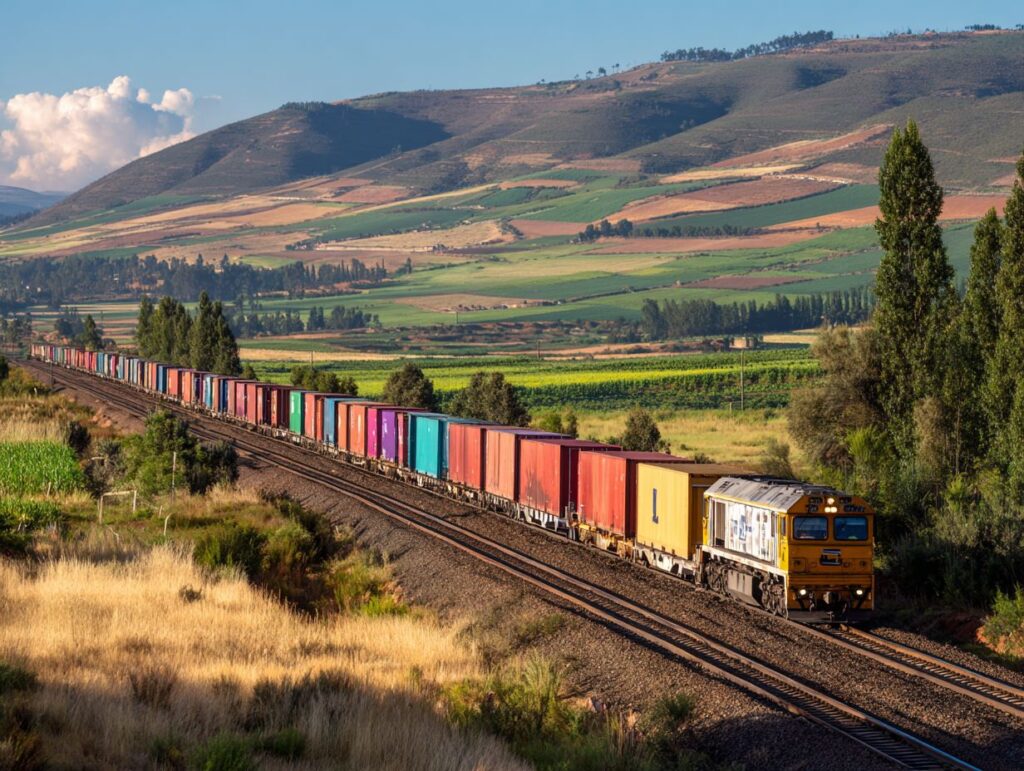
Rail freight refers to the transportation of goods via trains over considerable distances, making it a preferred choice for bulk commodities like coal and wheat, with a primary emphasis on the movement of bulk cargo, including agricultural produce, industrial materials, and consumer goods.
The origins of rail freight can be traced back to the Industrial Revolution, which significantly enhanced the efficiency of transportation and trade. In the present day, companies such as Union Pacific and Norfolk Southern lead the market, employing advanced logistics systems to optimize transportation routes.
Rail transportation plays a vital role in the supply chain, accounting for approximately 40% of the nation’s heavy cargo freight tonnage. For example, coal, which is essential for powering a substantial portion of the electricity grid, is predominantly transported via rail.
Moreover, rail freight is environmentally advantageous, as it emits less CO2 per ton-mile compared to trucking, thereby increasing its relevance in the context of sustainable logistics practices.
Benefits of Rail Freight
Rail freight presents numerous advantages compared to Over-The-Road trucking and other transportation methods, particularly in terms of cost-efficiency and reduced environmental pollution.
These factors make it a highly attractive option for logistics providers, especially for high-capacity shipping guide requirements.
Cost-Effectiveness
Utilizing rail freight can significantly reduce transportation costs, with average freight costs ranging from $0.02 to $0.05 per ton-mile, in contrast to approximately $0.10 for trucking.
For instance, shipping 1,000 tons of coal via rail could incur costs between $20,000 and $50,000, depending on the distance traveled. In comparison, using trucking for the same load over an equivalent distance could result in expenses of up to $100,000.
These cost savings arise from rail’s capacity to transport larger quantities simultaneously, thereby effectively distributing fixed costs across more tonnage.
Consequently, for bulk commodities, such as agricultural products and chemicals, rail freight presents a favorable option, enhancing profitability while also reducing environmental impact.
Environmental Impact
Rail freight has the potential to reduce greenhouse gas emissions by as much as 75% in comparison to trucking, establishing it as a more sustainable option for the transportation of goods. This substantial reduction is supported by studies from the Federal Railroad Administration, which indicate that rail transport consumes approximately one-third less energy per ton-mile than road transport.
Prominent rail companies, such as Union Pacific and CSX, are actively implementing green initiatives, including the transition to fuel-efficient locomotives and the optimization of train schedules to reduce idle time.
The adoption of renewable energy sources for their operations has also become increasingly common, further enhancing their sustainability efforts. These initiatives not only decrease carbon footprints but also enhance environmental friendliness, contributing positively to corporate social responsibility objectives.
Types of Rail Freight Services
Rail freight includes a range of services tailored to meet diverse shipping requirements, encompassing both containerized and bulk freight, as well as intermodal transportation options.
Containerized Freight
Containerized freight employs standardized containers to facilitate efficient loading, unloading, and transport, thereby enabling seamless movement between rail and truck systems. This system is essential for global trade, as it significantly reduces both shipping times and costs.
For instance, a standard 20-foot container can accommodate approximately 33 cubic meters or 1.1 tons of goods. Intermodal freight systems enhance operational efficiency by allowing a single container to be transferred between ships, trucks, and trains without the need for repacking.
Typically, shipments can reach their destinations within a timeframe of 10 to 30 days, depending on the distance involved. The implementation of GPS tracking technology enhances visibility during transit, enabling businesses to monitor their shipments in real-time.
Bulk Freight
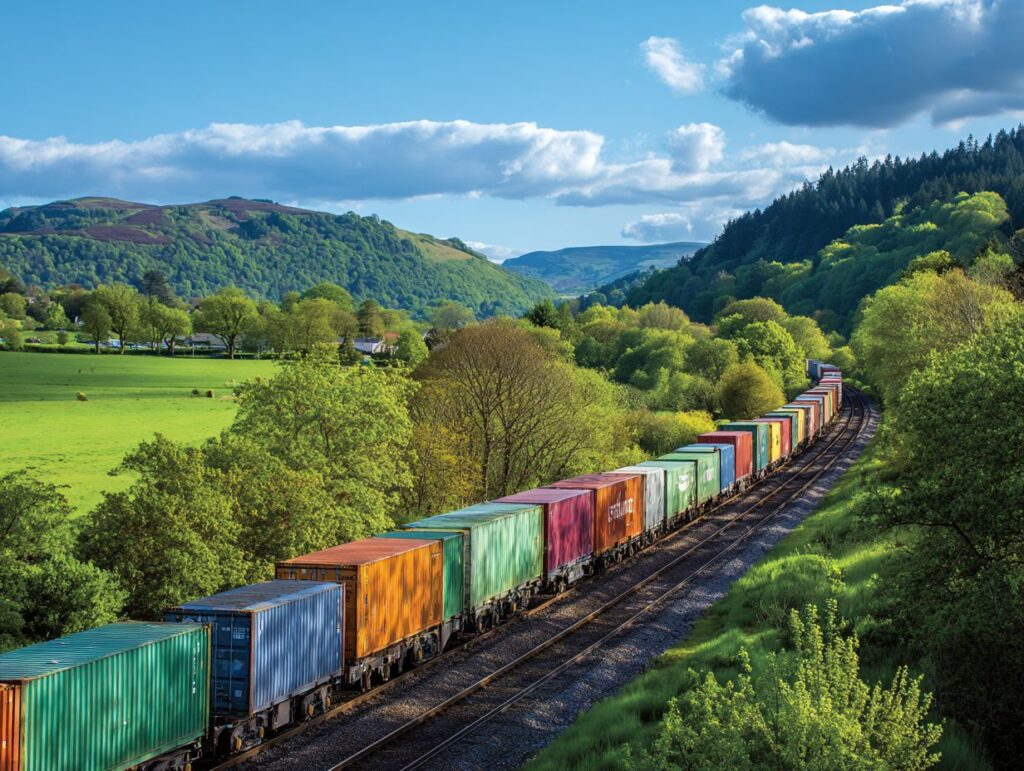
Bulk freight refers to the transportation of substantial quantities of unpackaged commodities, such as hazardous materials and building materials, such as coal, wheat, and chemicals, which often necessitate the use of specialized railcars.
Railways utilize various types of railcars for bulk freight operations. For example, hopper cars are particularly suited for transporting loose materials such as coal and grain, with capacities typically ranging from 70 to 100 tons. In contrast, tank cars are specifically designed for liquid transport, accommodating volumes between 15,000 and 30,000 gallons of chemicals or petroleum products.
During the loading and unloading processes at freight terminals, such as transloading points, it is essential to ensure that the equipment is appropriately matched to the type of cargo being handled. Generally, automated systems are employed to enhance efficiency, thereby minimizing downtime and optimizing workflows, which is critical for systematically managing large volumes of freight.
Intermodal Services
Intermodal services integrate multiple modes of transportation, leveraging rail for long-haul segments and trucks for final delivery, thereby enhancing flexibility in freight logistics, particularly in the integration of rail transportation with long-haul trucking.
This approach significantly reduces costs and transit times. For example, rail transportation can decrease shipping expenses by as much as 40% compared to relying solely on road transport.
A notable instance of this method in action is the partnership between Union Pacific and Schneider, where containerized cargo is transported efficiently from West Coast ports to Midwest terminals, achieving delivery in less than five days.
The implementation of technologies such as GPS tracking allows for real-time updates, optimizing routes and improving customer satisfaction. By integrating these systems, companies can streamline their operations, minimize delays, and enhance service reliability.
Rail Freight Operations
Effective rail freight operations depend on the meticulous coordination of loading, unloading, and scheduling processes to ensure the timely delivery of goods.
Loading and Unloading Processes
Loading and unloading in rail freight represent critical processes that necessitate specialized equipment and procedures, particularly at freight terminals where transloading takes place.
Efficient railcar loading and unloading, especially for contract rail freight, require strict adherence to safety protocols, including the consistent use of appropriate personal protective equipment (PPE) and the implementation of locking mechanisms to secure containers effectively.
It is essential to utilize equipment such as forklifts and conveyors, ensuring that these tools are regularly maintained to prevent any potential breakdowns that could disrupt operations.
Terminal congestion at key freight terminals may present challenges; therefore, it is advisable to schedule arrivals during off-peak hours and to implement real-time tracking systems to enhance operational efficiency.
Furthermore, train operators should maintain close coordination with terminal staff to balance the workload, thereby avoiding bottlenecks and improving overall operational fluidity.
Routing and Scheduling
Routing and scheduling play a critical role in rail freight logistics, necessitating meticulous planning to optimize the utilization of the rail network and fulfill delivery requirements.
Employing advanced scheduling software, such as Railinc or Transportation Management Systems (TMS), facilitates real-time data analysis and knowledge-based decision making. For example, Railinc’s Software-as-a-Service (SaaS) solutions enhance visibility into the locations of railcars and improve operational efficiencies, ensuring that delivery requirements are consistently met.
The application of optimized routing algorithms has been shown to significantly decrease transit times; one study indicated a 15% enhancement in delivery schedules when such algorithms were implemented.
Furthermore, by integrating predictive analytics to foresee potential delays, rail companies can proactively adjust their routes, thereby ensuring timely deliveries and upholding customer satisfaction.
Challenges in Rail Freight
Despite its advantages, rail freight and intermodal transportation encounter numerous challenges that can impede their effectiveness and reliability within the transportation sector.
Infrastructure Limitations
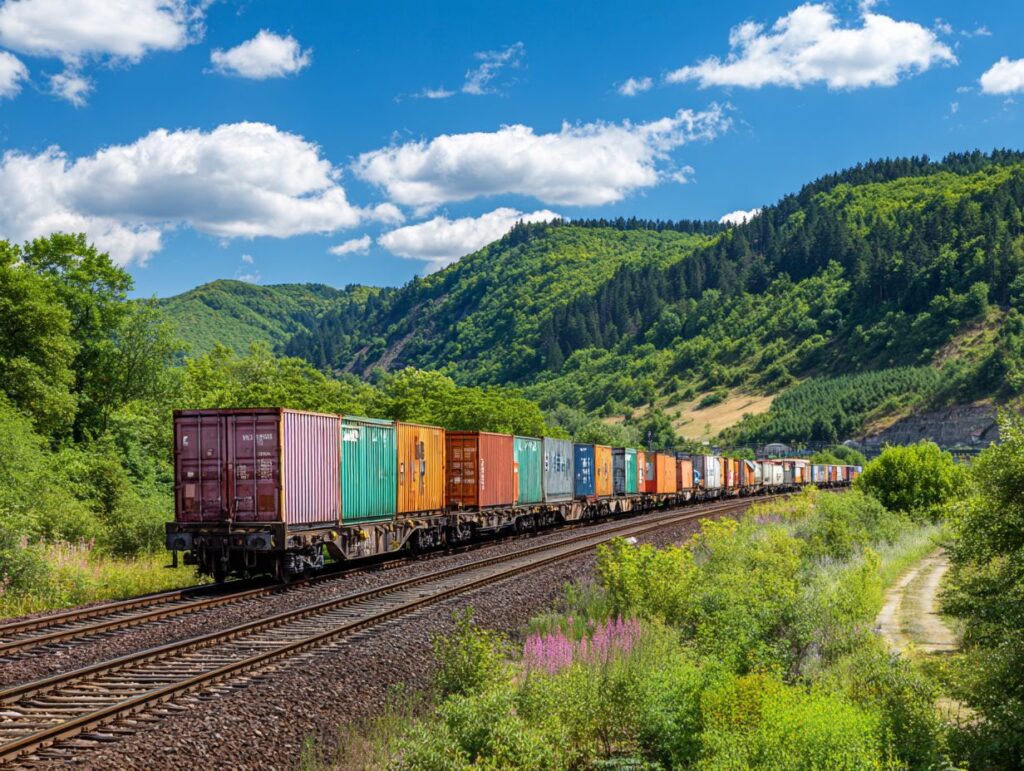
Infrastructure limitations, such as outdated rail networks and insufficient freight terminals, can significantly affect the efficiency and costs associated with rail freight operations.
To address these challenges, federal funding can provide essential resources for the modernization of North American rail systems. For example, the Infrastructure Investment and Jobs Act allocated $66 billion specifically for rail freight shipping improvements.
Collaborations with logistics providers can further optimize freight terminal operations; companies like Amazon have successfully partnered with regional railroads to enhance delivery efficiencies, making the process reliable and efficient.
Investing in advanced technologies, such as real-time tracking systems, allows rail networks to improve service reliability and reduce turnaround times, especially in the transportation of bulk cargo. These strategies not only enhance operational efficiency but also contribute to lower logistics costs for freight companies.
Regulatory Issues
Rail freight operations, including Class I rail operations, are frequently governed by intricate regulatory frameworks that can complicate scheduling and elevate operational costs. Key regulatory bodies, such as the Federal Railroad Administration (FRA) and the Surface Transportation Board (STB), establish rules that have a direct impact on service providers in North American rail.
For example, the FRA requires regular safety inspections and adherence to environmental standards, which in turn affects maintenance schedules and financial allocations, impacting freight costs.
A case study involving CSX Transportation demonstrates the implications of such regulations: following a regulatory update that mandated additional crew training, the company experienced a 15% increase in operational costs, highlighting the need for tools like Uber Freight to optimize logistics.
To effectively manage these challenges, freight operators may consider utilizing compliance management software, such as ComplianceMate, which enhances regulatory adherence while optimizing scheduling processes.
The Future of Rail Freight
The future of rail freight is being significantly influenced by advancements in technology and sustainability initiatives that aim to enhance service efficiency while minimizing environmental impacts.
Technological Innovations
New technologies such as predictive analytics, real-time tracking systems, and automated railcars are transforming rail freight operations. For instance, organizations like CSX leverage predictive analytics to forecast demand and optimize their schedules, leading to cost reductions through enhanced asset utilization.
BNSF Railway has implemented real-time tracking systems that enable precise monitoring of cargo, which improves customer service and minimizes delays. Additionally, automated railcars, such as those developed by Siemens, streamline operations by reducing reliance on manual labor and enhancing safety, particularly benefiting Class II rail and Class III rail operators.
Collectively, these innovations contribute to more efficient logistics and substantial savings in operational expenses.
Sustainability Initiatives
Rail freight companies are increasingly implementing sustainability initiatives designed to reduce their carbon footprint and enhance energy efficiency.
Key initiatives include the introduction of biodiesel locomotives, which have the potential to decrease greenhouse gas emissions by up to 30% in comparison to traditional diesel engines. Companies such as BNSF Railway have adopted energy-efficient railcars that are 10-15% lighter, significantly improving fuel efficiency.
Additionally, numerous operators are investing in regenerative braking systems that capture energy during braking to power onboard systems. A case study involving Canadian National Railway illustrates a successful transition to renewable energy sources, leading to a 20% reduction in emissions over a three-year period.
Learn more, The future of rail transport
Frequently Asked Questions
What is Rail Freight?
Rail freight is a method of transporting goods using trains. It involves loading cargo onto specially designed rail cars and transporting them to their destination.
How is rail freight different from other methods of transportation?
Rail freight offers a more efficient and cost-effective option for transporting large, heavy, or bulk items in large quantities. Compared to road or air transportation, rail freight can handle larger loads and has lower fuel costs.
What types of cargo can be transported by rail freight, including intermodal containers and automotive vehicles?
Rail freight can transport a wide range of goods, including raw materials, finished products, and even hazardous materials, making it ideal for industries such as mining and chemicals. From cars and machinery to food and consumer goods, rail freight can handle various types of cargo.
What are the benefits of using rail freight for cargo transportation?
Rail freight offers several advantages, including cost savings, reliability, and reduced carbon emissions, and is often considered more sustainable than Over-The-Road trucking. It also has a higher capacity for carrying heavy or bulky items, making it an ideal option for businesses with large shipments.
How does rail freight contribute to a more sustainable transportation system?
Rail freight is known for its eco-friendliness and contributes to a more sustainable transportation system by reducing carbon emissions and traffic congestion on roads. It also plays a crucial role in reducing the overall carbon footprint of the transportation industry.
Are there any disadvantages to using rail freight for cargo transportation?
One potential downside of rail freight is that it may not be suitable for transporting time-sensitive or perishable goods, such as pharmaceuticals. Additionally, access to rail lines may be limited in some areas, making it less convenient for certain businesses and locations.