Printing costs can accumulate rapidly, particularly concerning ink and toner, which are frequently overlooked in budgeting considerations. Understanding the factors that influence these expenses is essential for reducing costs without sacrificing quality. Implementing practical strategies to minimize usage and exploring alternative options can facilitate significant savings. Furthermore, regular maintenance of your printer will ensure optimal performance while remaining cost-effective. It is time to enhance your printing practices by using eco-friendly fonts like Garamond to reduce ink usage.
Table of Contents
Key Takeaways:
- Understand the factors that affect printing costs to better manage and reduce expenses.
- Explore alternative options for ink and toner, such as remanufactured cartridges or bulk purchasing, to save money without sacrificing print quality.
- Choose the right printer and practice proper maintenance to ensure longevity and efficient use of ink and toner.
The Cost of Printing: Understanding Ink and Toner Expenses with Printer Subscription Options
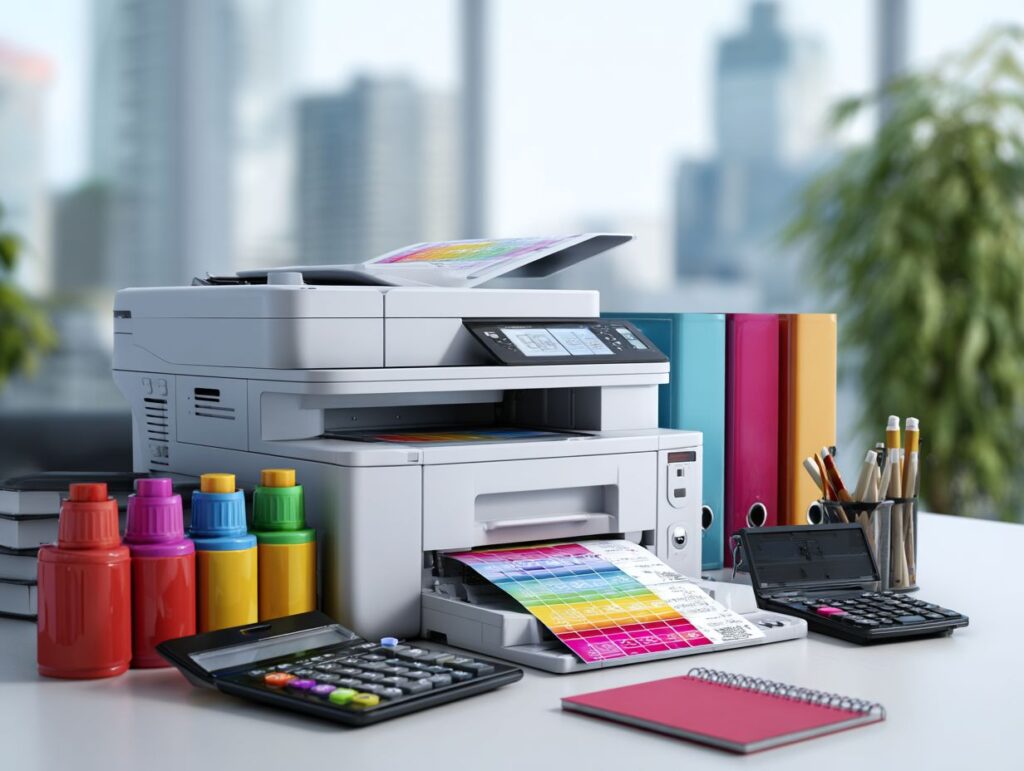
Comprehending the costs associated with printing is crucial for both individuals and businesses, as it includes various expenses related to consumables such as ink and toner, as well as the selection of printers.
Factors including the printer model, the type of ink or toner utilized, and the printing settings can significantly affect overall printing expenses. For example, opting for high-yield cartridges or selecting refillable ink options can lead to considerable cost savings over time.
Additionally, choosing between ink-efficient printers, such as HP’s EcoTank, and traditional LaserJet models can further mitigate costs and reduce environmental impact, thereby emphasizing the importance of making informed decisions.
Factors that Affect Printing Costs
Several factors can significantly influence printing costs, including the choice of printer, the type of ink or toner utilized, and the specific printer settings selected. Each printer model, such as HP, Epson, or Canon, incurs different costs for ink or toner, which may vary depending on whether users opt for high-yield cartridges or refillable ink options.
Additionally, print quality settings, such as draft mode or grayscale printing, can affect ink consumption, thereby impacting overall expenses.
For instance, while the initial purchase price of a printer may appear attractive, it is crucial to consider the long-term costs associated with ink or toner replacement. In commercial environments where high-volume printing is standard, selecting a printer renowned for its efficiency can yield substantial savings over time.
Furthermore, user habits, such as printing documents in color instead of black and white or opting to print multiple pages per sheet, can contribute to fluctuations in overall printing expenditures.
Understanding these dynamics enables both consumers and businesses to make informed decisions that align with their printing requirements and budgetary constraints.
Ways to Save Money on Ink and Toner
There are several strategies available to reduce costs associated with ink and toner, which can be advantageous for both residential users and businesses, including using print quality settings like draft mode and grayscale printing.
Implementing practices such as utilizing smart printing techniques, enrolling in printer subscription services like HP Instant Ink, and selecting compatible or remanufactured cartridges can result in substantial savings.
Additionally, recycling cartridges and adopting measures to minimize ink consumption-such as adjusting printer settings to draft mode or utilizing grayscale printing-can significantly decrease overall printing expenses while still ensuring satisfactory print quality.
Tips for Reducing Ink and Toner Usage
Reducing ink and toner consumption can be effectively achieved through a variety of practical strategies designed to conserve resources and lower costs, including the use of smart printing techniques and eco-friendly fonts like Century Gothic.
By exploring these options, both individuals and organizations can promote more sustainable printing practices. For example, utilizing online proofing tools can significantly reduce the need for physical printing, while configuring default print settings on office printers can enhance operational efficiency.
Organizations may also consider investing in high-yield cartridges or refillable ink systems, which can yield considerable savings over time. Furthermore, promoting double-sided printing not only reduces paper usage by half but also optimizes ink application.
Each of these techniques plays a crucial role in enhancing print efficiency, aligning with broader environmental initiatives aimed at minimizing waste and supporting sustainable resource management.
Alternative Options for Ink and Toner
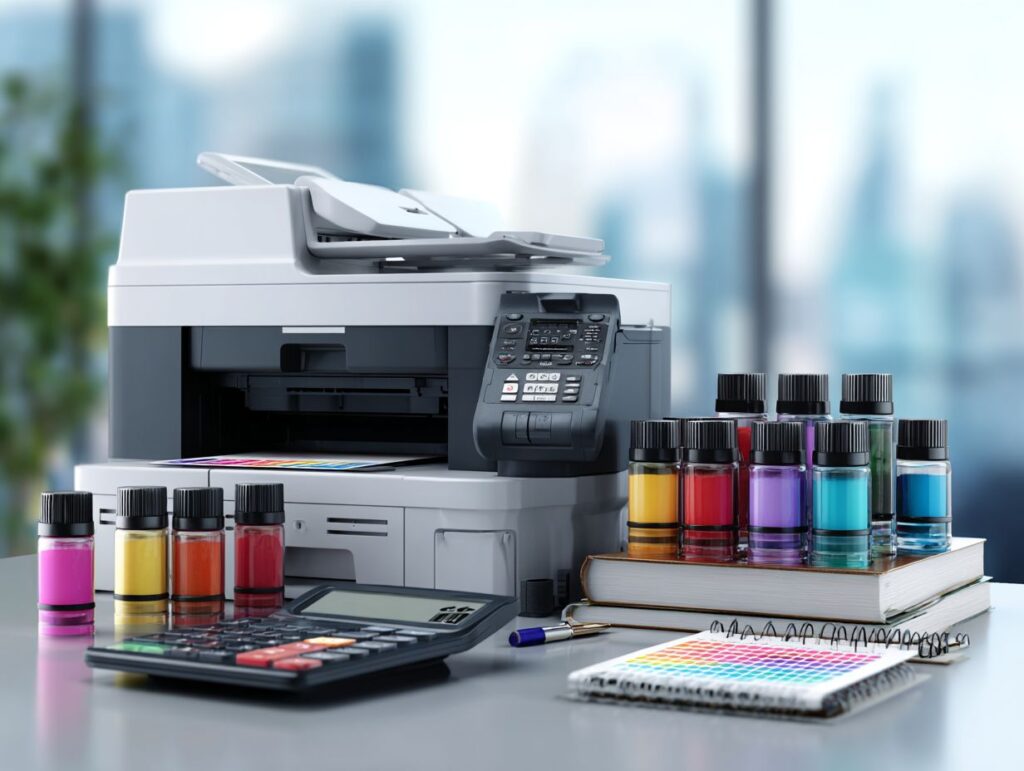
There are several alternative options available for ink and toner that can provide cost benefits without compromising print quality. High-yield cartridges offer increased ink capacity at a lower cost per page, while compatible and remanufactured cartridges present budget-friendly alternatives for users aiming to reduce expenses.
Refillable ink systems and programs such as HP Instant Ink enable automatic replenishment and often result in more economical printing solutions over time.
Additionally, users may explore the advantages of eco-friendly ink options, which not only contribute to cost savings but are also more environmentally sustainable. These alternatives frequently utilize recycled materials, thereby minimizing overall waste.
Bulk ink purchases can lead to substantial savings, particularly for businesses with high-volume printing requirements. By considering these diverse strategies, individuals can effectively reduce their printing costs while maintaining efficiency and quality in their projects.
Thoroughly reviewing various brands and their offerings can facilitate knowledge-based decision making that aligns with both budgetary constraints and printing needs.
Maximizing Print Quality while Saving Money
Maximizing print quality while effectively managing costs presents a challenge for many users; however, it is entirely attainable with the appropriate strategies.
The selection of a suitable printer, whether it be an ink-efficient model from Epson or a high-yield ink system from HP, is critical in achieving both quality and economic efficiency.
Additionally, employing intelligent printing practices-such as adjusting printer settings for optimal performance and selecting the appropriate media-can ensure high-quality prints while minimizing costs.
Choosing the Right Printer and Ink/Toner
Selecting the appropriate printer and corresponding ink or toner is critical for achieving cost-effectiveness and exceptional print quality, especially when opting for Energy Star certified models. Users should consider models specifically designed for efficiency, such as HP’s EcoTank or Canon’s ink-efficient printers, which accommodate high-yield cartridges to reduce ongoing expenses.
Evaluating various options from reputable brands, including Epson and HP, will aid users in determining the ideal combination for their printing requirements.
In the assessment of different printers, it is important to explore features such as print resolution, speed, and versatility in handling various media types, as well as considering printer choice for ink-efficient printers.
Print quality is particularly vital for individuals who depend on clear text and vibrant images, both of which can be affected by the type of ink or toner utilized.
It is advisable to review the total cost of ownership, taking into account not only the initial purchase price but also the ongoing costs associated with ink or toner replacement. Inkjet models, such as those offered by Brother, may be particularly suitable for photo printing enthusiasts, while laser printers are often better suited for high-volume office environments.
Ultimately, a comprehensive understanding of these criteria will enable users to make informed decisions that effectively balance performance and budgetary considerations.
Proper Maintenance and Care for Printers
Proper maintenance and care for printers are essential for sustaining their performance and longevity while ensuring high print quality, including techniques like store ink in a cool, dry place.
Regular cleaning of printer components, utilizing appropriate storage methods for ink, and recycling cartridges can prevent malfunctions and enhance the overall printing experience.
Additionally, educating users on minimizing unnecessary printing and optimizing printer settings can lead to improved efficiency and reduced operational costs.
Beyond these fundamental practices, conducting routine inspections of printers can aid in identifying potential issues before they escalate. For instance, checking for paper jams, worn-out rollers, and ensuring that print heads are free of debris can significantly enhance the operational efficiency of the printer.
Moreover, employing eco-friendly techniques, such as utilizing double-sided printing and selecting suitable print quality settings, not only conserves resources but also demonstrates a commitment to environmental responsibility.
By promoting a comprehensive understanding of printer care among users, both businesses and individuals can optimize their printing processes while simultaneously reducing their carbon footprint.
Long-Term Strategies for Saving on Ink and Toner
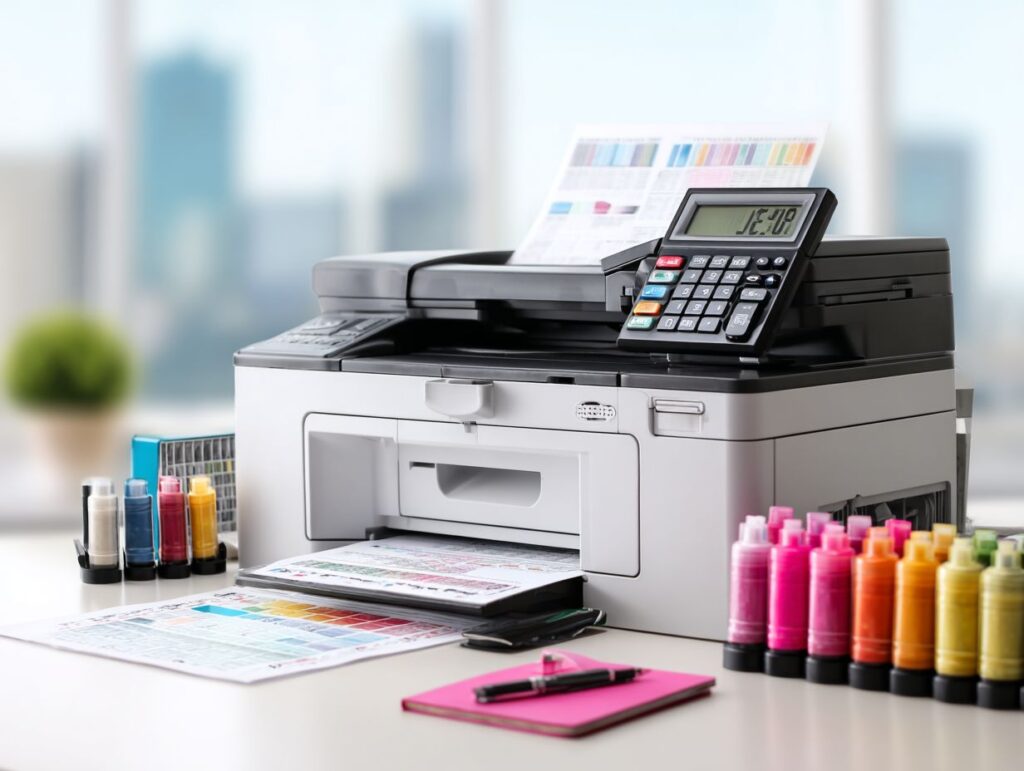
Implementing long-term strategies for conserving ink and toner can yield considerable financial advantages over time, making it imperative for both individuals and businesses to establish a comprehensive budget.
By accurately forecasting printing requirements and considering printer subscription services that provide discounted rates, users can effectively manage their expenses.
Furthermore, actively reducing ink and toner consumption and consistently applying cost-saving measures will help ensure that printing costs remain manageable in the long term.
Creating a Budget for Printing Expenses
Establishing a budget for printing expenses is essential for effectively managing costs and ensuring resources are allocated efficiently. By evaluating historical printing costs, individuals and organizations can forecast future expenses and identify opportunities for savings, such as minimizing ink consumption or selecting high-yield compatible cartridges.
Integrating budgetary considerations into long-term strategies can facilitate cost savings while preserving necessary print quality.
To formulate a comprehensive budget, it is imperative to begin by meticulously tracking all current printing costs. This includes not only expenses related to materials such as paper and ink but also maintenance and operational costs associated with printers.
Setting realistic limits based on this data will assist in controlling overspending. Anticipating future requirements necessitates an analysis of usage trends, which can inform decisions regarding potential investments in more efficient printing technologies.
By regularly reviewing and adjusting the budget, one can ensure that it remains aligned with evolving demands and organizational objectives.
Implementing Cost-Saving Measures in the Office
Implementing effective cost-saving measures within the office environment can significantly reduce printing expenses while promoting environmentally sustainable practices. Strategies such as minimizing unnecessary printing through digital document management, adopting advanced printing techniques, and recycling cartridges, like remanufactured cartridges, can contribute to sustainable savings.
Cultivating a culture of awareness regarding printing habits among employees can further enhance cost-effectiveness and support the organization’s objectives. Encouraging the use of EcoTank and LaserJet printers can also aid in reducing costs.
Transitioning to digital signatures can eliminate the necessity for printing documents entirely, thereby streamlining processes and saving valuable time. Additionally, encouraging the use of shared digital spaces in lieu of producing physical copies for meetings can further reduce costs.
It is also advantageous to regularly evaluate printing workflows and assess which documents genuinely require hard copies. Implementing a centralized printing system can facilitate efficient usage management, allowing for the tracking and optimization of print jobs.
Furthermore, organizing workshops or informational sessions that highlight the financial impact of printing can enable employees to make informed, conscious decisions.
Learn more, Ink Savings 101: The Ultimate Guide to Buying Ink Cartridges
Frequently Asked Questions
Why is it important to save money on ink and toner with HP Instant Ink?
Ink and toner can be a significant expense for individuals and businesses, so finding ways to save money, including through Staples and Houseoftoners, is crucial in the long run.
How can I save money on ink and toner without sacrificing print quality?
One way to achieve this is by purchasing compatible or remanufactured ink and toner cartridges instead of brand name ones. These options are often more affordable and still provide high-quality prints.
What should I look for when purchasing compatible or remanufactured cartridges?
Make sure to check the quality and compatibility of the cartridges with your printer. Look for Energy Star certified products. You can also read reviews and compare prices to find the best deal.
Are there other ways to save money on ink and toner?
Yes, you can also try using draft mode or printing in grayscale when documents do not require high-quality output. This can significantly reduce ink and toner usage.
How can I make my ink and toner last longer?
One way is to properly store your cartridges. Keep them in a cool and dry place to prevent them from drying out or becoming clogged. Regularly cleaning your printer, whether it’s an HP, Epson, or Canon, can also help extend the life of your ink and toner cartridges.
Can I refill my ink and toner cartridges to save money?
Refilling cartridges can be an option, but it is important to use the correct type of ink and toner and refill them properly to avoid damaging your printer or producing poor quality prints. Consider using fonts like Garamond, Century Gothic, and Times New Roman to further conserve ink.