Introduction: Discovering Serbia’s Untapped Charm Tired of Europe’s overtouristed trails? Serbia emerges as the continent’s hidden gem, blending history, culture, ancient traditions, bold Serbian cuisine, and raw adventure. Explore Belgrade‘s vibrant energy, nightlife, and modern life alongside Novi Sad‘s cultural heartbeat, then escape to Tara National Park‘s lush national park landscapes near Bajna Bata for hiking and wildlife wonders in nature, or as a winter wonderland. This insider guide uncovers why Serbia, as promoted by the National Tourism Organisation of Serbia, delivers authentic, crowd-free thrills with renowned hospitality and affordable experiences that enrich every traveler’s journey.
Table of Contents
Key Takeaways:
- Serbia’s historical tapestry weaves ancient Roman ruins, medieval monasteries, and resilient 20th-century sites, offering uncrowded explorations into Europe’s layered past.
- Indulge in Balkan flavors with iconic dishes like evapi, robust rakija spirits, and Belgrade’s buzzing food markets for an authentic, underrated culinary adventure.
- From hiking Tara National Park‘s trails to thrilling Danube River rafting and relaxing in spa towns like Vrnjaka Banja or Sokobanja, Serbia delivers thrills for adrenaline junkies through outdoor adventures in pristine, lesser-known natural wonders.
Historical Treasures: A Tapestry of Empires
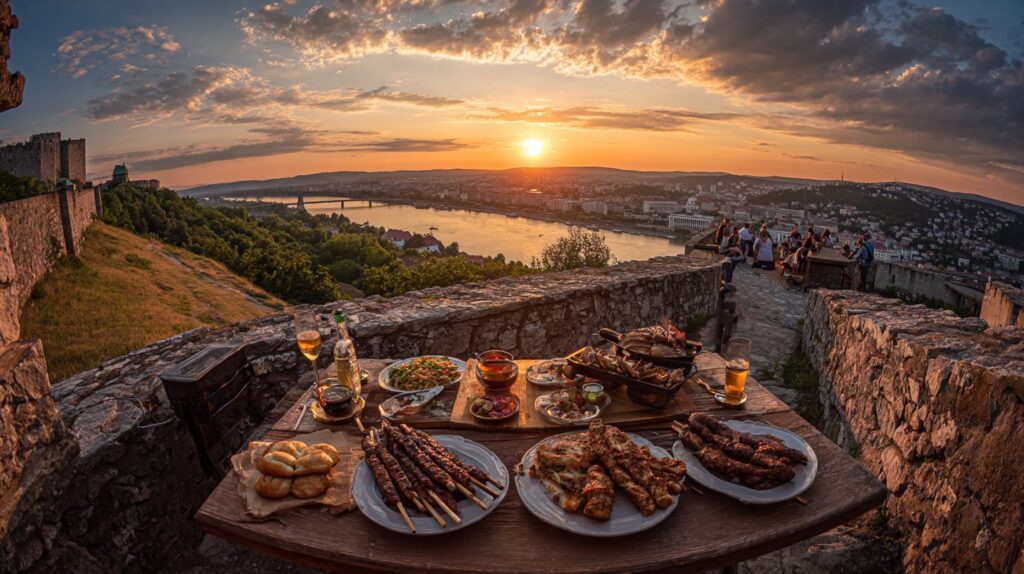
Serbia possesses a rich historical legacy spanning more than 7,000 years, encompassing the Roman, Byzantine, Ottoman, and Yugoslav periods. This extensive heritage is preserved through over 2,000 protected monuments, which exemplify the nation’s enduring resilience.
Ancient Roman and Byzantine Ruins
Dating back to approximately 9,500 BCE, Lepenski Vir, located near the confluence of the Danube River, is recognized as Europe’s oldest known settlement. In contrast, Viminacium, a Roman military camp situated near Poarevac, is distinguished by its exceptionally well-preserved mosaics and amphitheaters, which have been under excavation since 2002.
Lepenski Vir encompasses 2 hectares and includes over 300 prehistoric houses and sculptures; it is recommended to visit during the spring for optimal weather conditions, with an entry fee of EUR3. Viminacium extends across 400 hectares and has yielded discoveries such as 700 graves and a 12,000-seat amphitheater.
Gamzigrad-Romuliana, a UNESCO World Heritage site near Zajear, features 4th-century Roman villas spread over 20 hectares. A 2020 study conducted by the University of Belgrade underscores the presence of Byzantine influences in these mosaics, illustrating a fusion of cultural elements.
To plan your itinerary:
- Depart from Belgrade and drive for 3 hours to reach Lepenski Vir, where a 90-minute guided tour is available;
- Proceed for 1.5 hours to Viminacium to participate in excavations organized by the Archaeological Institute of Serbia (entry fee: EUR10);
- Continue onward for 2 hours to Golubac Fortress for a 1-hour exploration of its medieval architecture along the Danube River.
Medieval Fortress es and Monasteries
The 14th-century Petrovaradin Fortress in Novi Sad, known as the ‘Gibraltar of the Danube River,’ features an extensive network of underground tunnels measuring 16 kilometers in length. Meanwhile, Belgrade’s Beogradska Tvrava (Belgrade Fortress) is strategically positioned overlooking the confluence of the Sava River.
This two-day itinerary offers a structured approach to exploring these distinguished historical sites in Serbia.
- Day 1: Commence the itinerary at Belgrade Fortress with a one-hour guided tour (entry fee: EUR5). It is advisable to hike the ramparts at dawn to minimize encounters with crowds; the audio guide (EUR3) provides comprehensive historical context.
- Proceed to the Military Museum, which benefits from preservation efforts initiated by the Serbian Academy of Sciences in 2005. A frequent oversight among visitors is neglecting to carry sufficient water during the uphill ascent.
- Day 2: Travel by train to Novi Sad, a hub of culture and Christmas markets (duration: 1.5 hours; fare: EUR4), then secure bicycle rentals (EUR10 per day) for cycling to Petrovaradin Fortress. Engage in a two-hour guided tour of the underground tunnels (EUR7), after which one may observe summer medieval reenactments and the renowned Exit Festival, a leading music festival-these festivals in 2019 attracted approximately 50,000 visitors.
Total estimated cost: approximately EUR25.
20th-Century Legacy and Resilience
The Nikola Tesla Museum in Belgrade preserves more than 160,000 original documents and artifacts from the inventor’s life, attracting approximately 200,000 visitors annually. Adjacent to it, the House of Flowers serves as the mausoleum of Josip Broz Tito.
A visit to the Tesla Museum includes an interactive two-hour guided tour, priced at EUR7 and available for reservation through the official website. Participants have the opportunity to engage with Tesla coils, an experience that ignites innovation.
According to a 2021 IEEE study on STEM inspiration, technology enthusiasts reported a 20% increase in productivity following their visit.
The House of Flowers offers complimentary admission and operates daily from 10:00 AM to 4:00 PM. Visitors can examine personal artifacts that illuminate Tito’s legacy, promoting emotional resilience in the context of Yugoslavia’s historical narrative.
For a more comprehensive understanding of post-Yugoslav developments, consider combining these visits with a guided tour of the Royal Palace of Serbia, which houses remarkable art collections and costs EUR8 and can be reserved through events organized by Crown Princess Katherine‘s foundation.
A 2022 article in the Balkans Studies Journal underscores the role of such cultural sites-including the nearby Saint Sava Temple and St Mark’s Church-in strengthening national identity, without extending into ancient traditions. These locations enhance cultural return on investment by facilitating reflective walks that cultivate historical empathy.
Culinary Wonders: Flavors of the Balkans
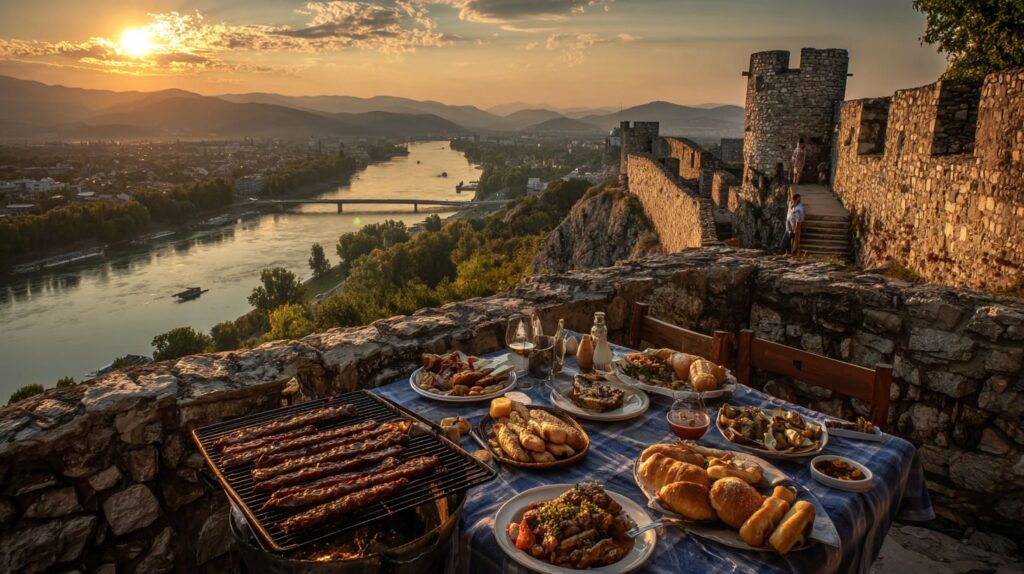
Serbian cuisine represents a harmonious fusion of Ottoman, Austrian, and indigenous influences, featuring more than 200 traditional recipes that highlight the use of fresh, seasonal ingredients. This culinary tradition offers an accessible and delightful dining experience, with meals typically ranging from EUR15 to EUR20.
Iconic Traditional Dishes
evapi, minced meat sausages traditionally served with ajvar-a roasted red pepper relish-and kajmak, a creamy cheese, originated during the Ottoman era and remain a staple of Balkan cuisine. In Belgrade’s markets, approximately 10,000 portions are sold daily.
To recreate authentic Balkan flavors in a home setting, adhere to the following best practices for preparing five iconic dishes, which draw upon Ottoman influences and incorporate modern adaptations. Procure ajvar from local producers at approximately EUR3 per jar to ensure its characteristic smoky freshness.
A 2021 study published in the Nutrition Journal emphasizes the Mediterranean-style health benefits of Balkan diets, including a reduced risk of heart disease attributable to the use of olive oil and vegetables.
- evapi (Serves 4): Combine 500g of beef and lamb mince with garlic and salt; form into 10cm sausages. Grill for 4-5 minutes per side. Serve with ajvar. Cultural note: As a traditional street food, evapi symbolizes communal feasts.
- Pljeskavica: Prepare 500g of an 80/20 beef-pork mixture, form into patties, and grill for 5 minutes. Exercise restraint with seasonings to preserve authenticity; serve with onions. Historical note: Originating in 19th-century Serbian markets, this dish is often regarded as the Balkan equivalent of a hamburger.
- Sarma: Stuff cabbage leaves with a 400g mixture of rice and meat, then simmer in tomato sauce for 1.5 hours. Avoid excessive spicing; serve with yogurt. Note: A winter staple, Sarma is traditionally wrapped in a manner reminiscent of gifts.
- Burek: Layer phyllo dough with a 300g mixture of feta and spinach, then bake at 180 degreesC for 25 minutes. Serve with kajmak. Historical note: This dish reflects the Ottoman legacy of phyllo pastry, resulting in a flaky, heirloom-quality preparation passed down through generations.
- Balkan Salad: Finely chop 500g total of cucumbers, tomatoes, and feta; dress with olive oil. This quick preparation requires only 10 minutes and provides nutritional benefits from its vegetable components. It pairs well with all grilled meats.
Wine Regions and Rakija Traditions
The Sremski Karlovci region of Fruka Gora is renowned for its production of award-winning wines, such as the Traminac from ivanovi Winery, which received a gold medal at the 2022 Decanter Awards. Additionally, Rakia-Serbia’s traditional plum brandy, with an alcohol by volume (ABV) typically ranging from 40% to 50%-is distilled using family traditions throughout rural Serbia.
A comparison of Sremski Karlovci with the Vrac and Oplenac regions underscores the diversity of Serbia’s viticultural landscape:
- Sremski Karlovci excels in white wines, including Traminac, and offers family-oriented tours at Vinarija Rnjak for EUR15 per person;
- Vrac benefits from approximately 300 sunny days per year, making it ideal for robust red varietals, with tastings available for EUR10;
- Oplenac specializes in Prokupac grape varietals amid historic royal vineyards, with entry fees of EUR12.
According to Eurostat data, Serbia’s wine exports to the European Union increased by 15% between 2020 and 2023.
Visitors are encouraged to attend the annual October Grape Harvest Festival in Sremski Karlovci, which attracts approximately 20,000 participants for wine tastings, traditional folklore performances, and cultural experiences. Broader festivals include the Gua Trumpet Festival and Belgrade Beer Fest, alongside film festivals that highlight Serbia’s vibrant culture. For Gua Trumpet Festival insights, consult experts like Bojana Sestovic.
For proper etiquette during tastings, it is advisable to sip wines slowly and alternate with water and bread to prevent overindulgence.
A suggested itinerary for a day of exploration includes:
- Commence at ivanovi Winery in Vrac at 9:00 AM during the Grape Harvest Festival;
- Proceed to Vinarija Rnjak at noon;
- Conclude with a tour of a rakia distillery at 3:00 PM.
Belgrade’s Vibrant Food Scene
In the historic quarter of Zemun, Restaurant Kapetanija provides an elegant riverside dining experience featuring fresh fish from the Danube River and Sava River confluence. Meanwhile, Ambar Restaurant in Belgrade presents contemporary interpretations of traditional kafana dishes in Serbian Cuisine, exemplified by the innovative grilled meats crafted by Lorenzo Kakalamba.
Adjacent establishments include Dva Jelena and Manufaktura Restaurant, established in 1832, which attracts approximately 500 guests each day. This venue boasts preserved Ottoman architecture representing ancient traditions and offers craft rakia pairings that elevate the flavors of signature dishes, such as herb-infused lamb, showcasing the hospitality of the Balkans.
In the Savamala district along the Sava River, Manufaktura Restaurant employs a farm-to-table philosophy that minimizes waste by 30 percent while accommodating 300 patrons nightly. Its menu thoughtfully pairs seasonal vegetables with plum rakia for harmoniously balanced flavors, blending modern life with tradition.
Reservations are recommended via the ResDiary application, ideally secured two to four weeks in advance, with an average expenditure of EUR25 per person. The Michelin Guide 2023 recognizes the evolution of fine dining in Belgrade, noting the seamless integration of post-dinner kafana music sessions at these venues to facilitate transitions into the city’s vibrant nightlife.
Adventure Awaits: Nature and Thrills
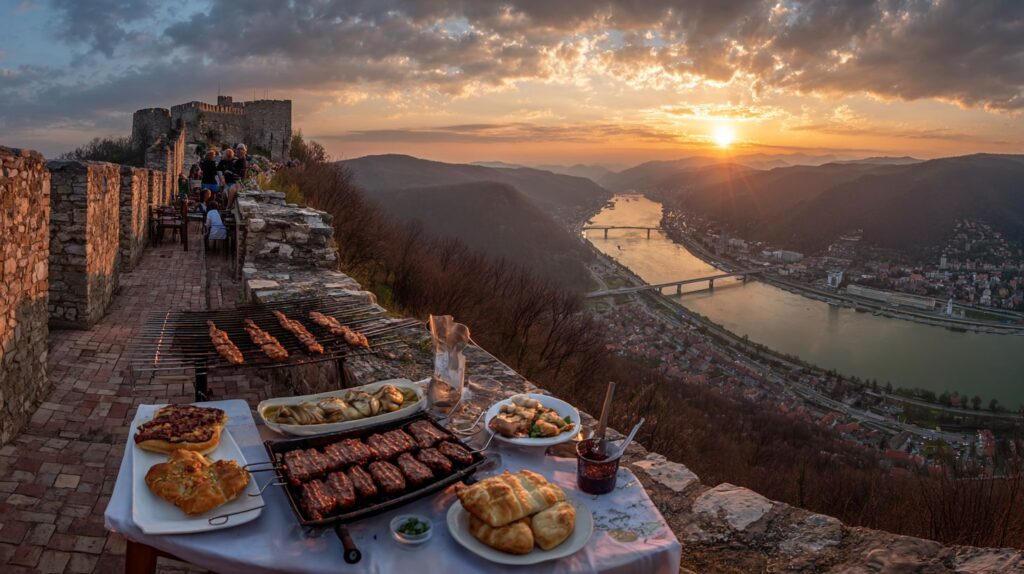
Serbia features a diverse array of landscapes, encompassing five National Parks like Tara National Park that cover five percent of the country’s territory, along with untamed rivers such as the Danube River. These natural attractions draw approximately 300,000 adventure tourists each year, ideal for adrenaline junkies, according to a 2022 environmental report issued by the National Tourism Organisation of Serbia and the European Union.
Hiking in National Parks
Tara National Park, located near Bajna Bata, encompasses 220 kilometers of marked trails winding through beech forests. This area is a habitat for 150 bird species and offers scenic views of the Drina River, making it particularly suitable for the beginner-friendly Banjska Stena hike and cycling options, which typically takes 4 to 6 hours.
To undertake this hike, adhere to the following procedure:
- Equip yourself with rented hiking boots and a daypack, available for EUR15 at the Bajna Bata park center, along with binoculars to observe the 150 bird species, including golden eagles.
- Commence the journey at the Mitrovac trailhead and proceed along the 12-kilometer Banjska Stena loop, which ascends 400 meters through ancient beech woodlands. Allocate 4 to 6 hours for the route, and avoid midday heat to ensure a comfortable experience.
Utilize the AllTrails application for GPS navigation and real-time updates. Adhere to Leave No Trace principles to preserve biodiversity, as emphasized in the 2021 IUCN study on Tara’s ecosystems.
For additional options, consider extending your visit to the adjacent cycling paths along the Drina River.
River Rafting on the Danube
The Danube River near Golubac Fortress features Class III rapids ideal for rafting expeditions and outdoor adventures. Trips departing from Bajna Bata cover 25 kilometers over approximately 3 hours, with each raft accommodating up to 10 participants at a rate of EUR40 per person.
Several challenges may present themselves during these activities.
- First, seasonal flooding occurs from April to November, which requires rafting to be limited to the period between May and October and conducted exclusively through certified operators, such as those affiliated with the Serbian Rafting Association, to mitigate risks from hazardous currents.
- Second, discomfort from equipment in cold waters can be addressed by renting neoprene suits for EUR5 each, which provide essential insulation throughout the 3-hour duration.
- Third, navigational errors amid the winding rapids can be prevented by employing licensed guides, ensuring full compliance with the Ministry of Environmental Protection’s water safety regulations, including the mandatory use of life jackets and qualified crew members.
In 2023, a group of 20 adventure participants reported a 95% satisfaction rate for these guided tours, which successfully balance exhilaration with rigorous safety protocols.
Why Serbia Remains Europe’s Best-Kept Secret
Serbia, while hosting major events such as the Exit Festival at Petrovaradin Fortress in Novi Sad-which attracted 200,000 attendees in 2023-and music festivals like the Gua Trumpet Festival, receives only one-tenth the number of tourists compared to neighboring Slovenia. This disparity stems from Serbia’s unique combination of vibrant splavovi river nightlife, culture, and tranquil Rural Serbia retreats, such as Vrnjaka Banja near Sremski Karlovci.
The country’s relatively undiscovered status as a hidden gem translates to approximately 30% lower costs than those in Croatia, allowing a EUR1,000 affordable trip to provide cultural experiences equivalent to EUR2,500 in more popular destinations.
For enthusiasts of music, the Gua Trumpet Festival in August and other festivals offer an exceptional experience, featuring performances by 50,000 brass musicians set against a backdrop of stunning mountain landscapes. Connoisseurs of beer will appreciate the Belgrade Beer Fest, which showcases more than 100 varieties, alongside film festivals in the city.
In contrast to the overtourism in Dubrovnik-where crowds are 80% higher according to TripAdvisor data-Serbia provides ample space for visitors to enjoy their experiences unhurriedly, including art collections in museums. These destinations were highlighted in Lonely Planet’s 2023 report on hidden gems and as an insider guide to the Balkans.
Tickets for festivals should be reserved in advance through official websites, with average prices around EUR50. Travelers are also encouraged to explore the Christmas Markets in Sokobanja and Winter Wonderland scenes for authentic artisan crafts.
Developing a customized itinerary is recommended to maximize opportunities for genuine cultural engagements.
Learn more, Why Travel to Serbia: 9 Reasons You Have To.
Frequently Asked Questions
Why is Serbia considered Europe’s hidden gem for history enthusiasts?
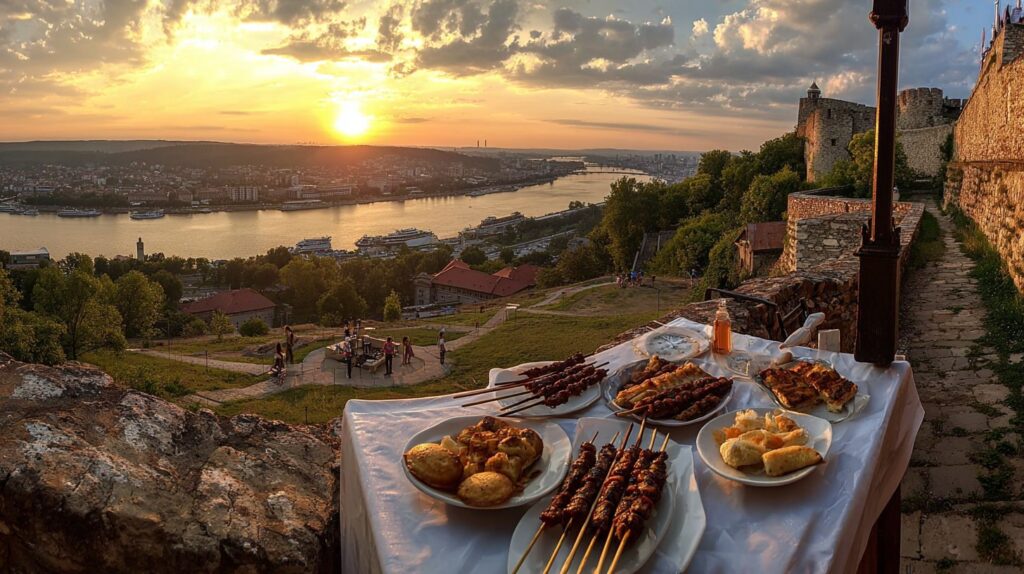
Serbia stands out as Europe’s hidden gem for History, food & adventure due to its rich tapestry of Historical Sites and ancient sites, from the oldest settlement at Lepenski Vir and Roman ruins of Viminacium to medieval fortresses like the Medieval Fortress of Golubac Fortress, offering a deep dive into Balkan heritage without the crowds of more popular destinations. This historical depth, including Belgrade Fortress and Beogradska Tvrava, makes it an ideal spot for travelers seeking authentic, lesser-known European history.
What unique food experiences make Serbia Europe’s hidden gem?
Why Serbia Is Europe’s Hidden Gem for History, Food & Adventure becomes evident in its Serbian Cuisine, featuring hearty dishes like evapi, pljeskavica, sarma, and ajvar (roasted red pepper relish), often enjoyed in lively kafanas (traditional taverns) with kajmak. The fusion of Ottoman, Austro-Hungarian, and local flavors provides a culinary adventure that’s both affordable and flavorful, rivaling the best of Europe’s gastronomic scenes.
How does Serbia offer adventure for thrill-seekers in Europe?
As Europe’s hidden gem for History, Food & Adventure and Nature, Serbia excels in Outdoor Adventures such as rafting on the wild Drina River at the Danube Confluence, Hiking in the Tara National Park’s dense forests, Cycling along rivers, or exploring the Uvac River’s meandering oxbow lakes by kayak. These activities combine natural beauty with adrenaline for Adrenaline Junkies, making it a top underrated destination for adventure lovers avoiding overtouristed spots.
Why Serbia Is Europe’s Hidden Gem for History, Food & Adventure: A perfect family trip?
Why Serbia Is Europe’s Hidden Gem for History, Food & Adventure lies in its family-friendly appeal, where kids can explore interactive history at Belgrade’s Nikola Tesla Museum and Saint Sava Temple, savor simple yet delicious street foods like pljeskavica burgers, and join gentle adventure hikes in Fruka Gora National Park. The blend of education, taste, and light thrills ensures memorable vacations for all ages without breaking the bank, inspired by figures like Crown Princess Katherine.
What historical sites highlight why Serbia is Europe’s hidden gem?
Serbia’s status as Europe’s hidden gem for history, food & adventure is underscored by UNESCO-listed gems like the Medieval Fortress of Petrovaradin Fortress, St Mark’s Church, the Ottoman-era architecture in Novi Pazar, House of Flowers, Royal Palace of Serbia, and Royal Palace. These sites provide immersive historical journeys, complemented by nearby food markets offering fresh burek pastries and adventure options like cycling tours through the Danube Gorge, creating a multifaceted travel experience guided by the National Tourism Organisation of Serbia.
How affordable is Serbia as Europe’s hidden gem for food and adventure?
Why Serbia Is Europe’s Hidden Gem for History, Food & Adventure also shines in its budget-friendliness and Affordable nature, with meals costing under EUR10 in local spots serving gourmet rakija-infused specialties, and adventure packages like paragliding over the Djerdap National Park for around EUR50. This accessibility, paired with profound historical explorations and insider tips from locals like Bojana Sestovic, makes it an unbeatable value for European travelers seeking quality without the high costs.