Every household is a potential safe haven, but many common household hazards, including cleaning and personal care products, can pose serious poison exposure risks, especially for children. Household chemicals can be dangerous if not handled properly. Medications and toxic substances like heavy metals also lurk in unsuspecting places, making it crucial to use child-resistant containers. In this article, we’ll explore the most prevalent toxic substances in your home and provide practical strategies to safeguard your family against poisoning, ensuring your living space remains healthy and secure.
Table of Contents
Key Takeaways:
- Always prioritize safety in the home by understanding and identifying common toxic substances.
- Be aware of the potential harmful effects of cleaning products, pesticides, and heavy metals, and take necessary precautions to avoid poisoning.
- In case of poisoning, know how to recognize symptoms, provide first aid measures, and seek professional help when necessary.
Understanding Toxic Substances
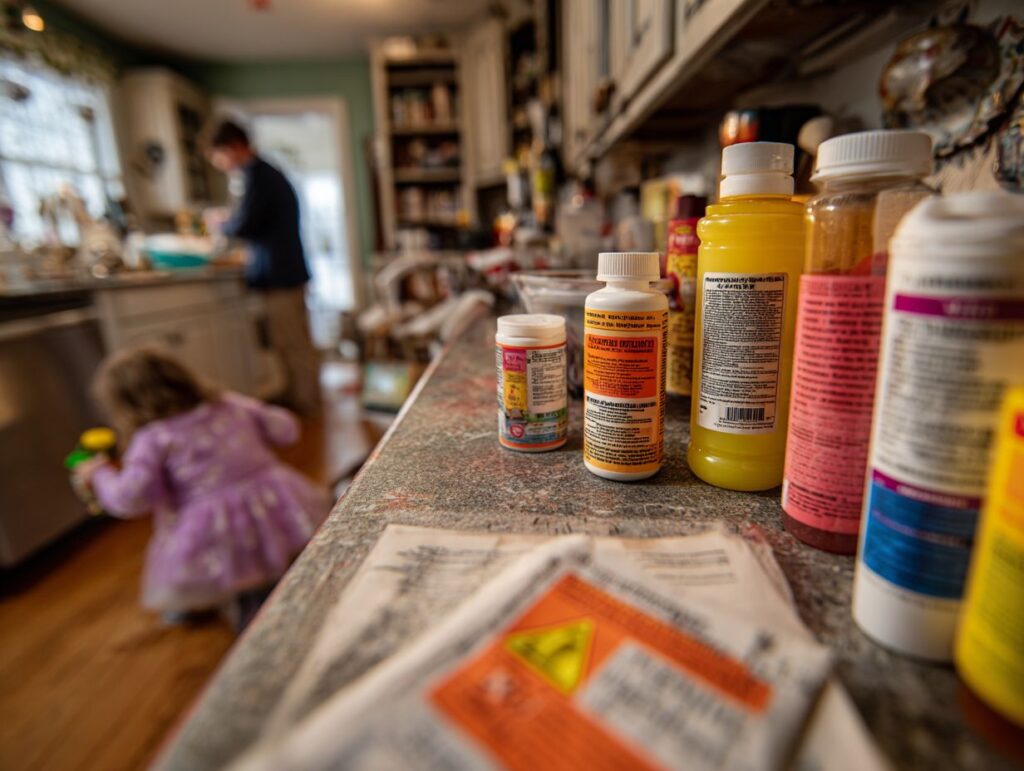
Common household hazards, including art supplies and poisonous plants, can also present significant risks.
Toxic substances found in everyday household items pose significant health risks, underscoring the necessity for heightened awareness and preventive measures.
Common household chemicals, such as bleach, ammonia, and certain cleaning agents, can be particularly dangerous. For instance, the combination of bleach and ammonia produces toxic chloramine vapors, which can lead to serious respiratory issues.
In the United States, approximately 300 children receive treatment for accidental poisonings associated with household toxins each day. To minimize these risks, it is imperative to:
- Store such substances in locked cabinets,
- Wear protective clothing when handling household chemicals,
- Utilize child-resistant packaging,
- Carefully read labels.
Additionally, individuals may consider using natural alternatives like vinegar or baking soda for cleaning tasks. This simple transition can significantly improve safety within the household.
Common Toxic Substances
Numerous toxic substances are present in our homes, frequently concealed within everyday products such as cleaning agents and pesticides, thereby posing significant risks to children and pets.
Cleaning Products
Cleaning products are one of the most common household hazards.
Many cleaning products contain harmful chemicals, such as bleach and ammonia, which can lead to accidental poisoning if ingested or improperly utilized. According to the National Poison Data System, there are over 25,000 reported cases of bleach-related poisonings annually in the United States. To mitigate these risks, it is advisable to consider safer alternatives.
For example, vinegar serves as an effective natural disinfectant, while baking soda is proficient in addressing tough stains and odors. It is also beneficial to seek out eco-friendly brands, such as Mrs. Meyer’s Clean Day, which focus on non-toxic ingredients and sustainable practices.
Additionally, it is essential to read labels carefully and store all cleaning products out of reach of children to further enhance safety within the household. In Los Angeles County, there are specific guidelines for the disposal of hazardous waste.
Pesticides
Pesticides, such as DEET, should be used with caution.
Pesticides are extensively utilized for pest management; however, they can be highly toxic, particularly when misapplied or stored improperly. Common household pesticides encompass insecticides, herbicides, and fungicides. To ensure safety, it is imperative to read labels meticulously and adhere to application instructions.
For instance, granular insecticides should be utilized outdoors to minimize indoor exposure, while herbicides should be applied on calm days to prevent drift. It is essential to maintain secure storage in a locked cabinet, away from children and pets. If there is exposure, it is crucial to contact the local poison control center for immediate assistance.
Resources such as the National Capital Poison Center provide valuable information regarding the safe handling of pesticides.
Heavy Metals
Heavy metals, including lead and per- and polyfluoroalkyl substances (PFAS), can be present in various household items, leading to long-term health risks. Common sources of these contaminants include older paints, particularly in residences constructed prior to 1978, contaminated drinking water from lead pipes, and certain types of vinyl flooring.
To mitigate these hazards, it is advisable to begin by testing your home for lead and PFAS. Home test kits are readily available and can provide a rapid assessment of potential contamination.
If lead is detected in the paint, it is essential to adhere to safe removal procedures or engage certified professionals for assistance. Additionally, utilizing reverse osmosis systems to filter drinking water can effectively reduce PFAS levels.
By implementing these measures, homeowners can significantly enhance the safety of their living environments.
Identifying Symptoms of Poisoning
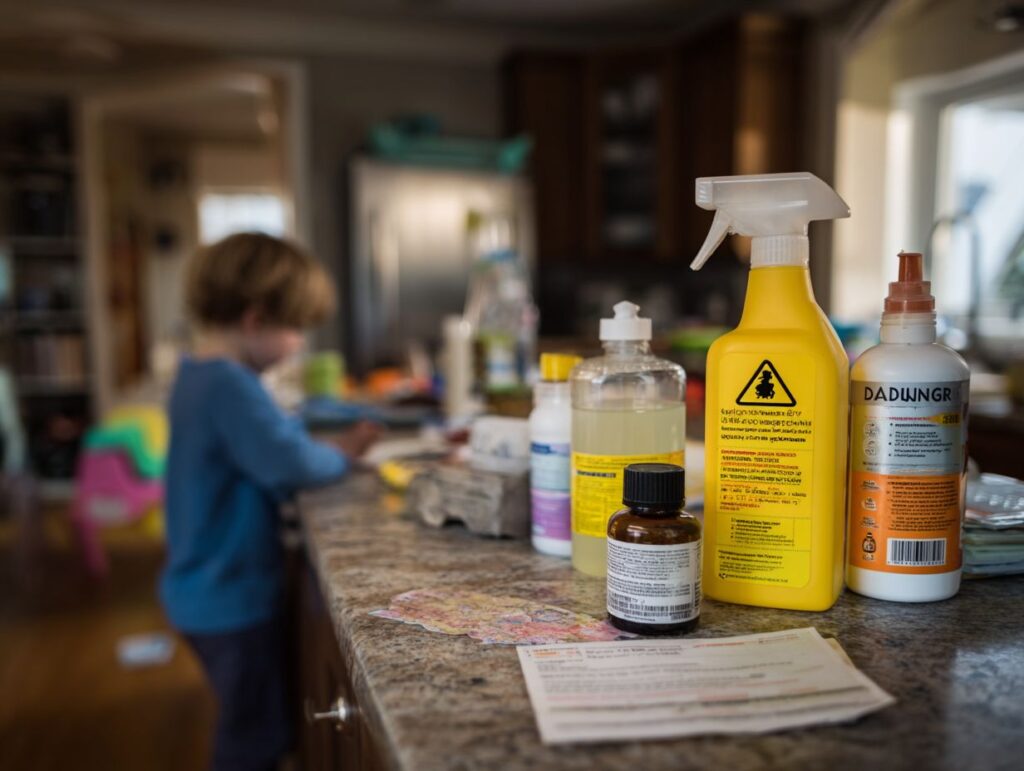
Recognizing the symptoms of poisoning from common household cleaners is vital.
Recognizing the symptoms of poisoning is essential for timely intervention and can frequently determine the distinction between recovery and serious harm.
Physical Symptoms
Physical symptoms of poisoning can vary significantly but commonly include nausea, vomiting, dizziness, and, in severe instances, unconsciousness. Symptoms of poisoning from art products may include respiratory distress.
In cases of carbon monoxide poisoning, symptoms may progress from mild headaches to confusional states, necessitating immediate exposure to fresh air and emergency assistance. For instance, a household with faulty gas appliances may experience drowsiness and difficulty breathing.
When addressing food poisoning, the onset of diarrhea and abdominal cramps can occur within hours following ingestion, requiring prompt hydration and, in certain cases, medical intervention.
Recognizing these symptoms early and seeking timely medical advice is essential for effective treatment.
Long-term Health Effects
Long-term exposure to toxic substances can result in chronic health conditions such as respiratory diseases, neurological disorders, and developmental delays in children. Research indicates that approximately 25% of Americans are exposed to toxic chemicals within their homes, with common contributors including lead, asbestos, and volatile organic compounds (VOCs).
For instance, children residing in homes with elevated lead levels face a substantial risk of developmental delays, which can adversely affect their capacity to learn and thrive. It is essential to minimize exposure by routinely testing for indoor pollutants, utilizing air purifiers, and selecting safe cleaning products.
Implementing straightforward preventative measures, such as ensuring proper ventilation and opting for non-toxic materials, can significantly mitigate health risks over time.
Learn more, The Long-Term Health Effects of Prolonged Toxic …
Prevention Strategies
Employing safety precautions can help reduce the risk of poisoning in households.
Implementing effective prevention strategies is crucial for mitigating the risk of poisoning in households, especially in environments where children are present.
Safe Storage Practices
The safe storage of hazardous materials, including the use of child-resistant containers and locked cabinets, significantly mitigates the risk of accidental poisoning.
To enhance safety, it is advisable to utilize a designated storage cabinet, such as the Sterilite 5-Drawer Unit, which facilitates organized and secure placement of hazardous items. It is also recommended to equip these cabinets with child-resistant locks, such as the Safety 1st Magnetic Locking System, to prevent unauthorized access.
All containers should be clearly labeled using hazard labels available from suppliers like Avery. Additionally, maintaining an inventory list of stored items will provide for quick reference.
By implementing these measures, organizations can ensure that hazardous materials are securely stored while remaining accessible to responsible adults when necessary.
Choosing Non-Toxic Alternatives
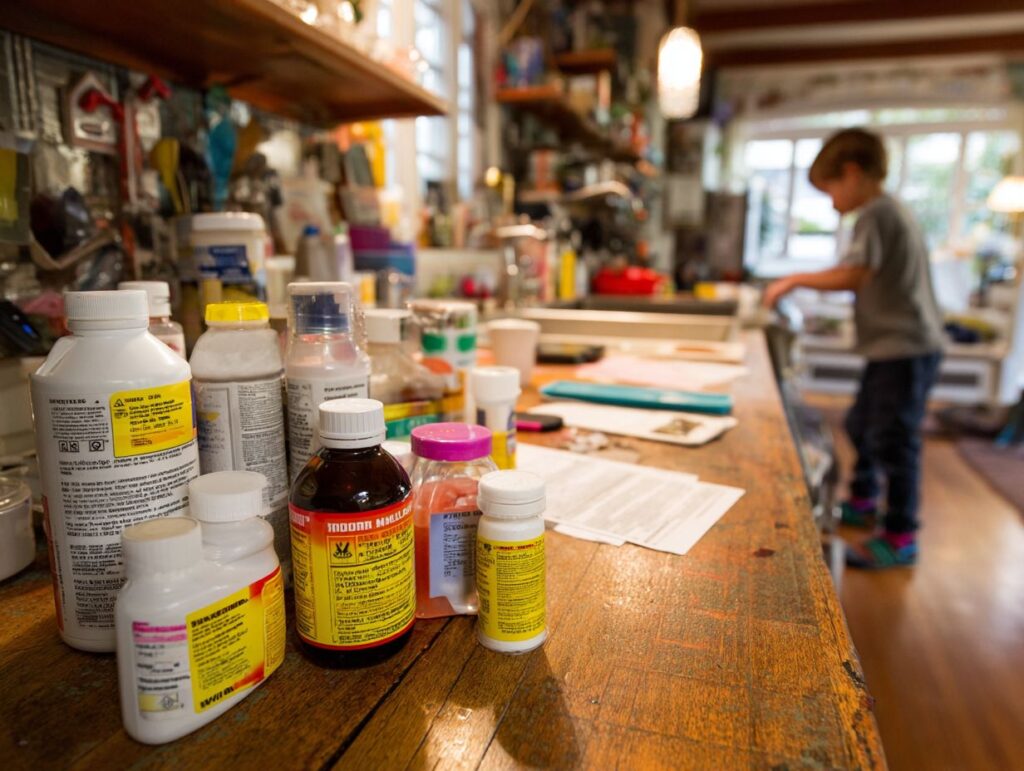
Choosing non-toxic alternatives can significantly enhance household safety and reduce exposure to harmful chemicals present in conventional products.
Many families have successfully transitioned to safer options, utilizing vinegar and baking soda for cleaning tasks in place of harsh chemical cleaners.
The California Environmental Protection Agency recommends brands such as Seventh Generation for laundry detergents and Mrs. Meyer’s for surface cleaners, highlighting the importance of plant-based ingredients. Outdoor safety should also be considered when using pesticides and other chemicals.
Furthermore, DIY alternatives, such as essential oil-infused cleaners, are becoming increasingly popular. Parents have reported greater peace of mind after substituting traditional pesticides with neem oil or diatomaceous earth.
By gradually implementing these non-toxic solutions, households not only safeguard their family’s health but also contribute to a more sustainable and safer environment.
Emergency Response
In case of a chemical emergency, it’s crucial to contact your local poison control center immediately.
Understanding how to respond effectively in a chemical emergency is vital for preserving lives, underscoring the importance of preparedness in every household for potential poisoning incidents. Proper chemical disposal methods should also be followed to prevent future risks.
First Aid Measures
Immediate first aid measures are essential in mitigating the effects of poisoning and may include actions such as rinsing the affected area and seeking fresh air. In cases of poisoning by vitamins or medications, prompt action is necessary.
In cases of chemical poisoning, it is advisable to flush the skin with water for a minimum of 15 minutes and remove any contaminated clothing. If poison has been ingested, it is important not to induce vomiting unless specifically instructed to do so by poison control, as certain substances may exacerbate the situation.
For inhaled toxins, individuals should promptly relocate to an area with fresh air while calling for emergency assistance. It is also important to gather any packaging or labels from the substance involved, as this information could be critical for medical professionals in providing appropriate care.
Always contact your local poison control center for tailored advice; this is a vital step that allows experts to gather necessary details and guide you effectively.
When to Seek Professional Help
Recognizing the appropriate time to seek professional assistance, such as contacting the American Association of Poison Control Centers, is crucial when managing poisoning situations, especially if symptoms worsen or become severe.
In cases of uncertainty, it is advisable to contact your local poison control center immediately. These centers typically respond within minutes and offer tailored guidance based on the specific substance involved. For instance, if an individual has ingested a household cleaner, it is important to be familiar with the product’s label and be prepared to provide this information.
Key symptoms to monitor include difficulty breathing, seizures, or severe abdominal pain, all of which necessitate urgent medical attention. Prompt action is essential, as it significantly improves outcomes; early intervention can lead to reduced hospitalization rates and complications.
Frequently Asked Questions
What are some common toxic substances found in the home?
Some common toxic substances found in the home include cleaning products, pesticides, medications, antifreeze, chemicals in cosmetics and personal care products, and DEET-based repellents.
How can I identify toxic substances in my home?
To identify toxic substances in your home, look for warning labels and symbols on products, read ingredient lists, and research potential hazards of everyday household items.
What are the risks of these substances in the home?
The risks of toxic substances in the home, including PFAS chemicals, involve accidental poisoning, chemical burns or irritations, and long-term health effects such as respiratory problems and even cancer.
How can I prevent poisoning from these substances?
To prevent poisoning from toxic substances, store them out of reach of children and pets, properly label all containers, and use them in a well-ventilated area while wearing protective gear.
What should I do if I or someone in my home is exposed to a toxic substance?
If someone in your home is exposed to a toxic substance, call poison control or seek medical attention immediately. Follow product-specific instructions for first aid and try to identify the substance for quick treatment.
What are some natural alternatives to toxic substances in the home?
Some natural alternatives to toxic substances in the home include vinegar, baking soda, and essential oils for cleaning and pest control. It is important to research and properly use these natural alternatives as well.