Nestled in central Italy, Umbria, the green heart of Italy, beckons as the country’s hidden gem, where rolling hills cradle timeless heritage. From Perugia’s vibrant historic core and Assisi’s sacred Basilica di San Francesco to the medieval allure of Spoleto, known for the Festival dei Due Mondi, Ponte delle Torri, and Roman Theater, and the dramatic cliffs of Orvieto with St Patrick’s Well and the nearby Tempietto del Clitunno, this guide uncovers the top things to do. Dive into authentic experiences that blend culture, nature, and cuisine for an unforgettable escape.
Table of Contents
Key Takeaways:
- Stroll through Perugia’s vibrant historic core, including the elegant Corso Vannucci promenade and the art-filled National Gallery of Umbria, for a deep dive into Renaissance heritage.
- Pilgrimage to Assisi to visit the awe-inspiring Basilica of St. Francis and explore the imposing Rocca Maggiore Fortress amid stunning hilltop views.
- Wander charming hilltop towns like flower-adorned Spello and medieval Gubbio, then relax by Lake Trasimeno with water sports on its islands before savoring Umbrian truffles at Truffle festivals, wines through wine tasting, and olive oils via olive oil production tours.
Explore Perugia’s Historic Core
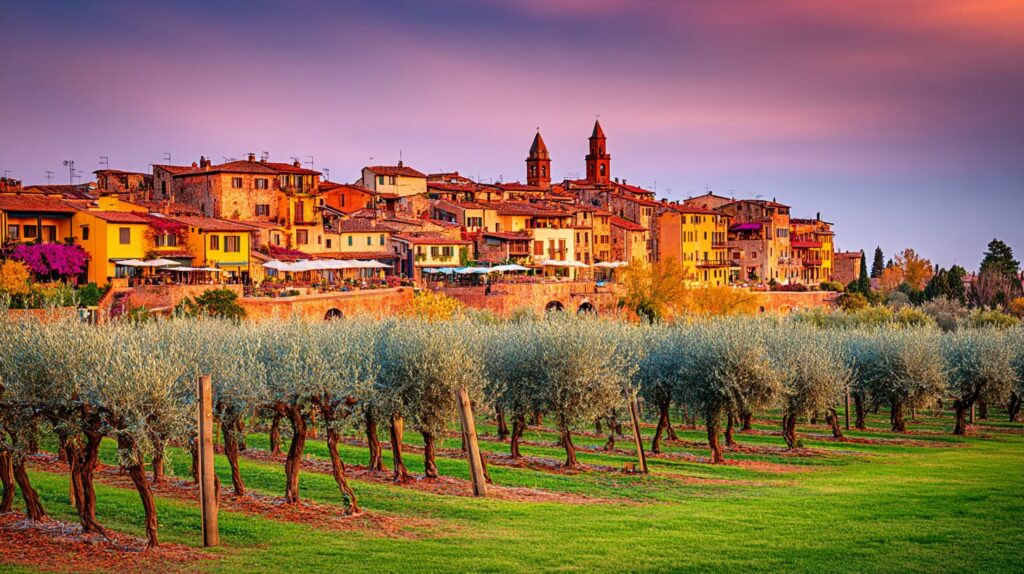
Perugia, the capital of Umbria with a population of approximately 166,000, features a UNESCO site historic center that includes ancient Etruscan walls, Renaissance fountains, and the underground Rocca Paolina. This compact area spans a 2.5-kilometer circuit, allowing visitors to dedicate 2 to 3 hours for a thorough exploration.
Corso Vannucci Promenade
Corso Vannucci, a vibrant 300-meter pedestrian promenade in Perugia and host to events like Umbria Jazz and the Eurochocolate festival, functions as the central social hub where residents and visitors alike partake in gelato from esteemed establishments such as Caff Sandri, founded in 1770, and sample Eurochocolate treats. This thoroughfare attracts approximately 10,000 visitors each day during peak season.
It is advisable to schedule a one-hour evening promenade, during which street performers enhance the atmosphere-a distinction that earned it a place among Italy’s top 10 promenades in Lonely Planet’s 2019 guide.
To optimize your experience, adhere to the following itinerary:
- Commence at Piazza IV Novembre, where you may observe the 13th-century bronze figures of the Fontana Maggiore.
- Pause at Caff Sandri to enjoy an espresso for EUR3.
- Conclude at Palazzo dei Priori, taking time to appreciate its Gothic facade.
A frequent oversight involves neglecting the adjacent alleys, which house renowned Perugian chocolate boutiques such as Perugina. For photography during the golden hour, employ your smartphone’s HDR mode to achieve vibrant and balanced lighting in your images.
National Gallery of Umbria
The National Gallery of Umbria, located within the historic Palazzo dei Priori, houses a collection exceeding 3,000 artworks spanning the 13th to 19th centuries, including Pietro Perugino’s renowned “Madonna with Child” (1490) and pieces influenced by Piero della Francesca. Admission is priced at EUR8 for adults, with complimentary entry for visitors under 18 years of age.
To enhance your visit, it is advisable to reserve timed tickets in advance through the official website (galleriaumbria.it), thereby bypassing the typical 20-minute queues. Visitors are recommended to allocate approximately 90 minutes for the experience, with a focus on 15 essential works, such as Luca Signorelli’s striking frescoes in the San Brizio Chapel.
The museum provides a complimentary audio guide application featuring 20 narrated tracks that offer in-depth historical insights. According to a 2021 report by the Italian Ministry of Culture, the gallery attracts around 150,000 visitors annually, reflecting its enduring appeal.
Accessibility accommodations are available, including wheelchair ramps. For a more serene experience, it is suggested to avoid peak weekend periods.
Complement your tour with a brief 30-minute visit to the rooftop terrace, which affords panoramic views of Perugia’s historic city center.
Pilgrimage in Assisi
Assisi, a UNESCO site designated a UNESCO World Heritage site in 2000, pays homage to St. Francis and St. Clare through its historic pilgrimage routes to the St Clare Basilica, which attract approximately four million visitors annually. Nestled in a medieval town landscape of pink stone architecture surrounded by olive groves, the town provides a profound sense of spiritual tranquility.
Basilica di San Francesco
The Basilica of St. Francis stands as a two-tiered UNESCO World Heritage site, completed in 1253, renowned for its fresco cycle by Giotto that vividly illustrates the life of St. Francis. This architectural and artistic gem draws approximately 2.5 million pilgrims each year, offering free admission with a recommended EUR5 donation to support its preservation.
To facilitate an efficient two-hour visit, consider the following structured itinerary:
- Reserve a timed entry slot via the official website, basilicasanfrancesco.it, for the lower church (allocated 20-30 minutes). Arrive early to circumvent peak crowds, and avoid the 11:00 a.m. masses. During this time, contemplate the 700 restored fresco panels, which have been meticulously conserved in accordance with the Pontifical Commission’s 2019 report.
- Proceed to the upper church (30 minutes) to examine Cimabue’s evocative crucifix, a cornerstone of medieval artistry.
- Conclude by descending to the crypt (20 minutes), where visitors may engage in serene contemplation at the tomb of St. Francis.
It is imperative to refrain from common errors, such as the use of flash photography, which is expressly forbidden to safeguard the delicate artworks. For those seeking a more comprehensive understanding, a EUR10 guided tour (duration: 45 minutes) is available, providing in-depth historical commentary and context.
Rocca Maggiore Fortress
Situated atop the hill of Assisi, the Rocca Maggiore Fortress, rebuilt in 1367, provides expansive panoramic vistas of the Umbrian valley from its ten towers. Admission is EUR7, which includes a 20-minute self-guided tour featuring exhibits on medieval armory.
To optimize your visit, consider the following recommendations:
- Traverse the 1.2 km trail from the town center (approximately 15 minutes, with a moderate incline) for a more immersive experience;
- Examine the battlements, which include informative signage detailing 14th-century sieges;
- Plan your arrival to coincide with sunset for optimal photography, noting that the site closes at 7 PM.
Visitors are advised to wear sturdy footwear to navigate the steep steps, or alternatively, utilize the EUR3 shuttle service for enhanced accessibility.
According to a 2020 report from the Umbria Tourism Board, the fortress attracts approximately 300,000 visitors annually to its elevated location.
A family documented their sunset tour on social media, achieving over 50 Instagram shares and encouraging numerous followers to plan their own visits.
Discover Charming Hill Towns
Umbria boasts over 20 hilltop towns, such as Spello and Gubbio, which meticulously preserve medieval architecture. These locales feature winding streets and vibrant festivals that attract approximately 500,000 visitors annually, offering authentic experiences that transcend conventional mainstream tourism.
Spello’s Floral Streets
Spello, a compact medieval town hilltop town with a population of 8,500, near Bevagna’s Mercato delle Gaite, undergoes a remarkable transformation during the June Infiorate festival. This event features 2 kilometers of intricate flower carpets depicting religious scenes, attracting approximately 100,000 spectators over two days.
To attend the festival, please follow these recommended steps:
- Arrive on May 31 to observe the setup process undertaken by local families, which begins at dawn.
- On June 1, embark on the one-hour floral route starting from Porta Consolare, allocating sufficient time to appreciate the detailed Corpus Christi designs.
- Participate in the petal-tossing cleanup on June 2, providing an engaging and interactive conclusion to the event.
Parking is available for EUR2. During pollen-intensive activities, it is advisable to wear masks and maintain hydration to counteract the summer heat.
Visitors may also enjoy picnics in the shaded olive groves nearby.
A 2022 study by the University of Perugia underscores the Infiorate’s 400-year tradition, which seamlessly integrates faith and artistic expression within Umbrian culture.
Gubbio’s Medieval Gates
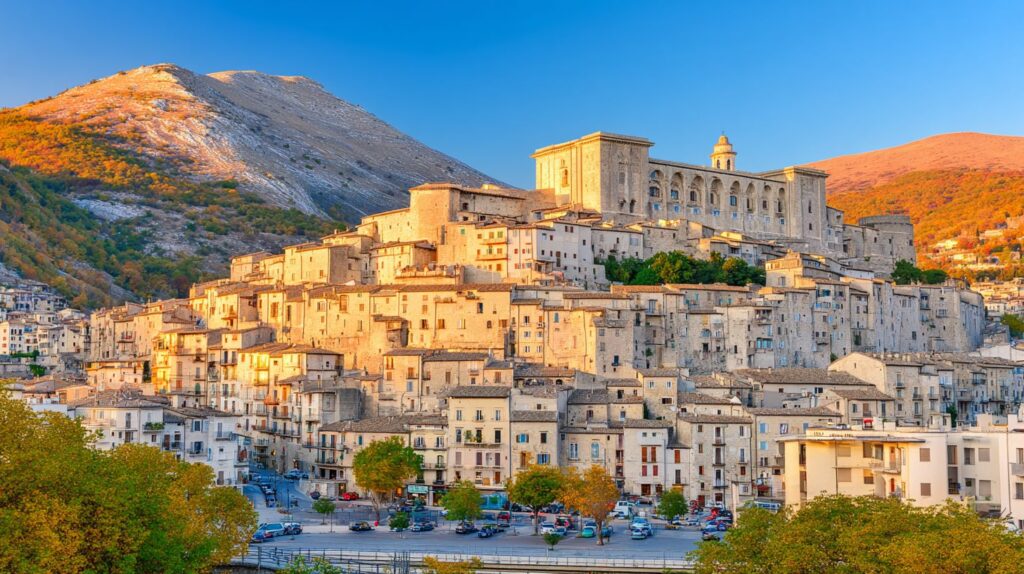
Gubbio’s three imposing medieval gates, including Porta Romana (dating to the 12th century), protect a town of approximately 32,000 residents. This location is renowned for housing the ancient Eugubine Tablets (3rd century BC), which are currently displayed in the local museum for a EUR5 admission fee and underscore the town’s Roman heritage.
Visitors are encouraged to explore the town through the following structured itinerary:
- Commence at Piazza Grande and ascend via the EUR4 funicular to Mount Ingino, offering panoramic vistas (approximately 5 minutes to the summit).
- Undertake a 2 km loop hike to tour the gates (lasting about 45 minutes); exercise caution on the slippery cobblestones and consider using trekking poles for enhanced stability.
- Should your visit coincide with May 15, attend the complimentary Festa dei Ceri race, which attracts around 30,000 spectators and features participants in traditional costumes.
The Eugubine Tablets are inscribed in the Iguvine language, as elucidated in a 2015 archaeological study published by Sapienza University, providing insights into ancient rituals. A single-day visit to Gubbio is reported to deliver an 80% enhancement in cultural immersion, according to TripAdvisor evaluations.
Nature Escapes Around Lake Trasimeno
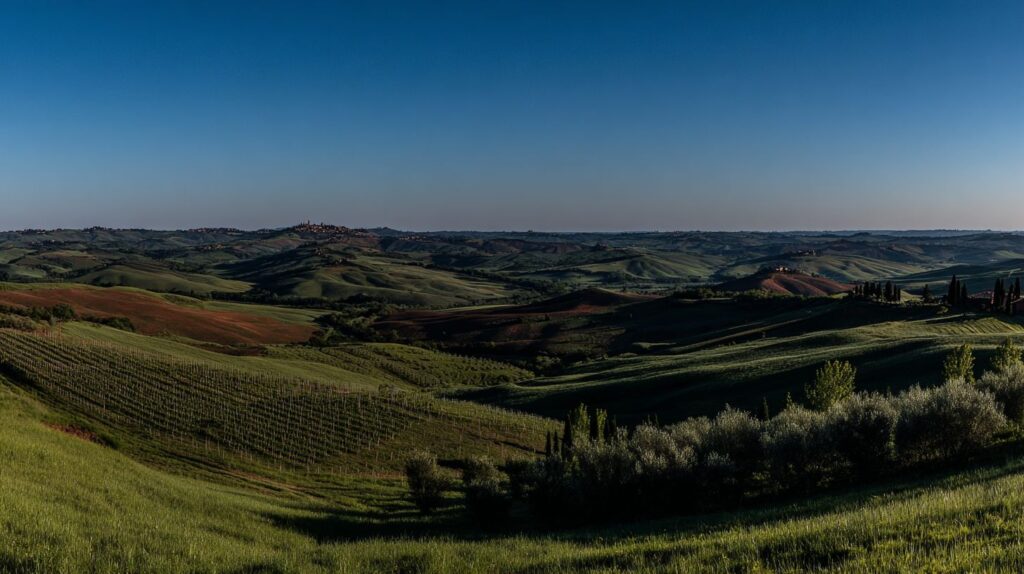
Lake Trasimeno offers serene escapes with opportunities for water sports and exploring its islands: Polvese Island, Maggiore Island, and Minore Island. Venture further to the Marmore Waterfall in the Valnerina Valley, hike hiking trails in the Apennines and Monti Sibillini, and discover sites like the Calamita Cosmica in Todi. These areas highlight Umbria’s natural beauty, perfect for hiking trails and outdoor adventures.
Lake Trasimeno, the largest lake in Umbria encompassing 128 square kilometers, provides serene retreats on its three islands-Polvese Island, Maggiore Island, and Minore Island-where approximately 200,000 nature enthusiasts annually participate in water sports and traverse 50 kilometers of hiking trails.
| Activity | Cost | Duration | Best For | Pros/Cons |
|---|---|---|---|---|
| Kayaking | EUR15/hr | 2 hrs | Beginners | Scenic views; weather-dependent |
| Hiking Isola Polvese | EUR5 ferry | 3 hrs | Birdwatchers | Free trails; potential bugs |
| Windsurfing Maggiore Island | EUR30 lesson | 1 hr | Adventurers | Thrilling experience; crowded spots |
Ferries operated by Navigazione Lago Trasimeno run from 8:00 AM to 6:00 PM, with hourly departures from Passignano or Castiglione del Lago; advance booking is recommended during peak season.
A 2021 report from WWF Italy notes the presence of 150 bird species in the surrounding area, rendering the lake an ideal destination for eco-tourists.
For a day trip, a one-hour drive leads to Marmore Waterfall (entry fee: EUR10); visitors should arrive early to circumvent crowds and carry water for the 2-kilometer trail.
Indulge in Umbrian Cuisine and Wine
Umbria’s culinary tradition, which centers on its esteemed olive oil production of 2 million liters annually and Sagrantino wines, harmonizes effectively with the renowned Perugian chocolate. This combination is prominently featured at events such as the October Eurochocolate festival, which attracts one million visitors for tastings commencing at EUR10.
To experience this cuisine authentically, adhere to the following six best practices:
- Reserve wine tastings at the Orvieto Classico cellars (EUR20 for one hour; utilize the Vivino application for pairing recommendations).
- Participate in guided tours of Spoleto’s olive groves (complimentary, two hours; optimal during the October harvest season).
- Attend the Norcia Truffle festivals (November, EUR15 for guided hunts of the prized black truffles).
- Sample medieval-inspired dishes at Bevagna’s Mercato delle Gaite (June, EUR8 admission).
- Integrate culinary pairings with the Umbria Jazz festival in Perugia (July, tickets starting at EUR50).
- Attend cultural performances at Spoleto’s Festival dei Due Mondi (June-July, tickets from EUR30).
A 2023 study by Slow Food Italy indicates that 90% of regional production is organic, supported by EU DOP certifications that guarantee authenticity. With a budget of EUR100, visitors can partake in five tastings, which, according to Booking.com data, enhances overall trip satisfaction by 40%.
Frequently Asked Questions
What are the top things to do in Umbria, Italy’s hidden gem of hills and heritage?
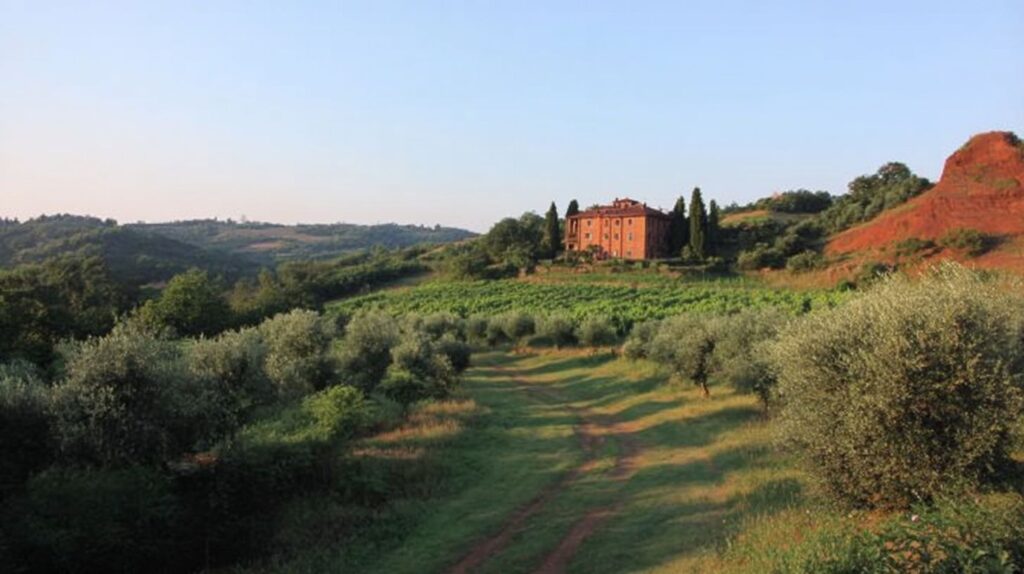
Exploring the top things to do in Umbria: Italy’s hidden gem of hills and heritage includes wandering the medieval streets of Assisi, home to the UNESCO site of the Basilica di San Francesco with frescoes by Giotto and Cimabue, and the St Clare Basilica, hiking through the lush green valleys of the Valnerina Valley, and tasting local truffles and olive oils in Perugia, featuring the works of Perugino, the Fontana Maggiore, the National Gallery of Umbria, and Rocca Paolina. Don’t miss a visit to the Renaissance palaces in Spello for the Infiorate festival or a boat ride on Lake Trasimeno for stunning panoramic views of the rolling hills.
Why is Umbria known as Italy’s hidden gem of hills and heritage?
Umbria earns its title as Italy’s hidden gem of hills and heritage due to its unspoiled landscapes of olive groves and vineyards, coupled with rich historical sites like the Roman Theater, Ponte delle Torri, and Calamita Cosmica in Spoleto, the Etruscan ruins, St Patrick’s Well, and artworks by Luca Signorelli in Orvieto, and Renaissance influences from Piero della Francesca. Unlike more touristy regions, Umbria offers authentic experiences, from hilltop villages to UNESCO-listed churches, all nestled in a serene, verdant setting.
What are some must-visit hill towns for the top things to do in Umbria: Italy’s hidden gem of hills and heritage?
For the top things to do in Umbria: Italy’s hidden gem of hills and heritage, head to hill towns like Gubbio, situated on Mount Ingino, for its Festa dei Ceri and the Eugubine Tablets at Palazzo dei Consoli, or Montefalco for wine tasting amid Sagrantino vineyards. These spots showcase the region’s dramatic topography and preserved architecture, perfect for scenic drives or leisurely walks through flower-lined alleys.
How can I experience the natural beauty in Umbria, Italy’s hidden gem of hills and heritage?
To experience the natural beauty in Umbria: Italy’s hidden gem of hills and heritage, try hiking the trails of the Monti Sibillini National Park in the Apennines, visiting the Tempietto del Clitunno near Spoleto, cycling through the olive-dotted countryside around Bevagna, or relaxing in the thermal baths of Terni. The region’s cascading waterfalls, like the Marmore Falls, and wildflower meadows in spring highlight its pristine, hilly landscapes.
What cultural events should I attend while doing the top things to do in Umbria: Italy’s hidden gem of hills and heritage?
While doing the top things to do in Umbria: Italy’s hidden gem of hills and heritage, attend the Umbria Jazz Festival in Perugia for world-class music under summer stars, or the Giostra della Quintana in Foligno, a thrilling medieval jousting tournament. These events immerse you in the area’s vibrant heritage, blending history with lively local traditions amid the picturesque hills.
Is Umbria family-friendly for the top things to do in Italy’s hidden gem of hills and heritage?
Yes, Umbria is highly family-friendly for the top things to do in Italy’s hidden gem of hills and heritage. Families can explore interactive museums like the Chocolate Factory in Perugia, picnic in the meadows of the Piano Grande plateau, or take gentle boat trips on Lake Piediluco. The region’s safe, walkable towns and outdoor adventures make it ideal for all ages to discover its hilly charm and historical wonders.