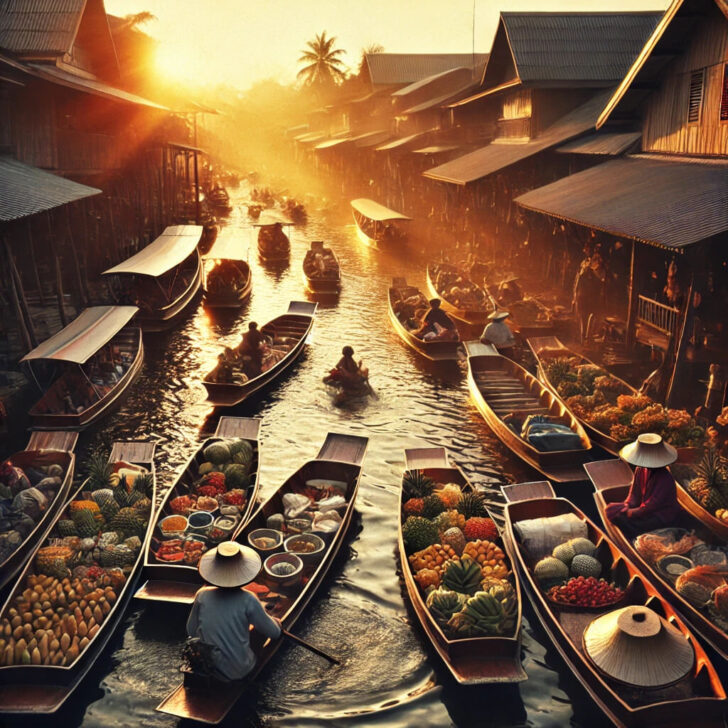
The regions of **Southeast Asia** and the **Pacific Islands** are characterized by their vibrant cultures and rich traditions.
These areas showcase remarkable **traditional clothing** that embodies unique styles and cultural influences, alongside enticing **culinary traditions** that highlight popular dishes and utilize fresh ingredients, providing ample opportunities for exploration.
This exploration encompasses major **religious beliefs**, significant **festivals**, and the **artistic expressions** that are integral to the identity of these communities.
We invite you to embark on a journey through the captivating **traditions** that define the essence of these enchanting regions.
Table of Contents
Key Takeaways:
- Experience the vibrant and diverse cultures of Southeast Asia and the Pacific Islands through traditional clothing and fashion, influenced by a rich history and unique styles.
- Indulge in the flavors of the region with their unique cuisine and culinary traditions, featuring popular dishes and ingredients that showcase the rich cultural heritage of the people.
- Discover the spiritual and religious practices of the region, with major beliefs and rituals that have been passed down for generations, adding depth and meaning to their way of life.
Overview of the Region and its Diverse Cultures
The Pacific Islands, which encompass a vast region of Oceania, are characterized by a rich tapestry of cultures that reflect the diverse histories and identities of the Pacific Islanders, including those from Polynesian, Micronesian, and Melanesian groups. These cultures are distinguished by unique cultural markers, transnational identities, and a shared historical heritage that continue to influence the lives of individuals within this region.
Epeli Hau`ofa’s vision of Oceania as a vibrant community highlights the significance of communal care and respect among its inhabitants, fostering a deep connection to their traditional practices and languages.
In this region, the remarkable linguistic diversity is particularly noteworthy, with hundreds of languages spoken, each contributing to the intricate social fabric. This linguistic richness is not solely a consequence of insularity; it has also been shaped by historical interactions with Southeast Asian cultures, which have blended through trade, migration, and colonization.
Such exchanges have cultivated a dynamic cultural landscape where communal ties are prioritized, affirming a collective identity that transcends geographic borders.
As these Islander communities navigate their transnational identities, they remain anchored in their traditions while actively participating in global discourses. This engagement reflects Hau`ofa’s belief that the strength of Oceania lies in its unity and resilience in the face of change.
Traditional Clothing and Fashion
Traditional clothing in the Pacific Islands serves as a significant expression of identity, reflecting the rich cultural markers of the region’s diverse populations, including Polynesian, Micronesian, and Melanesian communities.
These garments often feature vibrant colors and distinctive patterns that signify social status, community affiliation, and historical narratives, while also showcasing the artistry and craftsmanship inherent to Pacific Islanders.
Distinctive Styles and Influences
Distinctive styles of traditional clothing in the Pacific Islands are profoundly influenced by the unique cultures, climates, and histories of the region, reflecting the creativity and resourcefulness of Pacific Islanders.
These influences are evident in the vibrant colors, patterns, and materials utilized in garments, which are often shaped by the natural resources available and the geographical characteristics of each island. The proximity to Southeast Asia has facilitated cultural exchanges that have led to the integration of diverse textile techniques and designs into local attire.
Oral traditions play a crucial role in preserving the historical narratives associated with clothing practices, impacting not only their creation but also their significance in ceremonies and community identity. Consequently, contemporary fashion among Pacific Islanders frequently represents a synthesis of traditional elements and modern aesthetics, celebrating their rich heritage while adapting to global trends.
Cuisine and Culinary Traditions
The food culture of the Pacific Islands serves as a vibrant reflection of its diverse culinary traditions, showcasing a wide range of popular dishes that emphasize the use of local ingredients and communal economic practices.
From the fresh seafood harvested by coastal communities to the agricultural staples cultivated inland, Pacific Islanders have cultivated a rich gastronomic heritage. This heritage is celebrated and shared within their communities, often during cultural festivals, highlighting the importance of food in their social and cultural identities.
Popular Dishes and Ingredients
The popular dishes of the Pacific Islands, including poke, taro, and coconut-based meals, exemplify the region’s rich culinary culture and the significance of fresh, locally-sourced ingredients. Each dish embodies a narrative that is intricately connected to the communal life and traditions of the islands.
For instance, poke, which consists of diced raw fish seasoned with ingredients such as soy sauce, sesame oil, and seaweed, showcases the islands’ abundant marine resources and is frequently enjoyed during social gatherings. Taro, a staple root vegetable, is not only versatile—being utilized in both soups and desserts—but also represents sustenance and cultural identity.
Furthermore, the widespread use of coconut in beverages, desserts, and savory dishes like curries illustrates the influence of Southeast Asian cuisine, resulting in a harmonious blend of flavors and techniques. This combination underscores the region’s rich culinary heritage and its social connections.
Checkout 13 Traditional Pacific Islander Foods to Try in 2025.
Religious and Spiritual Practices
Religious and spiritual practices among Pacific Islanders are intricately integrated into their identities, frequently characterized by communal care and a profound respect for ancestral traditions.
These practices play a crucial role in the lives of individuals in the Pacific Islands, serving as a reflection of the region’s rich cultural heritage and the diverse belief systems that coexist, including influences from Christianity, Buddhism, and indigenous spiritualities.
Major Beliefs and Rituals
The core beliefs among Pacific Islanders often include a profound respect for ancestors, the environment, and communal relationships, which are commemorated through various rituals and ceremonies. These beliefs are intricately integrated into daily life, with numerous communities actively participating in traditional practices that affirm their connection to both the land and the sea.
For example, ceremonies such as the ‘kava’ drinking ritual serve not only to honor ancestral spirits but also to strengthen the bonds among participants, fostering a sense of unity and belonging.
Rites of passage, particularly those that signify a child’s transition into adulthood, underscore the significance of lineage and cultural identity, ensuring that younger generations maintain a connection to their historical roots.
Through collective celebrations and observances, individuals derive not only a sense of purpose but also a shared identity that reinforces their values and traditions.
Festivals and Celebrations
Festivals and celebrations in the Pacific Islands are vital for the preservation and presentation of the region’s cultural heritage. Significant holidays exemplify the rich traditions and communal relationships of Pacific Islanders.
These events frequently encompass elaborate rituals, traditional dances, and expressions of hospitality that serve to link the cultural past with contemporary practices.
Significant Holidays and Customs
Significant holidays and customs among Pacific Islanders serve to highlight the community’s rich traditions and are characterized by vibrant celebrations that reflect cultural pride.
One of the most prominent events is the annual Pacific Islands Arts Festival, during which communities unite to showcase their artistic talents through dance, music, and crafts. Such events underscore the importance of preserving cultural heritage and collective memory.
During these festive occasions, traditional foods such as poi, taro, and fresh seafood are shared among families and guests, emphasizing the principles of hospitality and togetherness.
Traditional dances, often performed in colorful attire, narrate stories of ancestors and natural elements, further reinforcing spiritual connections to land and sea. These activities not only foster unity but also inspire younger generations to appreciate and uphold their cultural legacies.
Art and Handicrafts
Art and handicrafts in the Pacific Islands represent essential forms of artistic expression that encapsulate the region’s rich cultural heritage and the creativity inherent in Pacific Islander communities.
Traditional art forms, such as weaving, carving, and painting, function not only as avenues for individual expression but also fulfill communal roles and communicate narratives that have been transmitted through generations.
Artistic Expressions and Techniques
Artistic expressions within Pacific Islander culture encompass a wide range of techniques, including traditional weaving and carving, as well as contemporary painting and performance art.
These diverse art forms are deeply rooted in the islands’ history, reflecting the values, beliefs, and environments of the communities that produce them. Historical practices, such as tattooing and bark cloth making, served not only aesthetic purposes but also conveyed narratives of ancestry and social status.
In the present day, many Pacific Islanders integrate these time-honored techniques with modern mediums, facilitating the evolution of their art while concurrently honoring their traditions. This fusion underscores the significance of creativity in preserving cultural integrity, ensuring that each artwork serves as a powerful vehicle for storytelling and a testament to community identity amid the influences of globalization.