Museums are not merely structures housing artifacts; they serve as dynamic environments that narrate the stories of our history, celebrate human creativity, and inspire an inquisitive mindset about our world. Regardless of whether one has a particular interest in art, history, science, or culture, there exists a museum suited to every individual’s preferences. This guide examines the diverse types of museums, highlights essential exhibits, and presents interactive experiences designed to enhance your visit. Additionally, it provides crucial tips and etiquette to optimize your museum explorations. Discover the remarkable experiences that await you behind those doors.
Table of Contents
Key Takeaways:
- Discover the diverse world of museums and why they are worth exploring for people of all ages and interests.
- From art and history to science and technology, there is a museum for everyone. Plan ahead and make sure to see the top exhibits and artifacts on display.
- Make your museum visit a truly enriching experience by engaging in interactive and educational activities. Show respect for the art and artifacts by following museum etiquette and rules.
What are Museums and Why Visit Them?
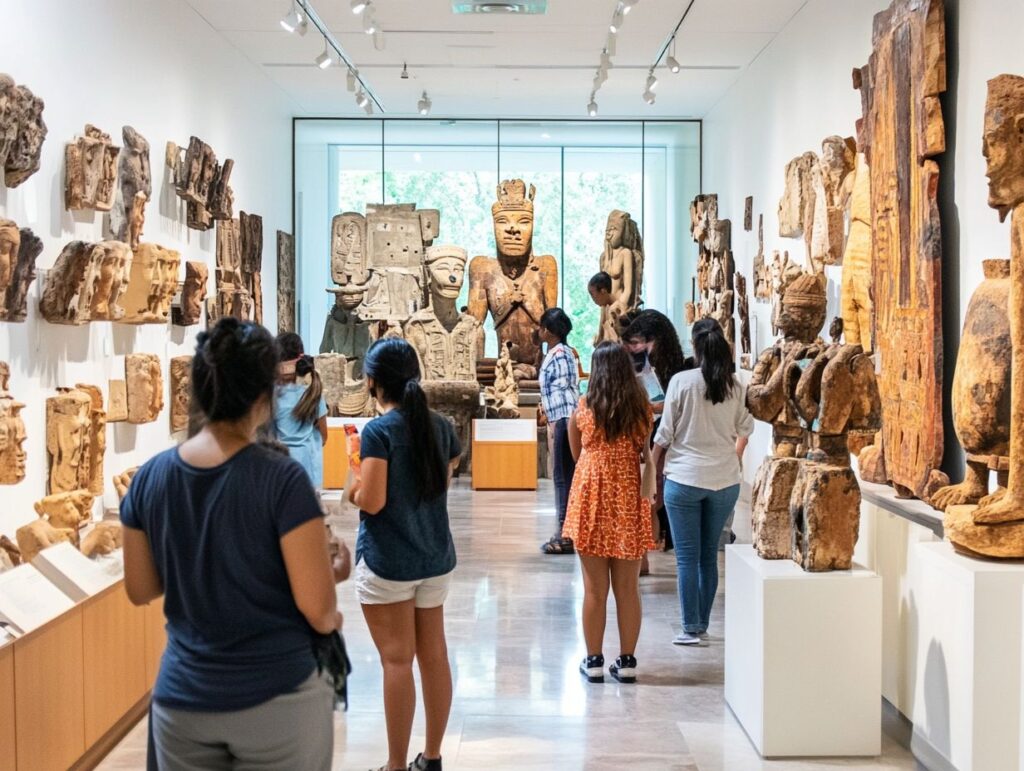
Museums serve as vital cultural institutions that curate and present collections of artworks, artifacts, and historical objects, providing valuable insights into various facets of human experience and creativity.
Visiting renowned museums, such as the National Gallery of Art in Washington D.C. or the Rijksmuseum in Amsterdam, offers individuals the opportunity to engage with art movements and historical narratives that have significantly influenced our understanding of culture. These institutions not only preserve art pieces and objects of importance but also develop interactive exhibitions that promote learning and appreciation among students and art enthusiasts alike. According to ResearchGate, museums play a crucial role in sustaining cultural heritage in an ever-changing world.
Ranging from ancient relics to contemporary artwork, museums exhibit a diverse array of collections that capture the essence of different eras and civilizations. The role of art historians is essential in this context, as they meticulously curate exhibitions by selecting pieces that convey compelling narratives, such as the enigmatic Mona Lisa, which attracts numerous visitors eager to uncover its mysteries.
During a visit, individuals can anticipate an immersive experience enriched by educational programs, guided tours, and discussions that enhance their comprehension of each exhibit. Exploring museums with friends or family can further enhance the experience, as shared discoveries and conversations contribute to a more profound journey through history and creativity.
Types of Museums
There exists a diverse array of museums, each providing distinct experiences that cater to a variety of interests and personal preferences, encompassing areas such as art, history, science, and culture. For those interested in exploring the different types of museums, a comprehensive overview by Britannica offers insights into how these institutions are categorized and their specific purposes.
For example, art museums are dedicated to the presentation of artworks and exhibitions, while history museums curate collections that preserve significant artifacts and educate visitors regarding historical events and notable figures.
Exploring Different Types of Museums
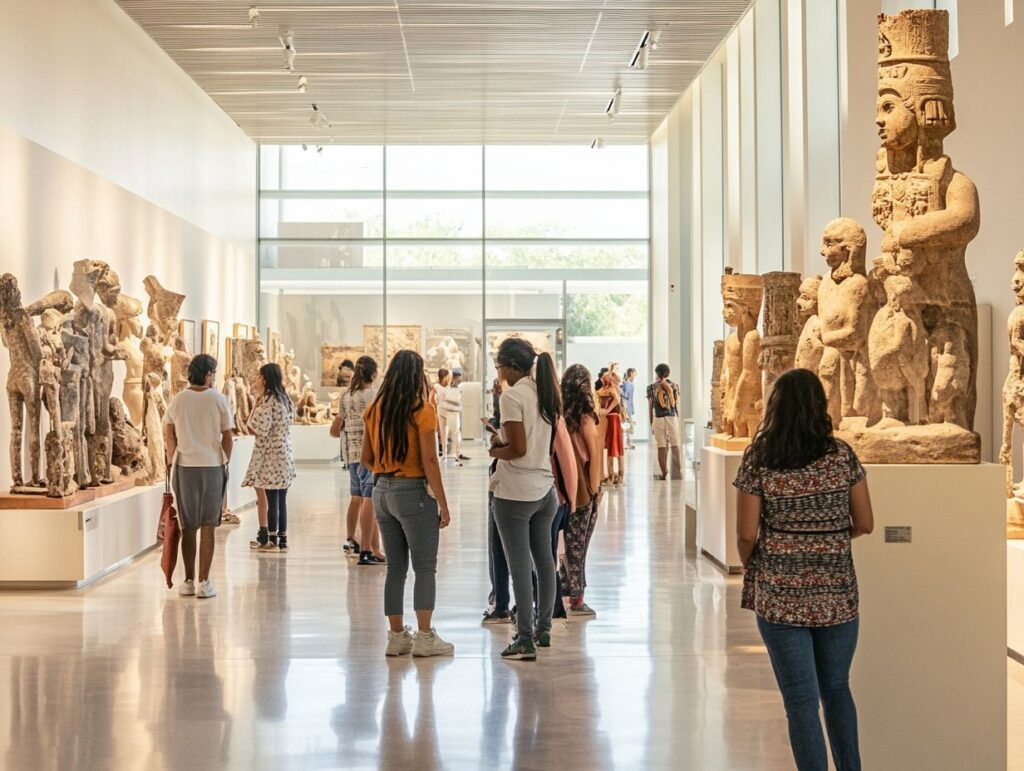
Exploring various types of museums provides visitors with the opportunity to engage with a wide range of exhibitions that cater to diverse interests, spanning from contemporary art to ancient history and scientific advancements. Each museum offers a distinct perspective and captivates visitors through thoughtfully curated collections and interactive displays that enhance the overall learning experience.
For example, art enthusiasts may find themselves engrossed in the modern installations at the Museum of Modern Art, while history aficionados can immerse themselves in the intricate artifacts housed within the British Museum. Additionally, individuals with an interest in science can engage with hands-on exhibits at the California Science Center, which promotes a deeper understanding of technology and innovation. These varied environments not only facilitate learning but also stimulate creativity and critical thinking among students.
Furthermore, these museums function as essential educational resources, providing workshops, guided tours, and lectures that enrich academic curricula and foster a passion for discovery in visitors of all ages.
What to See in Museums
When visiting museums, it is essential to explore several noteworthy exhibits and artifacts that offer significant insights into the history of art and culture.
For instance, the works of Vincent van Gogh at the Van Gogh Museum and the influential pieces of Edgar Degas showcased at the Musée d’Orsay in Paris stand out as exemplary representations of artistic excellence.
These iconic artworks not only embody the height of artistic achievement but also narrate the stories of the artists’ lives and the art movements to which they contributed, thereby enhancing the overall experience for visitors.
Must-See Exhibits and Artifacts
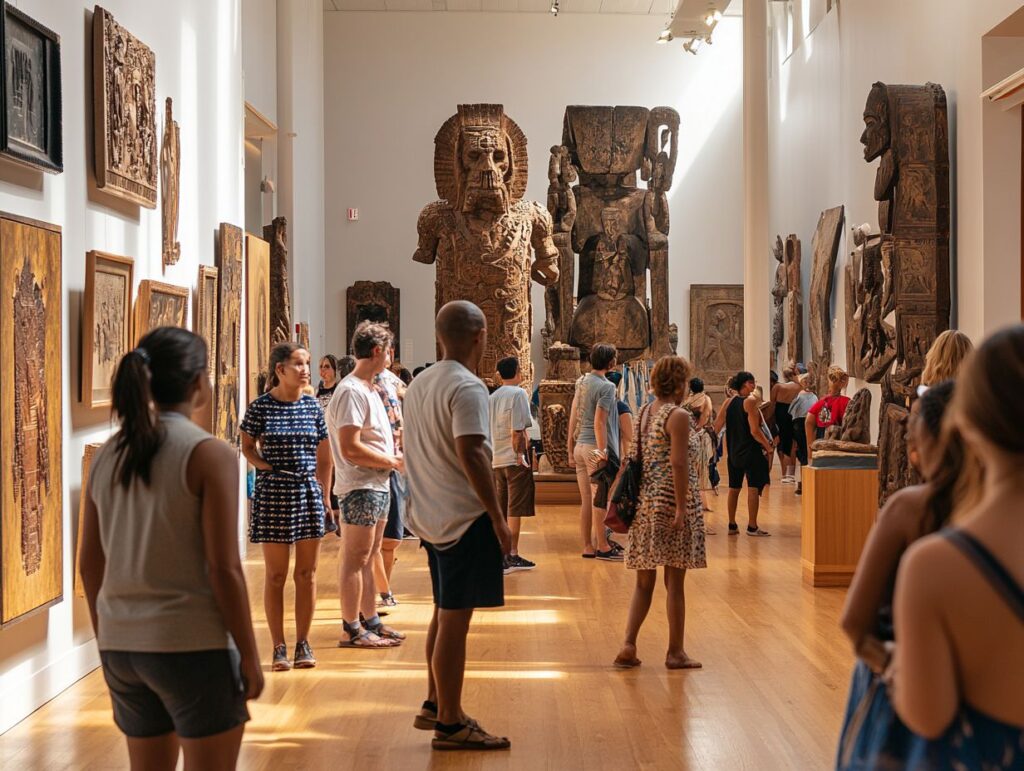
Must-see exhibits and artifacts at museums provide valuable insights into significant historical events and masterpieces that have shaped our understanding of art and culture. This includes renowned artworks, such as the Mona Lisa, as well as artifacts from ancient civilizations, which allow visitors to develop a deeper appreciation for the history and craftsmanship behind each piece. For those interested in exploring iconic ancient artifacts, Discover Magazine offers a fascinating look at the most captivating ancient artifacts, enhancing one’s understanding of these cultural treasures.
The impact of works like Vincent van Gogh’s Starry Night at the Museum of Modern Art cannot be overstated; it captivates viewers with its swirling skies and vibrant colors, inviting them into the emotional landscape of the artist. Similarly, the intricate Terracotta Army in Xi’an narrates the remarkable story of China’s first emperor, showcasing the extraordinary dedication and artistry of ancient craftsmen.
At the British Museum, the Rosetta Stone stands as a monumental key to understanding Egyptian hieroglyphs, while the breathtaking sculptures of Michelangelo at the Accademia Gallery in Florence exemplify the Renaissance’s revolutionary approach to form and human expression.
Each of these artifacts not only conveys its own historical narrative but also enriches one’s understanding of the artistic evolution across various cultures and eras.
Activities to Do in Museums
Museums offer a wide array of activities that significantly enhance the visitor experience, emphasizing interactive and educational opportunities that engage individuals across all age groups.
From guided tours conducted by knowledgeable docents to hands-on exhibitions designed to encourage exploration and foster curiosity, museums provide visitors with numerous avenues to deepen their understanding of art and history while cultivating a sense of community and engagement.
Interactive and Educational Experiences
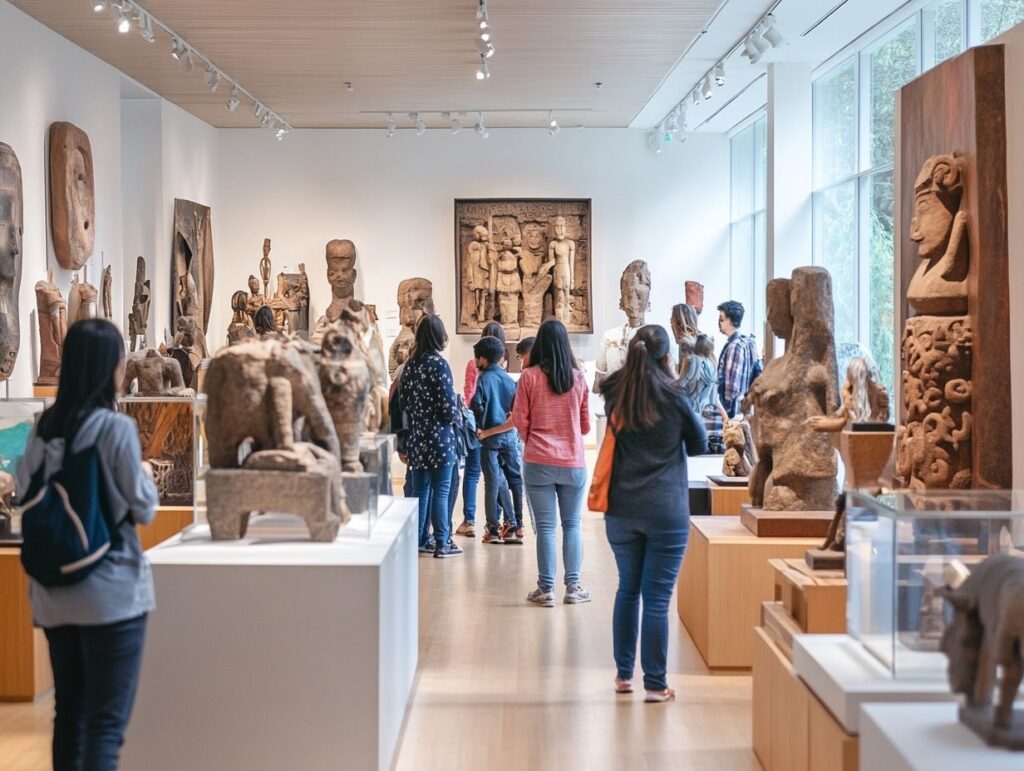
Interactive and educational experiences in museums are essential for engaging visitors and providing them with opportunities to actively participate in their learning journeys. These experiences may encompass hands-on activities, workshops, and guided discussions that promote exploration and foster personal interpretation of art and history.
By integrating interactive elements such as digital exhibits, immersive simulations, and augmented reality installations, museums effectively capture the curiosity and imagination of their audiences. Programs such as family art days and school outreach initiatives encourage a collaborative environment in which learners can connect concepts to real-world applications.
Such initiatives not only enhance knowledge retention but also stimulate critical thinking and creativity. Unique offerings, including resident artist workshops and interactive storytelling sessions, facilitate meaningful connections between visitors and the artifacts.
Through these innovative strategies, museums enable individuals to engage deeply with culture and history, thereby transforming visitors into lifelong learners.
Tips for Visiting Museums
When planning a visit to a museum, adhering to a set of guidelines can significantly enhance the overall experience, rendering it both enjoyable and memorable.
Foremost among these recommendations is the importance of wearing comfortable footwear, as visitors will likely engage in extensive walking and exploration of various exhibitions. This consideration allows for a more thorough appreciation of the art and history presented.
How to Make the Most of Your Visit
To maximize the benefits of your museum visit, it is essential to approach your exploration with a sense of curiosity and a commitment to engaging deeply with the exhibits. Strategically planning your visit around specific interests—whether in historical artifacts or contemporary art—can significantly enhance your understanding and appreciation of the artworks on display.
Before your visit, investing time in researching the museum’s collections and special exhibitions can yield substantial rewards. This preparation may include familiarizing yourself with the artists featured or gaining insight into the historical context surrounding certain pieces.
It may also be beneficial to compile a list of must-see artworks or exhibits that resonate with your interests. During your visit, actively engaging with the displays—by participating in guided tours, attending lectures, or utilizing audio guides—can further enrich your experience and facilitate a deeper connection to the culture and creativity represented within the art.
Etiquette and Rules in Museums
Understanding the etiquette and rules within museums is essential for fostering a respectful environment that honors the art and artifacts on display.
Visitors are typically expected to maintain a respectful distance from artworks, refrain from touching exhibits, and comply with photography policies to preserve the integrity of the museum experience for all attendees.
Respecting Art and Artifacts
Respecting art and artifacts in museums is of utmost importance, as it reflects the value of cultural heritage and acknowledges the efforts made by curators and artists alike. Practicing respect includes adhering to all posted guidelines and refraining from disruptive behavior that may detract from the experience of other visitors.
Visitors should maintain a safe distance from artworks and exhibits, as touching items can result in irreversible damage, even if the intentions are well-meaning. Engaging in quiet conversations while minimizing phone noise contributes to an environment that fosters appreciation and reflection.
It is essential to adhere to photography policies, as some pieces may be delicate or restricted from flash photography. By being mindful of personal space and respecting the natural flow of foot traffic, individuals can enhance their own experience while honoring the treasures that narrate our shared stories.
Ultimately, following museum etiquette fosters a deeper connection to the art and the intricate narratives they convey.