Explore the world through the lens of art and history with our comprehensive overview of the top 10 must-visit museums. From the iconic Louvre in Paris to the remarkable treasures of the Hermitage in St. Petersburg, each museum provides a unique insight into diverse cultures and artistic legacies. Discover significant artifacts, masterpieces, and the cultural importance that characterize these extraordinary institutions. Embark on a journey that showcases the richness and beauty of global heritage, an experience that is sure to resonate with every culture enthusiast.
Table of Contents
Key Takeaways:
- The Louvre in Paris, France is a must-visit for its rich history and remarkable highlights such as the Mona Lisa.
- Don’t miss the chance to see notable artifacts and exhibits at the British Museum in London, UK.
- The Metropolitan Museum of Art in New York City, USA boasts impressive collections and must-see pieces.
- The Hermitage Museum in St. Petersburg, Russia is home to a treasure trove of art and history.
- The Prado Museum in Madrid, Spain showcases masterpieces and unique features for art lovers to appreciate.
- The National Museum of China in Beijing, China offers a glimpse into the country’s rich history and cultural significance.
- London’s National Gallery is a must-visit for its impressive collection of artworks and exhibitions.
- The Vatican Museums in Vatican City house religious and historical artifacts that are not to be missed.
- The Smithsonian Institution in Washington D.C., USA boasts a variety of museums and collections to suit every interest.
- The Acropolis Museum in Athens, Greece is home to significant artifacts and exhibits from ancient civilizations.
- The State Hermitage Museum in Amsterdam, Netherlands offers unique collections and highlights for culture lovers to discover.
The Louvre, Paris, France
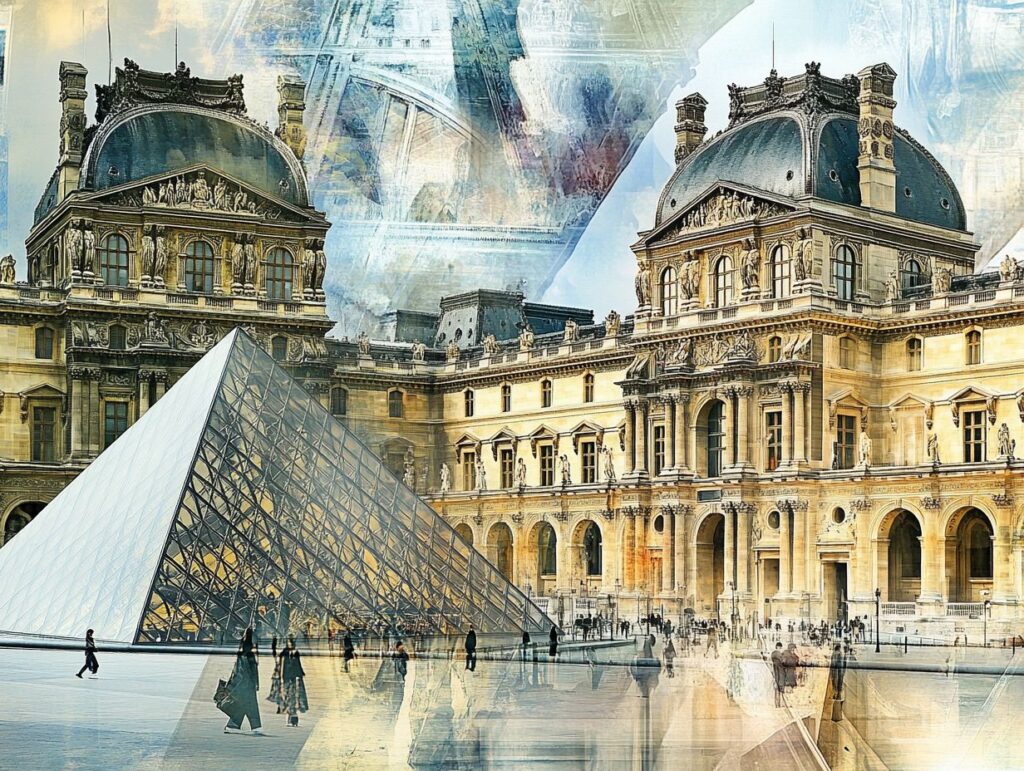
The Louvre, situated in Paris, France, holds the distinction of being the world’s largest art museum and serves as a significant historical monument within the city. It boasts an extensive collection of artworks and artifacts that encompass a wide array of cultures and time periods.
Originally constructed as a fortress in the late 12th century, the Louvre has evolved into a prominent institution of art and history, drawing millions of visitors annually.
Among its renowned masterpieces are the Mona Lisa, the Venus de Milo, and numerous other treasures that exemplify the rich tapestry of human expression and creativity.
History and Highlights of the Museum
The history of the Louvre can be traced back to the late 12th century when it was constructed as a fortress for King Philip II. It later transformed into a royal palace and ultimately evolved into a public museum, which officially opened its doors in 1793 during the French Revolution.
This transformation represented a significant moment in cultural history, as the Louvre began to house an extensive collection of art and artifacts that reflect global heritage. Over the centuries, the museum has undergone considerable architectural changes, including the addition of the iconic glass pyramid designed by I.M. Pei in 1989, which serves as a striking contrast to the traditional structures that comprise the museum.
The Louvre’s diverse collections, ranging from ancient Egyptian antiquities to Renaissance masterpieces, showcase the artistic movements that have influenced civilizations throughout history. Among its most renowned works are the Mona Lisa and the Venus de Milo, each exemplifying the essence of artistic genius across the ages. For those interested in a comprehensive overview, this analysis by the Louvre’s official website covers the full spectrum of implications.
The British Museum, London, UK
The British Museum, situated in London, United Kingdom, is recognized as one of the most comprehensive institutions dedicated to the study of human history, art, and culture.
The museum boasts an extensive collection of over eight million artifacts sourced from various regions of the world. Established in 1753, this esteemed institution presents invaluable pieces that illustrate the narratives of civilizations from ancient times to the contemporary era.
Visitors have the opportunity to engage with diverse exhibitions that include significant artifacts such as the Rosetta Stone and the Elgin Marbles, thereby positioning the museum as a crucial destination for the exploration of global heritage and history.
Notable Artifacts and Exhibits
The British Museum is esteemed for its extensive collection of significant artifacts, including the Rosetta Stone, which was instrumental in the deciphering of Egyptian hieroglyphs, and the Parthenon Marbles, which exemplify the artistry of classical Greece.
The museum’s collection encompasses items such as Egyptian mummies, which offer profound insights into ancient burial practices and beliefs concerning the afterlife.
Additionally, the remarkable Assyrian sculptures reflect the imperial power and advanced artistry of the ancient Near East.
Each artifact conveys a distinct narrative, enhancing the understanding of global cultures and histories. These exhibits not only fulfill the museum’s mission to educate the public but also provide enriching experiences for visitors, enabling them to engage directly with our shared heritage and fostering a sense of curiosity and appreciation for the past.
The Metropolitan Museum of Art, New York City, USA
The Metropolitan Museum of Art, situated in New York City, USA, stands as one of the largest and most esteemed art museums globally, boasting a collection that encompasses over 5,000 years of artistic history, ranging from ancient Egyptian artifacts to contemporary masterpieces.
Established in 1870, the Met has evolved into a cultural landmark, presenting a wide array of artistic expressions across diverse mediums and cultures. The museum’s exhibitions attract millions of visitors each year, providing a distinctive opportunity to delve into the rich tapestry of the world’s artistic heritage.
Collections and Must-See Pieces
The collections at the Metropolitan Museum of Art feature essential works, including Vincent van Gogh’s ‘The Starry Night,’ which captivates audiences with its dynamic portrayal of the night sky, as well as significant artifacts such as the Egyptian Temple of Dendur, exemplifying the museum’s diverse artistic heritage. According to Khan Academy, this masterpiece reflects Van Gogh’s unique use of color and brushwork, offering profound insight into his artistic vision.
Through meticulously curated exhibitions, visitors are afforded the opportunity to immerse themselves in the rich narratives conveyed by these masterpieces. For instance, the impressive displays of European masterpieces not only showcase the individual brilliance of artists such as Rembrandt and Vermeer but also reflect the broader cultural movements of their respective eras.
Additionally, the intricately detailed artifacts from various ancient civilizations are carefully arranged to evoke their historical contexts, prompting guests to reflect on the legacies that continue to shape our contemporary world.
Such experiences underscore the museum’s role as a vital educational resource, providing profound insights into art history and cultural evolution, thus rendering each visit not only enjoyable but also deeply enriching.
The Hermitage Museum, St. Petersburg, Russia
The Hermitage Museum in St. Petersburg, Russia, is recognized as one of the largest and oldest museums globally, housing a collection that exceeds 3 million items, ranging from ancient artifacts to European masterpieces.
Established in 1764 by Catherine the Great, the museum has expanded to include six historic buildings, most notably the impressive Winter Palace.
The Hermitage attracts numerous visitors who seek to engage with its extensive collections, distinguished exhibitions, and the architectural grandeur of its facilities, all of which provide valuable insights into Russian history and the broader spectrum of global art.
Overview of the Museum and its Treasures
The Hermitage Museum houses an extensive collection of treasures, including Leonardo da Vinci’s ‘Benois Madonna’ and works by Rembrandt, which exemplify the pinnacle of artistic achievement across various centuries. According to Britannica, this esteemed institution not only presents masterpieces from the Italian Renaissance and the Dutch Golden Age, but it also features artifacts that reflect a wide range of cultures and historical periods, serving as a true testament to human creativity and expression.
Visitors to the museum have the opportunity to admire intricate sculptures from ancient Greece, captivating artifacts from Egypt, and an impressive collection of Impressionist masterpieces by renowned artists such as Monet and Van Gogh.
Each piece within the collection plays a crucial role in narrating the history of art and civilization, enabling the public to appreciate the interconnectedness of cultural heritage and the evolution of artistic styles over time.
The Prado Museum, Madrid, Spain
The Prado Museum in Madrid, Spain, is renowned for its exceptional collection of European art, particularly the masterpieces created by renowned Spanish artists such as Velázquez and Goya.
Established in 1819, the museum features a diverse array of artworks that encompass the period from the Middle Ages to the early 20th century, illustrating the evolution of artistic expression and the cultural contexts surrounding each piece.
Visitors to the Prado have the opportunity to engage deeply with the beauty of its collections and the historical significance they embody.
Masterpieces and Unique Features
The Prado Museum is esteemed for its exceptional masterpieces, including ‘Las Meninas’ by Diego Velázquez and ‘The Third of May 1808’ by Francisco Goya, which are integral to the comprehension of Spanish art and history.
Housed within a remarkable neoclassical building designed by architect Juan de Villanueva, the museum’s layout effectively directs visitors through its extensive collections. The spacious galleries facilitate a thoughtful appreciation of each artwork, promoting contemplation of their historical contexts.
For example, ‘Las Meninas’ is often lauded not only for its intricate composition and rich detail but also for its profound commentary on the nature of reality and representation. Conversely, Goya’s ‘The Third of May 1808’ powerfully depicts the atrocities of war, serving as a poignant critique of violence.
Collectively, these works invite viewers to engage with the broader narratives of Spanish society and the evolution of artistic expression.
The National Museum of China, Beijing, China
The National Museum of China, situated in Beijing, serves as a significant representation of China’s extensive history and culture, featuring a vast collection of over 1 million artifacts that encompass a timeline from ancient times to the present.
Established in 2003, the museum effectively integrates the historical narrative of China with its artistic expressions, illustrating the evolution of Chinese civilization through a diverse range of exhibitions that attract both domestic and international visitors.
As one of the largest museums globally, it plays an essential role in the preservation and promotion of China’s cultural heritage.
History and Cultural Significance
The National Museum of China holds significant cultural importance, encapsulating the historical journey of one of the world’s oldest civilizations. Its exhibits meticulously detail the rise and fall of dynasties as well as the evolution of Chinese society.
This esteemed institution serves as a custodian of China’s rich heritage, exhibiting a vast collection of important artifacts that range from ancient pottery and silk to intricate jade carvings and traditional attire. Each item is intricately interwoven into the cultural tapestry of the nation.
Through dynamic exhibitions that encompass thousands of years, visitors are afforded insights into the philosophies, innovations, and artistic expressions that have fundamentally shaped China. By presenting these influential narratives, the museum cultivates a deeper appreciation for Chinese culture, enabling individuals to connect with the past in a significant manner and comprehend the enduring legacies that continue to impact contemporary China.
The National Gallery, London, UK
The National Gallery in London, UK, is a distinguished art museum that boasts an extensive collection of Western European paintings dating from the 13th to the 19th centuries, firmly establishing itself as a cornerstone of cultural education for visitors globally.
Founded in 1824, the gallery showcases iconic works by esteemed artists such as Van Gogh, Monet, and Turner, facilitating a profound exploration of art history and its cultural relevance.
Plus granting access to celebrated masterpieces, the museum also hosts thoughtfully curated exhibitions that engage visitors with the evolving narrative of art.
Artworks and Exhibitions
The National Gallery houses a diverse collection of artworks, featuring masterpieces such as ‘The Fighting Temeraire’ by J.M.W. Turner and ‘The Arnolfini Portrait’ by Jan van Eyck. These significant works are crucial for comprehending the evolution of art across various centuries.
These masterpieces not only exemplify the technical excellence and stylistic innovations characteristic of their respective periods but also offer profound insights into the social and political contexts of their times. For instance, Turner’s evocative depiction of the final days of the esteemed ship conveys themes of nostalgia and the inexorable passage of time, while Van Eyck’s painting provides a nuanced perspective on marriage and wealth in the 15th century.
Additionally, the gallery frequently organizes themed exhibitions that examine the impact of the Renaissance on modern art, enabling visitors to engage more deeply with the narratives surrounding these timeless pieces. This approach enhances their understanding and appreciation of the intricate tapestry of art history.
The Vatican Museums, Vatican City
The Vatican Museums, situated in Vatican City, represent a distinguished collection of art and historical artifacts that illustrate the rich heritage of the Catholic Church. They display masterpieces from esteemed artists, including Michelangelo and Raphael.
Established in the early 16th century, these museums contain some of the most significant artistic treasures in the world, such as the Sistine Chapel, celebrated for its stunning frescoes that portray biblical narratives.
Each year, millions of visitors are drawn to the Vatican Museums to engage with the profound intersection of art, faith, and history.
Religious and Historical Artifacts
The Vatican Museums house a significant collection of religious and historical artifacts, including ancient manuscripts, sculptures, and tapestries that provide valuable insights into the development of the Catholic faith and its artistic manifestations.
Among these remarkable treasures, the Raphael Rooms stand out, featuring frescoes that not only embody theological themes but also reflect the humanist ideals of the Renaissance. Each brushstroke conveys narratives of saints and biblical events, serving as a visual scripture that enhances the understanding of religious narratives.
The impressive collection of religious manuscripts offers a glimpse into the scholarly pursuits of the Church across the centuries, highlighting the essential role these texts have played in the dissemination of faith.
By engaging with these significant artifacts, visitors cultivate a deeper appreciation for the intricate relationship between art, history, and spirituality, resulting in a profoundly enriching experience.
The Smithsonian Institution, Washington D.C., USA
The Smithsonian Institution, located in Washington D.C., USA, comprises a consortium of museums and research centers dedicated to the advancement and dissemination of knowledge.
It houses an extensive collection that spans the fields of art, history, culture, and science. Established in 1846, the Smithsonian offers visitors a valuable educational experience through its diverse exhibitions, which encompass topics ranging from American history and art to cultural artifacts sourced from various regions worldwide.
Its renowned museums, such as the National Museum of American History and the National Air and Space Museum, draw millions of visitors annually.
Overview of the Various Museums and Collections
The Smithsonian Institution comprises a diverse array of museums, each with its distinct focus and collections. Among these is the National Museum of African American History and Culture, which thoroughly examines the rich history and contributions of African Americans.
Plus this prominent museum, the Smithsonian offers venues such as the National Air and Space Museum, where visitors can gain insights into human aviation and space exploration. This museum showcases artifacts that range from the Wright Brothers’ pioneering flight to the Apollo lunar missions.
Similarly, the National Museum of Natural History presents a comprehensive selection of exhibitions that explore the Earth’s biodiversity and cultural heritage, featuring a wide array of items from dinosaur fossils to ancient gemstones.
Collectively, these museums promote a deeper understanding of collective history and cultural evolution, thereby enriching the experience of all individuals who visit.
The Acropolis Museum, Athens, Greece
The Acropolis Museum in Athens, Greece, represents a remarkable achievement in modern architecture, housing an extensive collection of artifacts from the Acropolis and surrounding archaeological sites.
This museum embodies the rich history and culture of Ancient Greece. Opened in 2009, it was specifically designed to exhibit the Parthenon sculptures and to offer insights into the daily life of Athenians during antiquity.
Visitors have the opportunity to engage with interactive exhibitions that elucidate the significance of the Acropolis, establishing it as a vital destination for those seeking to understand classical history.
Significant Artifacts and Exhibits
The Acropolis Museum showcases significant artifacts, including the Parthenon Marbles and the Kouros statues, which provide essential insights into ancient Greek art and the cultural importance of the Acropolis.
The museum boasts an impressive collection of pottery, featuring exquisite painted vases that depict both everyday life and mythological narratives from ancient Athens. These artifacts serve as critical evidence for understanding the societal norms, religious practices, and artistic techniques of the period.
Visitors have the opportunity to appreciate the intricate craftsmanship of Hellenistic sculptures while gaining insight into their representation of ideals and the role of art in public life. Through these exhibits, a deeper appreciation for ancient Greek civilization is fostered, enabling guests to connect with the past in a meaningful and enriching manner.
The State Hermitage Museum, Amsterdam, Netherlands
The State Hermitage Museum in Amsterdam, Netherlands, is esteemed for its extensive and diverse collections, which encompass over three million artworks and historical artifacts from various cultures and time periods. This positions the museum as a significant cultural institution.
Founded in 1764, the museum’s collection features paintings, sculptures, and decorative arts from Europe and beyond, showcasing the rich tapestry of human creativity throughout history.
Visitors to the museum have the opportunity to engage with exceptional exhibitions that vividly present these treasures, all while exploring the architectural grandeur of the institution.
Unique Collections and Highlights
The State Hermitage Museum boasts a remarkable collection of artworks, including pieces by renowned artists such as Rembrandt, Michelangelo, and Van Gogh, underscoring the museum’s position as a prominent global art center.
Recognized for its extensive range of masterpieces, the museum not only showcases these iconic figures but also provides valuable insights into various art movements through exhibitions such as ‘The Age of Impressionism’ and ‘The Legacy of the Renaissance.’
Visitors have the opportunity to admire Rembrandt’s emotive portraits, examine Michelangelo’s intricate sculptures, and appreciate the vibrant colors of Van Gogh’s landscapes.
Each exhibition is meticulously curated to promote engagement, enabling attendees to comprehend the historical context and creative evolution of the artworks. This thoughtful approach creates an immersive experience that appeals to both art enthusiasts and casual visitors.