Selecting the appropriate kitchen cabinets can significantly enhance your multifamily housing space by achieving a harmonious balance between functionality, modern aesthetics, and style, all while adhering to budgetary constraints. This guide is designed to assist you in identifying your specific needs and preferences, evaluating the various types of cabinetry-namely, custom, semi-custom, and stock-and considering essential factors such as materials and design elements. Additionally, you will discover strategies for maximizing storage and space, explore a range of styles and finishes, and learn about the maintenance required to ensure the longevity of your cabinetry. Prepare to create a sophisticated environment that reflects your unique aesthetic.
Table of Contents
Key Takeaways:
- Clearly define your functional and aesthetic needs before choosing cabinetry.
- Consider your budget and explore custom, semi-custom, and stock options.
- Maximize storage and organization while exploring different cabinetry styles and finishes.
Understanding Your Needs and Preferences
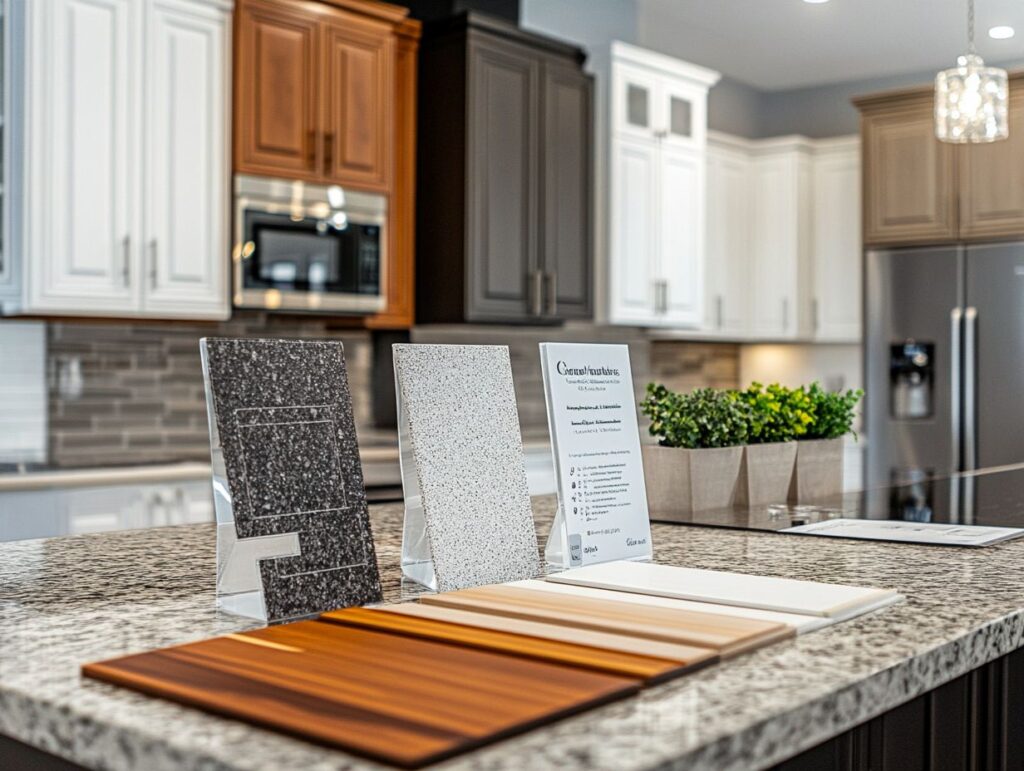
When undertaking a multifamily housing renovation project, it is imperative for property managers and designers, such as those from Multi-Housing Depot, to gain a comprehensive understanding of their clients’ needs and preferences, as these factors significantly influence the overall success of the project.
By meticulously evaluating specific requirements and aesthetic aspirations, particularly in areas such as kitchen design, managers can ensure that the chosen cabinetry aligns with both functionality and style, thereby creating spaces that are not only practical but also visually appealing. For instance, guidelines from Better Homes & Gardens highlight critical aspects of kitchen design that can enhance both workflow and aesthetics.
Furthermore, consideration of elements such as precise measurements and the use of durable materials will facilitate the development of custom cabinets that adhere to contemporary standards and preferences.
Determining Functionality and Aesthetic Goals
Determining the functionality and aesthetic objectives of a kitchen renovation is critical for achieving a cohesive and practical space, particularly in multifamily housing projects where shared kitchens may be present and require versatile designs.
In such settings, the selection of cabinet styles and the overall kitchen layout become increasingly significant, as the design must accommodate diverse cooking habits and preferences while also preserving a contemporary appeal.
Utilizing streamlined cabinet styles that harmonize form and function can enhance the aesthetic of the room, ensuring that it remains both inviting and practical.
Incorporating personalized elements, such as customized cabinet handles or color accents, can reflect the tastes of the occupants and improve the overall user experience.
A meticulously planned workflow is essential, as it promotes seamless movement between key areas-such as the stove, sink, and refrigerator-facilitating efficient meal preparation and organization. This approach ensures that the kitchen is not only visually appealing but also a highly functional space.
Types of Cabinetry for Multifamily Projects
When selecting cabinetry for multifamily housing projects, it is crucial to carefully consider the various types of cabinetry available, including custom, semi-custom, and stock options. For context, HGTV provides an in-depth analysis on the different cabinet types, helping you determine which might be best for your project.
Each category presents unique benefits and design opportunities that can significantly impact the overall aesthetic and functionality of the space, offering budget options for diverse multifamily projects.
Comparing Custom, Semi-Custom, and Stock Options in Multifamily Projects
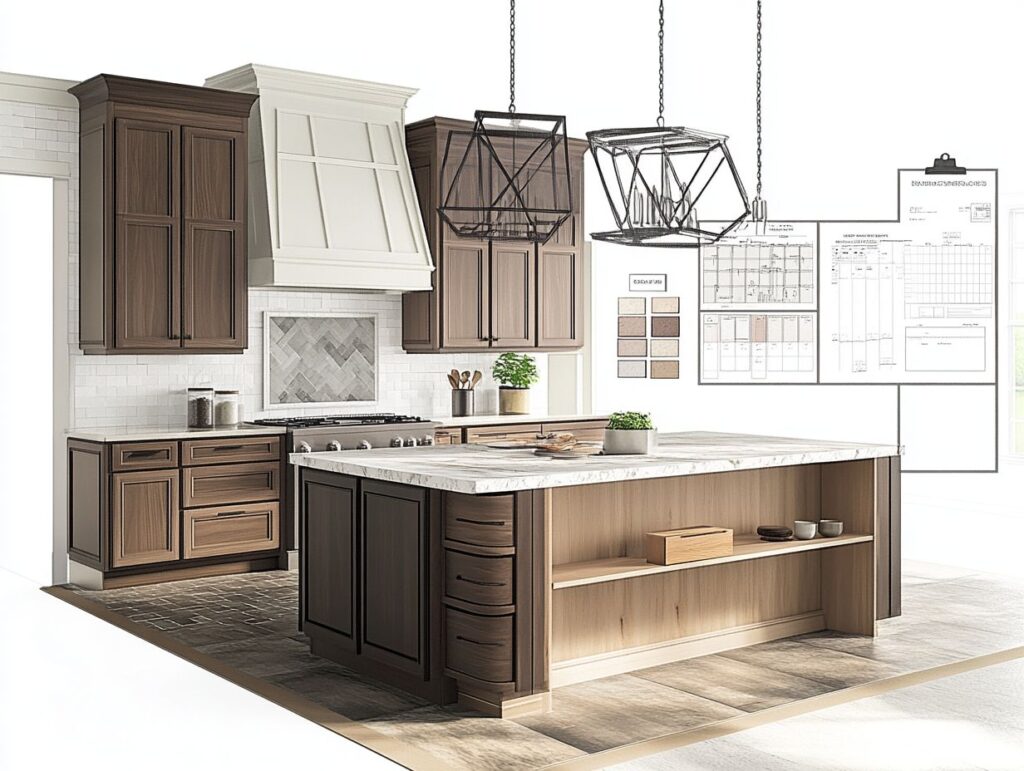
Custom cabinets, semi-custom options, and stock cabinetry each present distinct advantages in multifamily housing projects, making it essential to evaluate these alternatives based on budget, style, and installation costs.
For example, custom cabinets, such as those offered by Acacia Cornerstone, provide a tailored solution that accommodates specific spatial requirements and enhances aesthetic appeal with high-end finishes; however, they typically come with a higher price point and a longer installation timeline.
Semi-custom options provide a middle ground, delivering design flexibility while remaining more budget-friendly and allowing for quicker installation, making them suitable for projects with tighter deadlines.
Conversely, stock cabinetry, although limited in style choices, generally incurs the lowest installation costs and can expedite timelines for projects where uniformity and speed are paramount.
Each cabinetry type can effectively cater to diverse project needs, whether the focus is on luxury living spaces or functional areas where cost-efficiency is imperative.
Factors to Consider When Choosing Cabinetry for Multifamily Housing
Selecting the appropriate cabinetry for multifamily housing renovations necessitates a thorough evaluation of several key factors, including budget constraints, kitchen materials, and the preferred cabinet colors and hardware.
These elements, including neutral tones and earthy hues, should be thoughtfully considered to enhance the overall aesthetic of the space.
Budget, Materials, and Design Elements
When planning a kitchen renovation, it is essential to understand the relationship between budget considerations, material selection, and design elements to create a successful and visually appealing environment.
Many homeowners encounter the challenge of balancing a constrained budget with the desire for high-quality, durable materials. Selecting materials that provide both longevity and aesthetic value can significantly enhance the overall worth of the space while remaining within financial constraints.
A prominent trend that has emerged is the use of two-tone cabinets painted in earthy tones, which add warmth and sophistication to the kitchen. This design choice not only makes a bold statement but also allows for personal expression, effectively merging practicality with style. For those interested in a comprehensive overview of cabinet trends, this analysis by Real Simple covers the full spectrum of design innovations expected in 2025.
By thoughtfully incorporating these elements, it is possible to achieve a remarkable kitchen that meets the standards of both durability and visual appeal.
Maximizing Kitchen Storage and Space with Cabinetry
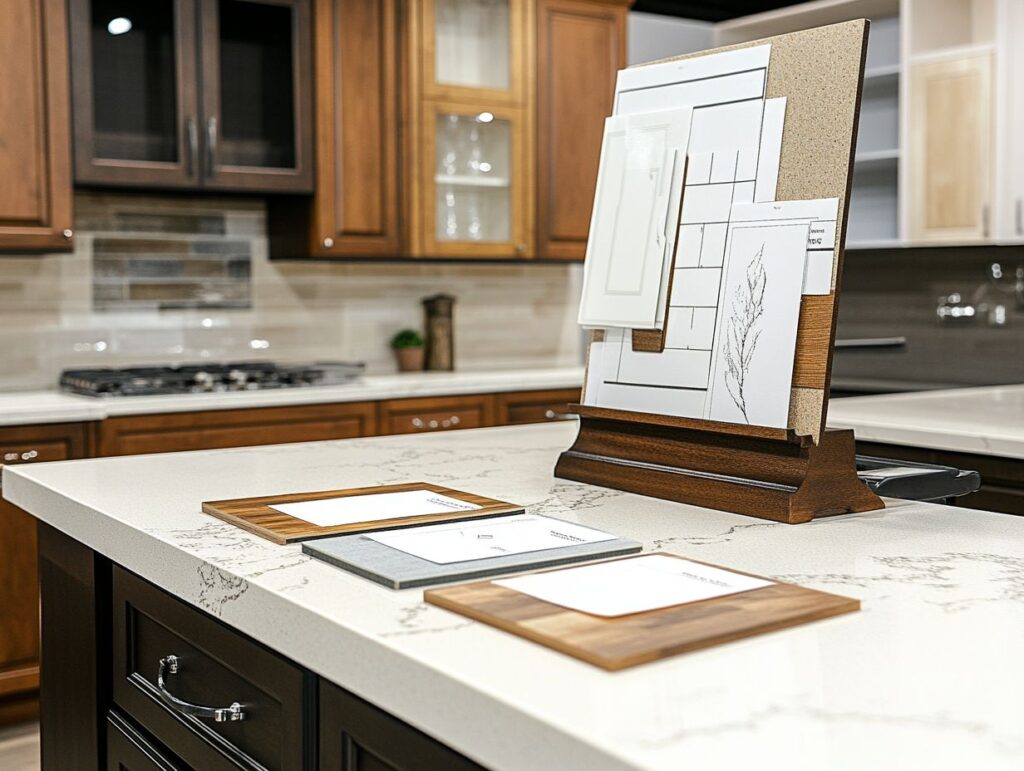
Maximizing space and storage in multifamily kitchens is a crucial consideration for property managers and designers.
Effective cabinetry plays a significant role in enhancing both kitchen storage and efficient workflow within these communal areas.
Strategies for Organizing and Utilizing Space
Implementing effective strategies for organizing and utilizing space in kitchen cabinetry can significantly enhance kitchen storage and improve the overall user experience in multifamily housing environments.
To achieve this, it is essential to evaluate various cabinet hardware options and layout designs that align with specific requirements.
For example, incorporating pull-out shelves and lazy Susans facilitates easier access to items, while glass-front cabinets not only display dishware but also create an illusion of a more spacious environment.
Accurate measuring planning is crucial during the renovation projects phase, as it ensures that every inch of space is optimized, promoting a seamless flow and functionality in the kitchen.
Additionally, consideration should be given to under-cabinet lighting to enhance visibility, making it easier to locate essential cooking tools or ingredients while simultaneously elevating the overall ambiance of the kitchen.
Cabinetry Styles and Finishes for Modern Kitchens
Exploring cabinetry styles and finishes is crucial for achieving a cohesive and modern aesthetic in multifamily housing kitchens. Thoughtful design selections can greatly enhance the visual appeal of the space.
Exploring Different Cabinet Styles and Design Options
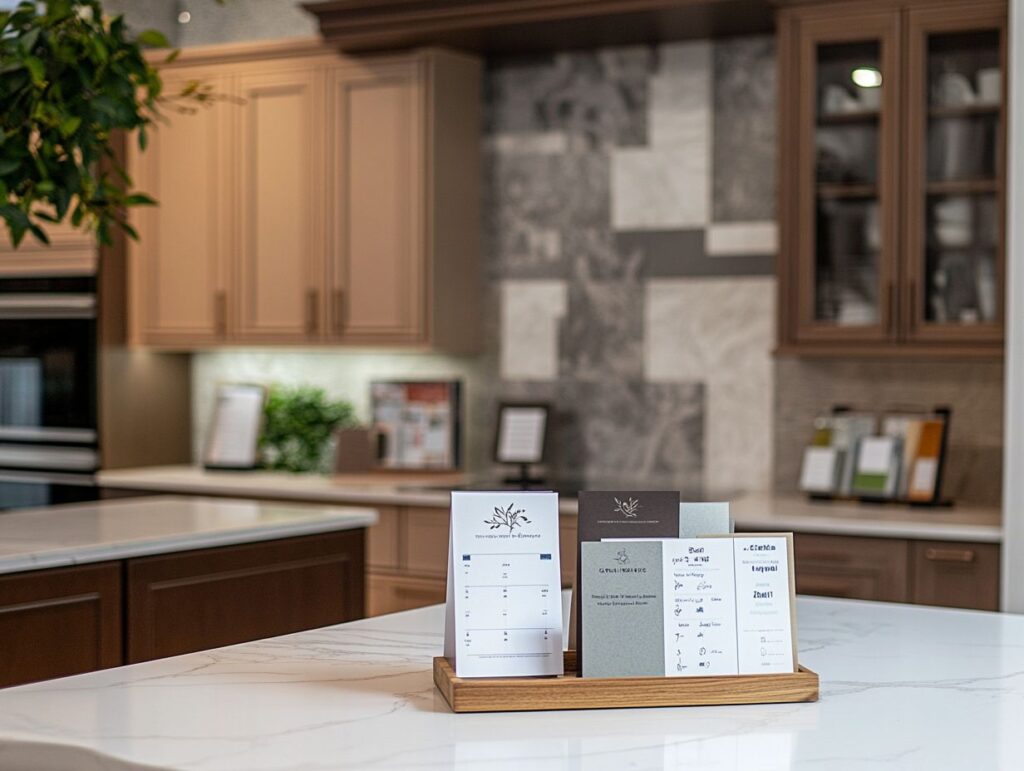
Exploring various design options for cabinetry enables property managers to select styles that feature high-end finishes, neutral tones, and personalized elements, thereby accommodating the diverse preferences of multifamily housing residents.
This range of choices significantly enhances the overall aesthetic appeal of both communal areas and individual units. From sleek, modern designs characterized by minimalist hardware to more traditional and ornate cabinetry, the options available are extensive and impactful.
By incorporating earthy hues such as soft browns, muted greens, and warm creams, property managers can cultivate an inviting atmosphere that evokes a sense of comfort and homeliness.
These deliberate selections not only enhance visual appeal but also contribute to a sense of well-being among residents, ultimately fostering a community that prioritizes both style and functionality, incorporating personalized touches.
Maintaining and Caring for Your Multifamily Housing Cabinetry
Proper maintenance and care of cabinetry is essential for ensuring long-term durability and aesthetic appeal, especially in multifamily housing environments where kitchens experience significant usage and necessitate regular upkeep.
Tips for Long-Term Durability and Beauty
To ensure the long-term durability and aesthetic appeal of cabinetry, it is essential to implement proper cleaning techniques and select high-quality finishes, such as those offered by Home Art Tile Showroom, that maintain both functionality and visual integrity.
Regularly wiping down cabinet hardware with a soft, damp cloth is advisable to prevent the accumulation of grime, grease, and dust, which can dull the finish and contribute to potential wear over time. For metal components, utilizing a gentle cleaner specifically formulated for the material can help prevent tarnishing, while wooden surfaces benefit from the periodic application of an appropriate wood conditioner.
Avoiding harsh chemicals is crucial for preserving the integrity of the finishes, thereby enhancing the overall beauty and resilience of the cabinetry. By establishing a cleaning schedule and employing suitable products, homeowners can significantly extend the lifespan of their cabinetry, ensuring it remains fresh and inviting for years to come.