In today’s fast-paced environment, mastering etiquette is essential for cultivating positive relationships in both social and professional contexts. While some may perceive good manners as outdated, they are instrumental in fostering meaningful connections and establishing a respectful atmosphere. This article outlines the top ten etiquette mistakes that individuals commonly make, ranging from neglecting basic manners to social media blunders and misusing technology. By recognizing and avoiding these pitfalls, individuals can enhance their social interactions and professional image, thereby paving the way for career development and success.
Table of Contents
Key Takeaways:
- Basic manners are essential in both social and professional settings, so make sure to always be polite and considerate of others.
- Being punctual and responding to invitations are important for maintaining good relationships and showing respect for others’ time.
- Dressing appropriately and following dress codes helps to make a good impression and shows professionalism in both social and professional settings.
Why Etiquette is Important in Social and Professional Settings

Workplace etiquette is of paramount importance in both social and professional settings, significantly impacting office dynamics, interpersonal relationships, and communication skills among employees, supervisors, and interns.
A comprehensive understanding of professional interactions not only fosters mutual respect but also establishes the foundation for effective teamwork and team collaboration. When individuals exhibit strong communication skills, it enhances trust and cultivates a sense of belonging within the organization.
The capacity to respond empathetically to colleagues promotes emotional intelligence and listening skills, resulting in more meaningful connections and facilitating smoother conflict resolution.
Moreover, maintaining personal boundaries is essential in a professional environment, allowing individuals to express themselves freely while also respecting the limits of others. Such an atmosphere encourages creativity and innovation, enabling employees to contribute their best ideas and efforts toward shared objectives. For those interested in a comprehensive overview, this analysis by McKinsey covers the full spectrum of implications, ultimately enhancing overall workplace satisfaction and professional growth.
Top 10 Etiquette Mistakes to Avoid
In the context of workplace etiquette, it is essential to avoid common mistakes in order to uphold a positive attitude, maintain a professional image, and facilitate effective communication within the office environment.
By being mindful of contemporary social norms and proper conduct, employees can navigate the complexities of office life with greater ease and avoid social media blunders that could potentially harm their reputation. According to a recent publication from CNBC, understanding the rudest behaviors can help mitigate these risks.
Understanding proper email etiquette and developing situational awareness can significantly enhance interpersonal relationships, networking opportunities, and foster a culture of respect within the workplace.
Mistake #1: Lack of Basic Manners
A pervasive lack of basic manners in the workplace can result in misunderstandings and conflicts, undermining the foundation of respectful communication that is essential for effective collaboration.
Demonstrating good manners, such as using phrases like “please” and “thank you,” not only reflects emotional intelligence but also fosters a positive atmosphere among colleagues, supervisors, and interns.
When team members consistently exhibit courteous behavior, it encourages others to follow suit, thereby creating a cycle of respect at work and consideration.
For example, actively listening when another individual is speaking-by making eye contact and refraining from interruptions-demonstrates that their contributions are valued. This attentive demeanor enhances communication and often leads to more productive discussions and brainstorming sessions.
Moreover, small gestures, such as warmly greeting colleagues in the morning or acknowledging their contributions during meetings, can significantly boost morale.
Ultimately, cultivating an environment characterized by good manners strengthens interpersonal relationships, enhancing office dynamics and making collaboration smoother and more enjoyable for all involved.
Mistake #2: Being Late or Not RSVPing

Arriving late or failing to RSVP for meetings and company outings can be perceived as a lack of respect for others’ time and may hinder networking opportunities within the office environment. Punctuality is a fundamental aspect of workplace etiquette that reflects professionalism and reliability, contributing to a more efficient office atmosphere. According to Indeed, punctuality and consistent attendance are key to maintaining a professional image and successful career development.
When individuals consistently arrive late or neglect to confirm their attendance, it creates a ripple effect that disrupts planning and can lead to frustration among colleagues. For instance, if an employee misses the beginning of a crucial project meeting, they may miss essential discussions that shape the project’s direction, resulting in setbacks and a sense of exclusion.
Similarly, not responding to invitations for team outings can leave organizers in a difficult position as they attempt to accommodate everyone and may prevent team members from forming valuable connections outside their usual work environment.
Such behaviors ultimately undermine teamwork and can negatively impact one’s professional image, making it challenging to cultivate positive relationships and personal branding within the workplace.
Mistake #3: Not Paying Attention to Dress Code
Failure to adhere to the established dress code can create a disconnect within workplace culture and adversely affect the professional image of individuals in the organization. Appropriate attire is a fundamental aspect of workplace etiquette that demonstrates respect for the company and fellow employees, enhancing first impressions.
Dressing suitably can significantly influence how colleagues and clients perceive an individual’s professionalism and competence, affecting job performance. For example, a well-tailored suit can instill an immediate sense of reliability and authority, thereby enhancing interpersonal interactions and facilitating collaboration opportunities.
Conversely, casual or inappropriate attire may lead to misinterpretations regarding an individual’s capabilities and commitment, potentially undermining efforts to foster a harmonious workplace environment.
Aligning personal style with organizational standards can promote a sense of belonging and unity among team members, reinforcing the importance of taking pride in one’s appearance. This, in turn, contributes to the establishment of a positive environment where all individuals strive for excellence.
Mistake #4: Interrupting or Talking Over Others
Interrupting or speaking over others in conversations can be perceived as a lack of respect and an indication of inadequate communication skills, undermining the principles of active listening and collaboration within the workplace. Such behavior can stifle creativity and discourage open dialogue among colleagues.
When team members feel unheard, their motivation may diminish, leading to a detrimental atmosphere that hampers productivity. Therefore, it is essential to promote active listening to foster healthy interactions. This entails not merely hearing the words spoken but genuinely understanding the speaker’s perspective, which can be accomplished through techniques such as summarizing key points and asking clarifying questions.
Establishing ground rules for discussions, such as permitting each person to express their thoughts without interruption, can significantly enhance respect and communication. Ultimately, cultivating a culture of patience and attentiveness will enable teams to function more effectively and harmoniously.
Mistake #5: Using Inappropriate Language or Jokes
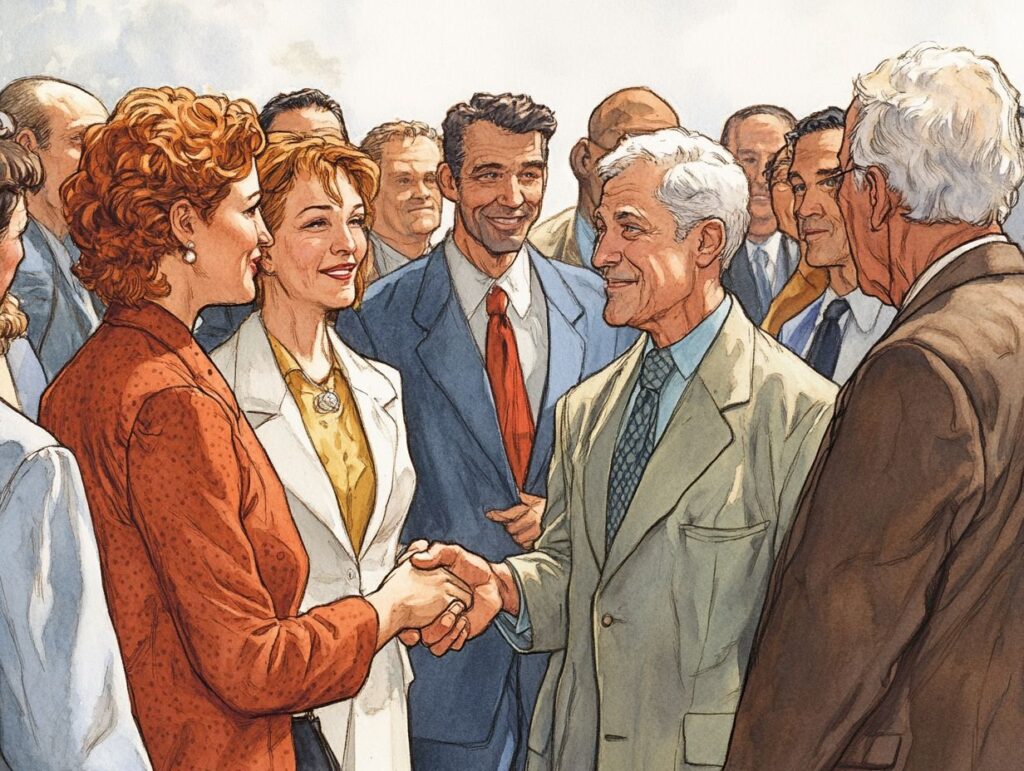
The use of inappropriate language or jokes in the workplace can lead to misunderstandings, discomfort, and a deterioration of workplace etiquette, which negatively affects emotional intelligence and team morale. Maintaining a professional demeanor is crucial for fostering a respectful work environment.
When professionals make careless remarks or attempt humor that is inappropriate, it can alienate colleagues, human resources department, and create an atmosphere of mistrust. Such behavior may also lead others to second-guess their interactions, thereby hindering effective collaboration.
Emotional intelligence is essential in guiding individuals through conversations and conflict resolution. Those who are attuned to their own emotions and those of their colleagues are better positioned to make informed decisions, fostering a constructive environment where everyone feels valued.
Consequently, cultivating emotional awareness can significantly enhance communication and strengthen interpersonal relationships, contributing to a cohesive and inclusive workplace.
Mistake #6: Not Being Mindful of Personal Space
Lack of awareness regarding personal space can lead to discomfort among colleagues, undermining the significance of personal boundaries and contributing to a negative workplace culture. Respecting personal space is a fundamental aspect of workplace etiquette that promotes improved interpersonal relationships and personal boundaries.
This concept extends beyond mere physical distance; it also involves the emotional comfort of individuals within a shared environment, considering personal emotions. When personal boundaries are acknowledged and respected, team members are more likely to feel safe and valued, which enhances their capacity for effective collaboration.
To foster an environment of mutual respect, individuals should engage in active listening, refrain from interrupting conversations, and remain cognizant of each other’s preferred communication styles.
Establishing clear guidelines regarding personal space in common areas can significantly enhance workplace culture, promoting a collaborative atmosphere where all employees can thrive.
Mistake #7: Not Showing Gratitude or Appreciation
Failing to express gratitude or appreciation for the efforts of others can diminish morale and weaken interpersonal relationships, both of which are essential for fostering a thriving workplace culture. Recognizing and valuing the contributions of colleagues promotes collaboration and enhances overall job performance.
When employees feel acknowledged for their hard work, it cultivates a sense of belonging and loyalty within the team. For example, a simple thank-you note for meeting a deadline or verbal praise during team meetings can significantly elevate an individual’s confidence and motivation.
Organizations that prioritize gratitude as a standard practice often experience lower turnover rates, as employees are more inclined to remain in environments where they feel valued.
Ultimately, this culture of appreciation not only enhances individual morale but also strengthens teamwork, making it easier to navigate challenges collectively, including crises that require effective crisis management and public relations strategies.
Mistake #8: Being Too Loud or Disruptive

Exhibiting disruptive behavior, such as excessive noise levels, can adversely affect office dynamics and divert colleagues’ attention from their tasks. This underscores the significance of situational awareness in upholding workplace etiquette. A thoughtful approach to one’s surroundings fosters a more harmonious work environment.
Such awareness not only aids in cultivating better relationships among team members but also ensures that the focus remains on productivity and collaboration. To reduce the likelihood of distractions, employees should strive to maintain an appropriate noise level, potentially utilizing noise-cancelling headphones during work hours or engaging in conversations in designated quiet areas.
Being mindful of one’s volume during phone calls or meetings can considerably enhance the collective atmosphere, enabling effective engagement and communication among all individuals involved. By embracing these practices, employees contribute to a culture of respect and teamwork that ultimately benefits the entire organization.
Mistake #9: Failing to Follow Proper Table Manners
Failing to observe proper table manners during business meals can significantly impact one’s professional image and may reflect a lack of understanding regarding workplace etiquette. It is crucial to know how to conduct oneself at the table, as this fosters positive impressions and facilitates respectful communication.
Table manners serve as indicators of an individual’s professionalism and cultural awareness. For example, utilizing utensils correctly, waiting for everyone to be served before commencing the meal, and engaging in meaningful conversation can contribute to a more pleasant atmosphere. Adhering to these norms not only demonstrates respect for the host and other attendees but also enhances the overall dining experience.
Conversely, neglecting such etiquette may lead to discomfort among participants and could obstruct potential business opportunities. Ultimately, exhibiting refined table manners during meals can strengthen professional relationships and leave a lasting, favorable impression.
Mistake #10: Forgetting to Use Technology Etiquette
Neglecting to adhere to technology etiquette can result in misunderstandings and social media missteps that may jeopardize professional relationships and communication. It is essential to be mindful of technology usage in the workplace to maintain a respectful and productive environment.
Given the increasing prevalence of remote work and virtual collaboration, grasping proper email communication and understanding the appropriate use of social media has become imperative. Professionals should aim to maintain a tone that reflects respect and clarity in their written correspondence, ensuring that messages are both concise and informative.
It is also crucial to recognize the distinction between personal and professional social media interactions, as inappropriate posts have the potential to backfire significantly. To enhance workplace relationships, individuals should carefully review their messages for tone, refrain from impulsive responses, and adhere to established guidelines regarding the sharing of company-related content online.
By promoting an environment of respectful communication, organizations can minimize misunderstandings, leading to improved teamwork and camaraderie, facilitated by etiquette experts like Joy Weaver and Kris Ruby from Ruby Media Group.