Fiber and textile arts represent a dynamic domain of creativity in which fabrics and threads are transformed into remarkable works of art, showcasing the diverse potential of fiber arts. Whether one is captivated by the intricate beauty of embroidery, the rhythmic process of knitting, or the tactile experience of felting, this guide provides an overview of essential techniques and tools to initiate one’s journey in these crafts, including charming DIY projects. Individuals are encouraged to explore various styles, such as sashiko stitching and shibori technique, gather inspiration, and engage with fellow artists while immersing themselves in this enriching field. Delve into the myriad possibilities that lie ahead in the world of DIY Fall crafts and fall craft tutorials.
Table of Contents
Key Takeaways:
- Get creative with a variety of techniques in fiber and textile arts, from embroidery to quilting.
- Invest in essential tools like needles, looms, and fabric to bring your ideas to life.
- Explore styles and connect with other artists to find inspiration and develop your skills in the world of fiber and textile arts.
What are Fiber and Textile Arts?
Fiber and textile arts encompass a diverse array of creative practices that involve the manipulation of fibers and fabrics to produce both functional and artistic works. These arts include various textile crafts such as knitting, crocheting, weaving, embroidery, quilting, and felting, each employing distinct techniques and tools that encourage exploration and innovation.
The appeal of fiber arts lies in their capacity to transform simple materials into engaging DIY projects that serve practical purposes while also providing meditative benefits through the creative process.
With roots extending back thousands of years, the history of fiber arts reflects cultural heritage and human ingenuity. From ancient civilizations utilizing plant fibers for clothing to contemporary artisans embracing sustainable practices, these crafts continue to evolve. As discussed in The New York Times, fiber art is finally being taken seriously, highlighting its cultural and artistic significance.
Knitting, for example, has transitioned from a necessary skill for warmth into a prevalent hobby characterized by thriving communities centered around collaboration and creativity, often utilizing the knitting technique. Similarly, crocheting presents a unique approach to sculpting fabric into intricate designs.
Weaving, in contrast, highlights the complexities of interlacing threads, resulting in stunning patterns and textures, incorporating diverse weaving embroidery methods. Collectively, these practices not only inspire personal expression but also facilitate connections across generations through the sharing of knowledge in DIY textile projects.
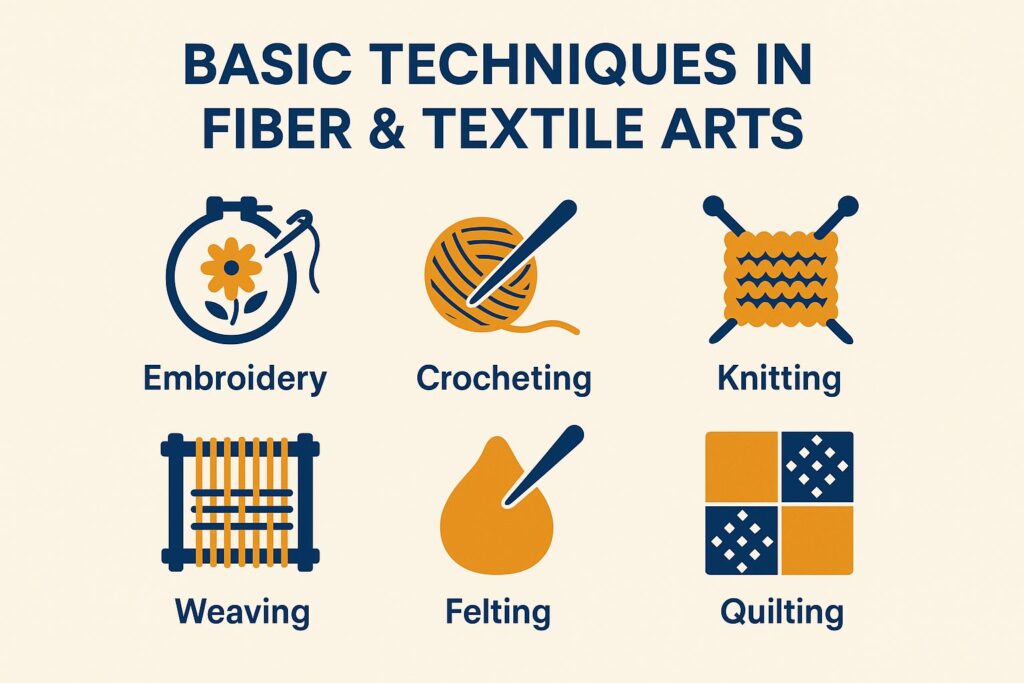
Basic Techniques in Fiber and Textile Arts
A comprehensive understanding of the fundamental techniques in fiber and textile arts, including the curing dyes and cellulose fiber techniques, is essential for individuals intending to engage in these creative practices, regardless of their level of experience.
These techniques serve as the foundation for a variety of projects, including cozy knitwear, intricate embroideries, and stunning quilts, as well as woven wall hangings, each presenting distinct challenges and rewards. For those seeking a deeper dive into these methods, The Complete Photo Guide to Textile Art from Amazon offers extensive visual resources that can enhance your understanding of these traditional techniques.
Embroidery
Embroidery is a distinguished textile craft that involves enhancing fabric through decorative needlework, enabling artisans to convey their creativity through intricate designs and embellishments, often using the appliqu technique. This technique utilizes fundamental stitches, such as thread lace and thread painting, and a variety of materials to produce visually striking elements that elevate the aesthetic appeal of garments, home dcor, and other items.
The art of embroidery allows enthusiasts to merge various skills and techniques, bringing their creative visions to fruition. Among the essential stitches, the satin stitch is frequently preferred for its smooth and luxurious finish, making it ideal for filling shapes. In contrast, the backstitch is valued for providing strong and defined outlines for intricate patterns.
Many beginners discover that exploring these foundational techniques, supplemented by informative tutorials and diagrams, renders the learning process both accessible and enjoyable. As they cultivate their confidence, they can effortlessly progress from simpler projects to more complex creations, ultimately resulting in personalized pieces that reflect their distinctive style and artistic expression. For those interested in a comprehensive overview, this guide by Instructables offers step-by-step instructions that are highly valuable for both novices and experienced embroiderers.
Crocheting
Crocheting is a versatile fiber art that employs a hooked needle to fabricate textiles from yarn, facilitating the creation of a wide array of appealing DIY projects, ranging from cozy knitwear to home decor, including crazy patch work and bead application. This engaging craft involves the mastery of fundamental stitches and can be enjoyed by both novices and seasoned crafters alike, with step-by-step instructions and helpful diagrams.
By acquiring essential techniques, such as the chain stitch-which serves as the foundational element for many patterns-and the double crochet, recognized for its height and texture, individuals can easily embark on their crocheting journey.
For beginners, it is advisable to select straightforward projects, such as a dishcloth or a scarf, as these allow the new crocheter to practice and refine their skills.
Step-by-step instructions can effectively guide individuals through each stitch until they gain the confidence to explore their creative potential, ultimately transforming their ideas into exquisite handmade items.
Knitting
Knitting is a widely practiced fiber art that involves the interlocking of yarn to create fabric, offering numerous opportunities to produce items ranging from cozy knitwear to intricate designs. This craft necessitates essential tools, such as needles and yarn, as well as a comprehensive understanding of how to read patterns in order to successfully execute various designs.
Different knitting techniques, including the continental and English methods, can significantly influence the flow and tension of a project, allowing knitters to explore personal styles, aided by troubleshooting tips. Beginners may find it beneficial to start with simpler patterns that utilize basic stitches, such as knit and purl, before progressing to more complex designs.
Selecting the appropriate materials, from soft wool to durable acrylics, is vital for achieving the desired outcomes. Furthermore, understanding pattern abbreviations and symbols is essential for accurately interpreting instructions.
Engaging with knitting communities can also provide valuable support and inspiration as individuals embark on their knitting journey.
Weaving
Weaving is a fundamental textile craft that involves the interlacing of threads to create fabric, providing opportunities for the exploration of texture, color, and design, and incorporating techniques like silk fusion and silk screen. This engaging process encompasses a range of methodologies, from traditional techniques utilizing looms to modern practices that produce exquisite woven wall hangings and other decorative items, often using the collage technique.
By acquiring knowledge of various weaving techniques, such as plain weave, twill, and satin, enthusiasts can develop unique patterns and textures. Each technique necessitates specific tools, including looms, shuttles, and an assortment of yarns, all of which significantly influence the final outcome.
For beginners, straightforward tutorials are available to guide them through basic projects, such as the creation of coasters or woven bookmarks, while highlighting the importance of fabric manipulation and design principles.
Successfully mastering these initial projects can help build confidence and inspire creativity, paving the way for the development of more intricate designs and personalized woven pieces.
Felting
Felting is a distinctive fiber art that transforms wool fibers into a dense material through the application of moisture, heat, and agitation, using felting techniques such as nuno felting and needle felting. This craft includes various techniques, such as needle felting and nuno felting, which enable artists to manipulate fabric into intricate shapes and designs.
The tactile nature of felting fosters creativity and exploration, rendering it an accessible hobby for artists and crafters of all skill levels. Beginners may initiate their journey with straightforward projects, such as felted coasters or small sculptures, gradually enhancing their confidence and skill set.
To create a basic felted project, one can gather wool roving, hot water, and soap, followed by shaping the wool through rolling and applying pressure, often enhanced by the foiling fabric method. As the fibers interlock, a transformative process occurs, revealing the beauty and versatility of felt.
From whimsical toys to exquisite wearable art, the potential within this craft is virtually limitless, inviting individuals to articulate their unique artistic visions.
Quilting
Quilting is a highly regarded textile craft that entails stitching together layers of fabric to produce a quilt, often featuring intricate designs and personalized patterns, utilizing piecing process and embellishment process methods. This craft encompasses the piecing process, essential tools, and fabric manipulation techniques that culminate in cozy and functional works of art.
For individuals seeking to embark on this creative endeavor, a comprehensive understanding of the piecing process is vital. This process involves cutting fabric into specific shapes, arranging them into aesthetically pleasing patterns, and sewing them together with precision.
Essential tools for quilting include the right yarns and:
- a rotary cutter
- a cutting mat
- a quilting ruler
These tools facilitate accurate cuts. The choice of fabric, ranging from solids to prints, can significantly influence the aesthetic outcome of the final product.
Beginners may find enjoyment in exploring straightforward projects, such as patchwork pillows or lap quilts, which provide opportunities for experimentation with color and texture while fostering a sense of accomplishment.
Furthermore, quilting emphasizes the artistic dimension of fabric manipulation, transforming textiles into narratives that often reflect personal stories and emotions.
Essential Tools for Fiber and Textile Arts
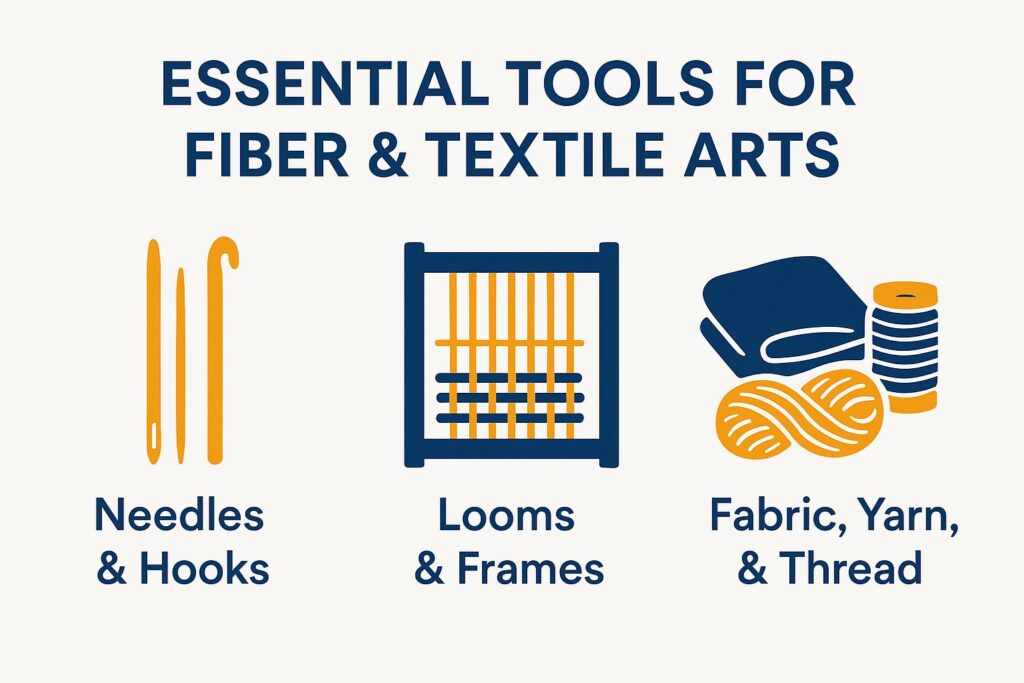
Possessing the appropriate tools is essential for effectively engaging in fiber and textile arts, as each craft necessitates specific equipment that enhances the creative process.
From needles and hooks used for knitting and crocheting to looms utilized for weaving and fabric selected for quilting, a thorough understanding of these essential tools can significantly enhance one’s crafting experience.
Needles, Hooks, and Beginner Crafting Techniques
Needles and hooks are essential tools in the fiber arts, facilitating the creation of a wide range of textile crafts, including knitting and crocheting. A thorough understanding of the various types of needles and hooks, along with their specific applications, is crucial for achieving the desired results in any project.
Selecting the appropriate tools, along with understanding beginner crafting techniques, can significantly enhance both the enjoyment and success of one’s crafting endeavors. Knitting involves a variety of needle types; for instance, straight needles are utilized for flat pieces, while circular needles are employed to create seamless designs. Similarly, crochet enthusiasts can choose from an array of hook shapes and materials, which can greatly influence tension and the final appearance of the piece.
In both knitting and crocheting, it is important to consider the weight of the yarn and the complexity of the project when selecting specific sizes, just as in quilting and felting. Additionally, maintaining these tools is essential; regular cleaning and proper storage practices can help preserve their longevity, ensuring they remain in excellent condition for numerous future projects.
Looms, Frames, and Textile Techniques
Looms and frames are fundamental tools for weavers, providing the necessary structure to create intricate patterns and manipulate fabric effectively. These tools are available in various forms, each catering to distinct weaving techniques, thereby enabling artisans to experiment with texture and design.
Among the available options, rigid heddle looms stand out for their simplicity and efficiency, making them particularly suitable for beginners. In contrast, floor looms offer a more complex setup that caters to experienced weavers engaged in large-scale projects. Frame looms are especially beneficial for those interested in tapestry weaving, as they facilitate manual tension adjustments.
The selection of an appropriate loom requires careful consideration of the desired fabric type, project scale, and individual skill level. Choosing the right loom not only streamlines the weaving process but also significantly enhances creativity, allowing weavers to immerse themselves fully in their craft and explore new artistic possibilities.
Fabric, Yarn, and Thread
The selection of fabric and yarn is of paramount importance in any fiber art project, as these materials fundamentally influence the texture, appearance, and functionality of the final piece. A comprehensive understanding of the various types of fabrics and yarns available is essential for achieving success in textile crafts.
Different fabrics, such as cotton, linen, and silk, each possess distinct qualities that can impact various aspects of a project, including drape and durability. For example, cotton is widely regarded for its breathability and ease of maintenance, rendering it ideal for everyday items such as quilts and clothing. In contrast, silk provides a luxurious texture, making it suitable for more delicate or decorative applications.
In terms of yarn, options range from wool, known for its warmth and elasticity, to acrylic, which offers vibrant colors at a more affordable price point. Beginners are advised to procure materials from reputable suppliers or local craft stores to ensure quality.
Additionally, experimenting with different textures and weights, including the use of viscose rayon, will aid in identifying the most suitable options for their creative vision.
Inspiration for Fiber and Textile Arts: DIY Fall and Charming DIY Projects
Finding inspiration is a crucial component of engaging with fiber and textile arts, as it stimulates creativity and promotes the exploration of new techniques and styles.
Seasonal themes, such as DIY fall projects, along with the abundance of ideas accessible through online platforms, provide artists with a myriad of opportunities to articulate their artistic vision.
Exploring Different Styles and Techniques, Including Batik and Mud Cloth
Exploring various styles and techniques in fiber arts presents a remarkable opportunity for creativity and personal expression, enabling artisans to cultivate their unique aesthetic and skill set. From traditional practices to contemporary innovations, there exists a multitude of ways to engage with textile crafts and enhance one’s work.
By embracing a range of practices, such as weaving, quilting, or embroidery, individuals can uncover new dimensions in their artistic endeavors. Traditional methods often highlight meticulous craftsmanship and historical significance, whereas modern techniques may integrate elements such as digital textile printing or upcycled materials.
Encouraging artists to merge these influences promotes experimentation and innovation. Whether through the texture of hand-dyed yarns or the vibrant patterns achieved via mixed media, each choice enriches the overall artistic narrative.
This journey not only fosters the development of skills but also enhances one’s appreciation for the beauty and versatility inherent in fiber arts.
Finding Creative Inspiration through Hand-Dyeing Methods and Mola Design
Creative inspiration for fiber arts can originate from a variety of sources, including nature, art, and interactions within the community, often shared on platforms like YouTube. Engaging with fellow artists and exploring a range of textile crafts can stimulate new ideas and encourage artisans to undertake innovative DIY projects.
Participation in local events, such as fiber festivals or craft fairs, provides an excellent opportunity for individuals to connect, share resources, and learn from one another’s experiences. Additionally, online communities play a significant role in this creative process; platforms such as Instagram and Pinterest are replete with vibrant images that can inspire fresh concepts.
For those seeking more structured guidance, websites like CreativeBug and Skillshare offer an extensive array of classes tailored to various skill levels. Enrolling in local workshops not only enhances technical abilities but also cultivates a supportive network of fellow creators who can provide valuable feedback and encouragement throughout the creative journey.
Connecting with Other Artists and Communities through Stamping Technique and Textile Paint
Connecting with other artists and communities within the fiber arts domain can significantly enhance an individual’s creative journey, providing valuable opportunities for learning, collaboration, and support. Engaging with like-minded individuals can inspire innovative ideas and promote growth in textile crafts.
Exploring local groups such as knitting circles, quilting guilds, or weaving clubs can prove invaluable, especially for sharing crafting techniques like the salting method and stenciling process. These gatherings offer not only hands-on workshops but also opportunities to share techniques and experiences that deepen one’s understanding of fiber arts.
Online forums and social media platforms facilitate vibrant discussions where individuals can pose questions, seek advice, and showcase their work. Websites such as Ravelry and various Facebook groups serve as excellent starting points for building meaningful connections.
By actively participating in these communities and sharing insights or projects, artists can cultivate relationships that lead to collaborations, mentorships, and even lasting friendships, thereby enriching their overall experience in the fiber arts.