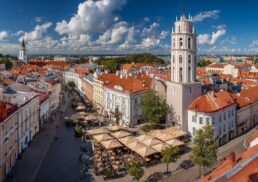
Andaluca, a vibrant region in southern Spain, represents a significant repository of history, culture, and remarkable landscapes. Its rich Moorish heritage and dynamic traditions invite travelers to explore essential destinations, ranging from the captivating streets of Seville to the magnificent Alhambra Palace in Granada. Visitors can discover iconic cities such as Crdoba and Ronda, enjoy the sun-drenched beaches of the Costa del Sol and explore the picturesque villages, and indulge in the region’s exquisite Andalusian cuisine and lively traditional festivals. A visit to Andaluca offers an opportunity to experience the essence of this remarkable region.
Table of Contents
Key Takeaways:
- Explore the rich cultural heritage of Andaluca, with must-see destinations like Seville, Granada, Crdoba, Ronda, and Mlaga.
- Experience the beauty of the Costa del Sol through its stunning beaches, charming coastal towns, and exciting outdoor activities and excursions.
- Immerse yourself in Andalucan culture by trying local cuisine, attending festivals, and admiring the region’s unique art and architecture.
Brief History and Cultural Significance
Andalusia, deeply rooted in a rich cultural heritage and Spanish history, is a region that has been significantly shaped by various civilizations, including the Romans, the Moors, and their architectural masterpieces. This influence is prominently reflected in its architectural masterpieces and vibrant culture. Renowned for its unique traditions and artistic heritage, this southern region of Spain exemplifies the interplay of diverse influences that collectively define its identity today.
Over the centuries, Andalusia has witnessed the emergence of exquisite architectural styles, such as Mudejar and Gothic, with notable examples including the stunning Alhambra, the royal palaces, and the magnificent cathedrals of Seville and Mlaga. For context, The New York Times provides an in-depth analysis on the enduring echoes of Moorish influence in Spain, highlighting its profound impact on architecture and culture.
Distinguished figures, such as the renowned poet Federico Garcia Lorca and the celebrated artist Pablo Picasso, have emerged from this culturally fertile landscape, making profound contributions to its artistic legacy.
Cultural traditions, including flamenco dance, lively local festivals such as Feria de Abril, and distinctive gastronomic offerings, provide valuable insights into the essence of the region.
These elements not only pay homage to Andalusia’s historical roots but also play a crucial role in shaping its modern identity, inviting visitors to engage with a rich tapestry of experiences that resonate through time.
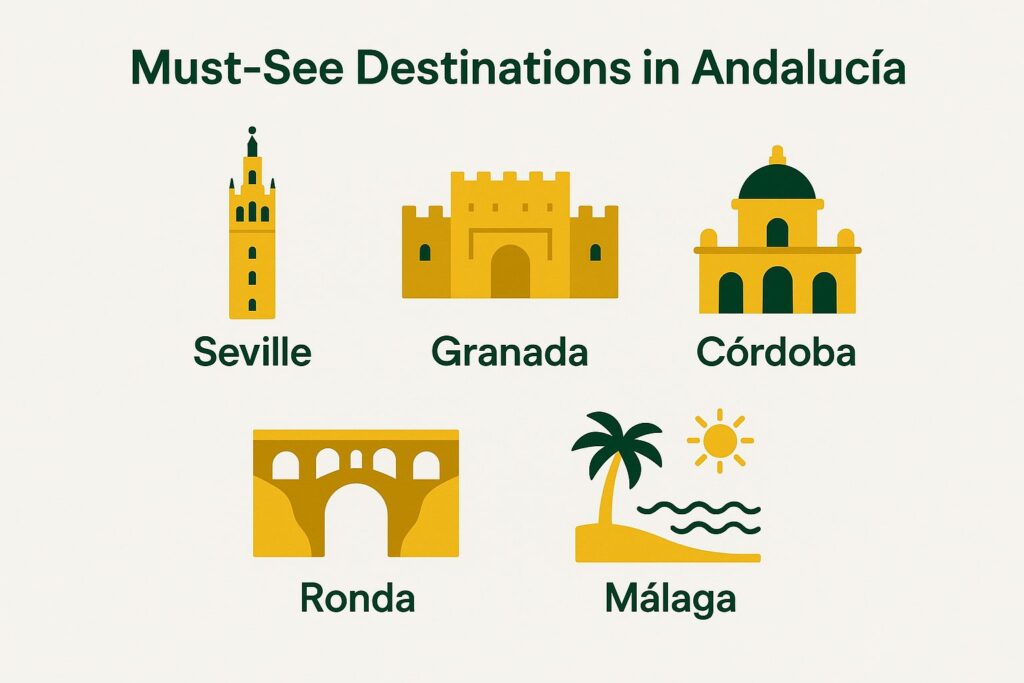
Must-See Destinations in Andaluca
Andalusia boasts a multitude of essential destinations that highlight its rich history, artistic heritage, and vibrant culture, rendering it a valuable location for travelers in pursuit of cultural experiences.
The remarkable Moorish architecture of the Alhambra Palace in Granada, alongside the majestic Seville Cathedral, exemplifies the region’s diverse influences and narratives. These sites are part of Spain’s rich tapestry of World Heritage Sites, as documented by a respected source on Wikipedia, providing depth to Andalusia’s historical and cultural significance.
The charming villages scattered throughout the countryside, in conjunction with dynamic cities such as Seville, Crdoba, and Mlaga, provide visitors with an insightful perspective on Andalusia’s historical landmarks and traditions.
Seville
Seville, the vibrant capital of Andalusia, is distinguished by its rich cultural heritage, which is prominently showcased through flamenco music, the magnificent Cathedral of Seville, and the exquisite Alczar, a prime example of the region’s Moorish architecture.
This dynamic city presents a unique ambiance where traditional and contemporary cultures converge, rendering it an exceptional destination for travelers seeking to immerse themselves in Andalusian culture.
As visitors navigate the narrow, winding streets, they have the opportunity to explore captivating local markets filled with fresh produce and artisanal goods. The enticing aromas emanating from bustling tapas bars invite them to partake in authentic Spanish cuisine.
The city’s lively street life, enriched by vibrant festivals and spontaneous flamenco performances, significantly enhances the experience of discovering Seville. With each turn, historic sites, particularly the grandeur of the Cathedral and the lush gardens of the Alczar, invite travelers to delve deeper into the city’s intricate narrative and its lasting cultural significance.
Granada
Granada, a remarkable city located at the base of the Sierra Nevada mountains, is renowned for the Alhambra Palace, an exquisite example of Moorish architecture that underscores the region’s historical importance. The city’s rich historical tapestry, coupled with its picturesque landscapes and vibrant culture, positions it as a compelling destination for travelers exploring Andalusia.
Visitors are often captivated by the intricate details of the Alhambra’s palaces and the tranquility of its gardens, where fragrant jasmine and soothing fountains contribute to an enchanting ambiance. A visit to the Generalife, the summer palace of the Nasrid rulers, offers breathtaking views of both the city and the surrounding Sierra Nevada mountains.
The influence of diverse cultures is clearly evident in Granada’s local customs and gastronomy, from the robust flavors of traditional tapas to the lively traditions of flamenco dancing found in the Sacromonte district. This eclectic blend of history, art, and natural beauty culminates in a distinctive experience that encapsulates the essence of Granada.
Crdoba
Crdoba, formerly the capital of the Islamic Caliphate, is renowned for its historical sites, including the iconic Mezquita, a masterpiece of Moorish architecture that exemplifies the city’s rich heritage. This charming city also serves as a center for regional cuisine, offering exceptional tasting experiences that highlight traditional Andalusian gastronomy.
Along with the remarkable Mezquita, visitors can explore the Alczar de los Reyes Cristianos, which presents a harmonious blend of historical narratives and exquisite gardens that evoke a sense of time travel.
The city’s winding streets emit a distinctive atmosphere, particularly during local festivals such as the Feria de Crdoba, where vibrant colors and lively flamenco music permeate the environment.
Exploring the bustling markets unveils a wealth of culinary delights, from flavorful tapas to the exquisite flamenqun, with each bite serving as a testament to the region’s culinary heritage.
These various elements converge to create an unforgettable experience that honors Crdoba’s captivating history and vibrant culture.
Ronda
Ronda is a picturesque village renowned for its stunning landscapes and dramatic cliffs, offering visitors breathtaking views and insight into the region’s rich traditions, including the historic practice of bullfighting. This charming town, situated high above the El Tajo gorge, serves as an enchanting destination for individuals interested in outdoor activities and cultural exploration.
Nestled amidst rolling hills and lush valleys, the village is distinguished by its most iconic landmark, the Puente Nuevo bridge, which stands as a testament to both architectural ingenuity and the area’s captivating beauty.
As locals celebrate their heritage through vibrant festivals that combine art, music, and culinary delights, the enchanting atmosphere of Ronda becomes increasingly compelling. For adventure seekers, the extensive network of hiking trails that meander through the surrounding countryside provides ample opportunities to experience the diverse flora and fauna while enjoying the panoramic vistas that define this extraordinary locale.
Mlaga
Mlaga, a vibrant coastal city, is renowned not only for its sun-drenched beaches but also for its rich cultural heritage, which includes the esteemed Picasso Museum and the local production of Jerez wine. This dynamic city skillfully combines historical landmarks with contemporary attractions, establishing itself as a favored destination for both relaxation and cultural enrichment.
Visitors are often captivated by the impressive Alcazaba fortress, which not only provides breathtaking views of the city but also offers insight into its Moorish history. The bustling Atarazanas Market beckons travelers to experience the local gastronomy, featuring an abundance of fresh produce and traditional dishes, all perfectly paired with a glass of exquisite Andalusian wine.
For those seeking outdoor activities, the nearby hiking trails in the Montes de Mlaga present stunning landscapes, while the pristine beaches provide ample opportunities for sunbathing and water sports. Collectively, these elements contribute to an unforgettable experience, ensuring that every visitor departs with treasured memories of this enchanting city.
Exploring the Costa del Sol
The Costa del Sol, renowned for its sun-drenched beaches and attractive coastal towns, presents a wide array of outdoor activities and stands as one of the most sought-after tourist destinations in southern Spain.
This Mediterranean coastline extends for significant distances, encouraging visitors to explore its breathtaking beaches, participate in various water sports, and discover the picturesque villages that reflect the rich culture of Andalusia.

Beaches and Coastal Towns
The beaches along the Costa del Sol are widely recognized for their golden sands and crystal-clear waters, offering an ideal environment for relaxation and outdoor pursuits. Each coastal town, from Nerja to Marbella, presents its own distinct charm, vibrant culture, and opportunities for engaging in a variety of water sports, outdoor activities, and beachside activities.
For example, the picturesque town of Nerja features stunning coves and the renowned Balcn de Europa, where visitors can enjoy breathtaking views of the Mediterranean coastline while taking a leisurely stroll. Further along the coast, the lively town of Torremolinos serves as a popular destination for individuals seeking exhilarating water sports, such as jet skiing and parasailing, catering to adventurous spirits exploring Andalusia.
In contrast, the upscale Marbella attracts sun-seekers with its sophisticated beachfront lounges and high-end shopping options, making it an excellent choice for both relaxation and indulgence. With an abundance of options available, beachgoers can immerse themselves in local traditions while enjoying a wide range of outdoor activities, from sunbathing to exploring marine life through snorkeling.
Outdoor Activities and Excursions in Southern Spain
The Costa del Sol presents a diverse range of outdoor activities and excursions, catering to both nature enthusiasts and adventure seekers. From picturesque hiking trails situated in nearby natural parks to opportunities for wildlife spotting, there are numerous ways to engage with the breathtaking landscapes of this Mediterranean destination.
For those in pursuit of an adrenaline rush, the region features renowned trails such as the Caminito del Rey, celebrated for its stunning vistas and exhilarating pathways. Nature enthusiasts can truly appreciate the natural splendor of the Sierra de las Nieves National Park, which is home to a rich variety of flora and fauna.
Excursions frequently lead to serene locations like Montemayor Castle, offering panoramic views of the coastline. Along these routes, it is common to encounter distinctive wildlife, including the impressive Bonelli’s eagle soaring above, ensuring that every hike in this vibrant area is a memorable experience. As noted by a recent publication on TripAdvisor, the region’s diverse hiking trails offer unparalleled experiences for outdoor enthusiasts.
Immersing in Andalucan Culture
Engaging with Andalusian culture requires an exploration of the region’s rich tapestry, which includes its local cuisine, traditional festivals, and the fervent rhythms of flamenco music, reflecting the unique atmosphere of southern Spain.
These vibrant traditions and regional gastronomy showcase a blend of influences that contribute to making Andalusia a distinctive cultural experience for every visitor.
Local Cuisine and Festivals
Andalusian cuisine represents a rich tapestry of flavors, significantly shaped by the region’s historical context. Tapas bars are fundamental to the social dining experience, while Jerez wine exemplifies the local viticulture.
Traditional festivals, such as the Feria de Abril and Semana Santa, celebrate the region’s heritage and vibrant culture, providing visitors with opportunities to engage with local gastronomy and the spirit of the community.
The cuisine features a diverse array of offerings, ranging from the briny notes of fresh seafood, such as grilled sardines, to the comforting warmth of dishes like gazpacho and pisto. Andalusian cuisine provides a sensory journey that enchants all who partake.
Diners frequently enjoy a selection of small plates, fostering a communal dining experience that enhances connections among friends and family.
Festivals play a crucial role in this culinary landscape, where local specialties like churros and jamn ibrico are enjoyed in conjunction with spirited traditions. Each event serves as a celebration of both heritage and flavor, uniting the community through the shared experience of food.
Art and Architecture
The art and architecture of Andalusia are distinguished by remarkable Moorish architecture and a rich artistic heritage that reflect the diverse cultural influences that have shaped the region over centuries.
The intricate details of the Alhambra Palace and the grandeur of the Alczar stand as testament to Andalusia’s profound history and vibrant traditions.
Visitors to these historic sites can appreciate the harmonious integration of Islamic art, Gothic elements, and Renaissance styles, which exemplify an artistic dialogue that transcends time. The elegant arches, exquisite tile work, and lush gardens not only underscore the region’s architectural excellence but also invite contemplation of its multicultural history.
Prominent sites such as the Mezquita in Crdoba and the Giralda in Seville further demonstrate how Andalusian architecture functions as a canvas for diverse artistic expression, enriching the cultural experiences of those who explore this captivating landscape.