Nestled in the heart of South America, Paraguay presents itself as an intriguing travel destination awaiting exploration. This travel guide provides an overview of the country’s premier attractions, encompassing both stunning natural landscapes and vibrant cultural experiences. Travelers can discover essential sites and activities that highlight Paraguay’s rich heritage, savor traditional dishes that emphasize local flavors like chipa and terere, and engage in outdoor adventures that foster a connection with nature. Additionally, the guide offers insights into the nation’s captivating history and presents practical tips, including conditions of use and privacy policy, to ensure a smooth and enjoyable journey. Prepare to uncover the wonders of Paraguay in 2025.
Table of Contents
Key Takeaways:
- Immerse yourself in the unique culture and stunning landscapes of Paraguay, a hidden gem in South America.
- Savor the flavors of traditional Paraguayan cuisine, such as chipa and sopa paraguaya, while exploring the country’s top attractions.
- Embark on unforgettable outdoor adventures, from hiking to water sports, and discover Paraguay’s rich history and culture through its museums and cultural events.
Geography and Culture
Paraguay is a landlocked nation in South America, distinguished by its diverse geography and rich cultural heritage, including the extensive Gran Chaco region, noted for its subtropical climate and the unique conditions it offers.
The country is home to numerous cultural sites, including the capital city, Asuncin, as well as other significant towns such as Ciudad del Este, Encarnacin, and Concepcin.
Paraguay’s unique amalgamation of history and tradition is evident in its UNESCO World Heritage sites, such as the Jesuit missions. As highlighted by a fascinating exploration from Google Arts & Culture, these missions stand as a testament to the country’s vibrant past. Additionally, Paraguay’s culinary specialties like terere and chipa further enhance its vibrant cultural tapestry.
Top Attractions in Paraguay
Paraguay presents a diverse array of attractions that highlight its natural beauty and cultural richness.
Notable features include the Itaipu Dam, which stands as one of the largest hydroelectric plants globally. According to a respected source from Britannica, this engineering marvel significantly contributes to the region’s energy production. Additionally, Paraguay offers various cultural sites such as the Jesuit missions that embody the nation’s heritage and dedication to eco-tourism.
Must-See Places and Activities
When visiting Paraguay, travelers should be aware of several key attractions and activities that are essential to their experience. These include the breathtaking waterfalls, vibrant cultural sites, and the dynamic urban environments of Asuncin and Ciudad del Este, both of which are abundant in eco-tourism opportunities.
While exploring the country, tourists will encounter the magnificent Iguazu Falls, where they can partake in exhilarating boat rides amidst the cascading waters. In the capital city, Asuncin, visitors can experience the historic Palacio de los Lpez and the lively Mercado 4, both of which offer cultural insights into local traditions and crafts influenced by Brazilian and Argentinian cultures.
Ciudad del Este is well-known for its shopping opportunities, including unique items from Mara Magdalena Arrllaga, while the nearby Parque Nacional Ybycu invites guests to hike through unspoiled nature and observe native wildlife.
Participating in community-based eco-tourism not only enriches the travel experience but also supports local conservation initiatives. This makes Paraguay a destination that fosters a profound connection between nature and culture.
Traditional Paraguayan Cuisine
Traditional Paraguayan cuisine serves as a significant reflection of the nation’s culture, encompassing iconic dishes such as:
- terere, a refreshing herbal beverage;
- chipa, a cheese bread prepared from manioc flour;
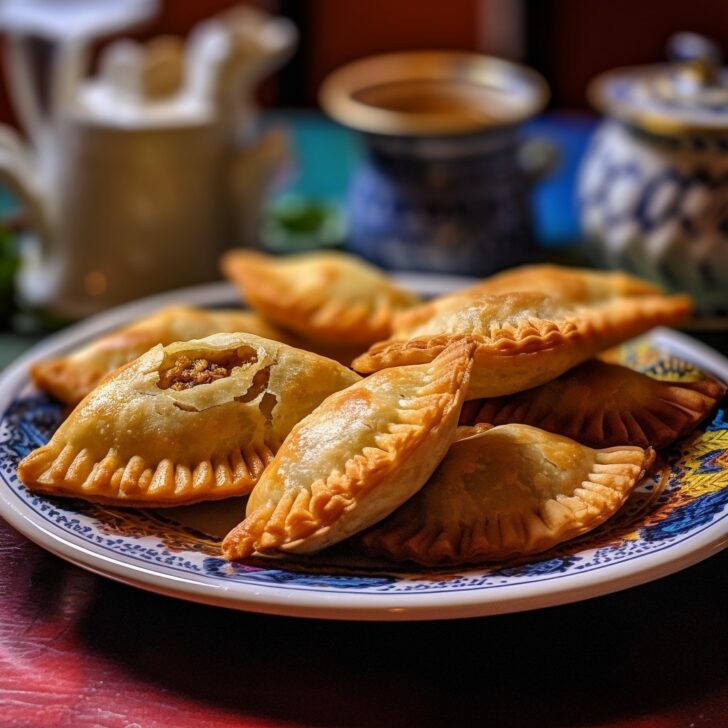
- empanadas, which are filled with a variety of ingredients;
- asado, a popular barbecue method that emphasizes the communal spirit of the Paraguayan people.
Popular Dishes and Local Favorites
Among the notable dishes and local specialties in Paraguay, terer distinguishes itself as a traditional beverage enjoyed throughout the day. Chipa and empanadas provide savory snacks that showcase the country’s culinary diversity, while asado represents the rich grilling tradition that unites families.
Terer, a refreshing infusion of yerba mate prepared with cold water or ice, is not only a favored drink but also a symbol of hospitality, frequently shared among friends during social gatherings or family picnics.
Chipa, a cheesy bread made from cassava flour, is commonly prepared for celebrations, particularly during the festive season. Meanwhile, empanadas, which can be filled with a variety of ingredients, are a popular choice for street food.
Asado, a social event focused on grilling various types of meat, is a cherished occasion that fosters community and tradition, reinforcing Paraguayans’ strong connection to their culinary heritage and family bonds.
Outdoor Adventures in Paraguay
For adventure enthusiasts, Paraguay presents a multitude of outdoor activities that appeal to a range of interests. These activities include:
- Hiking in its verdant national parks
- Participating in water sports on the Paran River
- Encountering diverse wildlife
Additionally, Paraguay promotes eco-tourism initiatives aimed at protecting the natural environment.
Hiking, Water Sports, and Wildlife Experiences
Hiking in Paraguay presents adventurers with the opportunity to explore breathtaking landscapes, while water sports such as kayaking and fishing on the Paran River offer exhilarating experiences amidst stunning scenery, accompanied by opportunities for wildlife observation that emphasize the country’s rich biodiversity.
Trails such as those in Ybycu National Park and the striking Guaran Trail in the Mbaracay Forest provide unique routes that meander through lush forests and picturesque hills, catering to both seasoned trekkers and casual hikers.
For individuals seeking the excitement of water sports, the Paran River serves as an ideal venue, where activities like canoeing and stand-up paddleboarding add a refreshing dimension to outdoor pursuits.
As visitors interact with the natural environment, they have the chance to observe remarkable species such as capybaras and various birds, highlighting Paraguay’s vibrant ecosystem. This rich biodiversity is part of broader conservation efforts, as discussed in an insightful report by the World Bank that addresses the protection of the Atlantic Forest through biodiversity corridors.
This engagement with nature promotes eco-tourism, which is essential for advancing conservation efforts and ensuring that these natural wonders are preserved for the enjoyment of future generations.
Exploring Paraguay’s History and Culture
An exploration of Paraguay’s history and culture reveals a rich tapestry of influences, encompassing the heritage of the UNESCO-recognized Jesuit missions, alongside numerous museums and historical sites that articulate the narrative of the country’s past.
Additionally, these elements highlight the vibrancy of contemporary cultural events, showcasing Paraguay’s dynamic cultural landscape.
Museums, Historical Sites, and Cultural Events
Paraguay boasts a wealth of museums and historical sites, including those dedicated to the Jesuit missions, which are recognized as UNESCO World Heritage Sites and feature artworks similar to those of Matisse and Monet. The country also hosts vibrant cultural events that honor its artistic and historical heritage.
Among these attractions, the Museo del Barro in Asuncin is particularly noteworthy, featuring an impressive collection of indigenous and contemporary art that reflects the diverse influences shaping Paraguayan culture.
The Ruins of the Jesuit Missions, especially in locations such as Trinidad and Jess, provide insight into early colonial life and the cultural fusion that took place during that era.
Annual celebrations, such as the Fiesta de San Juan and the National Day of the Guarani Language, underscore the importance of indigenous traditions and the ongoing efforts toward cultural preservation.
These sites and events not only educate visitors about Paraguay’s past but also contribute to the shaping of the national identity, celebrating resilience and the rich diversity of its culture.
Practical Tips for Traveling to Paraguay
Traveling to Paraguay necessitates an understanding of critical practicalities, including visa requirements, local currency, and safety precautions.
Such awareness is vital for ensuring a seamless journey for visitors arriving via international flights, who are eager to explore the country’s distinctive offerings.
Visa Requirements, Currency, and Safety Precautions
When planning a trip to Paraguay, it is essential for travelers to familiarize themselves with visa requirements, the local currency known as the Guarani, and important safety precautions to ensure a safe and enjoyable visit.
This knowledge is crucial as visa regulations may differ based on nationality; some travelers may benefit from visa-free access, while others might need a visa on arrival or require prior application.
Understanding the current exchange rates for the Guarani can greatly enhance the travel budget, enabling visitors to make informed decisions when converting their funds.
Additionally, it is important to remain aware of safety measures, such as avoiding isolated areas after dark, securing valuables, and registering with local authorities.
By considering these factors, travelers can concentrate on experiencing the rich culture and breathtaking landscapes that Paraguay has to offer.