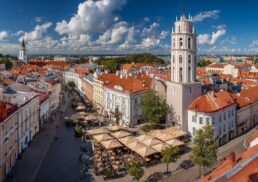
Spain remains one of Europe’s most sought-after travel destinations, captivating visitors with its stunning blue flag beaches along the Mediterranean coast and rich cultural diversity. From the vibrant streets of Ibiza to the majestic historical landmarks that dot the landscape, Spain offers an unparalleled experience. In this article, we’ll explore the myriad reasons behind Spain’s enduring allure, highlighting its unique blend of natural beauty, cultural heritage, and culinary delights that continue to enchant travelers worldwide.
Table of Contents
Key Takeaways:
- Spain offers a unique cultural experience with its historical landmarks, vibrant festivals, and rich traditions.
- Explore Spain’s diverse and delicious gastronomy through regional specialties and wine and culinary tours.
- Experience the natural beauty of Spain through its stunning beaches, coastlines, and national parks, perfect for outdoor activities.
Cultural Richness

Spain’s cultural richness is evident through its historical landmarks and local festivals, which collectively showcase a diverse heritage that captivates visitors, making it one of the favorite destinations for cultural tourism.
Historical Landmarks
Spain is home to a diverse array of historical landmarks, with prominent sites such as the Alhambra serving as a significant attraction for art lovers, including those inspired by famous painters like Salvador Dal and Pablo Picasso, and history enthusiasts from around the world.
The Alhambra, located in Granada, welcomes over 2 million visitors annually. Preservation efforts for this site are supported by both government initiatives and private sector funding, aimed at maintaining its intricate Islamic architecture.
Similarly, the Sagrada Familia in Barcelona, which remains under construction, draws approximately 4.5 million visitors each year. Local initiatives are dedicated to the completion of this monumental structure, with a target date set for 2026.
Additionally, El Escorial near Madrid, renowned for its extensive library, attracts around 600,000 visitors. This site places a significant emphasis on educational tours designed to foster a deeper appreciation for historical context and its well-preserved habitats.
For further information, one may refer to resources such as Spain’s official tourism board.
Festivals and Traditions
Spain’s vibrant festivals, including La Tomatina and Semana Santa, exemplify the country’s rich local traditions and attract visitors who seek unique cultural experiences, offering a vibrant ambiance and stunning scenery.
Three prominent festivals that epitomize this cultural richness are:
- La Tomatina in Buol, which occurs on the last Wednesday in August and features exhilarating tomato fights;
- The Running of the Bulls in Pamplona during the San Fermn festival, celebrated from July 6-14 each year, where participants engage in a daring race ahead of charging bulls;
- The Feria de Abril in Seville, which takes place two weeks after Easter and showcases traditional flamenco dancing and elaborate casetas.
Each festival presents distinct activities and holds significant cultural importance. For further insights, please visit the official websites:
Gastronomy and Spanish Cuisine
Spain’s gastronomy offers a remarkable experience for the senses, showcasing a diverse range of regional specialties that exemplify the country’s culinary richness, including the renowned Mediterranean diet.
Regional Specialties and Culinary Delights
Each region of Spain presents its own unique culinary specialties, ranging from tapas in Andalusia to paella in Valencia, thereby highlighting the country’s rich and diverse flavors.
In Andalusia, tapas serve as an excellent introduction to local culinary traditions, often featuring dishes such as patatas bravas and jamn ibrico. A visit to the Mercado de Triana in Seville provides an opportunity to acquire fresh ingredients necessary to recreate these traditional dishes.
Paella, which originates from Valencia, is renowned for its saffron-infused rice and can be prepared with either seafood or rabbit. The Central Market in Valencia is an ideal location for procuring the freshest produce for this iconic dish.
In addition, Pintxos, which are small snacks from the Basque Country, can be sampled in the vibrant bars of San Sebastin, where chefs often experiment with innovative flavor combinations.
Furthermore, one should not overlook the opportunity to sample gazpacho, a refreshing chilled tomato soup, as well as churros served with rich chocolate in Madrid, particularly at the esteemed Chocolatera San Gins.
Wine and Culinary Tours in Charming Cities
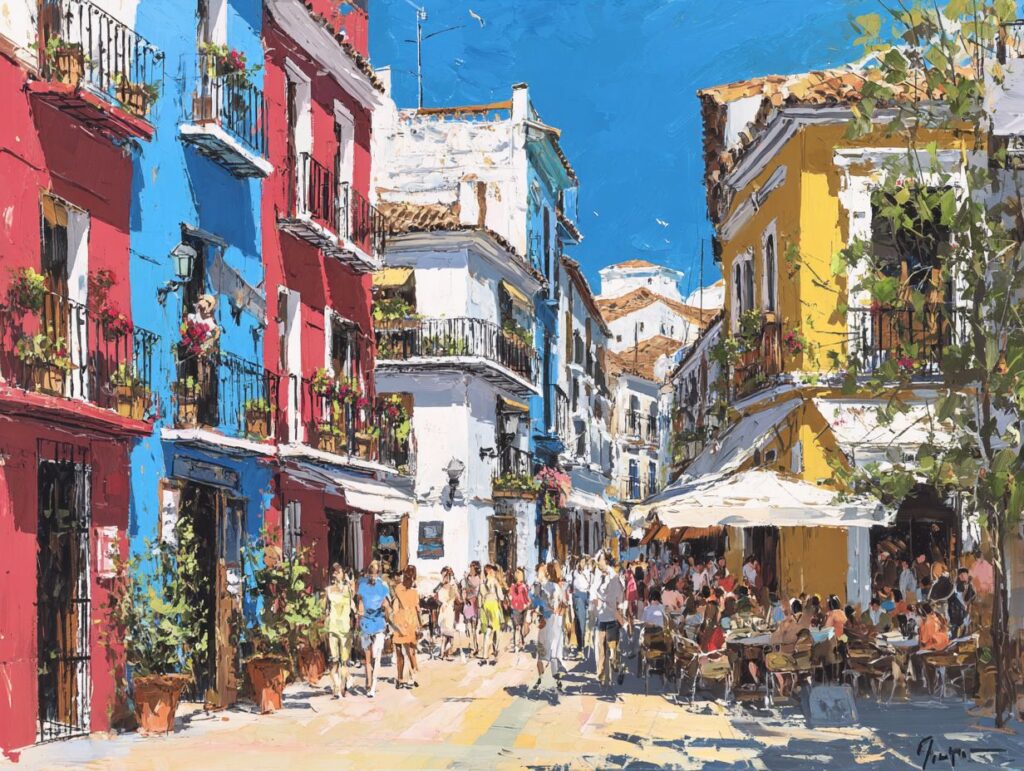
Spain’s esteemed wine regions, including Rioja and Ribera del Duero, provide exceptional wine and culinary tours that enhance visitors’ appreciation of its gastronomy.
In the Rioja region, one can anticipate lush vineyards and picturesque bodegas, with notable establishments such as Marques de Riscal and Bodegas Muga serving as must-visit locations.
Ribera del Duero, known for its robust red wines, frequently features tours that highlight Bodegas Protos and Vega Sicilia, where participants can partake in tastings accompanied by local delicacies.
For those who prefer the rugged landscapes of Priorat, a visit to Clos Mogador or Scala Dei is highly recommended. The average cost for these tours ranges from $50 to $150 per person, and utilizing platforms such as Viator allows for seamless booking of these experiences, ensuring that no significant highlights are missed.
Natural Beauty
Spain’s natural beauty is prominently displayed through its breathtaking beaches and national parks, offering picturesque landscapes perfect for relaxation and a wide range of outdoor activities for nature enthusiasts.
Beaches and Coastlines along the Mediterranean
Spain’s Blue Flag beaches, recognized for their exceptional quality and cleanliness, are situated along the Mediterranean coast, establishing the region as a premier destination for sun enthusiasts.
Among the notable Blue Flag beaches is Playa de la Concha in San Sebastin, renowned for its lively promenade and various water sports activities.
Playa de la Malvarrosa in Valencia provides an array of beachside dining options and volleyball courts. In Barcelona, Playa de la Barceloneta is particularly suitable for families, featuring playground areas and bustling beach bars.
For those seeking tranquility, Playa de Bolonia in Costa de la Luz offers breathtaking dunes alongside historical ruins.
Additionally, Playa de las Catedrales in Galicia is famous for its striking rock formations, which are ideal for exploration during low tide.
Each beach presents distinctive activities and amenities, accommodating a wide range of preferences.
National Parks and Outdoor Activities
Spain’s national parks, including Picos de Europa and Timanfaya, offer numerous opportunities for outdoor enthusiasts seeking hiking and adventure tourism.
Picos de Europa is renowned for its breathtaking limestone peaks and a variety of trails that cater to both hiking and rock climbing activities. In contrast, Timanfaya features a unique volcanic landscape that provides distinctive routes for walking and guided tours, allowing visitors to experience geothermal phenomena firsthand.
Additionally, Sierra Nevada presents opportunities for birdwatching and winter sports, such as skiing. Access to these parks is convenient; Picos de Europa can be reached via the N625 road, while Timanfaya is situated in proximity to Lanzarote Airport.
An advisable itinerary could include:
- Hiking in Picos de Europa on the first day,
- Exploration of Timanfaya on the second day,
- Concluding with a visit to the slopes of Sierra Nevada.
Vibrant Cities and Contemporary Art
Spain’s vibrant cities, such as Barcelona and Madrid, provide a diverse array of cultural experiences that attract international travelers.
Barcelona: A Modern Marvel
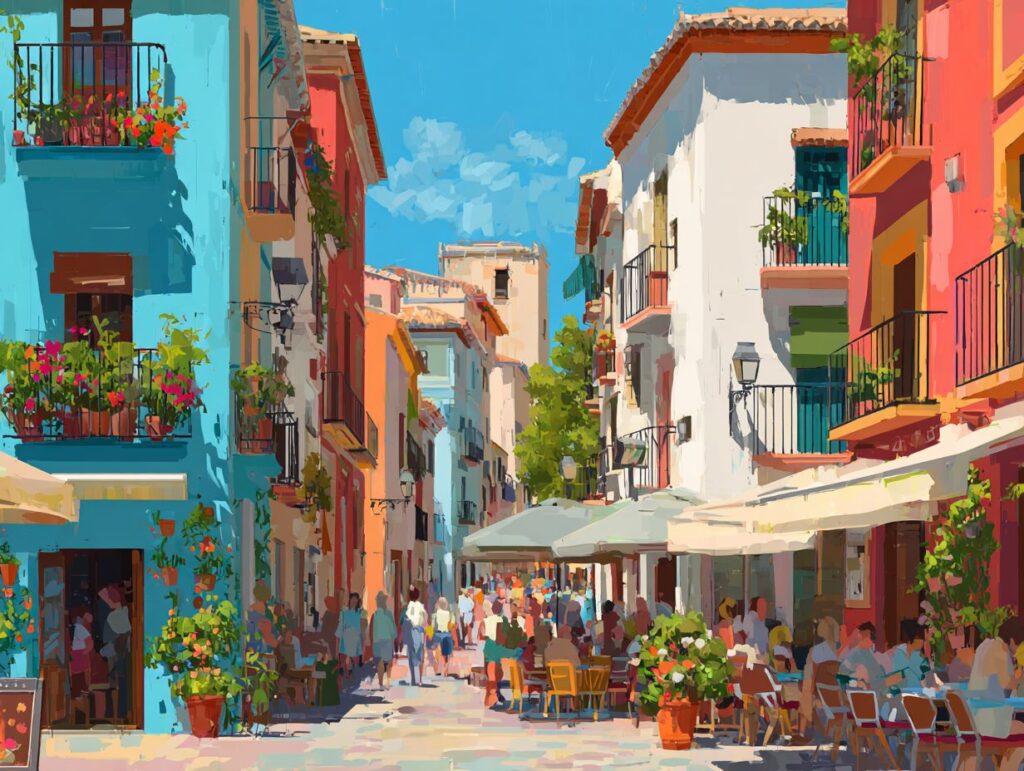
Barcelona is renowned for its modern architecture and the masterpieces of Antoni Gaud, drawing millions of visitors who seek distinctive urban experiences, including contemporary museums and iconic landmarks.
Five essential sites to visit include:
- Sagrada Familia, which attracts over 4.5 million visitors annually.
- Park Gell, celebrated for its vibrant mosaics.
- Casa Batll, recognized for its extraordinary faade.
- The historic Gothic Quarter, ideal for a leisurely stroll through medieval streets.
- La Rambla, a lively hub featuring street performers and local shops.
To navigate the city efficiently, it is advisable to utilize the TMB app for real-time public transport updates. A single ticket costs EUR2.40, facilitating easy travel between these iconic attractions.
Madrid: The Heart of Spain
Madrid, recognized as the cultural hub of Spain, presents an array of world-class museums, including the Reina Sofia and Guggenheim, and a vibrant nightlife that attracts visitors throughout the year.
Among the essential attractions are the Prado Museum, which offers tickets for approximately EUR15 and features masterpieces by renowned artists such as Goya and Velzquez. The Reina Sofia, home to Picasso’s iconic Guernica, charges around EUR10, with admission often free on designated days.
- Retiro Park is an excellent choice for outdoor leisure.
- The Royal Palace, steeped in history, has an entrance fee of EUR12.
- Additionally, Mercado de San Miguel provides an opportunity to indulge in local cuisine.
Throughout the year, Madrid also hosts a variety of cultural events, including the Madrid Book Fair in May and the Autumn Festival in September, ensuring a dynamic experience for all visitors.
Affordability, Accessibility, and Golf Tourism
Spain is renowned for its affordable cost of living, vibrant culture, and Mediterranean diet, rendering it an appealing destination for both short visits and extended stays. To optimize your budget while enjoying all that Spain has to offer, several strategies can be considered.
Accommodation options generally range from $50 to $150 per night; therefore, exploring alternatives such as hostels or Airbnb can yield more favorable deals for those enjoying the holiday lifestyle.
Dining options can also be cost-effective, with meals typically averaging between $10 to $30, allowing visitors to indulge in diverse culinary delights. It is advisable to visit local tapas bars to experience authentic cuisine at a lower expense.
For transportation, utilizing the metro and bus systems, which cost approximately $1 to $2 per trip, is recommended, especially in cities like Madrid and Barcelona. Additionally, walking to nearby attractions is often a viable option.
Exploring local markets can provide access to inexpensive, fresh meals while allowing for a deeper immersion in the local and multicultural structure.

Frequently Asked Questions
Why is Spain considered one of Europe’s most popular travel destinations?
Spain is known for its rich history, diverse cultures, beautiful beaches, exquisite landscapes, delicious cuisine, and vibrant cities, making it a top choice for travelers seeking a quality life and well-rounded vacation experience.
What are some must-visit destinations in Spain?
Some of the most popular destinations in Spain include Madrid, Barcelona, Seville, Valencia, the Balearic Islands, Ibiza, and the Canary Islands. Each offers its own unique charm and attractions.
What makes Spain a great destination for food lovers?
Spanish cuisine is diverse and boasts a wide range of delicious dishes, such as paella, tapas, and churros, making it part of the famous Mediterranean diet. Additionally, Spain is home to many Michelin-starred restaurants, making it a foodie’s paradise.
Is Spain a family-friendly travel destination?
Yes, Spain is a great family-friendly destination for families. It offers a variety of activities and attractions suitable for all ages, including theme parks, beaches, and cultural experiences.
What is the best time of year to visit Spain?
The best time to visit Spain depends on your preferences. If you prefer warmer weather and beaches, summer (June-August) is the peak tourist season. Spring and fall are milder and less crowded, while winter offers skiing and other winter activities.
What are some unique experiences to have in Spain?
Some unique experiences to have in Spain include attending a flamenco show, participating in a traditional bullfight, visiting historical landmarks such as the Alhambra in Granada and the renowned Salvador Dal museum, and exploring the picturesque countryside and small villages.