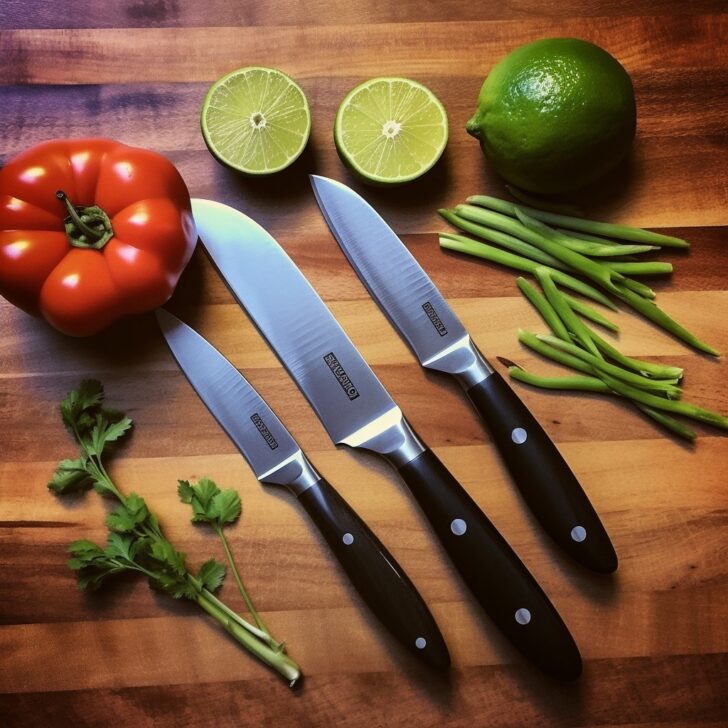
Proper knife care is essential for anyone who values optimal knife performance in the kitchen. Whether you’re a professional chef or a home cooking enthusiast, mastering the art of sharpening techniques, proper maintenance, and effective storage can elevate your culinary skills. In this ultimate guide, we’ll delve into expert advice on cleaning your knives, keeping them in peak condition, and avoiding common pitfalls, ensuring your cutlery remains sharp and reliable for years to come.
Table of Contents
Key Takeaways:
- Properly sharpening your cutlery, including both honing vs sharpening techniques, is essential for maintaining its longevity and performance.
- Storing your cutlery correctly, whether in a knife block or on a magnetic strip, can help prevent damage and accidents.
- Regular maintenance and cleaning practices, such as hand washing with dish soap and drying, can keep your cutlery in top condition and prevent rust and corrosion, especially for high-carbon steel knives.
Sharpening Techniques
Mastering sharpening techniques is crucial for achieving optimal knife performance and ensuring safety during food preparation.
Types of Sharpening Tools
There are various sharpening tools available, each designed to meet different user preferences and knife types, including honing steels, whetstones, and electric sharpeners.
When selecting a sharpening tool, it is important to consider individual needs.
- For regular maintenance, a honing steel, priced around $20, is highly effective as it realigns the blade edge.
- Whetstones, ranging from $15 to $50, provide precision sharpening and allow for customized angles, although they necessitate practice to master their use.
- Electric sharpeners, priced between $30 and $150, offer quick results; however, this speed may come at the expense of some degree of control.
For beginners, manual pull-through sharpeners, available for approximately $10, simplify the sharpening process, though they may not achieve the same level of sharpness as other methods. Additionally, specialized tools for Japanese knives, typically priced over $100, ensure the correct angle is maintained but are associated with a higher cost.
It is advisable to evaluate the type of knife and the frequency of sharpening required in order to make an informed decision regarding the most suitable sharpening tool.
Step-by-Step Sharpening Process
A precise sharpening process can restore a dull knife’s edge in approximately 10 minutes, significantly enhancing its sharpness. To sharpen your knife effectively, please adhere to the following steps:
- First, select your sharpening tool, such as a whetstone or honing rod.
- Angle the knife to the appropriate degree-typically 15 to 20 degrees for European knives and 10 to 15 degrees for Japanese knives.
- Utilize consistent strokes, applying roughly 10 passes on each side of the blade.
- Test the sharpness using the tomato test: if the knife slides through the tomato effortlessly, the sharpening is successful.
- Finally, ensure that the knife is cleaned afterward to remove any metal filings.
This entire process requires only about 10 minutes, making it a quick yet effective maintenance routine.
Learn more, The Ultimate Guide to Sharpening Your Kitchen Knives.
Storage Solutions
Proper storage of knives is essential to prevent dulling and damage while also enhancing safety in the kitchen.
Knife Blocks vs. Magnetic Strips
Knife blocks and magnetic strips present unique advantages that significantly affect both accessibility and blade maintenance for culinary enthusiasts. When deciding between a knife block and a magnetic strip, it is essential to evaluate their storage capacity, accessibility, and upkeep requirements.
Knife blocks generally occupy counter space and can securely accommodate multiple blades. However, they may pose a risk of harboring bacteria if not cleaned regularly. In contrast, magnetic strips are space-efficient and facilitate convenient access to knives; yet, they have the potential to scratch blades over time.
For individuals with limited kitchen space, a magnetic strip is a prudent choice, whereas a knife block is more suitable for larger kitchens that accommodate a variety of knife sizes. It is imperative to implement proper cleaning techniques to ensure hygiene and prolong the lifespan of the knives.
Drawer Inserts and Protectors
Utilizing drawer inserts can effectively protect knives from damage while optimizing storage efficiency in compact kitchens.
Begin by evaluating the dimensions of your drawer and the size of your knife collection.
- Foam inserts, which range in price from $20 to $50, provide effective cushioning for blades, preventing contact and subsequent damage.
- Alternatively, bamboo dividers, typically priced around $30, facilitate better organization by keeping knives separated.
- For a tailored solution, one may consider magnetic holders, available for approximately $40, which securely grip knives while conserving space.
To install the insert, simply place it within the drawer and arrange the knives thoughtfully, ensuring that each blade is adequately protected and remains easily accessible.
Routine Maintenance Practices
Regular maintenance practices, including proper cleaning and rust prevention, are essential for prolonging the lifespan of knives.
Cleaning Methods
Effective cleaning methods are essential for maintaining the integrity of knife blades and handles. It is recommended to hand wash knives with mild dish soap and warm water, avoiding the dishwasher to prevent potential damage.
After rinsing, gently wipe the blades with a soft cloth to remove food particles, which aids in preserving their sharpness. It is crucial to dry the knives immediately to prevent rust, particularly for high-carbon steel blades.
Utilizing a honing steel after cleaning is advisable, as this process only takes a minute and helps maintain the alignment of the edge. A comprehensive cleaning session is estimated to require approximately 10 minutes.
Preventing Rust and Corrosion
To ensure the longevity of knives, it is essential to prevent rust, particularly on high-carbon steel blades that are prone to corrosion.
One effective approach is to thoroughly dry knives after washing. Subsequently, applying a layer of food-safe mineral oil to the blades creates a protective barrier. Additionally, it is advisable to store knives in a dry environment, avoiding cases that may retain moisture. Furthermore, it is prudent to avoid cutting acidic foods such as tomatoes, as they can exacerbate rusting.
Numerous chefs have reported success with these practices, observing that their knives remain in optimal condition for years, thereby enhancing their utility and preserving their aesthetic appeal.
Common Mistakes to Avoid
Avoiding common mistakes in knife care can significantly enhance both the longevity of your knives and your safety in the kitchen.
Five prevalent mistakes include cutting on hard surfaces, washing knives in the dishwasher, neglecting to hone regularly, ignoring rust spots, and employing improper storage methods.
To address these issues:
- Always use a cutting board.
- Hand wash your knives with mild soap.
- Hone them every few uses to maintain sharpness.
- Treat any rust with a mixture of vinegar and baking soda.
- Store them in a knife block or on a magnetic strip, rather than in a drawer.
By implementing these adjustments, individuals can ensure their knives remain in optimal condition for years to come.
Frequently Asked Questions
What is the importance of caring for your cutlery?
Caring for your cutlery ensures that it stays sharp, clean, and safe to use, preserving knife sharpness for culinary masterpieces. It also helps to extend its lifespan and maintain its quality.
What tools do I need to sharpen my cutlery?
You will need a sharpening stone or rod, honing steel, and a leather strop for polishing.
How often should I sharpen my cutlery?
It depends on how frequently you use your cutlery, but on average, sharpening every 6-12 months is recommended.
How should I store my cutlery?
For long-term storage, wrap your cutlery in a soft cloth or paper and place it in a protective case or drawer inserts. For daily use, store in a knife block or magnetic strip.
What are some maintenance tips for cutlery?
Always hand wash and dry your cutlery immediately after use, and never leave it soaking in water. Also, avoid using harsh chemicals or abrasive materials on your cutlery.
Can I sharpen serrated knives?
Yes, you can sharpen serrated knives with a knife sharpening rod or a special serrated knife sharpener. However, it is best to leave this task to a professional.