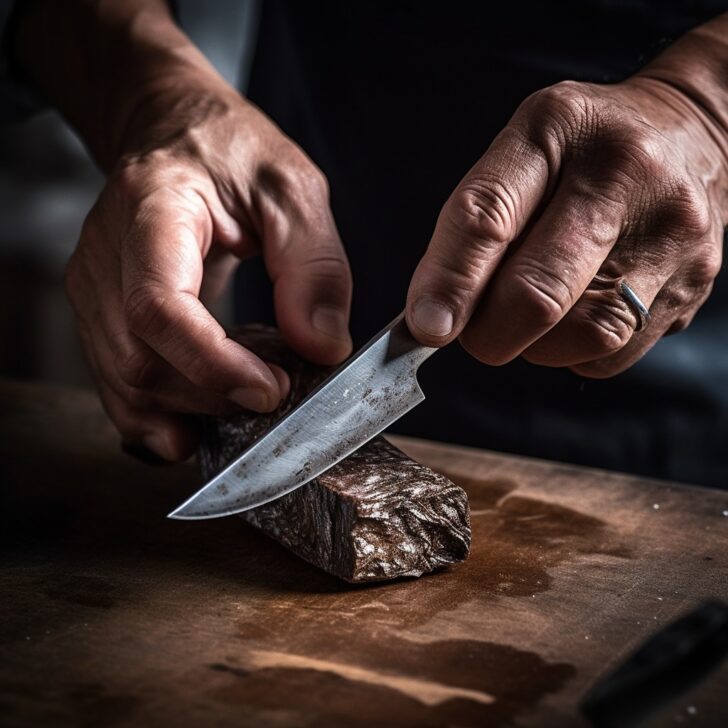
Choosing the right kitchen knives is essential for any cook aiming to elevate their culinary skills. A versatile chef’s knife can transform meal prep, while a precise paring knife is perfect for intricate tasks. In this guide, we’ll explore how to select the best knives and cutting tools tailored to your cooking style, ensuring you invest wisely in quality and functionality. Unlock the secrets to effective kitchen tools and enhance your cooking experience today!
Table of Contents
Key Takeaways:
- Choose knives and cutting tools based on your cooking style, budget, and material preferences.
- Essential cutting tools include cutting boards and sharpening tools to maintain the sharpness of your knives.
- Assess your cooking style to determine the types of knives you need, such as chef’s knives for gourmet cooking or paring knives for casual home cooking.
Understanding Different Types of Knives
Various types of kitchen knives serve distinct purposes, and comprehending these functions can significantly enhance one’s culinary experience.
Chef’s Knife
The chef’s knife is an essential and versatile culinary tool, typically ranging from 8 to 10 inches in length, making it ideal for a variety of food preparation tasks, including chopping, slicing, and dicing. Its design accommodates a wide range of functions, from chopping vegetables to carving meats.
For high-quality options, brands such as Wsthof are noteworthy, renowned for their precision craftsmanship and ergonomic handles, with prices generally falling between $100 and $200. Alternatively, Shun offers premium Damascus steel blades, priced between $150 and $300, which emphasize both aesthetic appeal and exceptional sharpness.
Investing in a well-crafted chef’s knife, along with a reliable slicing knife, can significantly enhance the efficiency and enjoyment of culinary activities, streamlining meal preparation and contributing to a more pleasurable cooking experience.
Paring Knife
Paring knives, such as the high-quality Boning Knife, typically measuring 3 to 4 inches in length, are highly effective for tasks that require precision, such as peeling fruits and performing intricate cuts. These knives are particularly adept at segmenting citrus fruits, removing skins from tomatoes, and creating decorative garnishes.
To maintain their sharp edges, it is advisable to regularly hone the paring knife with a honing steel after each use and to sharpen it periodically using a whetstone or a pull-through sharpener.
Brands such as Victorinox provide reliable options priced around $30, making them accessible to home cooks who seek quality culinary tools. Additionally, one should consider ergonomic handles that enhance comfort during extended food preparation sessions.
Serrated Knife
Serrated knives, particularly those designed for bread, feature a saw-like edge that effectively slices through crusty loaves and delicate fruits without causing damage.
One of the exemplary choices available is the Wsthof Classic 10-inch bread knife, priced at approximately $60. This knife is constructed with a high-carbon stainless steel blade, ensuring durability and longevity.
To maintain the integrity of serrated edges, it is advisable to avoid the use of honing steels. Instead, hand washing is recommended to preserve the teeth of the blade, and occasional use of a serrated knife sharpener can be beneficial.
For regular maintenance, it is important to gently run the sharpener along the edges of your forged knives, taking care not to apply excessive pressure. This method will help ensure the knife remains effective while extending its lifespan, thereby enhancing the culinary experience.
Learn more, The Ultimate Guide: How To Choose a Kitchen Knife.
Essential Cutting Tools
Along with knives, cutting tools such as cutting boards and sharpening implements are essential components in food preparation and contribute significantly to the longevity of knives.
Cutting Boards
Selecting the appropriate cutting board is essential for protecting your knives and enhancing food safety, with options available in wood, plastic, and bamboo.
Wooden cutting boards, such as the Epicurean Cutting Board ($40), are known for their durability and self-healing properties, which help to minimize knife wear. However, they do require more maintenance to prevent issues such as cracking or warping.
In contrast, plastic cutting boards are easier to sanitize and are dishwasher-safe, making them an excellent choice for handling raw meats. The OXO Good Grips board ($20) is a widely recognized option in this category.
Bamboo boards are considered eco-friendly alternatives, though they may be more susceptible to knife marks. It is important to consider your cooking habits and available kitchen space when selecting the most suitable cutting board for your culinary requirements.
Sharpening Tools
Regular maintenance of kitchen knives through the use of sharpening tools, such as whetstones or honing steels, is essential for ensuring optimal performance.
To sharpen knives effectively, utilizing a diamond honing rod is advisable. This tool, which typically costs around $30, is suitable for quick touch-ups and helps maintain edge alignment. Whetstones, ranging in price from $20 to $50, provide a more thorough sharpening experience. For the best results, it is recommended to select a combination stone that features both coarse and fine grits.
For individuals who use their knives on a daily basis, it is advisable to sharpen them every few weeks using a sharpening steel. In contrast, for those who utilize their knives less frequently, sharpening once a month may be adequate.
Additionally, incorporating regular honing after each use can significantly extend the duration between sharpening sessions.
Assessing Your Cooking Style
Understanding one’s cooking style is essential for selecting the appropriate knives and tools that will effectively address specific culinary needs.
Casual Home Cooking
For casual home cooks, versatile knives such as utility knives and paring knives are essential tools for everyday meal preparation.
A utility knife, typically priced between $20 and $40, is suitable for a wide range of tasks, from slicing vegetables to trimming meat. Its sharp and sturdy blade provides the flexibility needed for both larger and smaller items.
When paired with a paring knife, which generally costs between $10 and $30, cooks can perform more intricate tasks, such as peeling fruits or deveining shrimp.
To ensure ease of use, it is advisable to consider models that feature ergonomic handles and balanced weight. These attributes enhance comfort and efficiency, making meal preparation a more enjoyable experience, even for those with limited kitchen experience.
Gourmet Cooking
Gourmet chefs frequently depend on high-quality knives and specialized cutlery, such as the Gyuto or Santoku, which provide precision and efficiency for complex culinary tasks. These knives are meticulously crafted, often from high-carbon stainless steel, ensuring both durability and sharpness.
Prestigious brands like Shun, recognized for their exceptional craftsmanship, offer the Shun Classic Gyuto at approximately $150, while the Shun Santoku may range up to $170. Investing in these tools not only enhances cutting technique but also elevates the overall cooking experience.
To maintain optimal performance, it is essential to regularly hone knives with a whetstone or honing rod, thereby ensuring clean and precise cuts. This commitment to tool maintenance reflects the artistry inherent in gourmet cooking.
Material Considerations
The selection between stainless steel and carbon steel knives has a considerable influence on durability, maintenance, and performance in culinary applications.
Stainless Steel vs. Carbon Steel
Stainless steel knives are recognized for their corrosion resistance, whereas carbon steel knives provide superior edge retention but necessitate more diligent maintenance.
In terms of durability, stainless steel knives, such as those manufactured by Wsthof, exhibit effective resistance to rust and stains, making them particularly suitable for home cooks. Conversely, carbon steel knives, like those produced by Hattori, maintain a sharper edge for an extended period, thereby enhancing performance during intricate culinary tasks.
The maintenance requirements differ considerably; stainless steel knives only require basic cleaning, while carbon steel knives need regular oiling to prevent rust.
When deciding between the two options, it is essential to consider one’s cooking style. For individuals engaged in daily cooking with a preference for minimal upkeep, stainless steel is the optimal choice. For passionate chefs who prioritize sharpness and performance, carbon steel is the preferred option.
Handle Materials
The material of a knife handle significantly influences comfort and grip, both of which are essential for ensuring safety and efficiency during food preparation.
Wood handles offer a warm touch and a secure grip, characteristics often associated with traditional knives such as the Wsthof Classic and other top-quality knives, which successfully balance durability and comfort. In contrast, plastic handles are lightweight and feature a non-slip surface, making them a preferred choice in professional kitchens; the Victorinox Swiss Army knife serves as an exemplary option in this category.
Composite handles, which integrate multiple materials for enhanced strength and ergonomics, are particularly advantageous for those seeking stability and reduced fatigue during extended use. Ultimately, the selection of a knife with the appropriate handle material is contingent upon personal preference and the specific culinary tasks to be undertaken.
Budgeting for Quality
Investing in high-quality kitchen knives is crucial, and effective budgeting strategies will help ensure that you acquire the best tools to meet your culinary needs.
Begin by prioritizing your knife purchases, including a Santoku knife or Gyuto knife, according to your cooking style. For individuals who regularly prepare intricate meals, it is advisable to invest in a chef’s knife, which typically ranges from $80 to $150, as well as a paring knife, priced between $30 and $60.
For those who frequently work with bread or large cuts of meat, a Bread Knife or a carving knife, like a Damascus or Slicing Knife, can prove to be invaluable, with costs ranging from $40 to $100 each.
A basic knife set, which may include a Utility Knife or Fillet Knife, generally falls within the range of $150 to $300, providing reliable tools without exceeding your budget. It is important to allocate your budget thoughtfully by evaluating how often you cook and the types of dishes you enjoy preparing.
Maintenance and Care
Regular knife maintenance is crucial for any kitchen.
Proper maintenance and care, especially for ceramic knives and other cutting tools, are essential for prolonging the lifespan of kitchen knives and ensuring optimal performance.
To maintain your knives in excellent condition, consider the following essential maintenance recommendations:
- Sharpen your knives every 3 to 6 months using a sharpening steel, which realigns the edge for improved cutting efficiency.
- For cleaning, hand wash your knives with mild soap; it is advisable to avoid the dishwasher, as it can dull the blades.
- Store them appropriately by utilizing magnetic strips or knife blocks to prevent damage, which is essential for knife maintenance.
- Regularly inspect for loose handles and signs of wear to ensure safety and functionality, thereby enhancing your kitchen experience and efficiency.
Frequently Asked Questions
What factors should I consider when choosing the best kitchen knives and cutting tools?
When choosing kitchen knives and cutting tools, you should consider the type of cooking you do, your budget, the size and weight of the tools, and the material and quality of the blades.
What are the essential knives and cutting tools every Kitchen should have?
The essential kitchen knives and cutting tools include a chef’s knife, a Paring Knife, a Serrated Knife, a cutting board, a pair of Kitchen Shears, and a sharpening tool. These tools can cover a wide range of tasks in the kitchen.
How do I determine the right size and weight of a kitchen knife for my cooking style?
The size and weight of a knife should be comfortable for you to handle and use. For example, if you have smaller hands, a larger and heavier knife may be difficult to control. Consider trying out different sizes and weights to find the best fit for your cooking style.
What materials are best for kitchen knives and cutting tools, like those from Victorinox or Kitchen Kapers?
High-quality kitchen knives and cutting tools are typically made of stainless steel, carbon steel, or ceramic. Each material has its own advantages and disadvantages, so it is important to research and choose the best option for your needs and budget.
How often should I sharpen my kitchen knives and cutting tools?
It is recommended to sharpen your kitchen knives and cutting tools every 3-4 months with regular use. However, this may vary depending on the frequency of use and the type of blade. Some knives may require more frequent sharpening, while others may stay sharp for longer periods of time.
Can I use the same kitchen knife for all types of cutting tasks?
No, it is important to use the right type of knife for different cutting tasks. For example, a chef’s knife is great for chopping and slicing, while a paring knife is better for peeling and intricate cutting. Using the wrong knife can damage the blade and make the task more difficult.